



Flexible LED Screen
EagerLED is a flexible LED screen manufacturer supplying soft indoor LED modules and custom display solutions for curved, cylindrical, spherical, wave-shaped, bottle-shaped, and can-shaped installations. Our team supports module selection, structural planning, content mapping, and project quotations for commercial displays.



Flexible LED Screen Manufacturer and Price Guide
A flexible LED screen is a bendable modular display designed for curved, cylindrical, wave-shaped, and other custom structures. EagerLED manufactures indoor flexible LED modules in sizes from 240 × 120 mm to 320 × 160 mm, with pixel pitches from P0.9 to P5 for different viewing distances. This buyer’s guide compares module options, custom shapes, applications, manufacturer selection criteria, and the factors that determine flexible LED screen prices.
Table of Contents
1. What Is a Flexible LED Screen?
2. Features of Flexible LED Screens
3. What Are the Common Shapes of Flexible LED Screens?
4. Advantages of Flexible LED Screens
5. Recommended Flexible LED Screen Modules
6. Flexible LED Display Applications
7. How to Choose a Flexible LED Screen Manufacturer
8. Flexible LED Screen FAQ
9. Flexible LED Screen Projects
10. Conclusion
2. Features of Flexible LED Screens
3. What Are the Common Shapes of Flexible LED Screens?
4. Advantages of Flexible LED Screens
5. Recommended Flexible LED Screen Modules
6. Flexible LED Display Applications
7. How to Choose a Flexible LED Screen Manufacturer
8. Flexible LED Screen FAQ
9. Flexible LED Screen Projects
10. Conclusion
1. What Is a Flexible LED Screen?
A flexible LED screen, also called a soft LED screen or LED flex screen, is a modular digital display that can bend around curved structures. Its flexible substrate and compact module design allow it to follow cylinders, arcs, waves, and other custom forms while displaying high-resolution video content.
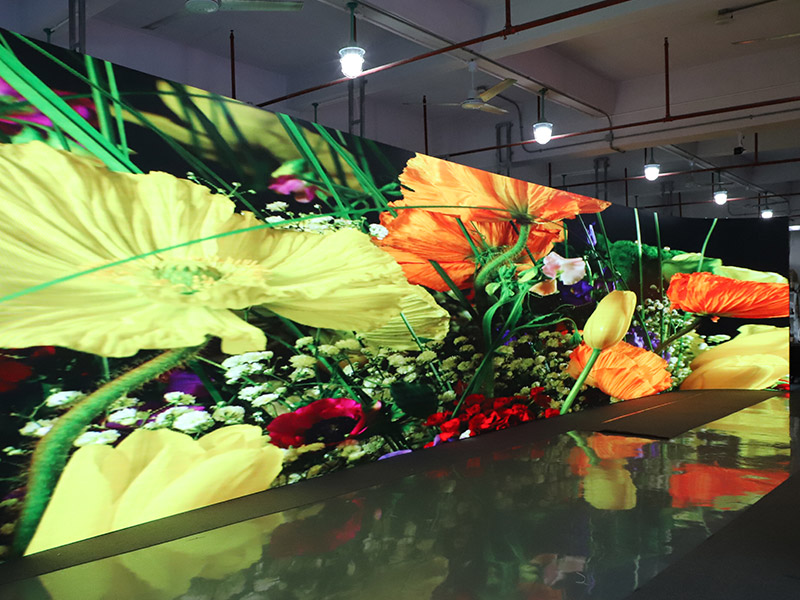
Unlike a rigid LED cabinet, a flexible LED module can follow curved walls, cylindrical columns, and wave-shaped stage structures. This makes it practical for retail atriums, exhibition stands, museums, broadcast sets, and event backdrops where a flat screen would not fit the design.
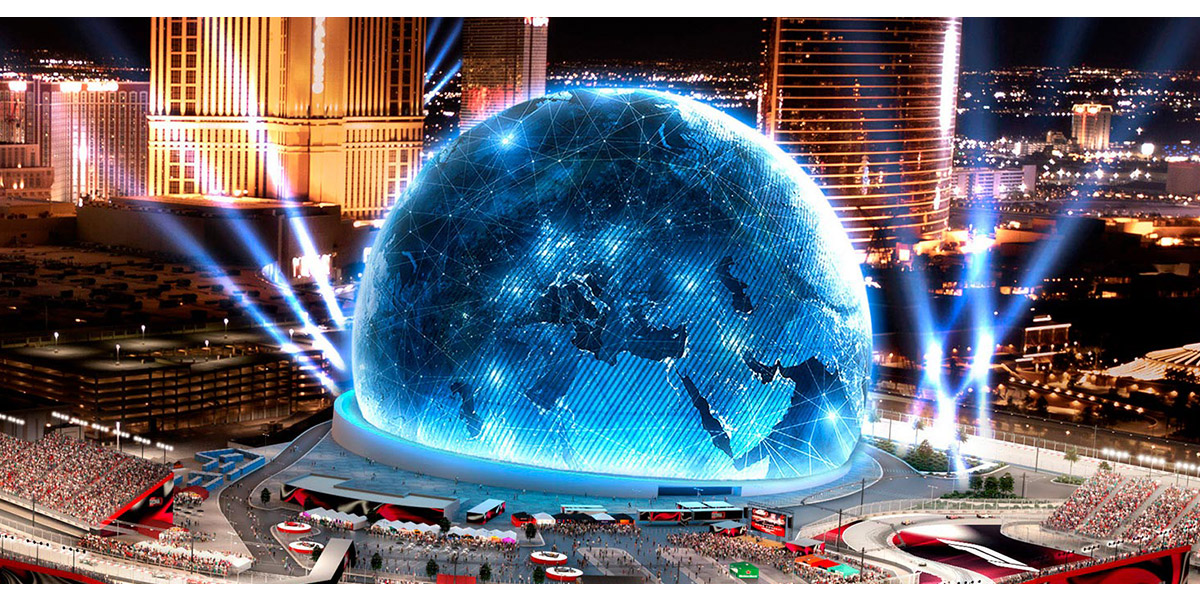
Flexible LED projects often require custom structural engineering, module mapping, and installation planning. Final cost therefore depends on pixel pitch, screen area, cabinet or frame design, control system, installation environment, and required shape. A project drawing and viewing-distance requirement are the most reliable basis for an accurate quotation.
The main limitation is the permitted bending radius of each module. Installers should follow the model-specific technical drawing and avoid twisting, folding, or bending a module beyond its rated curve.
2. Features of Flexible LED Screens
Flexible LED displays are built for creative commercial installations, stage design, exhibitions, and architectural features. Compared with rigid LED cabinets, flexible modules adapt more easily to special-shaped structures. Their main features are:
2.1 Soft and Bendable
EagerLED flexible LED modules use a bendable substrate that follows arcs, cylinders, and selected spiral structures. The module must be mounted on a compatible custom frame and kept within the bending limits specified for that model.
2.2 Thin and Lightweight
Flexible LED modules use lightweight materials and an integrated design, making them easier to transport, position, and service than many rigid cabinet systems. Their low profile also helps designers fit displays into structures with limited installation depth.
2.3 Perfect Flatness
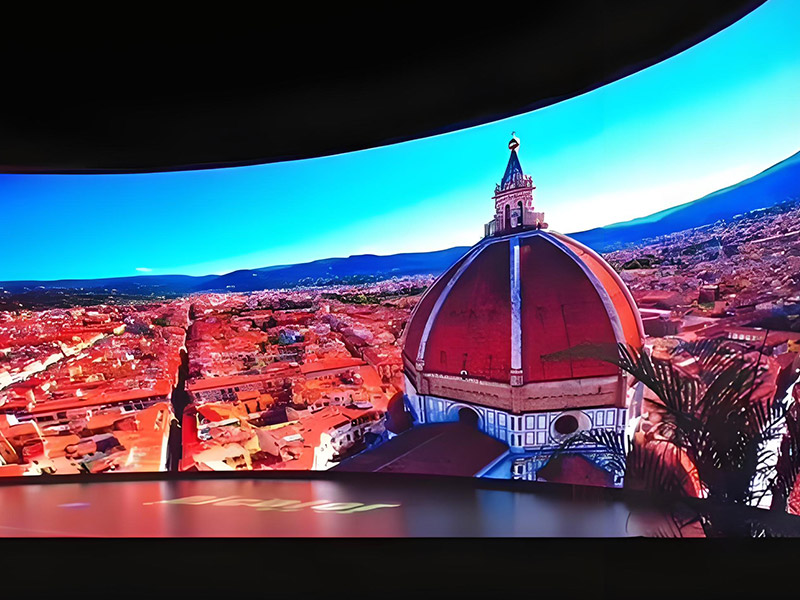
When installed on a precisely fabricated frame, EagerLED flexible modules can form a smooth display surface with consistent module alignment. Accurate structural tolerances and calibration are essential for clean seams and uniform images.
2.4 Easy to Install and Maintain
Flexible LED modules are typically attached magnetically to a custom metal structure, which simplifies positioning and front access. The modular design also allows a technician to service an individual module instead of replacing the complete display.
3. What Are the Common Shapes of Flexible LED Screens?
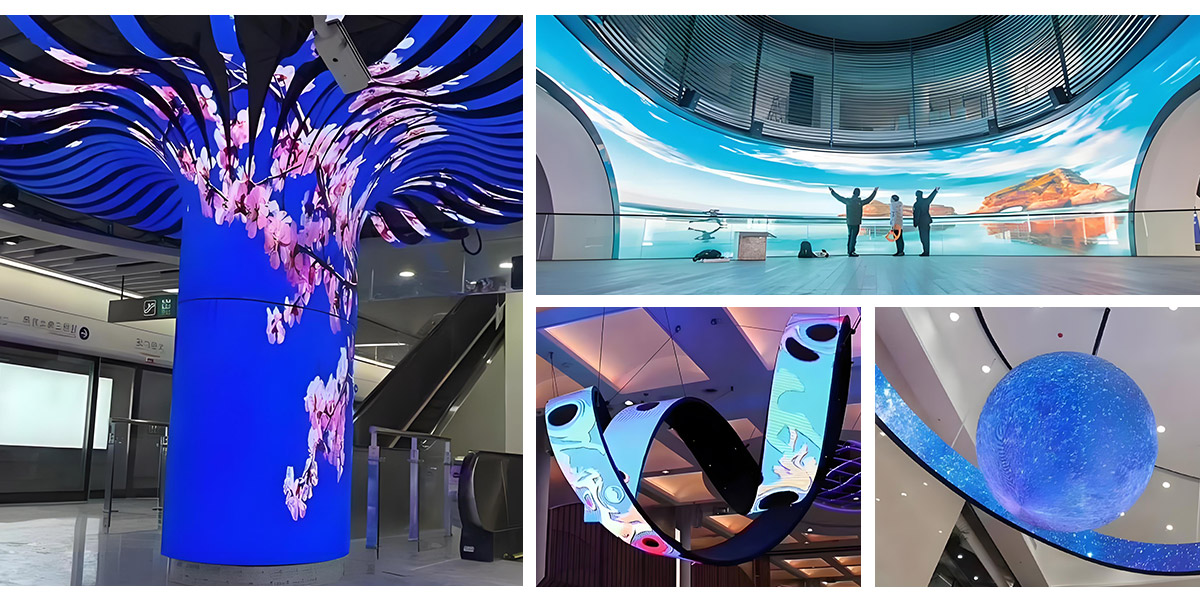
Flexible LED screens can follow a wide range of custom structures. The most common forms include cylindrical, spherical, curved, ribbon-shaped, and can-shaped displays:
3.1 Cylindrical LED Display
A cylindrical LED display wraps modules around a column or custom circular frame. It can deliver 360° content for shopping-mall atriums, museums, exhibition halls, and branded installations, provided the content is mapped for continuous viewing around the structure.
3.2 Spherical LED Display
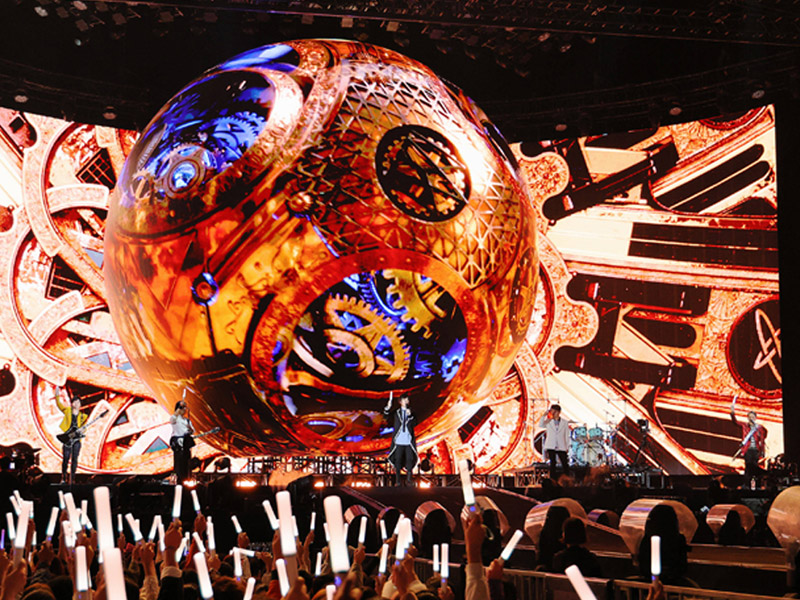
A spherical LED display arranges flexible or specially shaped modules around a sphere. Common uses include digital globes in science museums, suspended visual features, entertainment venues, and landmark installations. The supporting frame and video mapping must be designed together for even geometry and continuous content.
3.3 Curved LED Display
A curved LED display uses flexible modules to create concave or convex viewing surfaces. It is widely used for stage backdrops, control rooms, conference spaces, broadcast studios, and immersive retail environments.
3.4 Ribbon LED Display
A ribbon LED display follows a long, flowing structure and can be suspended, wrapped, or curved through an interior space. It is often used in shopping-mall atriums, exhibition halls, stages, and architectural installations.
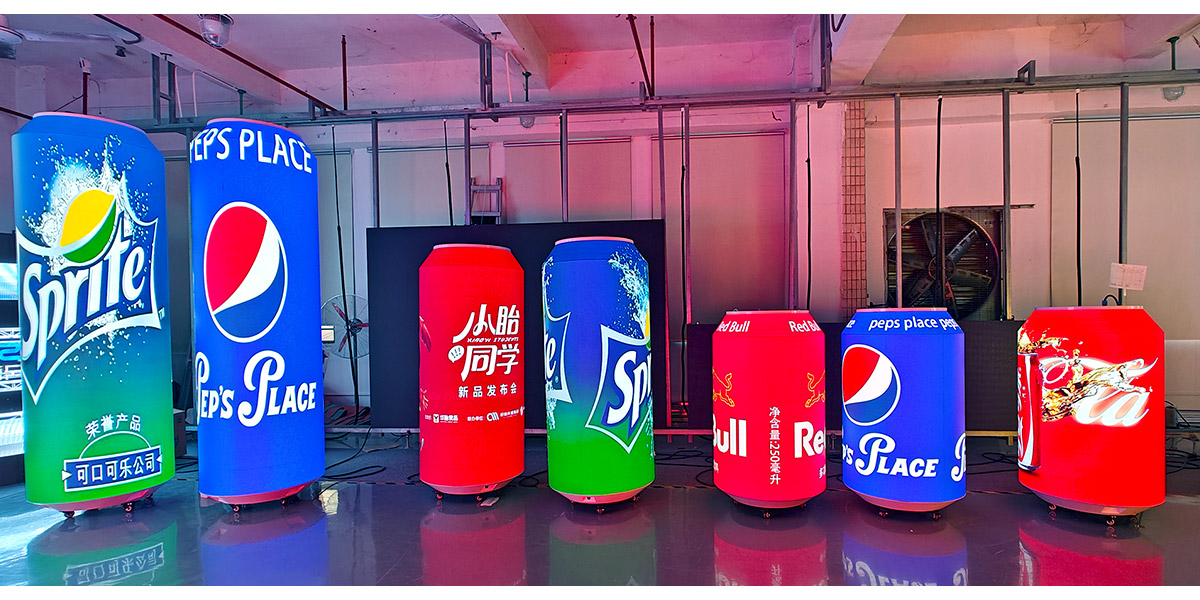
3.5 Can-Shaped LED Display
A can-shaped LED display recreates a beverage can or similar product form with a 360° video surface. It is suitable for brand activations, exhibitions, shopping centers, entertainment venues, and beverage promotions.
4. Advantages of Flexible LED Screens
If you are considering buying a flexible LED screen but are not sure if it is the best choice, you may wish to understand the following core advantages:
4.1 Creative Display for Custom Structures
Flexible LED screens adapt to irregular structures that are difficult to build with flat cabinets. This gives designers more freedom to create curved, cylindrical, and sculptural video installations for advertising, events, and exhibitions.
4.2 Magnetic Module Installation
Magnetic modules attach to a compatible metal frame, simplifying alignment and front access. The frame still needs accurate engineering to support the required curve and maintain a smooth module surface.
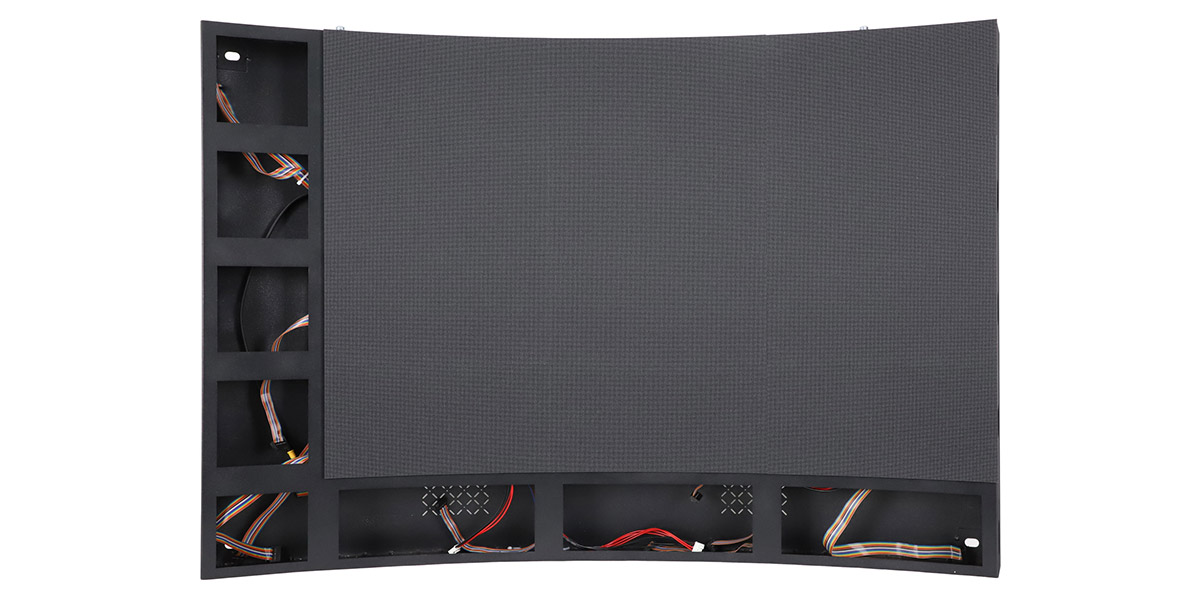
4.3 High-Resolution, Continuous Images
Multiple pixel-pitch options allow a flexible LED screen to be specified for the intended viewing distance. Correct module alignment, calibration, and content mapping help create a continuous image across the curved surface.
4.4 Custom Shapes and Pixel Pitches
Screen size, shape, pixel pitch, frame design, and control system can be specified for the installation. Common structures include arcs, cylinders, waves, ribbons, and product-shaped displays.
5. Recommended Flexible LED Screen Modules
The following EagerLED module options cover common indoor flexible-display sizes and viewing requirements.
5.1 EagerLED Flexible LED Display
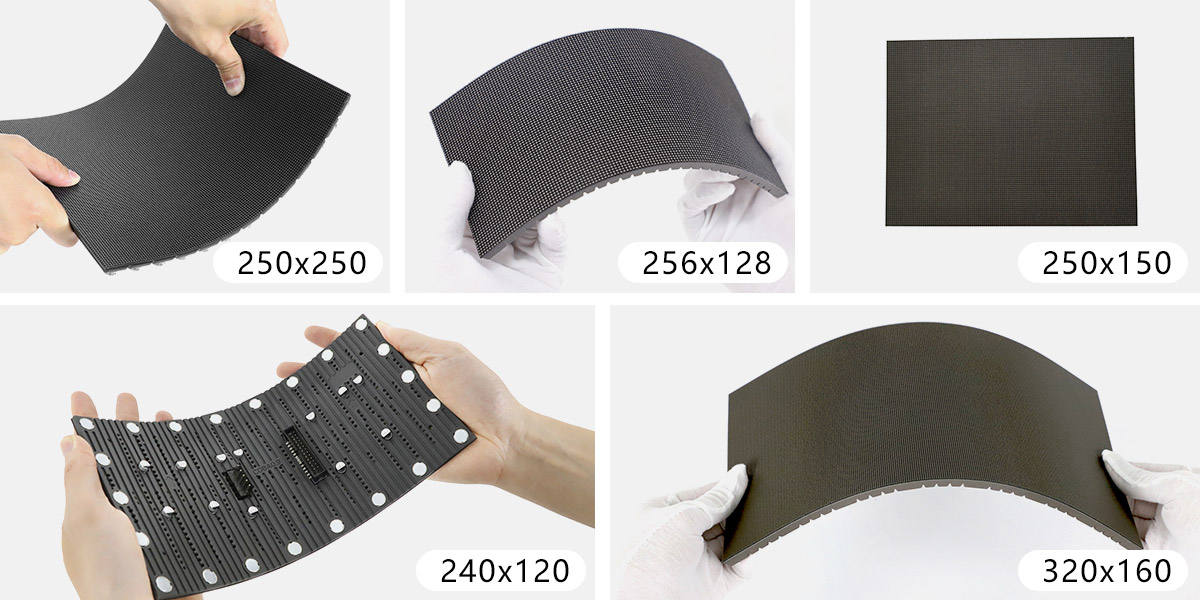
EagerLED flexible LED modules are designed for indoor, high-resolution creative displays. Available module formats include 240 × 120 mm, 256 × 128 mm, 320 × 160 mm, 250 × 250 mm, and 300 × 168.75 mm. Pixel-pitch options range from P0.9 to P5, including P1.25, P1.56, P1.875, P2, P2.5, P3, and P4. Final selection should be based on viewing distance, screen dimensions, required curve, brightness, and installation environment.
5.2 Flexible LED Screen Videos
P1.875 & P2 Indoor Can-Shaped LED Screen
P2.5 Cylindrical Flexible LED Display Project
Custom Flexible LED Screen Project in Brazil
EA-Flex Indoor Soft Flexible LED Display
5.3 Flexible LED Module Specifications
6. Flexible LED Display Applications
6.1 Stage Performances
Flexible LED screens can form curved stage backdrops, overhead features, and wraparound video surfaces for concerts, broadcasts, and large events. Their modular design helps production teams fit visual content to non-flat scenic structures.
6.2 Exhibitions
In exhibitions and trade shows, flexible LED displays can follow curved walls, columns, arches, and custom booth structures. They help brands integrate motion content into the architecture of an exhibition stand instead of placing a flat screen in front of it.
6.3 Shopping Malls
Shopping centers use flexible LED displays for advertising, brand activations, digital art, and wayfinding. Curved walls, columns, ceilings, and atriums are common locations where flexible modules can fit more naturally than rigid cabinets.
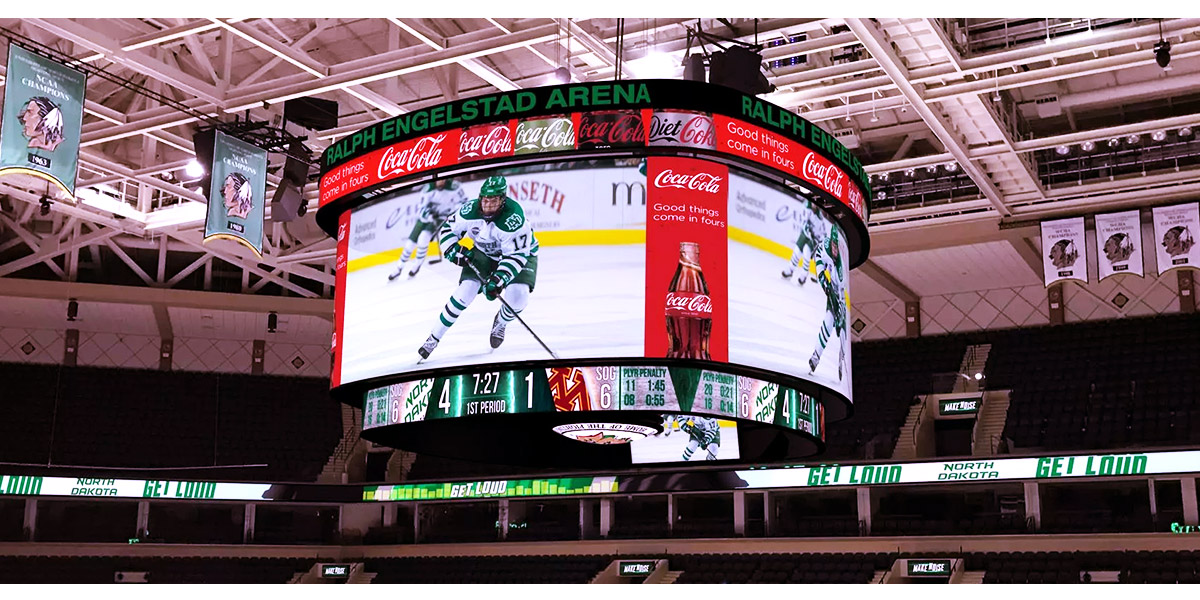
6.4 Stadiums
Stadiums and arenas can use curved or cylindrical LED structures for live scores, replays, event information, and advertising. The display shape, viewing angles, brightness, and structural load must be engineered for the venue.
6.5 Architectural Decoration
Hotels, commercial complexes, museums, and landmark buildings use flexible LED screens on columns, curved walls, and overhead features. Early coordination between the display supplier, structural engineer, architect, and content team helps the finished screen align with the building.
7. How to Choose a Flexible LED Screen Manufacturer
Choose a flexible LED screen manufacturer that can document module specifications and bending limits, provide custom frame drawings, test brightness and color consistency, show relevant project references, and support installation and after-sales service. EagerLED provides flexible LED modules and custom-shaped solutions for indoor creative installations, with multiple module sizes, pixel pitches, structural guidance, and first-party project videos.
7.1 Display Engineering and Creative Design
EagerLED combines flexible LED modules with application-specific frame design, control-system planning, and image calibration. This coordinated approach helps custom-shaped screens produce consistent geometry and continuous video content.
7.2 Quality Control and Testing
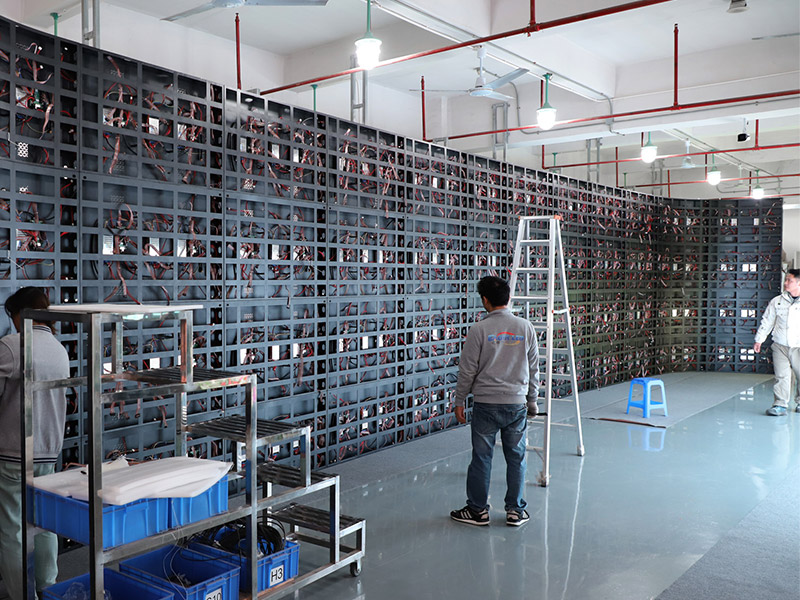
EagerLED checks display performance and assembly quality before shipment, including brightness, color consistency, refresh rate, module alignment, and product operation. Project-specific acceptance requirements should be confirmed in the quotation and technical documentation.
7.3 Experience Across Creative Applications
EagerLED project videos show flexible displays used for cylinders, oval screens, can-shaped installations, retail features, exhibitions, and event environments. These examples help buyers evaluate possible shapes and installation approaches.
7.4 Custom Project Support
EagerLED supports product selection, technical drawings, installation guidance, and after-sales service. Buyers should provide screen dimensions, viewing distance, installation drawings, required shape, content format, and project schedule when requesting a proposal.
Choose EagerLED for a flexible LED display solution matched to your screen geometry, viewing distance, installation method, and content requirements.
8. Flexible LED Screen FAQ
8.1 Is a Flexible LED Screen More Expensive Than a Standard LED Display?
A flexible LED screen can cost more than a standard flat display when the project requires custom modules, structural engineering, video mapping, or complex installation. The actual price depends on pixel pitch, screen area, frame design, control system, and project requirements.
8.2 Flexible LED Screen Price Guide: What Determines Cost?
There is no single flexible LED screen price per square meter that applies to every project. Cost depends on pixel pitch, module type, total screen area, curve or shape, support structure, controller, installation environment, shipping, and service scope. For an itemized quotation, send EagerLED the screen dimensions, drawings, viewing distance, target application, installation location, and project schedule.
8.3 How Far Can a Flexible LED Display Bend?
The permitted curve depends on the module size, PCB design, mask, and mounting structure. Use the minimum bending radius stated in the model-specific technical drawing; never twist, crease, or force a module beyond that limit.
8.4 What Is the Difference Between Flexible LED and Flexible OLED?
Flexible OLED and flexible LED are different technologies. Flexible OLED panels use organic light-emitting materials and are common in phones, wearables, and televisions. A flexible LED screen uses modular LED display boards and is intended for large-format commercial, event, and architectural installations.
9. Flexible LED Screen Projects
The project videos below show flexible LED screens used for cylindrical, oval, curved, and custom-shaped installations. Each case provides a first-party reference for the display form, pixel pitch, destination, or application.
Flexible LED Display Project in Lebanon
P2 Indoor GOB Flexible Cylindrical Screen in Colombia
P1.95 Oval Flexible LED Screen in Saudi Arabia
P2 Indoor Flexible LED Screens in Brazil
10. Conclusion
Flexible LED screens give designers a practical way to build curved, cylindrical, wave-shaped, and other custom video surfaces. The right solution depends on pixel pitch, viewing distance, module dimensions, bending radius, frame accuracy, control system, and installation environment. Contact EagerLED with your project drawings and display requirements to receive a tailored technical proposal and quotation.
GET A QUOTE
—