


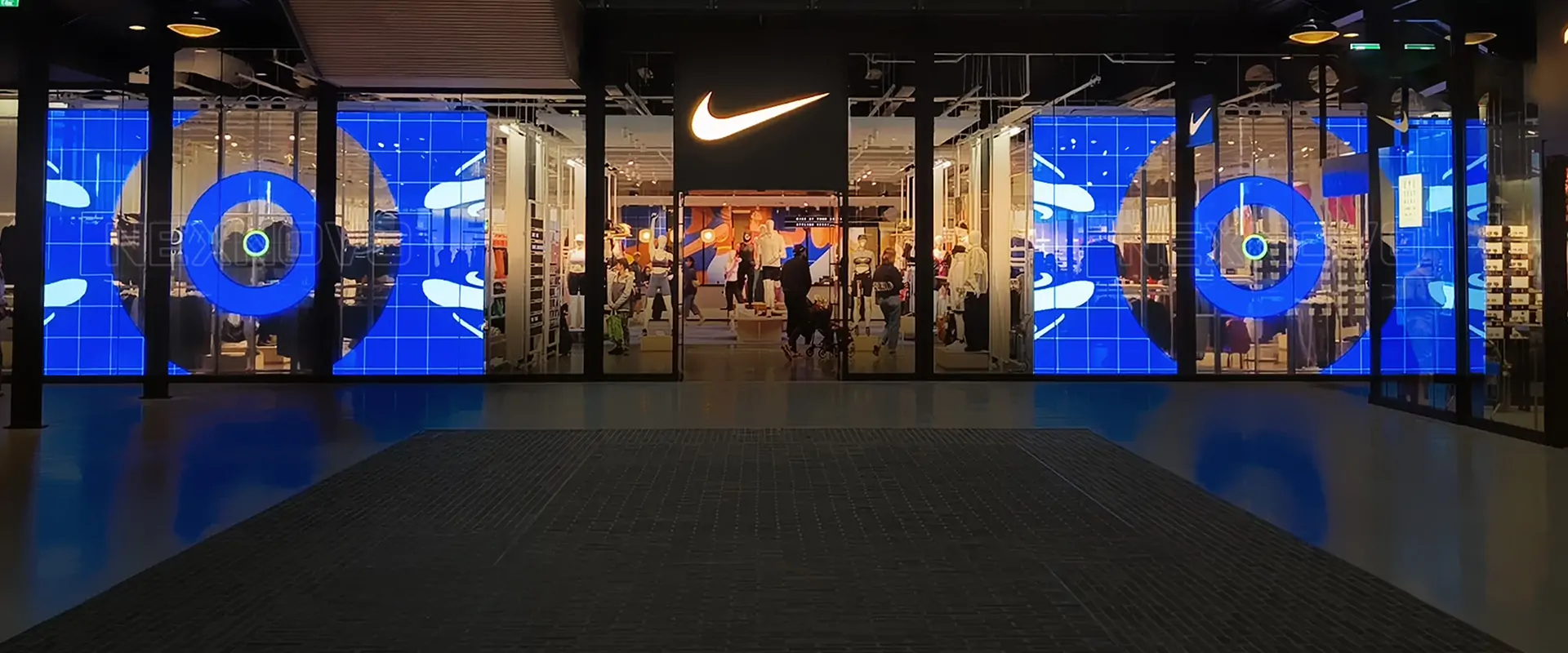
Shop LED Screen Recommendation
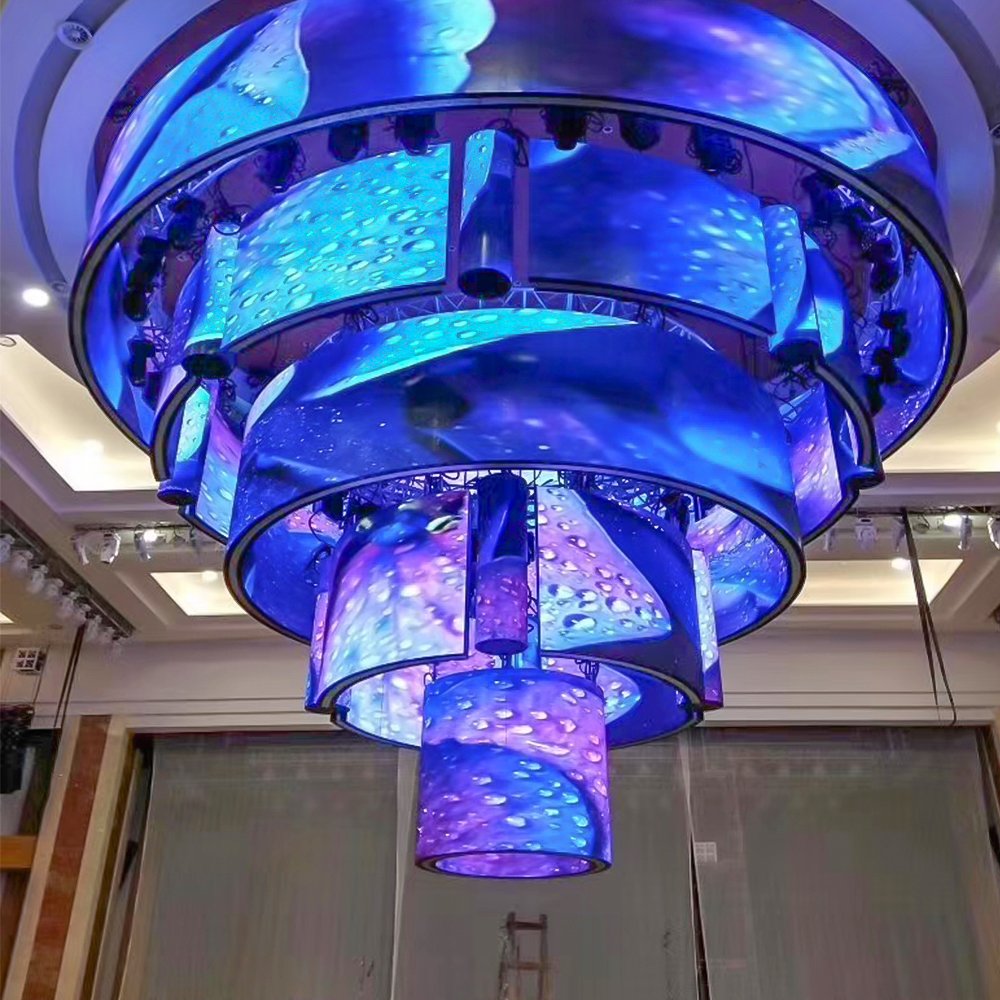
EA-Flex Flexible LED Display
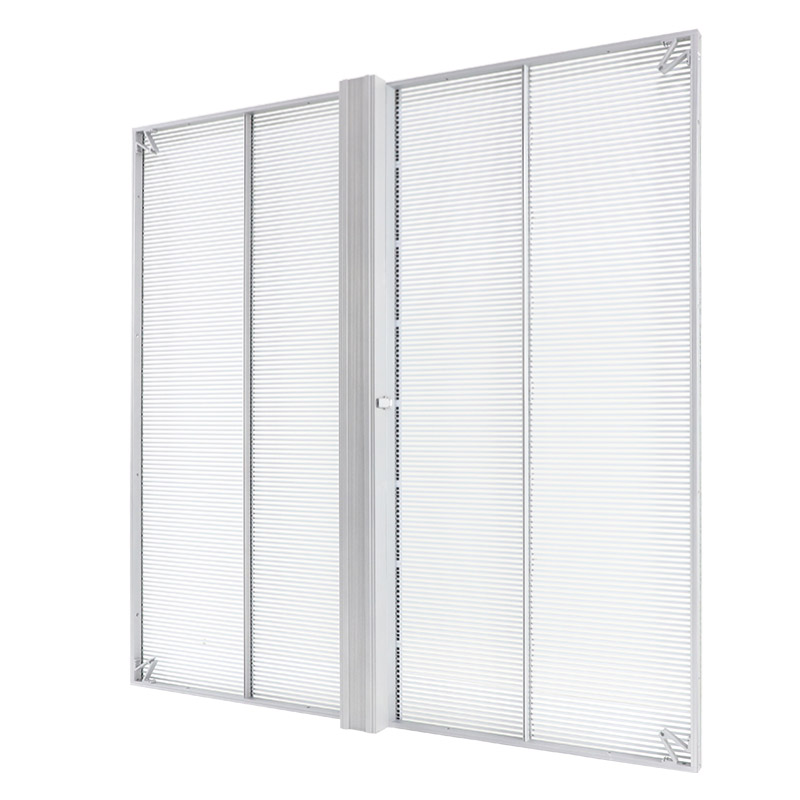
EA1000TiF2 Fixed indoor Transparent LED Screen
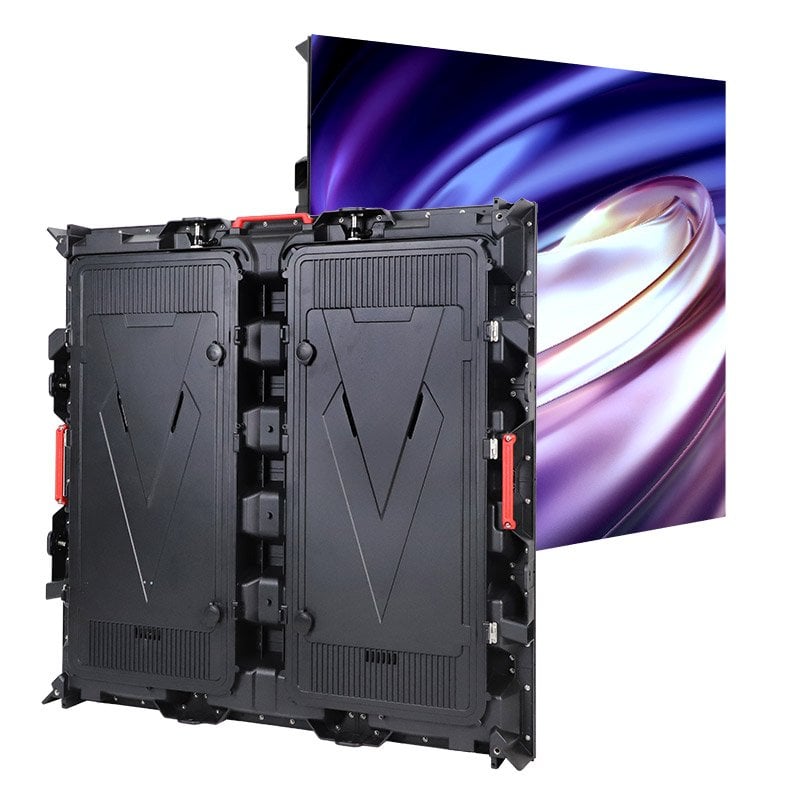
EA960R4 Advertising LED Display Billboard
Get a Tailored Shop LED Screen Quote
Professional Shop LED Screen Solution Provider
1. LED display manufacturing experience: EagerLED develops LED display solutions for retail stores, event venues, advertising installations, sports facilities and other commercial environments.
2. Model-specific compliance support: Certification and test documentation can be matched to the selected product and destination market. Confirm the required CE, FCC, RoHS, UL or other documentation before ordering.
3. Production and quality control: Cabinet assembly, module testing, aging checks and final inspection are coordinated for each project before shipment.
4. Project support: The EagerLED team can assist with product selection, screen configuration, installation planning and after-sales service based on the site and application.
Where Can LED Shop Displays Be Installed
Storefront Windows
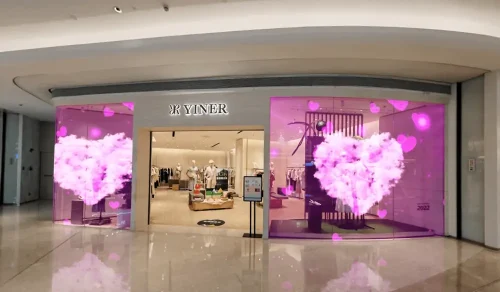
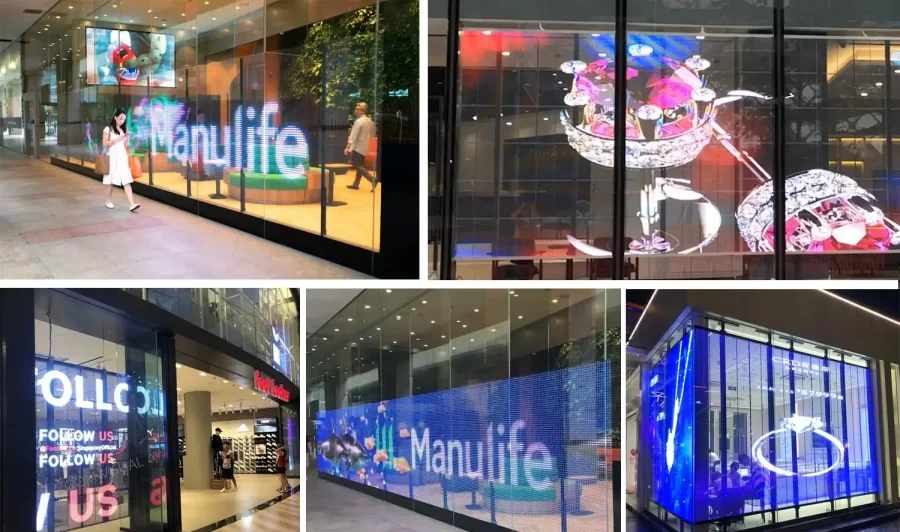
Storefront LED displays present promotions and product content without using printed signage. For glass installations, compare transparency, brightness, cabinet depth and service access. The EA1000TiF2 fixed indoor transparent LED screen provides approximately 60% transparency and cabinet options of 1000 x 1000 mm and 1000 x 500 mm.
Shelf-Edge Displays
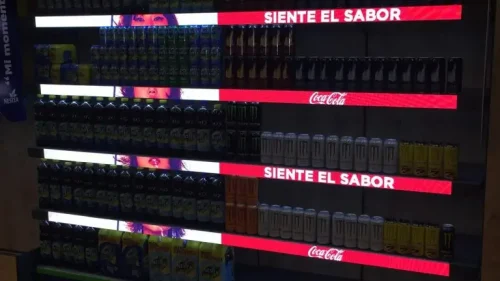
Shelf-edge LED displays place pricing, product details and promotional content close to the point of selection. A long, narrow format works well where conventional screens do not fit. Connect the display to a compatible content system when prices or availability need frequent updates.
Wayfinding Touch Kiosks
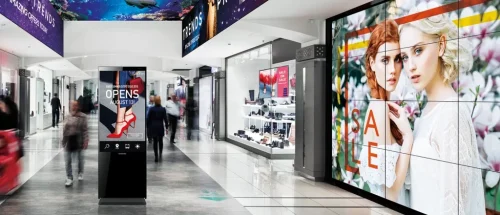
Wayfinding kiosks can combine an LED or LCD display, a touch interface and navigation software to help visitors locate stores, services or products. Touch control, real-time location data and personalized recommendations require compatible hardware, software and data connections; they are not standard features of every LED display.
Hanging or Suspended Displays
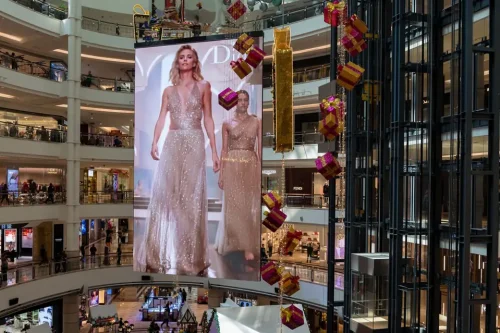
Suspended LED displays use elevated positions to make promotions and event information visible across open retail spaces. Screen weight, mounting structure, viewing direction, cable routing and maintenance access should be confirmed during site planning.
Shop LED Display Guide for Retail Promotion and Marketing
A shop LED display is a modular digital signage system used in storefronts, shop windows, sales floors and shopping malls to present promotions, product information and brand content. The right configuration depends on viewing distance, ambient light, installation method and content-control requirements.
This guide compares eight common shop LED display types, explains the specifications that affect image quality and maintenance, and provides a practical selection process for retail projects.
Table of Contents
1. What Is a Shop LED Display?
2. 8 Types of LED Displays for Shop
3. Key Features of a Shopping Mall LED Display
4. What Can Shop LED Displays Do for Retailers?
5. How Can Retail LED Displays Support Sales and ROI?
6. How to Choose the Right LED Display for a Shop
7. Shop LED Display Technology Trends
8. FAQs
9. Conclusion
1. What Is a Shop LED Display?
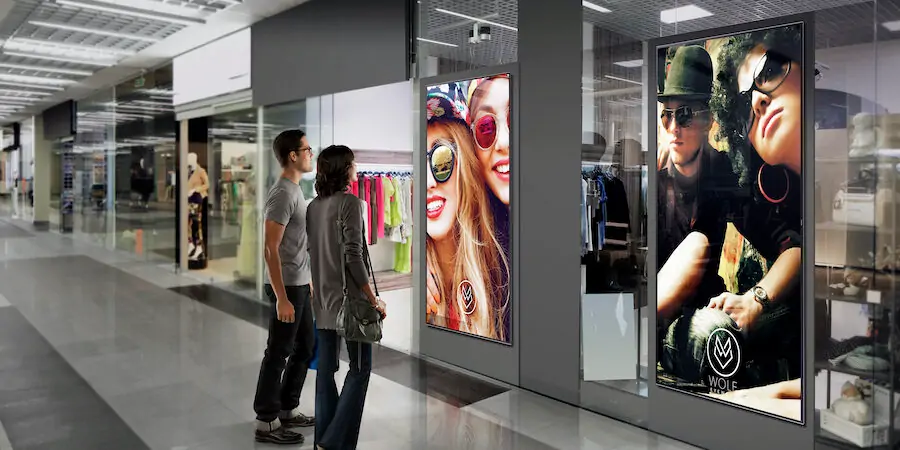
A shop LED display is a digital screen built from LED modules or integrated LED units for retail communication. It can show videos, product images, prices, directions and scheduled campaigns indoors, in windows or on exterior storefronts. Unlike printed signage, content can be updated through a compatible controller or content management system.
2. 8 Types of LED Displays for Shop
Retail installations generally use eight shop LED display formats. The suitable option depends on where the screen will be installed, how far away customers will view it and whether transparency, portability, touch control or a custom shape is required.
2.1 Outdoor LED Display
Outdoor LED displays are designed for storefront signs, building facades and roadside retail advertising. Select a cabinet with the brightness, ingress protection, cooling and service method required for the site. The EA960R4 advertising LED display billboard uses a 960 x 960 mm magnesium-alloy cabinet and an IP65-rated outdoor design.
2.2 Transparent LED Screen
Transparent LED screens display digital content while preserving part of the view and natural light through a shop window. Transparency and brightness vary by model. EagerLED’s EA1000TiF2 is a fixed indoor transparent LED screen with approximately 60% transparency, two cabinet sizes and brightness rated up to 5000 cd/m2.
2.3 Indoor LED Wall
Indoor LED walls provide seamless, scalable canvases for product launches, brand videos and in-store information. Fine pixel pitches support shorter viewing distances, while lower indoor brightness settings help maintain comfortable viewing. Front-service access can simplify maintenance where rear space is limited.
2.4 3D Billboard
A naked-eye 3D LED billboard uses perspective-designed content and a suitable screen shape, often a building corner, to create depth without glasses. The effect depends on content production, screen geometry and the viewer’s position; the LED hardware alone does not create the 3D result.
2.5 Shelf Edge LED Display
Shelf-edge LED displays use a long, narrow format for prices, product details and short promotions at the point of selection. They are useful where wall space is limited, but content accuracy depends on integration with the retailer’s pricing or product-data system.
2.6 LED Poster Display
LED poster displays are slim, freestanding units for entrances, aisles and temporary campaigns. Many models combine the screen, controller and enclosure in one unit, making content setup and repositioning easier than with a permanent video wall. Confirm weight, power and transport features for the selected model.
2.7 Flexible LED Screen
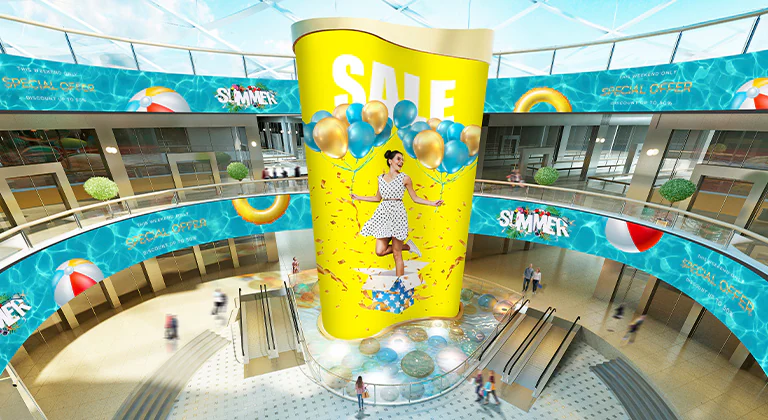
Flexible LED modules can wrap columns, curves and custom structures that flat cabinets cannot follow. The minimum bending radius, supporting frame and module access must be planned together so the finished surface remains smooth and serviceable.
2.8 Interactive LED Display
An interactive LED display combines an LED screen with touch, motion, QR-code, camera or sensor-based technology. These functions require compatible peripherals and software. Retailers should also plan accessibility, data privacy and ongoing content support before deployment.
3. Key Features of a Shopping Mall LED Display
The most important shopping mall LED display features are content control, brightness, pixel pitch, viewing angle, cabinet design and maintenance access. Each specification should be selected for the actual viewing environment rather than treated as a universal requirement.
3.1 Multi-Zone Content Remote Management
A compatible media player and content management system can divide the screen into multiple zones for video, pricing, social content or announcements. Networked control also supports scheduling and remote updates. Available functions depend on the controller, software license and network configuration.
3.2 High Brightness and Contrast
Brightness must match the ambient light. Indoor screens generally operate at lower brightness than window-facing or outdoor displays, while contrast and calibration affect detail and color consistency. Compare the model datasheet and test content at the intended location before finalizing the specification.
3.3 Smart Interactive Capabilities
Touch, motion sensing, QR codes and augmented-reality experiences can turn a retail display into an interactive information point. These capabilities require additional sensors, processors or applications, so they should be specified as part of the complete system rather than assumed to be built into the LED screen.
3.4 Wide Viewing Angles
A wide viewing angle helps content remain readable as shoppers approach from different directions. Check both horizontal and vertical viewing-angle specifications and review color consistency from the actual paths customers will use.
3.5 Fine Pixel Pitches
Pixel pitch is the center-to-center distance between adjacent LEDs. A smaller pitch supports sharper images at shorter viewing distances but increases pixel count, processing requirements and cost. Choose it from the expected viewing distance and content detail.
3.6 Customizable Size and Configuration
Modular LED cabinets can be combined into different sizes and aspect ratios for video walls, columns and architectural features. A practical design also accounts for structural support, cable paths, ventilation and module replacement access.
4. What Can Shop LED Displays Do for Retailers?
Shop LED displays give retailers a reusable digital surface for promotions, product information, wayfinding and brand content. Results depend on screen placement, content quality, campaign timing and how performance is measured.
4.1 Increase Foot Traffic
A storefront LED screen can make current offers and new products visible to passersby. To evaluate its effect on foot traffic, compare entrance counts during similar periods and separate the display campaign from other promotions or seasonal changes.
4.2 Superior Visual Effect
High-resolution retail LED displays can show motion, color and product detail that static posters cannot reproduce. Match the pixel pitch and brightness to the viewing distance so content remains clear without appearing overly bright indoors.
4.3 Real-Time Information Sharing
Connected shop LED displays can publish scheduled or time-sensitive updates such as prices, promotions, event notices and wayfinding information. Remote control reduces the delay between approving content and displaying it across one or more locations.
4.4 Enhanced Customer Engagement
Touch-enabled or sensor-connected displays can support product lookup, navigation, QR-code actions and interactive campaigns. Track interactions, scans or assisted searches to determine whether the experience is useful rather than relying on attention alone.
4.5 Cost-Effective
Digital content reduces repeated printing and installation work when campaigns change frequently. Total cost still includes the screen, controller, structure, installation, electricity and maintenance. Compare those lifecycle costs with the number and frequency of planned campaigns.
5. How Can Retail LED Displays Support Sales and ROI?
A retail LED display can support sales by making offers easier to see, updating content quickly and guiding customers to relevant products. ROI should be calculated from measured incremental gross profit and cost savings, not from unsupported sales-lift assumptions.
5.1 Driving Impulse Purchase
Timely content near a product or checkout area can highlight limited offers, bundles and new arrivals at the point of decision. Measure the promoted product’s sales against a comparable baseline to determine whether the display influenced purchasing behavior.
5.2 Personalized Marketing
A content management system lets retailers schedule messages by location, time or audience segment. A/B testing can compare creative versions when the store has a reliable way to measure impressions, interactions or sales for each campaign.
5.3 Elevating Brand Perception
Consistent color, sharp product imagery and well-produced motion content can support a modern brand presentation. Calibration and content governance are important when the same campaign appears on multiple screens or in different store locations.
5.4 Reducing Costs
Digital signage can reduce recurring poster printing, shipping and replacement work. It does not eliminate operating costs, so the business case should include power consumption, content production, maintenance, spare parts and expected service life.
5.5 Increasing Shopper Engagement
Interactive content, product lookup and QR-code actions can extend the customer’s interaction with a campaign. Useful metrics include touch events, QR scans, dwell time and assisted product searches, evaluated alongside sales rather than treated as sales proof on their own.
5.6 Quantifying ROI Through Measurable Metrics
Define the baseline, campaign period and costs before installation. A practical formula is: ROI = (incremental gross profit + verified cost savings – total display campaign cost) / total display campaign cost x 100%. Track foot traffic, promoted-item sales, interactions and printing savings using comparable time periods.
6. How to Choose the Right LED Display for a Shop
Choose a shop LED display by working from the site and content requirements to the hardware specification. The following steps help avoid overspending on features that do not match the viewing distance, ambient light or maintenance plan.
6.1 Determine the Purpose of the LED Display
- Advertising and promotions: Show campaigns, launches and limited-time offers.
- Information display: Present prices, menus, directions or announcements.
- Interactive experience: Add touch or sensor functions when the required software and data are available.
- Window display: Balance content visibility with transparency and natural light.
6.2 Choose the Right Shop LED Display Type
(1) Indoor LED displays
- SMD LED panels: A common modular option for indoor video walls.
- COB LED displays: An integrated surface option for fine-pitch, close-viewing applications.
- Flexible LED modules: Designed for curves, columns and custom shapes.
(2) Outdoor LED displays
- Select brightness, cooling and cabinet protection for the site’s sunlight and climate.
- Confirm the IP rating for the complete installed system, including cabinet faces, connectors and cable entries.
(3) Transparent LED screens
Use transparent models where the installation must preserve part of the view or natural light through glass.
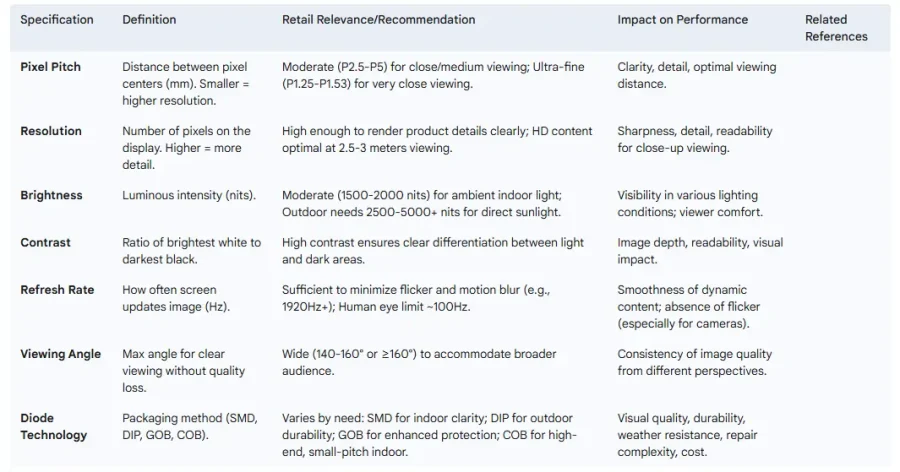
6.3 Compare the Key Specifications
- Pixel pitch: Match image detail to the shortest expected viewing distance.
- Brightness: Specify enough output for the ambient light without making indoor viewing uncomfortable.
- Native resolution: Calculate it from screen dimensions and pixel pitch, then prepare content to match.
- Refresh rate: Choose a model suitable for the planned video and camera use.
- Viewing angle: Check horizontal and vertical performance from customer approach paths.
6.4 Choose the Right Size and Mounting
- Freestanding: Suitable for entrances, aisles and temporary promotion areas.
- Wall-mounted: Saves floor space but requires structural support and service access.
- Suspended: Improves visibility in open spaces and requires engineered overhead mounting.
- Modular: Supports custom sizes and aspect ratios when cabinet dimensions are planned correctly.
6.5 Content Management and Connectivity
- Controller and CMS: Confirm scheduling, multi-screen control and user permissions.
- Network connection: Plan secure wired, Wi-Fi or mobile connectivity for remote updates.
- Inputs and playback: Verify HDMI, USB or other required sources with the selected controller.
6.6 Budget and Maintenance
- Total cost of ownership: Include hardware, structure, installation, power, content and service.
- Power planning: Compare typical and maximum consumption for the proposed brightness settings.
- Service terms: Confirm warranty scope, spare-part availability, access method and response process in writing.
6.7 Choose a Qualified Supplier
Choose a supplier that can provide model-specific specifications, compliance documents, drawings, power calculations and a clear service plan. Review comparable project examples and confirm what is included in installation guidance, spare parts and after-sales support.
7. Shop LED Display Technology Trends
Current retail LED display development focuses on better close-viewing image quality, more flexible installation formats and closer integration with content systems. The value of each trend depends on the store format, content plan and measurable customer need.
7.1 Integration with AR, VR and XR
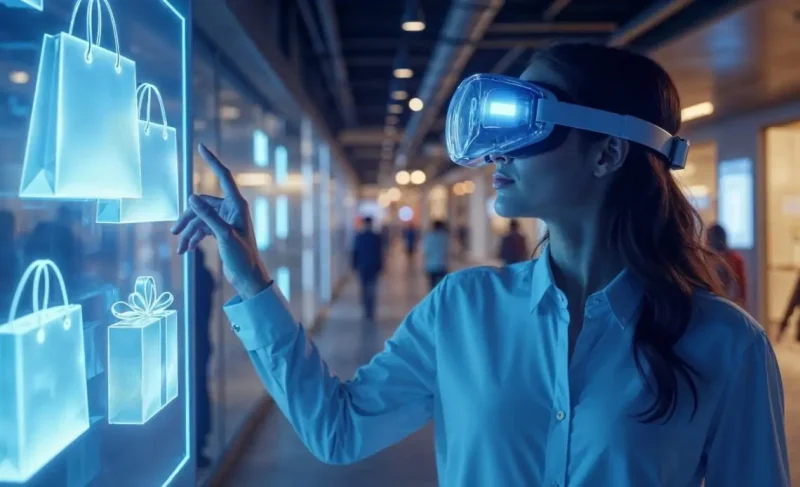
LED displays can act as the visual layer for augmented, virtual or extended-reality experiences when paired with cameras, tracking, rendering hardware and purpose-built content. The complete system should be tested for latency, viewing position and accessibility before launch.
7.2 Fine-Pitch LED and MicroLED for Premium Retail
Fine-pitch LED and MicroLED technologies can support premium retail applications that require close viewing, high contrast and detailed product imagery. Cost, serviceability, panel protection and the actual viewing distance remain more important than adopting a technology label.
7.3 AI-Assisted Content and IoT Integration
AI-assisted content tools and IoT data can help teams schedule or adapt messages using defined inputs such as time, inventory or audience interactions. Retailers need clear data rules, human review and fallback content so automation does not publish inaccurate or inappropriate messages.
7.4 Flexible and Modular LED Panels
Flexible and modular LED panels allow screens to follow columns, curves, ceilings and custom architectural features. Successful installation depends on the supporting structure, bending limits, seam alignment, heat management and access for module replacement.
7.5 Higher-Resolution Content Pipelines
Higher-resolution content pipelines are useful only when the screen’s native resolution and viewing distance can reveal the added detail. Match source resolution, processor capacity and screen canvas instead of treating 8K as a universal requirement for retail displays.
8. FAQs
1. How bright should a shop LED display be?
Brightness depends on ambient light and screen position. Indoor retail displays usually need less output than window-facing or outdoor screens. For a verified product reference, the EA1000TiF2 fixed indoor transparent LED screen is rated up to 5000 cd/m2. Test the selected model at the intended brightness and viewing distance before installation.
2. Can a shop LED display be controlled remotely with Android?
Yes, when the screen uses a compatible Android-based controller or content management application. Confirm that the selected controller supports remote publishing, scheduling, user permissions and the network connection required by the project.
3. Should a shop use a transparent or conventional LED display?
Choose a transparent LED screen when preserving the view and natural light through glass is important. Choose a conventional LED display when full image coverage, contrast and a non-transparent background are the priority. The EA1000TiF2 provides approximately 60% transparency, while specifications vary across models.
4. What protection does an outdoor shop LED display need?
Specify the cabinet and installed system for rain, dust, temperature, sunlight, wind load and heat dissipation at the site. An IP rating applies only to the tested enclosure configuration, so confirm the protection of the front, rear, connectors and cable entries. The EA960R4 outdoor cabinet is rated IP65.
5. What content can a shop LED display show?
A shop LED display can show product videos, images, prices, menus, wayfinding, event notices and scheduled advertising. Interactive applications, live feeds and social content require compatible software, moderation and network access. Prepare content in the screen’s native aspect ratio and resolution for the clearest result.
9. Conclusion
A successful shop LED display project starts with the viewing environment, content purpose and maintenance plan. Compare pixel pitch, brightness, cabinet protection, mounting, control software and service access before selecting a product.
For a project-specific recommendation and quotation, send EagerLED the installation location, approximate screen size, viewing distance, indoor or outdoor conditions and target installation date.