


Advertising LED Display Recommendation
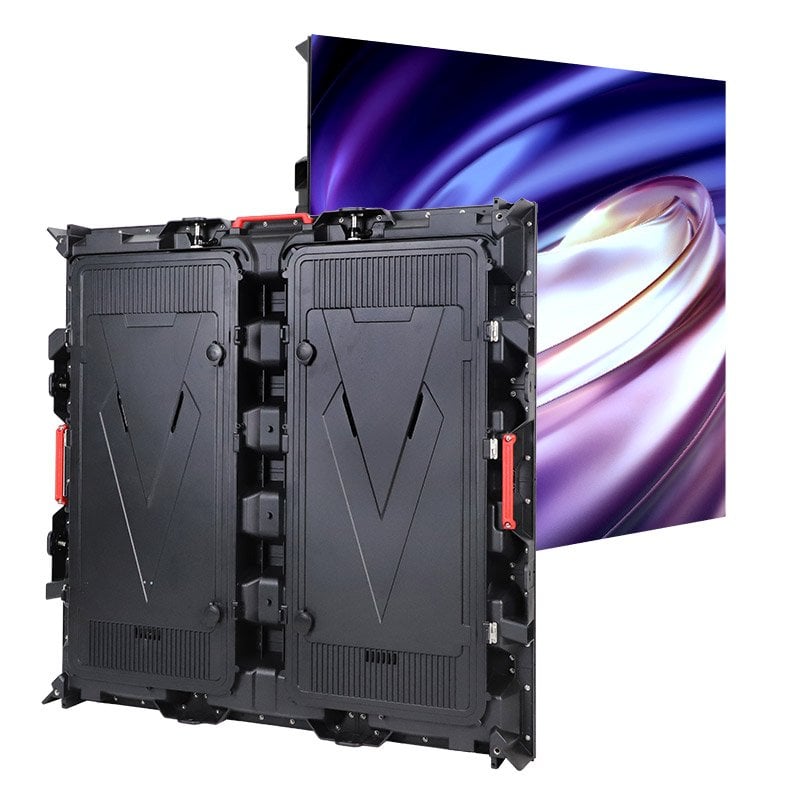
EA960R4 Advertising LED Screen
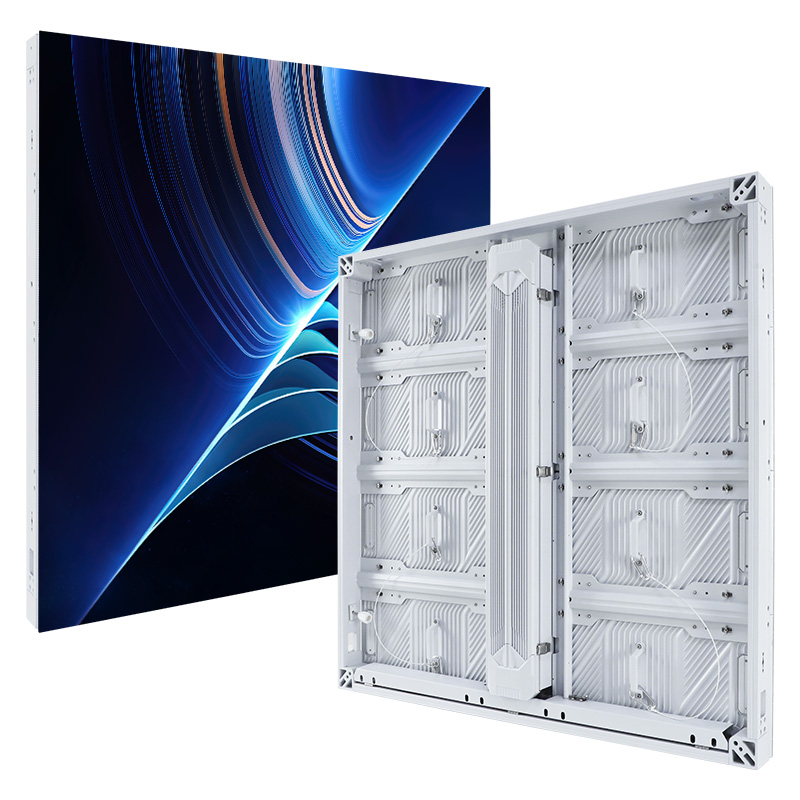
EA1000F2 Outdoor Advertising LED Screen
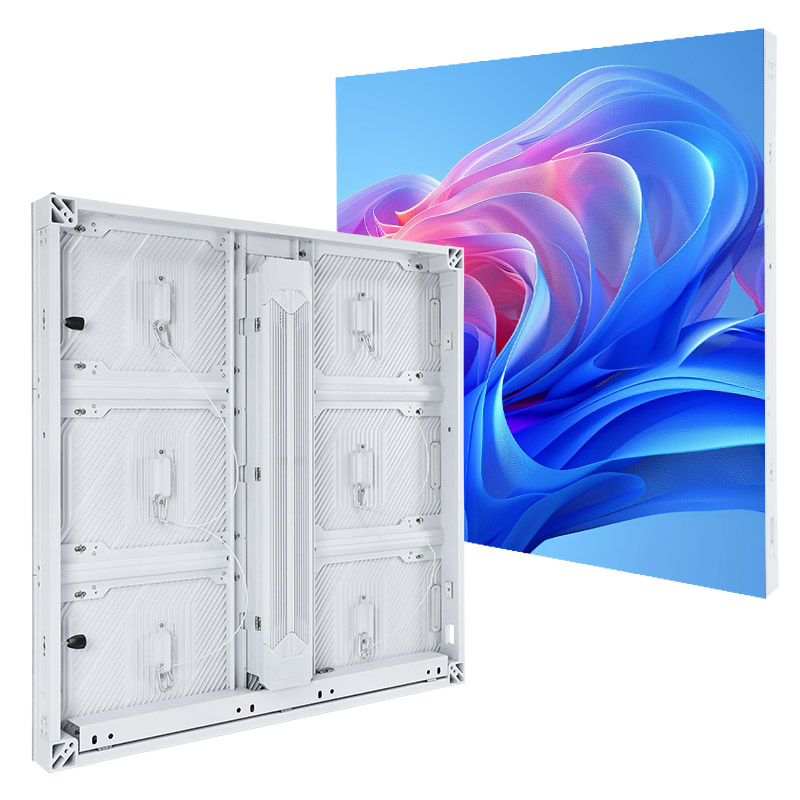
EA960F4 Outdoor Advertising LED Display
2026 New LED Screen Price for You
Why Choose EagerLED as Your LED Ads Screen Supplier?
1. 16 Years Experience: Backed by 16 years of specialized experience, EagerLED provides professional-grade LED display solutions for every need, including event rentals, sports venues, retail spaces, and advertising applications.
2. Industrial Certifications: Our LED displays meet the world’s most stringent certification requirements – including CE, UL, and FCC safety standards, plus ISO quality management systems and RoHS environmental compliance – guaranteeing reliable, safe performance for global markets.
3. 5000+ Factory Area: Spanning over 5,000 square meters, our modern manufacturing complex integrates advanced automation technology with comprehensive quality inspection processes to ensure manufacturing excellence.
4. Professional Team: EagerLED boasts dedicated teams of technical experts, sales professionals, and after-service specialists who provide end-to-end support throughout your entire project lifecycle – from initial consultation to installation and ongoing maintenance.
Why are Advertising LED Screens More Popular than Traditional Billboards?
Attract Audience Attention
Advertising LED screens can show motion, color changes and scheduled messages instead of one fixed creative. Visibility still depends on the correct brightness, pixel pitch, screen size and content contrast for the location.


Real-Time Updates
Unlike static billboards that need to be manually changed, LED advertising screens allow for instant remote content updates based on time of day, events or weather conditions. This flexibility ensures that content is relevant and current, engaging viewers with the most up-to-date information at key moments. Brands can quickly test and optimize campaigns for maximum impact.
Superior ROI
An LED screen costs more upfront than a static sign, but it can rotate multiple campaigns and avoid repeated printing. Calculate ROI from audience value, campaign occupancy, operating hours, energy use, maintenance and expected service life rather than a universal multiplier.


Eco-Friendly
The advertising LED display reduces waste by avoiding repeated printing. Auto-dimming function can effectively reduce the energy consumption. Digital formats reduce overall costs and environmental impact by eliminating recurring installation fees.
LED Advertising Screen Guide: Types, Cost & Selection
An advertising LED screen is a modular digital display for video, images and scheduled information. Choose one by viewing distance, pixel pitch, ambient light, installation environment, cabinet geometry, maintenance access and total project cost. Indoor screens prioritize fine pixel pitch and controlled brightness; outdoor screens require weather protection and higher brightness.
This guide compares seven screen types, common applications, cost factors and the specifications buyers should verify before ordering an indoor or outdoor advertising LED display.
Table of Contents
1.What is An Advertising LED Screen?
2.7 Types of Advertising LED Display Screens
3.Applications of LED Advertising Screens
4.Why Advertising LED Display is A Game Changer for Your Brands?
5.Successful Advertising on LED Screens: Case Studies
6.Latest LED Advertising Screen Price
7.Key Factors to Consider When Choosing Indoor or Outdoor LED Screen for Advertising
8.FAQs
9.Conclusion
1. What is An Advertising LED Screen?
An advertising LED screen is a modular digital signage system made from LED modules, cabinets, power supplies, receiving cards and a content controller. It presents video, images, text and real-time information in retail stores, transport hubs, building facades and roadside locations.
Unlike a printed billboard, one LED display can schedule multiple campaigns and update content remotely. The correct configuration depends on viewing distance, screen size, brightness, refresh rate, weather exposure, structure and service access.
2. 7 Types of Advertising LED Display Screens
There are 7 types of advertising LED display screens. Each is tailored for various promotional demands.
2.1 Outdoor LED Advertising Screen
The LED display screens for advertising outdoors are large, weatherproof digital display systems consisting of modular LED panels designed for highly visible public advertising in open environments.
They are available in pixel pitches from P4 to P10, optimizing viewing distances from 15 to 100 meters, and can dynamically display video advertisements, promotional messages or real-time information in locations such as highways, building facades and public squares.
2.2 Indoor Advertising Screen
Modular LED panels (P0.6-P2.0) form seamless indoor advertising screens used in malls, lobbies, trade shows and conference rooms. Their high-resolution displays, creative configurations (such as curved layouts) and front access maintenance make for immersive brand experiences while supporting interactive campaigns and high-impact promotional visuals.
2.3 LED Poster Screen
These slim and freestanding vertical units are also called LED poster screens or LED totems, featuring fine pixel pitch, touch interaction and remote content updates. Designed with universal wheels, they are portable and effective for promotions, temporary events, and wayfinding. The LED poster display is an ideal tool for airports, retail stores, and hotels.
2.4 3D Billboard
3D Billboard, a form of DOOH advertising, creates three-dimensional images on a flat screen with special 3D technology, making the advertisement look more stereoscopic and realistic. This 3D illusion mainly relies on precise viewing angle control and high-resolution LED screens without the need for special glasses.
2.5 Flexible LED Screens
Constructed of bendable LED modules, these flexible displays fit curved walls, columns or irregular booth shapes for immersive visuals. They are equipped with magnetic connectors for quick assembly and seamless visualization, making them popular for experiential marketing, art installations and dynamic showrooms.
2.6 Transparent LED Screens
Transparent LED screens are a cutting-edge display technology that integrates LED pixels onto a transparent substrate to allow light to pass through the screen and display dynamic digital content, effectively transforming ordinary windows, partitions or glass surfaces into vibrant advertising or information media.
These screens typically offer 60-80% transparency and have an extremely fine pixel pitch (P1.5-P10) to balance clarity and transparency.

2.7 Mobile LED Billboard
Mobile LED billboards are digital displays mounted on trucks, trailers, or specialized vehicles to present dynamic, eye-catching advertisements on the move. These mobile billboards feature weatherproof design, GPS navigation and remote content management. Compared to fixed billboards, they target hyper-localized scenes to provide flexible and cost-effective exposure.

3. Applications of LED Advertising Screens
The LED advertising screens can be used in various scenes. Here are the main applications of advertising LED display screens.
3.1 Retail Stores
Indoor advertising screens in storefronts, window displays, and point-of-sale areas promote products, highlight promotions, and guide customers. They improve the consumer experience by providing real-time data updates on sales or inventory changes.
3.2 Public Transport Hubs
Airports, train stations and bus terminals use LED screens for security alerts, real-time schedule updates and targeted advertising. High-brightness LED displays ensure clear visibility in sunlight, while carefully placed screens turn passenger waiting time into revenue. Some LED ads display integrate facial recognition for customized content.
3.3 Events & Exhibitions
The LED advertising screen at trade shows, concerts or other exhibitions provides live feeds, sponsor messages, or social media integration. Modular design supports specific shapes to create attention-grabbing ad content and enhance brand visibility.
3.4 Hospitality & Dining
In hotels, restaurants, and cafes, the advertising LED screen showcases menus, specials, wayfinding info, and brand messages, improving service quality and guest engagement. Interactive self-service terminals simplify the check-in process, while menu boards in restaurants reduce printing costs by instantly updating prices/meals.
3.5 Education & Institutions
Schools and museums use advertising LED displays for announcements, interactive learning or digital art displays. Touchscreen capabilities allow for participatory exhibits, while emergency alarm systems ensure safety and engagement.
3.6 Outdoor Advertising
The outdoor LED advertising screen is typically installed along highways, city streets, and public squares to deliver 24/7 ads through remote control management. They allow advertisers to change content frequently and adapt to any harsh weather conditions.
4. Why Advertising LED Display is A Game Changer for Your Brands?
Here are 5 compelling reasons why advertising LED displays are game changers for brands.
4.1 Eye-Catching Displays
The key reason is that the advertising LED display screen comes in high brightness and vibrant displays to effectively catch customers’ attention. Whether in an indoor or outdoor setting, this LED advertising screen can showcase vivid colors, HD images, and fluent videos, making passersby notice the ad screen quickly with a glimpse.
In addition, advertising LED screens also can adjust brightness automatically to adapt to different lighting conditions, ensuring that your advertising has high visibility and attraction. It is the most important ad way to broaden your brand influence.
4.2 Content Versatility
The LED advertising display features high versatility in content displays including static images, dynamic videos, and real-time data feeds. Combined with professional software technology, advertising LED display allows you to precisely display event schedules, social media feeds, product ads, and sales prices to tailor to audiences’ favor. These commercial LED screens offer brands an ideal way to engage customers with real-time content updates.
4.3 Precise Targeting
The real-time content updates integrating content management software is particularly beneficial to businesses that run time-sensitive events or promotions. These LED advertising screens allow you to precisely update content, display multiple messages, and schedule targeted campaigns based on time and audiences, without the delay of traditional static billboards.
4.4 Interactivity & Data-Driven Insights
Modern LED Ads displays support interactive features like touchscreens, motion sensors, or QR codes, enabling direct consumer engagement—such as product customization or instant coupon redemption. Simultaneously, embedded analytics tools capture anonymized demographic data, dwell times, and engagement rates, helping brands fine-tune messaging and ROI with precision.
4.5 Cost-Effective
Despite higher initial costs, advertising LED displays offer long-term savings due to reduced labor and energy consumption costs; their lifespan exceeds 50,000 hours making them sustainable advertising solutions that support eco-conscious branding while decreasing total ownership costs.
5. Successful Advertising on LED Screens: Case Studies
Adopting LED screens as a key advertising tool can successfully capture more attention, improve traffics, and enhance brand values. Here are 4 case studies to prove this opinion.
5.1 3D Giant Billboard at Hangzhou Hubin Walkway
The glasses-free 3D giant screen at Hangzhou Hubin Walkway serves as a landmark for urban digital cultural tourism. Featuring a dual-sided 3,060㎡supersized display (170m×18m), it showcases commercial advertisements and city branding during daytime, transforming into a cultural performance theater with West Lake-themed intangible heritage IPs at night.
- 2mm ultra-thin body:Double-sided independent display of different content, common shade design saves 34% energy.
- City card economy:West Lake-themed intangible cultural heritage 3D animations increased daily footfall by 40%.
- Data feedback:TikTok topic views exceeded 120M; neighboring stores saw 28% sales growth.

5.2 Indian Premier League
The IPL employs 360-degree circular LED screens and distributed display systems to create immersive viewing experiences, with main stadiums featuring 8K ultra-high-definition screens (individual units up to 200m²). These synchronize with real-time data visualization to project augmented reality effects like ball speed and trajectory. Controlled via 5G networks with 0.1ms latency, the screens eliminate viewing obstructions for 85% of seats.
- Reached 900 million viewers,making it the top-searched topic on Google annually.
- Real-time ad switching synchronized with match events, such as displaying energy drink ads during goals to enhance brand relevance.
- Increased audience interaction rate by 27% by pushing limited-time discount codes to on-site viewers’ phones via a synchronized app, creating a seamless engagement loop.

5.3 Lebanon Curved LED Advertising Screen
Beirut, Lebanon curved LED advertising wall using curved LED screen around the entrance of the scenic area, through a 150 ° wide viewing angle to cover the tourists moving line, combined with the Beirut Mediterranean style architecture to form a visual sense of parcel.
The waterproof rating of the screen reaches IP65, adapting to the coastal high humidity environment, and the anti-glare coating on the surface ensures the clarity of the picture under bright light.
- Visitor length of stay increased by 40%: by dynamically displaying 3D animations of local cuisine (e.g. rotisserie holograms)
- Data-driven content optimization:
- Push restaurant offers during lunchtime (33% higher conversion rate during 12:00-14:00 hours)
- Intelligent switching of rain gear brand ads during rainy seasons (weather API linkage)

5.4 Walmart Smart Entry LED Screen
Walmart’s smart entrance screen adopts a P7 grade small pitch LED (pixel pitch 1.8mm) with a brightness of 3000 nits to ensure visibility under the strong light environment. The curved screen body is seamlessly embedded in the supermarket entrance, supporting the ceiling, column and other multi-scenario installations.
- Dynamic Offers: Based on real-time inventory data, personalized coupons such as “30 minus 5” are generated, and the conversion rate of code scanning reaches 19%.
- Cost Optimization: Reduces monthly marketing costs by 62% for a single store after replacing paper posters.

6. Latest LED Advertising Screen Price
Advertising LED screen pricing is project-specific. A useful quotation must identify screen area, pixel pitch, brightness, cabinet type, controller, structure, installation, transport, spare parts and warranty scope.
- Display hardware: modules, cabinets, power supplies, receiving cards and controller.
- Screen area and pixel pitch: larger areas and finer pitches require more LEDs and electronics.
- Outdoor requirements: weather protection, brightness, cooling and corrosion planning affect cost.
- Installation: structure, access equipment, cabling and labor are separate costs.
- Operations: include electricity, maintenance, spare modules and content production.
6.1 Factors Affecting the Price
- Brand Reputation & Warranty: Premium brands command higher prices because of strong warranties, quality assurance, and reliable after-sale support.
- Resolution & Pixel Pitch: Fine pixel pitches needs much more LEDs quantity, which significantly increases potential costs.
- Screen Size: The larger the screen, the more LED modules, materials, and support structures needed—driving up the cost.
- Customized Shapes: Custom shapes—like curved, flexible, or custom-fit designs—add further complexity.
- LEDs & Brightness Levels: Higher quality LEDs (SMD, COB, Mini/MicroLED) with higher brightness (1,000-10,000 nits) improve color accuracy and outdoor visibility, but are expensive.
- Control System & Software: Advanced CMS comes with remote content updates, analytics, scheduling, and fault monitoring, increasing initial costs.
- Environment Factors: LED screens designed for extreme temperatures (e.g., antifreeze modules, heaters) or high altitude environments require specialized components, which can add up to 50% to the cost.
7. Key Factors to Consider When Choosing Indoor or Outdoor LED Screen for Advertising
Do you know which factors you should especially notice when buying indoor or outdoor LED advertising displays? Here we will list all key specifications that you should consider to help you make a wise decision.
7.1 LED Display Screen for Advertising Indoor
7.1.1 Core Specification Consideration
a. Pixel Pitch
- ≤3m Viewing Distance: P1.2-P2.5 (such as conference rooms, exhibition halls), to ensure crisp visuals.
- >3m Viewing Distance: P3-P6 (such as shopping malls atrium), to avoid excessively high pixel density.
b. Brightness & Contrast
- Indoor conventional brightness: 800-1500 nits, higher light environment (such as window position) needshigher brightness.
- Contrast ratio ≥ 3000:1, to ensure that the color level is sharp, high-definitionpicture. (low contrast ratio will lead to image gray)
c. Refresh Rate & RGB
- Refresh rate ≥ 1920Hz to improve the smoothness of dynamic images.
- Color gamut coverage needs to be wide (support sRGB/Adobe RGB standard), and the whole screen color uniformity error <5%.
7.1.2 Splicing & Heat Dissipation
The indoor advertising screen should support right-angle seamless splicing, curved installations, and column assembly. At the same time, the heat dissipation system needs to be stable (fan noise<40dB) to avoid color decay caused by overheating for a long time.
7.1.3 Adaptation for Use Scenarios
Commercial display/conference room focus on high resolution (P≤2.5), and multi-signal access capability (support HDMI/SDI). Long-time operation places (such as banks, and hospitals) need to use industrial-grade driver IC, to ensure that ≥ 100,000 hours of life.
7.1.4 Maintenance
You need to confirm that the manufacturer provides a ≥ 2-year warranty, including free module replacement service. The remote control system supports automatic fault diagnosis and reduces manual troubleshooting time and costs.
7.2 LED Display Screen for Advertising Outdoor
7.2.1 Environmental Adaptability
a. Waterproof Level & UV-Proof
- Mandatory IP65 and above (fully dust-proof + water spray proof), IP67 waterproof is required for seaside/rainy areas.
- UV-resistant coating prevents the lamp beads from aging and color deviation due to long-term exposure to the sun.
b. Temperature and Humidity Resistance
- Operating temperature range needs to cover-30℃~65℃, cold areas need to prevent low-temperature startup failure.
- Heat dissipation system needs to be equipped with fan or heat dissipation coating (noise <40dB), to avoid damaged LEDs caused by high temperature.
c. Impact Resistance
- The panel should be made of toughened laminated glass, with fragments adhering and splash-proofing when broken.
- Impact resistance level should be up to IK09-IK10(resisting strong external impacts).
7.2.2 Structure & Maintenance
- Hidden anti-theft screwsand independent lightning protection module (a must for thunderstorm-prone areas).
- Load-bearing structure subject to wind load calculation (customized reinforcement required for typhoon zones).
- Front maintenancedesign: Faulty modules can be replaced without dismantling the whole screen.
7.2.3 Qualification & Case Study
- Mandatory verification: 3C certification, ISO9001 quality management system certification, outdoor screens need to have IP65/IP67 protection level test report.
- Requirements to provide the same type of project cases (such as large plazas, building advertising), on-site inspection of the display effect and stability
8. FAQs
1. What file formats does an LED advertising screen support?
LED advertising screens directly support playback of JPG, PNG, MP4, AVI, GIF, and TXT files, while formats like DOC/PPT require conversion via control software depending on the controller capabilities.
2. What is the minimum brightness requirement for outdoor LED advertising screens?
There is no universal minimum for every outdoor site. Required brightness depends on orientation, direct sunlight, viewing distance, local rules and operating schedule. Use a site survey and the selected model data to set the requirement.
3. How to detect "dead pixels"
Run full-screen red, green, blue, white and black test patterns at normal brightness. Inspect for unlit or stuck pixels, color variation, module seams and brightness inconsistency, then compare the result with the contract acceptance criteria.
9. Conclusion
The right advertising LED screen fits the site, viewing distance, content workflow and maintenance plan. Define pixel pitch, brightness, dimensions, protection, refresh rate, cabinet access, structure, controller and total operating cost before comparing quotations. Contact EagerLED with your screen size, installation city and project schedule for a model-specific proposal.