

The Biggest LED Screen in the world is the Sphere Exosphere in Las Vegas, covering approximately 54,000 m2 (580,000 ft2). It is followed by the Resorts World West Tower facade and the Fremont Street Viva Vision canopy.
From city landmarks to stadium videoboards, these Largest LED Displays show how LED technology can transform buildings, public spaces, sports venues, and entertainment districts.
Planning a large-format installation? Explore EagerLED’s LED display solutions or contact our project team.
1. Top 23 Biggest LED Screens
If you want a faster overview before reading the full list, this table compares several representative giant LED screen projects by location, format, approximate size, and main application.
| Project | Location | Screen Type | Approx. Size | Main Use |
|---|---|---|---|---|
| Sphere Exosphere | Las Vegas, USA | Spherical exterior LED display | 54,000 m2 | Landmark entertainment and advertising |
| Fremont Street Viva Vision | Las Vegas, USA | Overhead canopy LED screen | 12,000 m2 | Tourism and public entertainment |
| SoFi Stadium | Inglewood, USA | Suspended double-sided stadium display | 6,500 m2 | Sports and live events |
| Citigroup Tower | Shanghai, China | Transparent building-facade LED screen | 6,030.7 m2 | Branding and architectural media |
| Arena Ciudad de Mexico | Mexico City, Mexico | Transparent LED stick facade | 5,990.8 m2 | Events and venue promotion |
| Mercedes-Benz Stadium | Atlanta, USA | Fixed 360-degree Halo LED screen | 5,793 m2 | Sports and fan engagement |
1.1 Sphere Exosphere – Biggest LED Screen Project
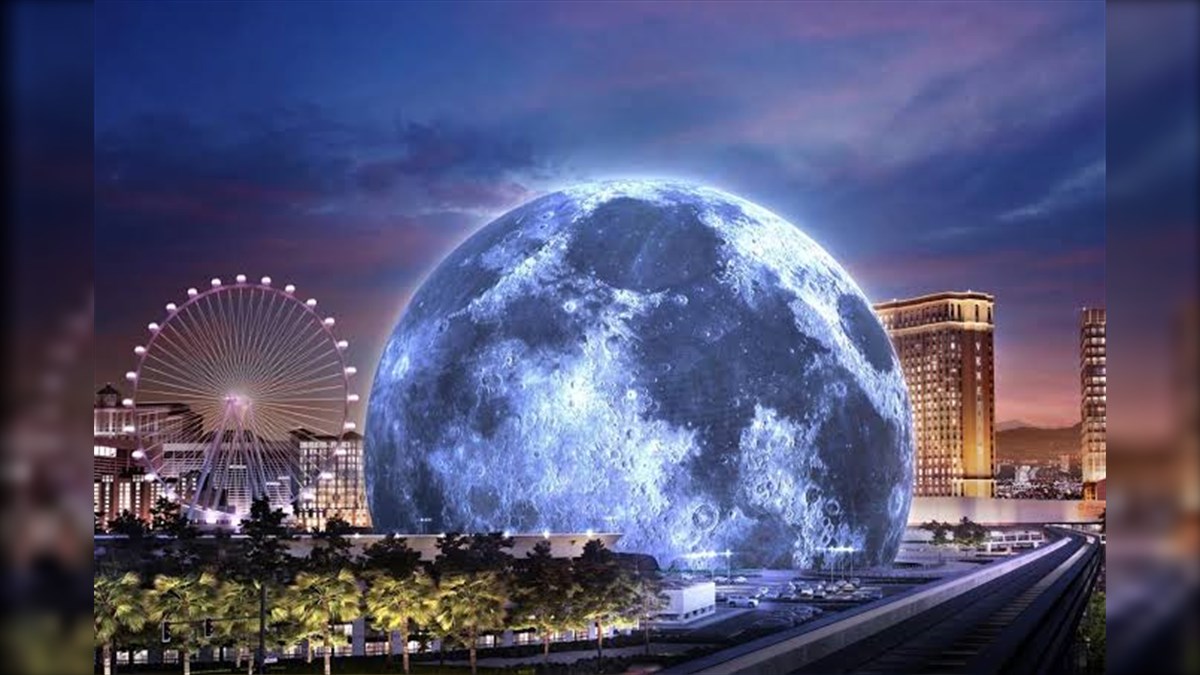
Area: 54,000 m2 | Location: Las Vegas, USA | Type: Spherical exterior LED display
Highlight: Sphere uses approximately 1.2 million LED pucks to turn its entire exterior into a programmable canvas. It can display planets, sports balls, animation, branded content, and live-event visuals across the Las Vegas skyline.
1.2 Resorts World West Tower – Biggest LED Screen Project
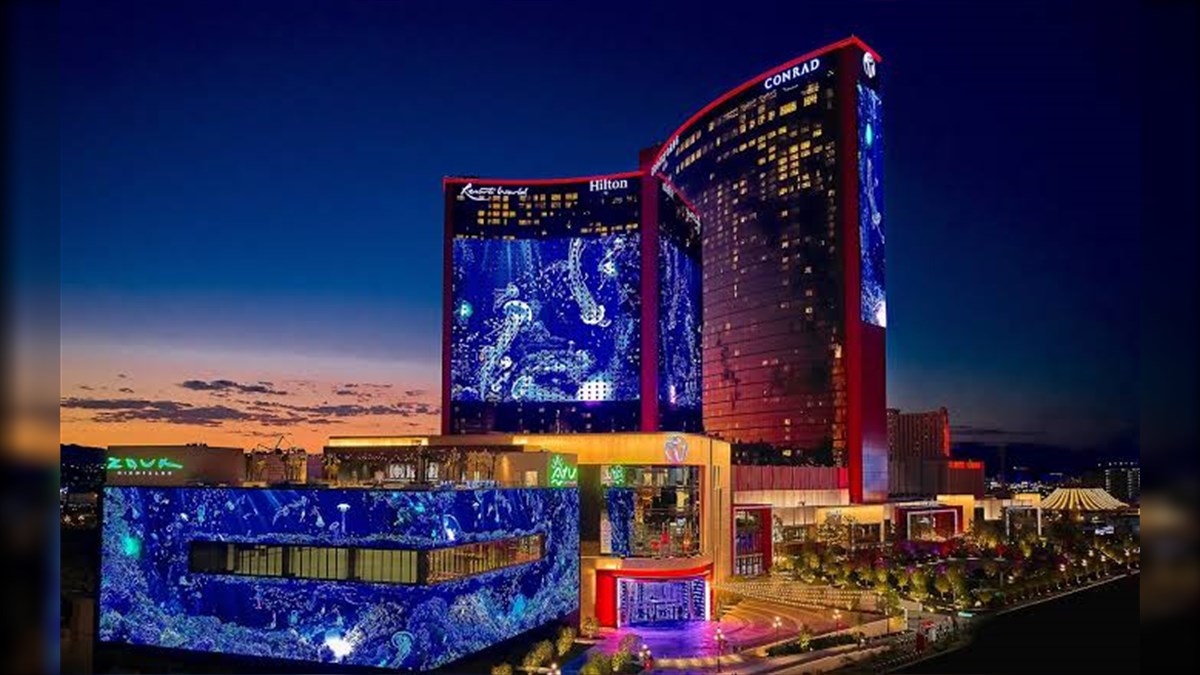
Area: 15,016.5 m2 | Location: Las Vegas, USA | Type: Transparent LED mesh facade
Highlight: A custom transparent LED grid covers much of the hotel tower while preserving airflow and daylight. Its size and elevated position make the display visible from long distances along the Las Vegas Strip.
1.3 Fremont Street Viva Vision – Biggest LED Screen Project
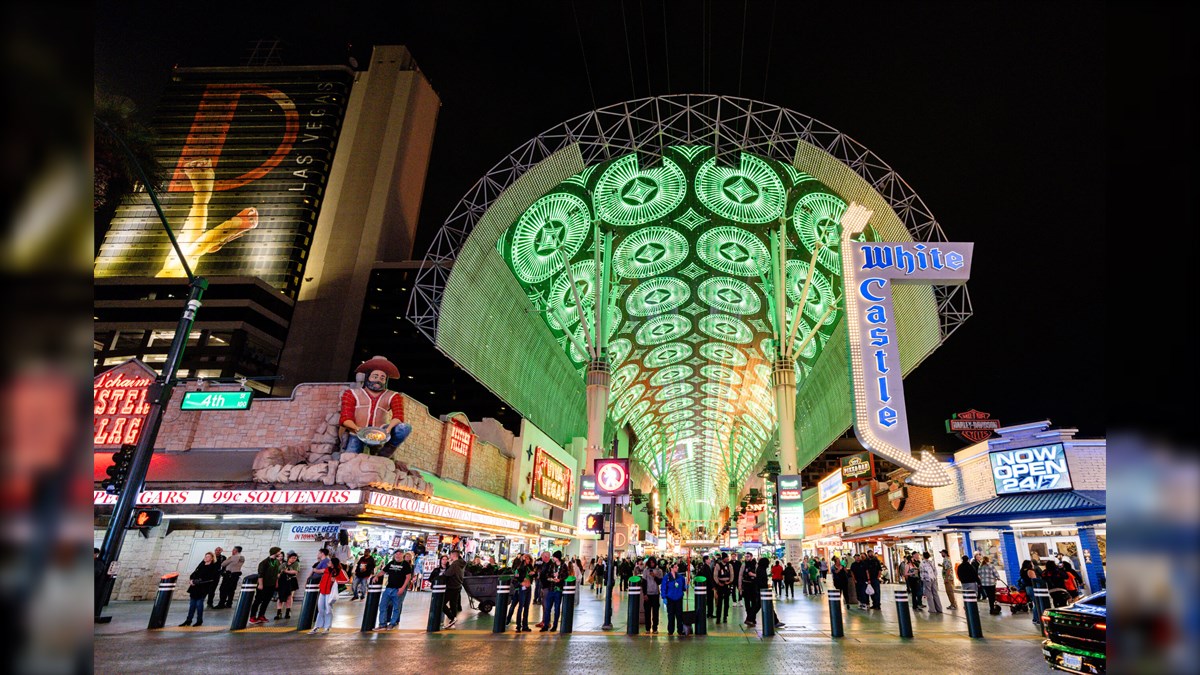
Area: 12,000 m2 | Location: Las Vegas, USA | Type: Overhead LED canopy
Highlight: Viva Vision spans five pedestrian blocks and contains approximately 49 million LEDs. The canopy presents music shows, animation, advertising, and event content during both daytime and nighttime operation.
1.4 Mall Taman Anggrek – Biggest LED Screen Project
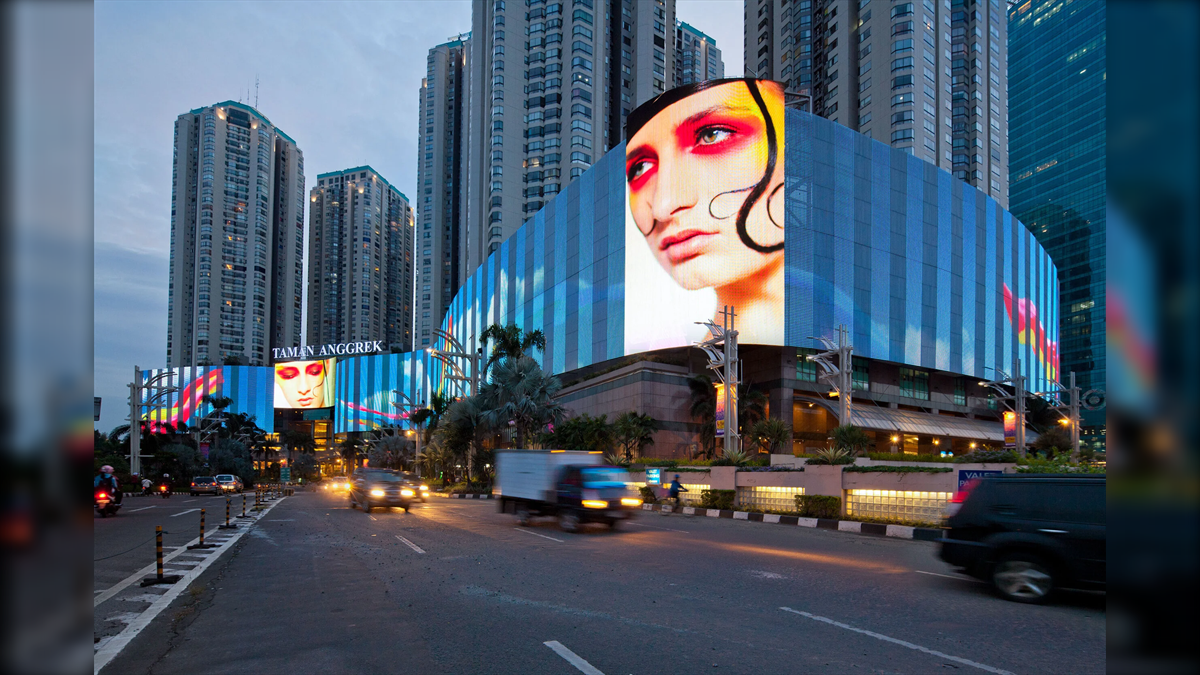
Area: 8,675 m2 | Location: Jakarta, Indonesia | Type: Transparent and conventional LED facade
Highlight: This media facade wraps multiple sections of a major shopping center. Large animations and commercial campaigns turn the mall exterior into a recognizable digital landmark in Jakarta.
1.5 The Place Sky Screen – Biggest LED Screen Project
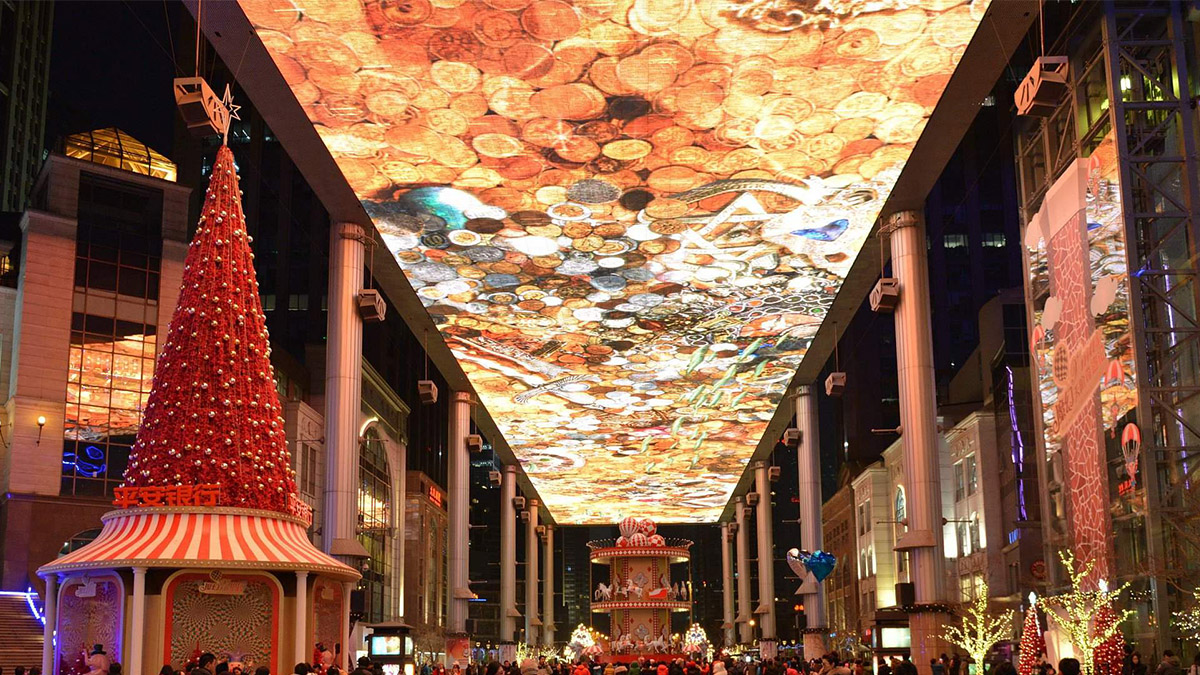
Area: 7,500 m2 | Location: Beijing, China | Type: Transparent LED canopy
Highlight: Measuring 250 x 30 m, The Place creates a digital sky above a pedestrian shopping street. Visitors can watch underwater scenes, animated art, cultural content, and advertising while walking beneath the screen.
1.6 M+ Facade – Biggest LED Screen Project
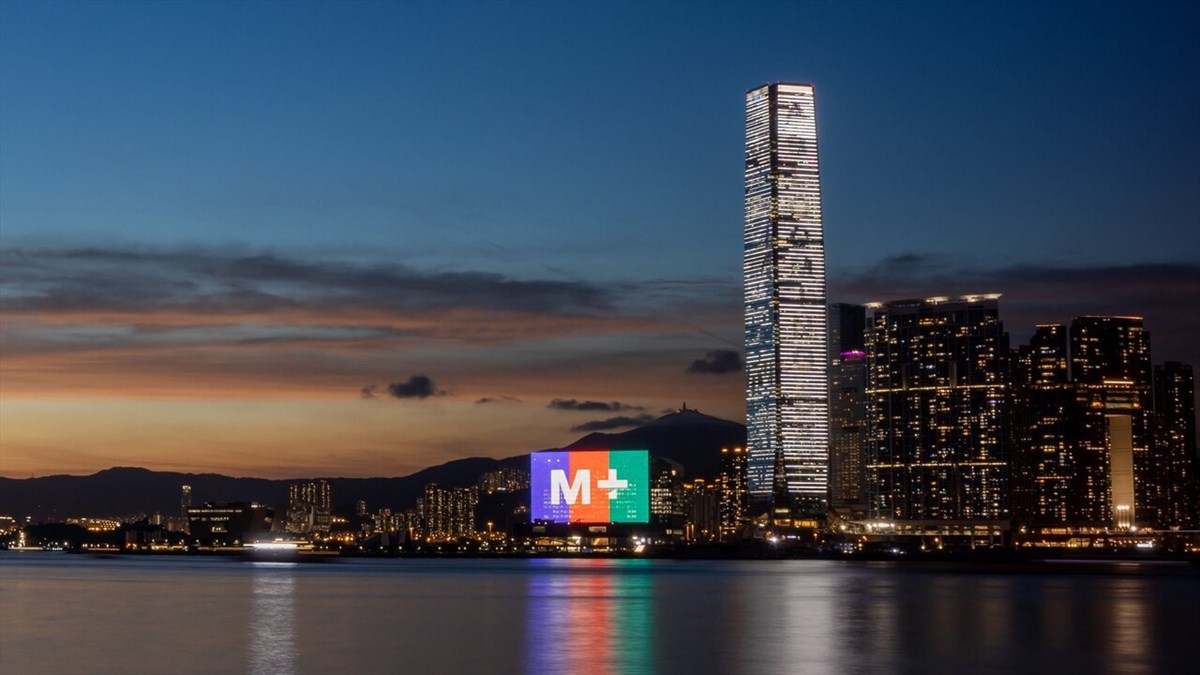
Area: 7,238 m2 | Location: Hong Kong | Type: Building-integrated media facade
Highlight: The 110 x 65.8 m facade faces Victoria Harbour and presents digital art instead of operating mainly as a billboard. It extends the museum’s visual programming into the surrounding city.
1.7 SoFi Stadium Infinity Screen – Biggest LED Screen Project
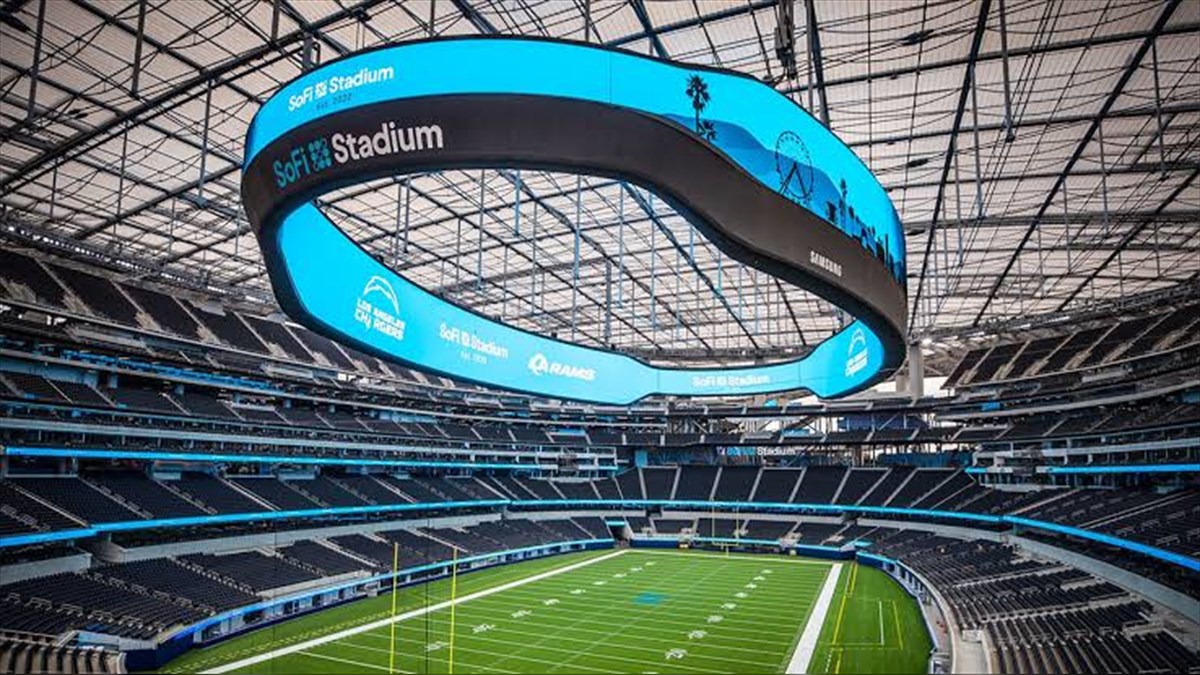
Area: 6,500 m2 | Location: Inglewood, USA | Type: Double-sided 360-degree stadium LED
Highlight: Samsung’s suspended oval display contains approximately 80 million pixels. Its inner and outer faces show live action, replays, scores, player information, and sponsorship to every major seating zone.
1.8 Citigroup Tower Facade – Biggest LED Screen Project
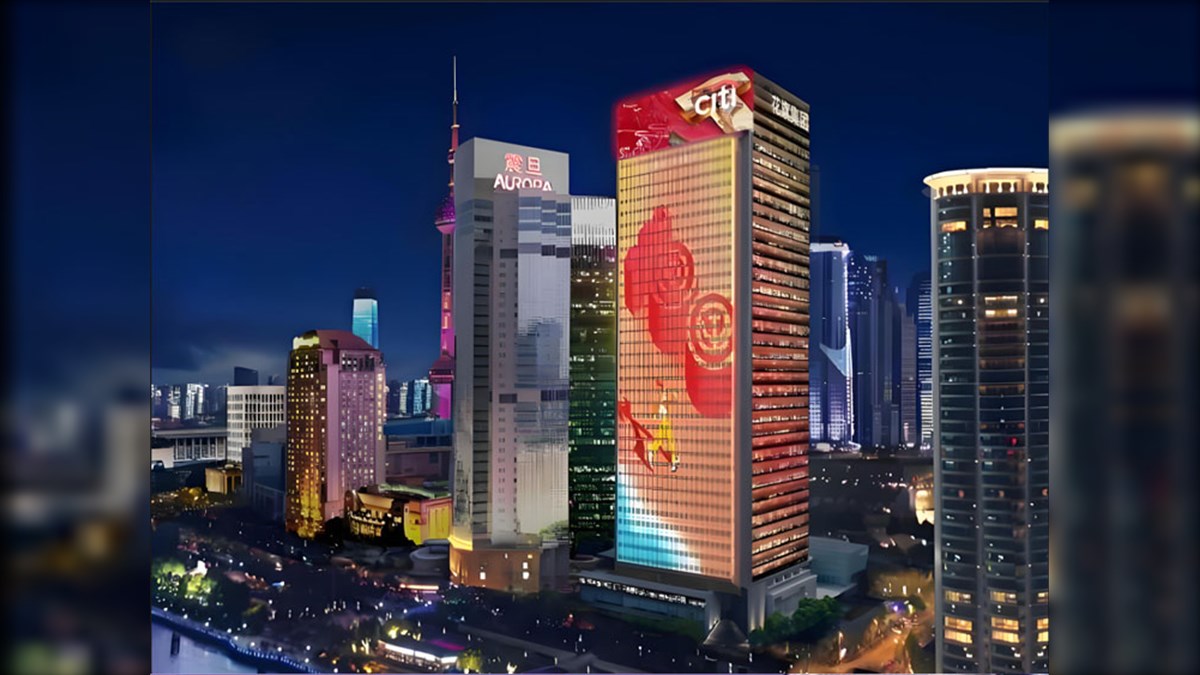
Area: 6,030.7 m2 | Location: Shanghai, China | Type: Transparent LED facade
Highlight: The approximately 140 x 43 m installation turns a corporate tower into a skyline media surface. Its transparent construction maintains the visual character and daylight of the building.
1.9 Arena Ciudad de Mexico – Biggest LED Screen Project
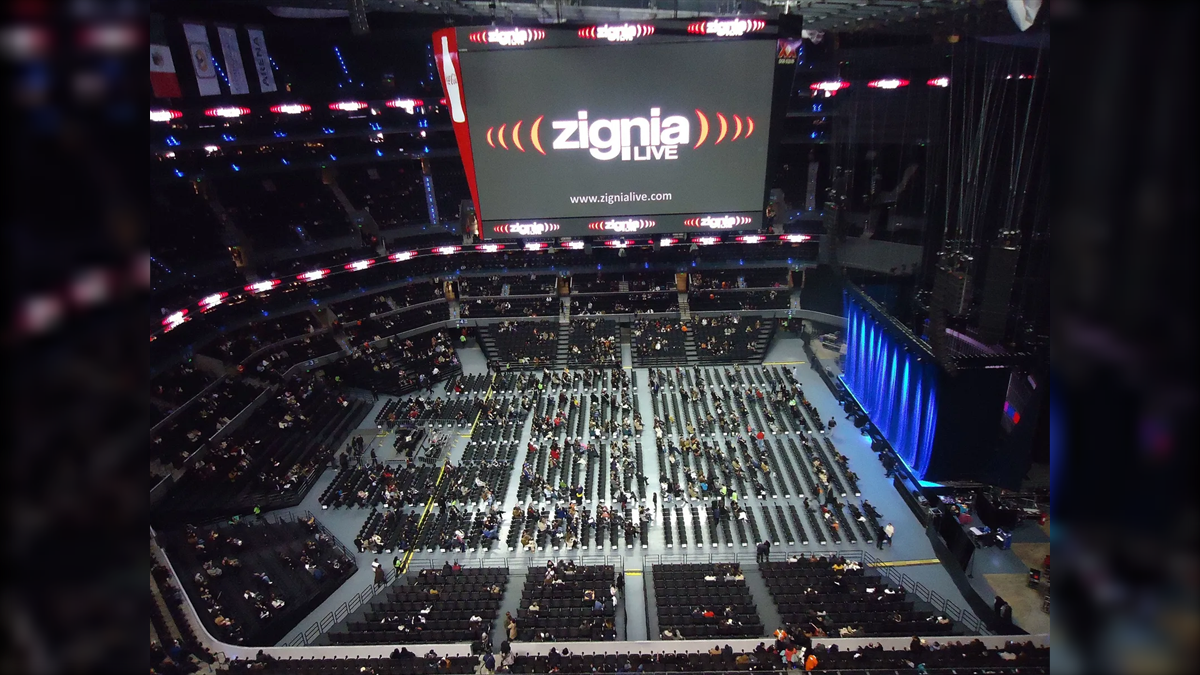
Area: 5,990.8 m2 | Location: Mexico City, Mexico | Type: Transparent LED stick facade
Highlight: LED stick elements wrap the arena exterior with event promotions, advertising, venue branding, and animation. The open structure improves airflow and reduces weight compared with a solid video wall.
1.10 Mercedes-Benz Stadium Halo – Biggest LED Screen Project
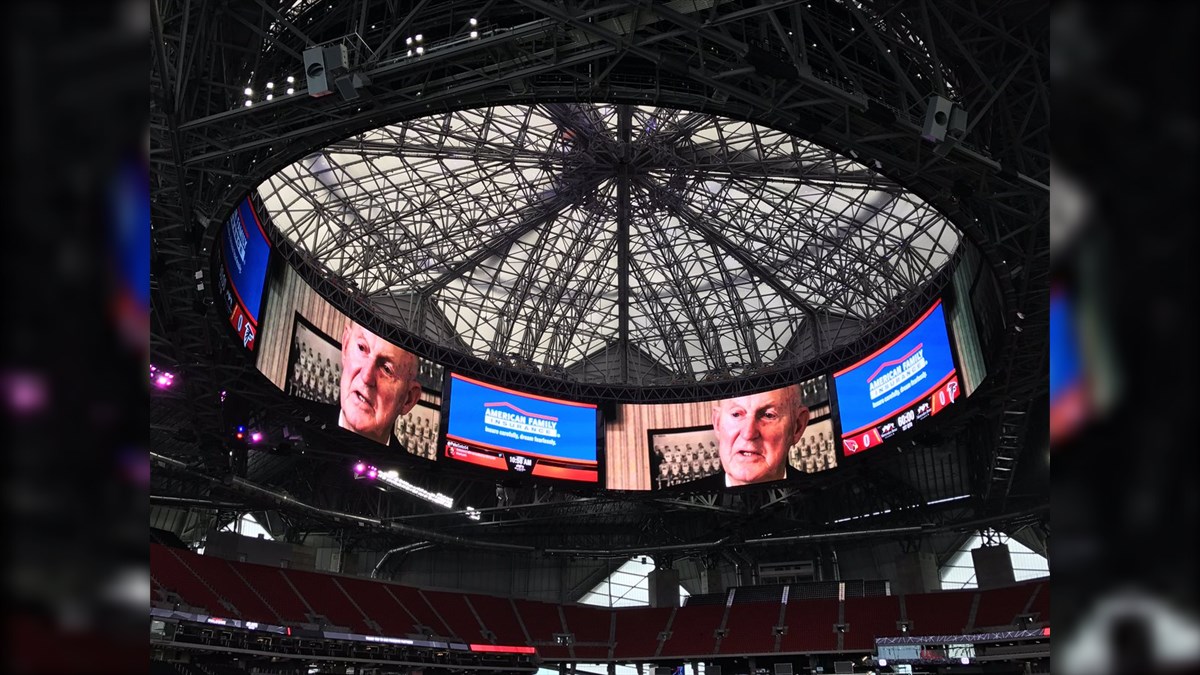
Area: 5,793 m2 | Location: Atlanta, USA | Type: 360-degree indoor LED ring
Highlight: The Halo Board surrounds the stadium’s central roof opening. Its continuous surface keeps live video, statistics, scores, entertainment, and sponsor content visible from all sides of the venue.
1.11 Tauron Arena Media Facade – Biggest LED Screen Project
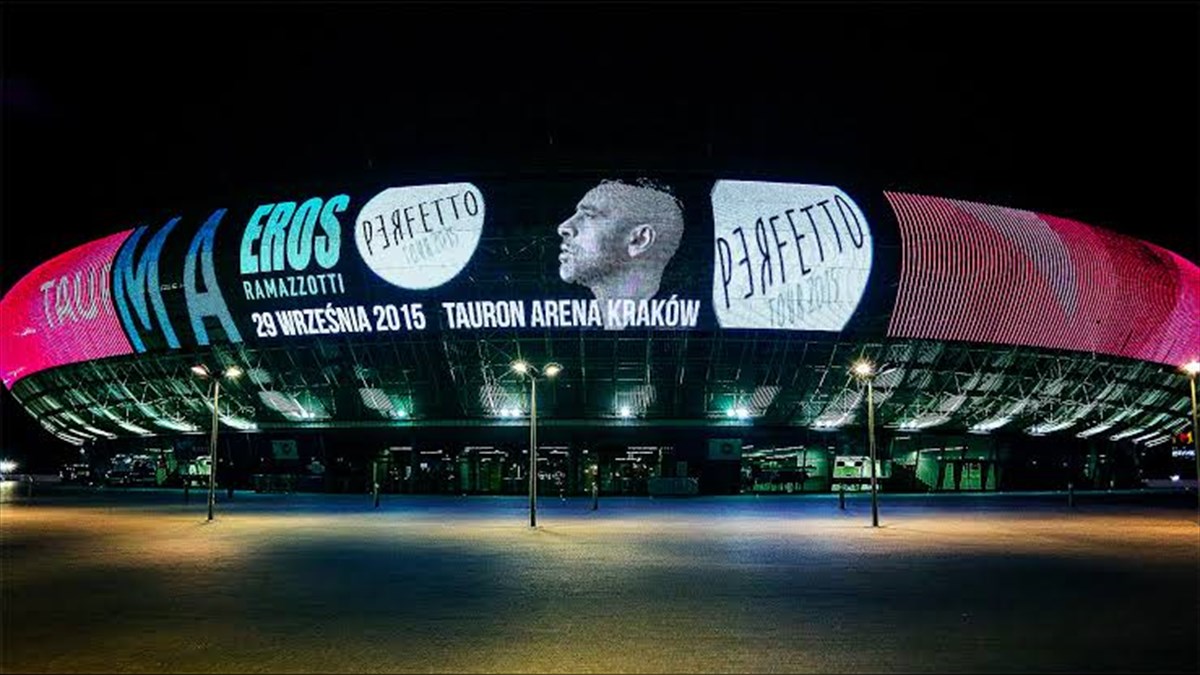
Area: 5,100 m2 | Location: Krakow, Poland | Type: Transparent exterior LED band
Highlight: A long LED band circles the arena and changes the building’s appearance for concerts, sports, exhibitions, and public events. Its shape is well suited to animated patterns and event branding.
1.12 New Century Global Center – Biggest LED Screen Project
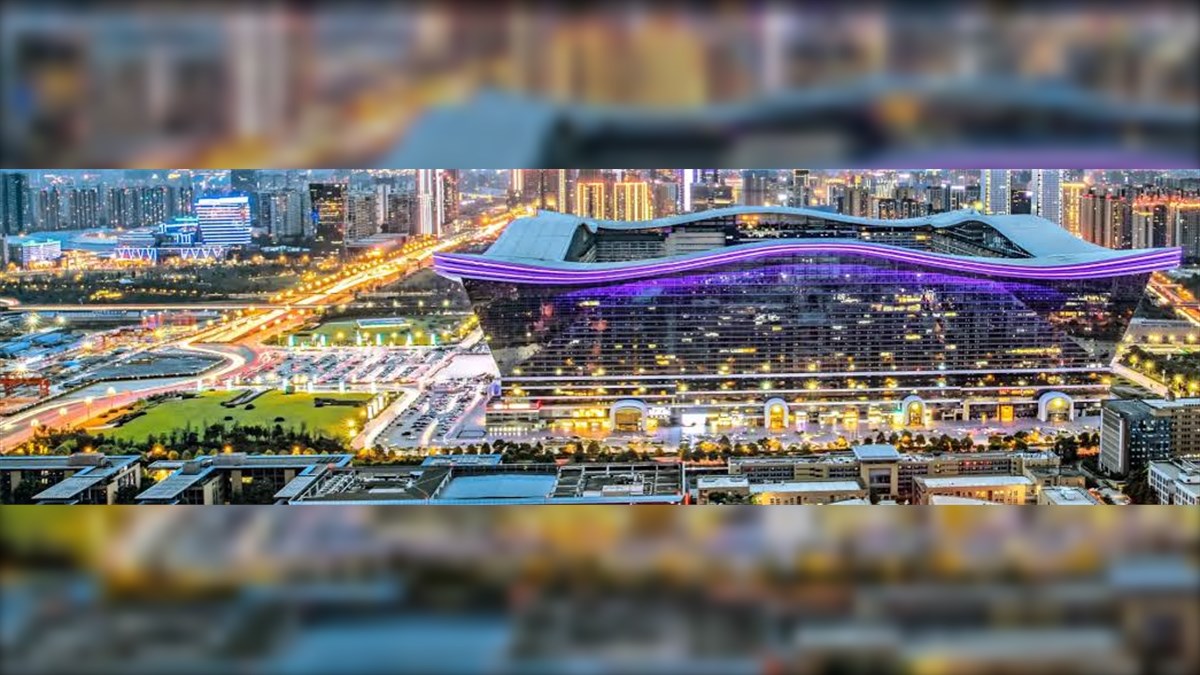
Area: 4,079.9 m2 | Location: Chengdu, China | Type: Transparent UMesh facade
Highlight: The large retail facade displays promotional campaigns and colorful creative content while maintaining airflow and natural light. It adds a programmable visual layer to the massive mixed-use complex.
1.13 Hydroproject Institute – Biggest LED Screen Project
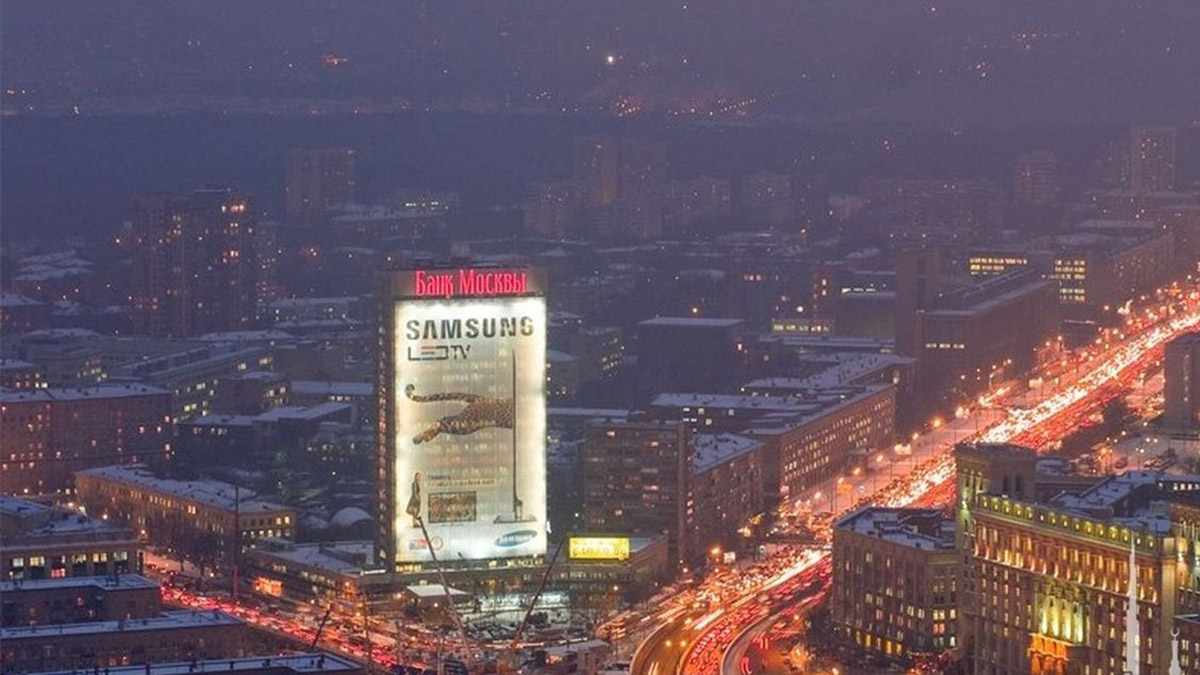
Area: 3,816 m2 | Location: Moscow, Russia | Type: Transparent LED mesh
Highlight: The approximately 48 x 80 m facade is designed for long-distance urban viewing. Its weather-resistant mesh system presents large graphics without fully hiding the architecture behind it.
1.14 Arena Corinthians Facade – Biggest LED Screen Project
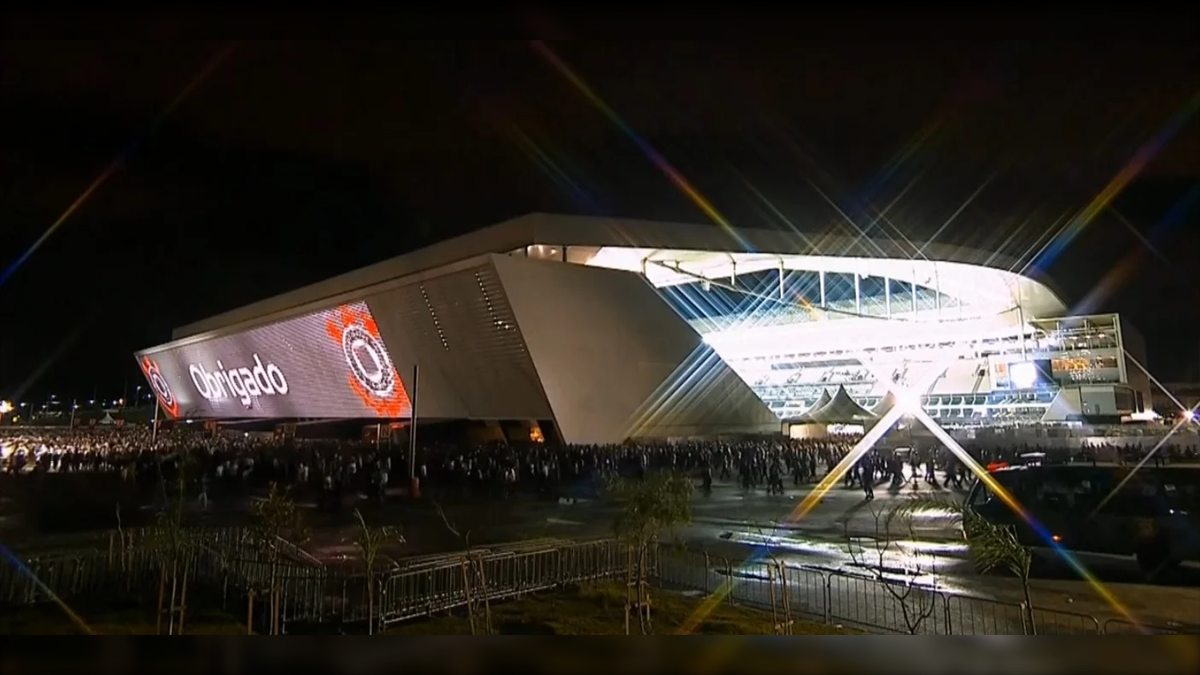
Area: 3,400 m2 | Location: Sao Paulo, Brazil | Type: Outdoor stadium media facade
Highlight: Built for the stadium developed ahead of the 2014 World Cup, the display shows team graphics, sponsor campaigns, event visuals, and entertainment content across the venue exterior.
1.15 Qin Han Tang Emporium – Biggest LED Screen Project
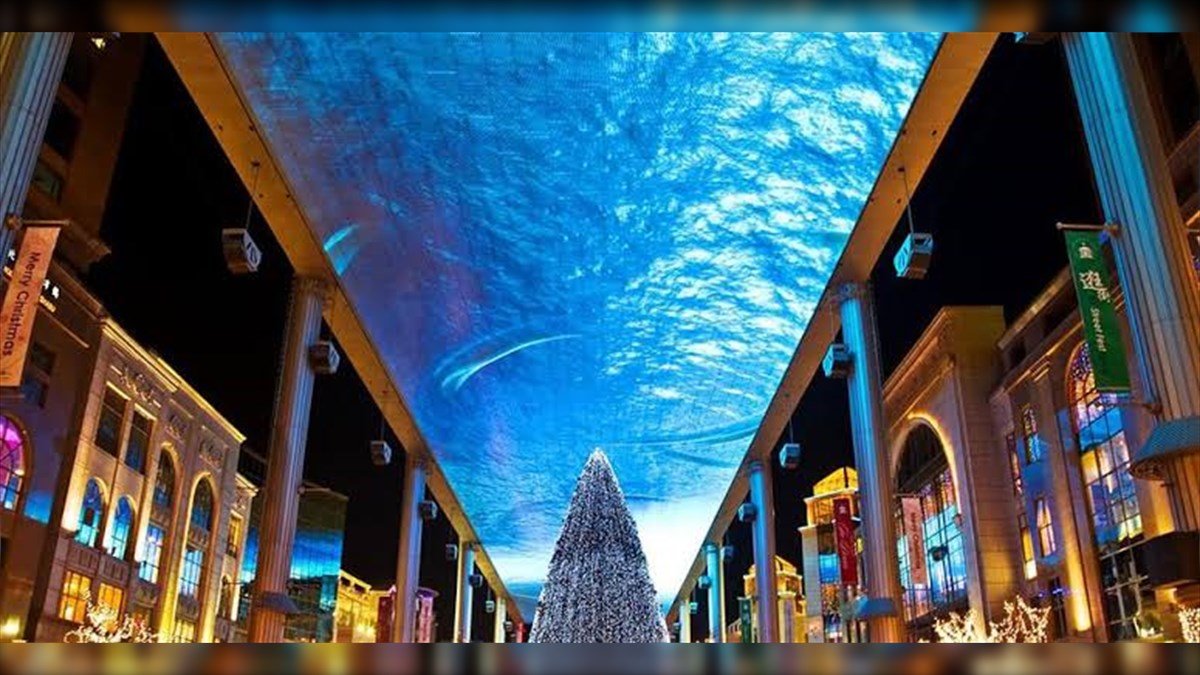
Area: 3,026.4 m2 | Location: Xi’an, China | Type: Indoor high-resolution LED display
Highlight: This large indoor installation creates an immersive retail centerpiece with advertising, cultural visuals, and entertainment content. Its 10 mm-class pitch provides more detail than most distant-view facade screens.
1.16 Hangzhou Asiatic Center – Biggest LED Screen Project
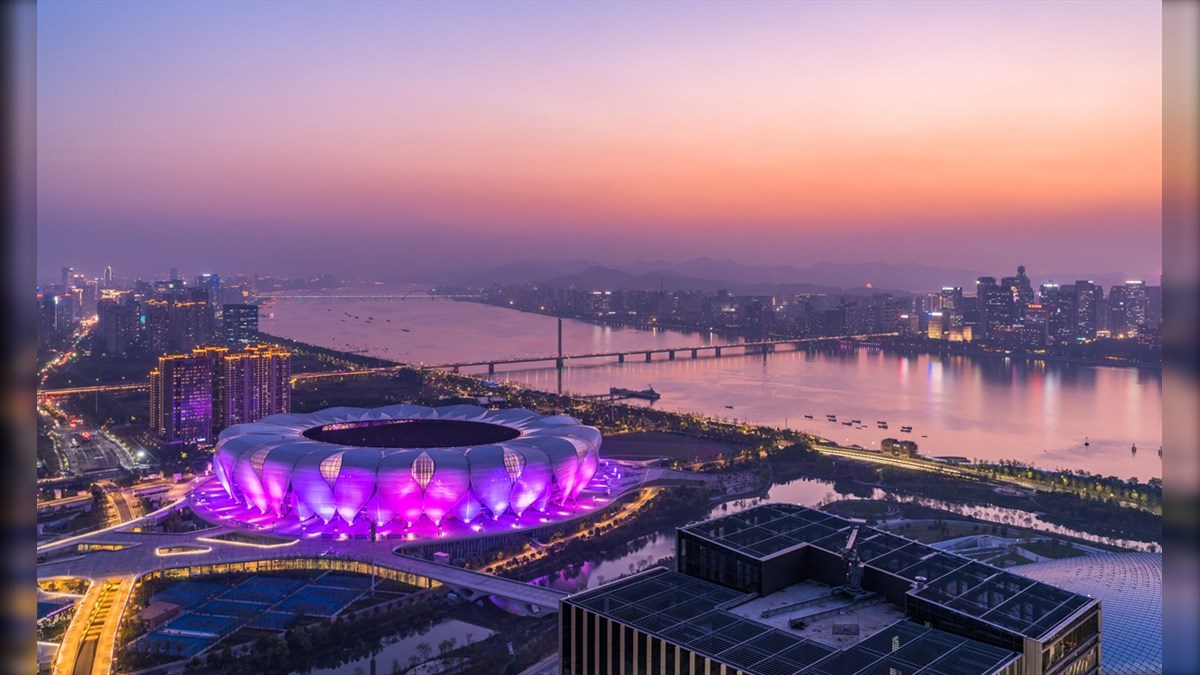
Area: 2,811.3 m2 | Location: Hangzhou, China | Type: Transparent LED stick facade
Highlight: The shopping-center display presents advertising and creative visuals while preserving daylight inside the building. Its open LED stick construction also reduces wind resistance and structural weight.
1.17 Allegiant Stadium Exterior – Biggest LED Screen Project
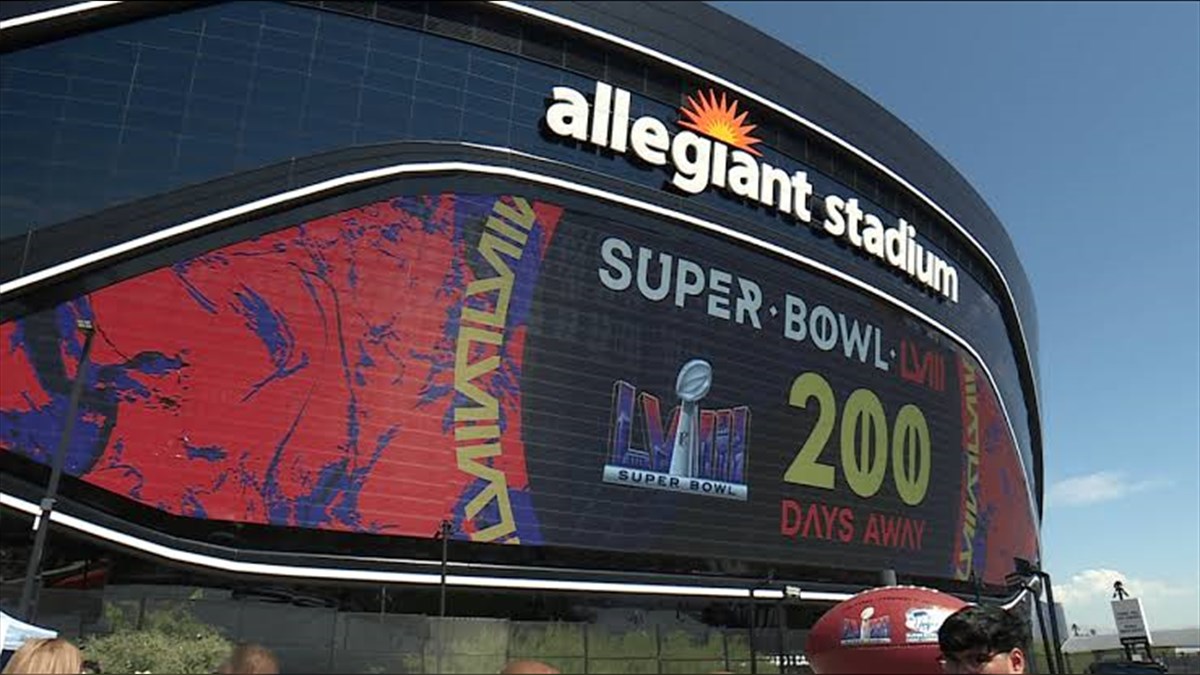
Area: 2,560 m2 | Location: Las Vegas, USA | Type: Exterior transparent LED
Highlight: The south-facing stadium display reaches visitors before they enter the venue. It shows team content, upcoming events, sponsor messages, and entertainment graphics in high-brightness outdoor conditions.
1.18 New York Marriott Marquis – Biggest LED Screen Project
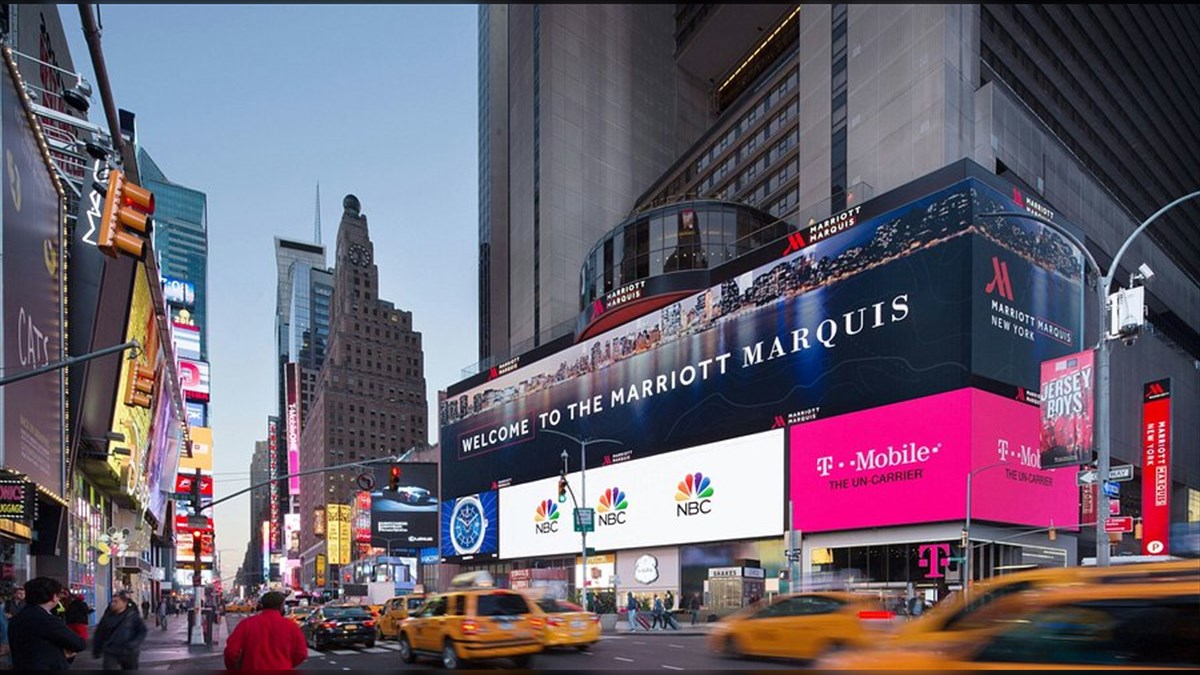
Area: 2,379 m2 | Location: New York City, USA | Type: Conventional high-resolution LED
Highlight: Located in Times Square, the screen provides a premium advertising surface for global brands. Its resolution supports detailed product images, readable campaign text, and large building-scale animation.
1.19 Mizuho PayPay Dome Hawks Vision – Biggest LED Screen Project
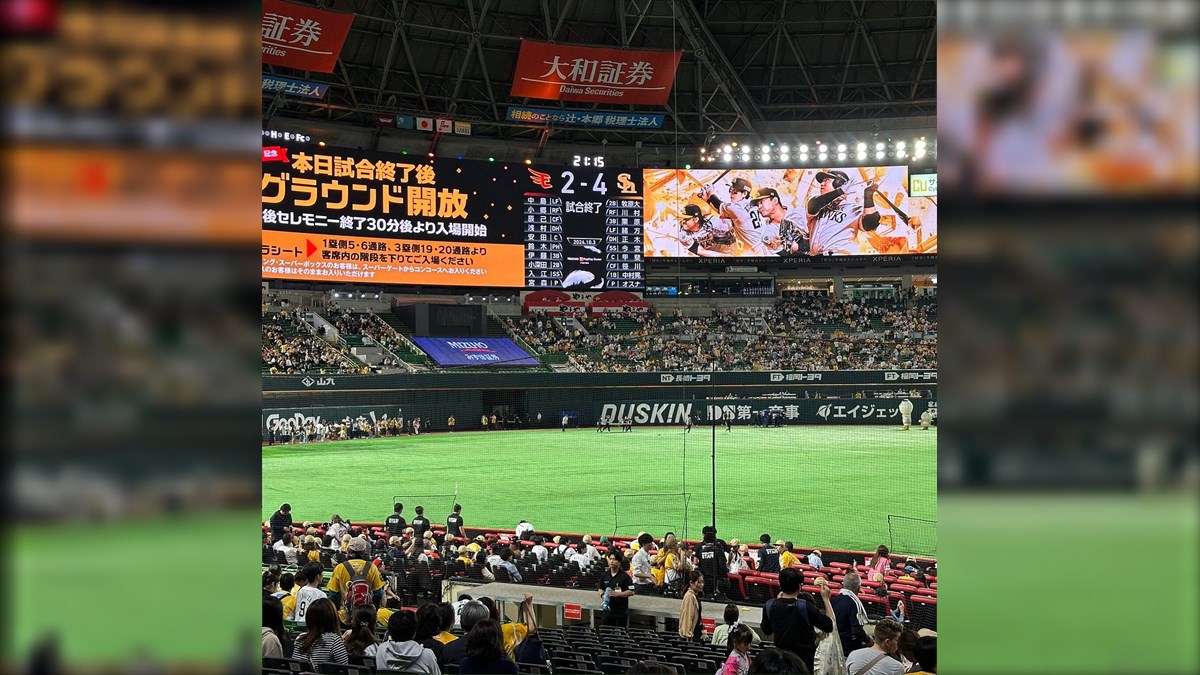
Area: 2,150.1 m2 | Location: Fukuoka, Japan | Type: Indoor stadium LED
Highlight: The panoramic system presents baseball action, statistics, player introductions, replays, sponsor campaigns, and concert visuals. Its extended format provides more creative space than a standard rectangular scoreboard.
1.20 Texas Motor Speedway Big Hoss TV – Biggest LED Screen Project
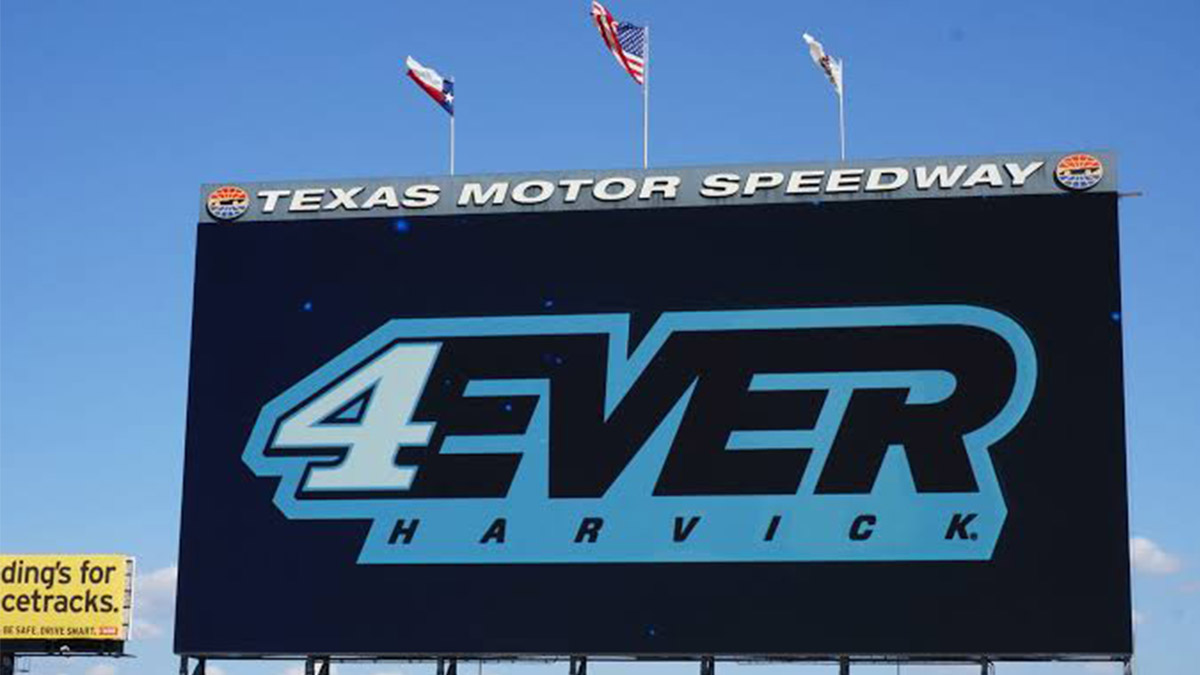
Area: 2,108.2 m2 | Location: Fort Worth, USA | Type: Outdoor motorsport video board
Highlight: Designed for extreme viewing distances, Big Hoss TV helps spectators follow live racing, replays, standings, and announcements across the speedway. Large text and high brightness improve long-distance readability.
1.21 Gillette Stadium Display – Biggest LED Screen Project
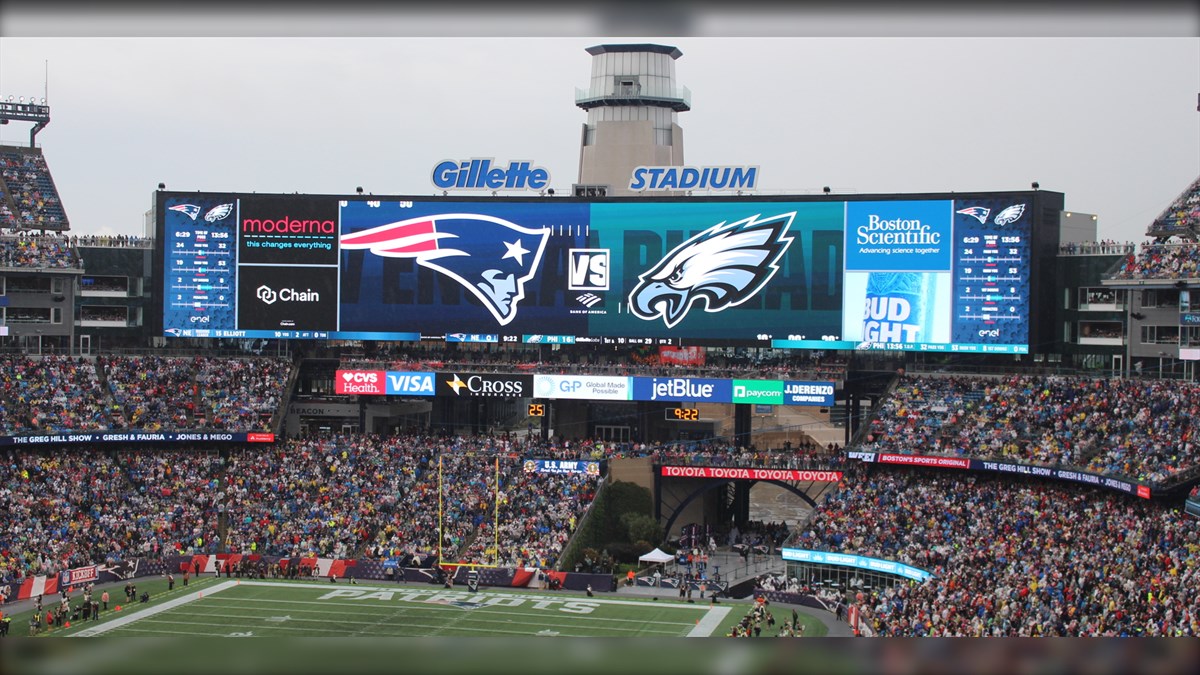
Area: 2,060 m2 | Location: Foxborough, USA | Type: Outdoor stadium LED
Highlight: The approximately 113 x 18 m north end-zone board displays football action, scores, statistics, sponsor content, and concert visuals. Its wide format can combine video and information side by side.
1.22 EverBank Stadium Displays – Biggest LED Screen Project
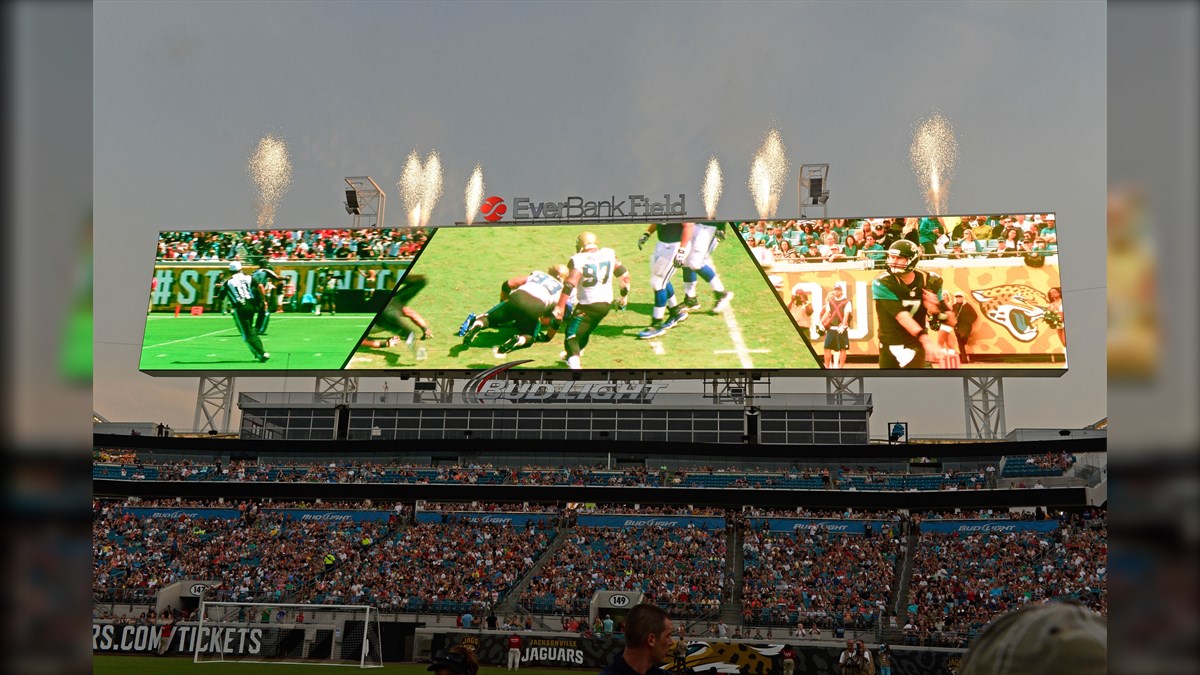
Area: 2,020 m2 combined | Location: Jacksonville, USA | Type: Two outdoor stadium boards
Highlight: Two large end-zone screens provide balanced sightlines for spectators. The published area is a combined project total, covering both displays used for live action, scores, replays, and advertising.
1.23 Palms Casino Resort – Biggest LED Screen Project
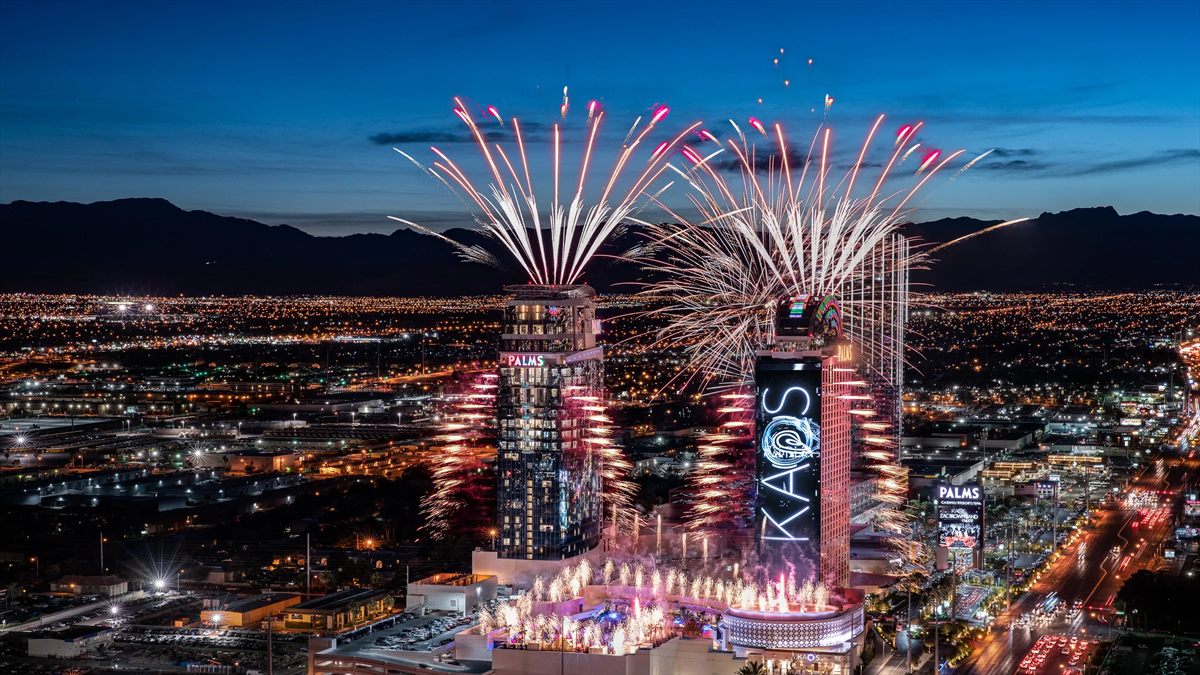
Area: 1,996.3 m2 | Location: Las Vegas, USA | Type: Transparent exterior LED mesh
Highlight: The vertical hotel facade presents animated branding, promotions, and entertainment content. Its transparent mesh construction creates a large visual landmark without covering the tower with solid LED cabinets.
2. Key Features and Technologies
2.1 Modular Construction
LED cabinets, mesh panels, sticks, or individual nodes connect to create almost any size or shape. Modular construction also allows damaged sections to be replaced without removing the complete display.
2.2 Brightness and Weather Protection
Outdoor displays combine high-brightness LEDs with waterproof modules, protected power supplies, ventilation, and corrosion-resistant structures. Automatic brightness control keeps content visible by day and reduces glare at night.
2.3 Processing and Control
Video processors divide content across millions of pixels while synchronizing every section. Large projects also use color calibration, backup power and data paths, remote monitoring, and scheduled content playback.
2.4 Custom Shapes
Sphere, stadium rings, canopies, and curved displays are built around custom pixel maps. Their content must be created for the actual shape rather than stretched from ordinary 16:9 video.
3. Types of Large LED Displays
3.1 Traditional LED Display
Solid LED cabinets provide strong contrast and detailed images. They are commonly used for stadium videoboards, Times Square billboards, concerts, indoor retail, and other locations where transparency is unnecessary.
3.2 Transparent LED Display
Mesh, stick, or spaced-node systems allow light and air to pass through. They are ideal for building facades, glass walls, hotels, shopping centers, and projects where weight or wind load is important.
3.3 Curved and Canopy Displays
Flexible or custom cabinets can form rings, waves, cylinders, and spheres. LED canopies create immersive overhead environments in pedestrian streets, plazas, and large atriums.
4. Applications and Benefits
4.1 Stadiums and Events
A Big LED Screen can show live action, replays, scores, player data, stage visuals, and sponsorship. Large dimensions keep content visible to spectators far from the field or stage.
4.2 Buildings and Retail
Transparent displays turn hotels, malls, museums, and office towers into digital landmarks while preserving light and ventilation. Retail screens support product launches, seasonal campaigns, and digital art.
4.3 Advertising and Tourism
A Giant LED Screen can run multiple advertising campaigns and become an attraction itself. Sphere, Fremont Street, and The Place generate additional visibility through visitor photos and social sharing.
4.4 Venue Branding
Signature displays make venues easier to recognize and create new sponsorship inventory. The SoFi Infinity Screen, Mercedes-Benz Halo Board, and M+ Facade are closely associated with their buildings.
5. What Makes a Giant LED Screen Expensive?
5.1 Size and Resolution
More screen area requires more modules, structure, power, cabling, processors, and installation labor. A smaller pixel pitch adds more LEDs per square metre and increases image detail as well as cost.
5.2 Outdoor and Custom Engineering
Weatherproofing, high brightness, wind resistance, curved modules, transparent structures, and building integration increase project complexity. Spherical or ring-shaped displays cannot be priced like standard rectangular screens.
5.3 Installation and Maintenance
The complete budget should include engineering, access equipment, electrical work, calibration, spare parts, cleaning, and service. The lowest LED module price does not always produce the lowest lifetime cost.
6. Main Project Challenges
6.1 Structure and Access
The support system must handle screen weight, wind, vibration, and local weather. Technicians also need safe access to modules, power supplies, cables, and control equipment.
6.2 Image Consistency
Thousands of modules must appear as one surface. Calibration corrects brightness and color differences between production batches and replacement modules.
6.3 Power and Content
Efficient power supplies, scheduled operating hours, and automatic brightness control reduce energy use. Custom-shaped screens also need original content designed for their exact pixel maps.
7. Frequently Asked Questions
7.1 What Is the Biggest LED Screen in the World?
According to Sphere Entertainment, the Biggest LED Screen is the Sphere Exosphere in Las Vegas, with approximately 54,000 m2 (580,000 ft2) of programmable exterior LED surface.
7.2 What Is the Biggest Stadium LED Screen?
SoFi Stadium’s Infinity Screen leads the stadium projects in this ranking with approximately 6,500 m2 (70,000 ft2) of double-sided digital LED.
7.3 What Is the Largest LED Canopy?
Fremont Street’s Viva Vision covers approximately 12,000 m2 and extends across five city blocks. The Place in Beijing is another major canopy at 250 x 30 m.
7.4 Are Transparent LED Screens Suitable for Buildings?
Yes. Transparent mesh and LED stick systems preserve daylight and airflow while reducing structural weight and wind resistance compared with a solid wall.
7.5 How Do You Choose Pixel Pitch?
Choose pixel pitch according to viewing distance. Close-view retail screens need a finer pitch, while stadium and facade displays can use a larger pitch because viewers are farther away.
8. Conclusion
Sphere remains the Biggest LED Screen in the world in 2026, followed by Resorts World and Fremont Street. However, the projects in this ranking show that size is only one part of a successful installation. Stadiums need clear sightlines, building facades need lightweight and weather-resistant systems, and retail projects need strong image quality at shorter distances. Before choosing a large LED display, define the viewing distance, brightness, pixel pitch, structural limits, content format, maintenance access, and operating budget. The best solution is the screen that fits its location and audience while remaining reliable and practical to operate over the long term.