

Ever walked past a storefront and done a double take because a video was somehow floating on the glass? Not behind it. Not projected onto it. Just, there?
Yeah, it’s weirdly cool.
And no, it’s not a magic trick, it’s an LED film screen. One of the smartest, cleanest, and most future-ready ways brands are turning plain glass into high-impact digital signage.
Unlike bulky LED display screens that need steel frames, wall mounts, or major construction, the LED film screen is ultra-thin, lightweight, and ridiculously easy to install. You literally stick it onto the glass, plug it in, and boom, crisp visuals right on the surface. When it’s off, it vanishes. No bulky frame. No weird tint. Just clean transparency.
This is why so many businesses, from luxury retail to smart offices, are moving away from traditional LED screen panels and adopting transparent LED technology. Whether you’re trying to wow customers in a showroom or modernize a building’s glass facade, a transparent LED screen adds digital flair without clutter.
In this guide, we’ll break down:
Table of Contents
1.What Is an LED Film Screen?
Let’s start with the basics.
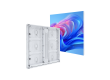
An LED film screen is a transparent, flexible layer embedded with micro-LEDs that can be applied directly onto glass. When it’s powered on, it transforms the glass into a screen capable of showing full-color videos, graphics, and dynamic content. When switched off? It disappears into the background, just clean glass again.
That’s what makes the LED film screen so powerful: it’s there when you need it and invisible when you don’t.
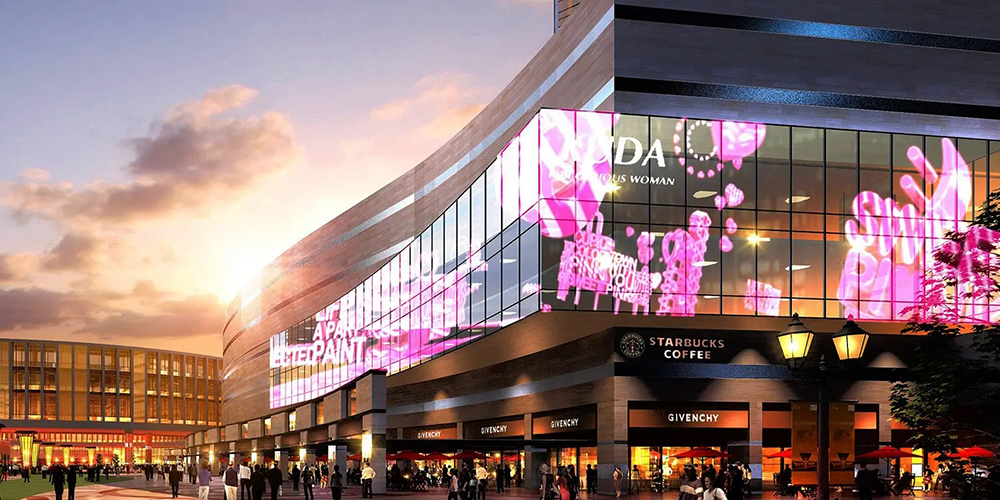
Unlike traditional LED screen panels, which are bulky, heavy, and built for fixed wall installations, this solution is lightweight and barely thicker than a sheet of paper. You can apply it to shop windows, glass conference rooms, curved facades, pretty much any flat or semi-flat surface. There’s no need to mount massive LED display screens or build extra structural support.
The film itself is embedded with thousands of tiny diodes spaced just far enough apart to allow natural light to pass through, yet close enough to form sharp, high-resolution visuals. That balance between image quality and transparency is what sets the transparent LED screen category apart, and the LED film screen is the most advanced, most versatile version in that category.
In short: it’s a flexible LED display that doesn’t just fit your space, it enhances it.
2.How LED Film Screens Work
At first glance, it’s hard to believe something this thin can act like a full digital display. But the way an LED film screen works is actually pretty clever.
The transparent film contains a precise grid of micro-LEDs, microscopic light-emitting diodes, embedded in layers so thin, they’re nearly invisible until powered on. These diodes are responsible for generating the visuals you see: videos, brand messages, real-time updates, or interactive content.
What’s important is how it’s designed. The diodes are spaced to maintain a high transparency rate, typically between 60% and 90%. That means when the LED display screen isn’t active, light passes right through it, leaving the glass clear. This is what makes it a standout in the transparent LED screen category.
Stick It On and Start Displaying
Most LED film screens are self-adhesive and come ready to install. Just clean the glass, align the film, and stick it on. No drilling, no framing, and no damage to the surface.
After installation, the film connects to a compact processor, your content control hub. This device allows you to upload media, schedule playback, adjust brightness, and even control multiple LED film screen sections remotely.
It’s plug-and-play signage, but with the polish of high-end LED screen panels, and none of the hassle.
Curved Surfaces? Odd Angles? No Problem.
Thanks to its flexible structure, the LED film screen bends and wraps around surfaces that rigid LED display screens simply can’t. Curved retail windows, rounded corner offices, custom glass partitions, all fair game.
This flexibility is exactly why architects and designers love using flexible LED displays in modern construction. Whether it’s a futuristic hotel lobby or a product display wall, the screen adapts to your vision, not the other way around.
Emergency Communication & Public Utility
In regions prone to extreme weather or public events, the largest LED screens also function as emergency information platforms, delivering instructions, updates, and alerts visible from far distances.
Cooler, Cleaner, and Way More Efficient
Another huge benefit? Low power usage and minimal heat.
Unlike traditional LED screen panels, which often require active cooling or ventilation systems, an LED film screen stays cool to the touch, even with extended use. This is perfect for indoor environments like malls, museums, galleries, or airports, where 24/7 displays can otherwise strain HVAC systems.
Energy savings aren’t just theoretical, users routinely report lower electricity bills compared to other LED screen wall setups, especially in commercial spaces with long operating hours.
3.Key Advantages of LED Film Screens
So why are brands switching from traditional displays to LED film screens? Because they solve design and marketing problems in one go, without the bulk, without the mess, and without ruining your architecture.
Let’s break down what makes the LED film screen such a standout in today’s display market.
3.1 Practically Invisible (When You Want It to Be)
When powered off, the LED film screen blends right into the glass. It doesn’t leave a shadow. It doesn’t add a dark tint. There’s no ugly frame reminding you it’s a piece of tech. What you’re left with is exactly what you started with, clear, open glass.
Compare that with typical LED screen panels, which are permanently mounted, framed in metal, and visually heavy, even when turned off. The LED film screen keeps your space clean, minimal, and premium.
3.2 It Doesn’t Block the View
The whole point of a transparent LED screen is to show content without blocking out the world. With LED film screens, you get crisp visuals that are visible from both sides, without sacrificing natural light or visibility.
Whether it’s a storefront window, an airport terminal, or a boardroom glass wall, this format lets you deliver your message without closing off the space.
3.3 Lightweight and Low-Profile
Traditional LED display screens can weigh hundreds of pounds. They require supports, anchors, and sometimes even wall reinforcement, especially in older buildings.
An LED film screen is featherlight by comparison. There’s no need for extra structure. Just peel, stick, and power it. That also makes it ideal for glass that wasn’t designed to carry weight, like windows, partitions, or even temporary installs.
3.4 Flexible, Customizable, and Creative
Need something that wraps around a pillar? Follows a curved window? Covers a multi-panel glass wall? No problem.
This is a flexible LED display, meaning you can shape it to fit your space, not the other way around. You can even cut the film to custom sizes or layer it creatively for bold, architectural effects.
You’re not locked into rectangles anymore. You’re designing with digital motion, and the screen will follow your vision.
3.5 Faster, Easier Installation
Compared to installing traditional LED screen panels, which can take days or even weeks, an LED film screen is a dream.
There’s no mounting, framing, or complex wiring. Just clean the glass, align the film, and power up. In some cases, a team can install a full glass wall of film screens in just a few hours.
That means faster rollouts, lower labor costs, and less disruption to your space.
3.6 Lower Energy Costs Over Time
An LED film screen draws less power and runs cooler than traditional displays. If you’re running content 10–12 hours a day in a retail store or hotel lobby, that matters, a lot.
It’s a smart investment not just in visuals, but in sustainability and long-term energy efficiency. Businesses using transparent LED screens like these often report measurable drops in utility costs.
4.Top Applications of LED Film Screens
Now that we’ve looked at what a LED film screen can do, let’s explore where it’s actually being used. From luxury retail spaces to public transport hubs, this transparent LED screen format is showing up in more places than you might expect, and with good reason.
4.1 Retail Stores & Shopping Centers
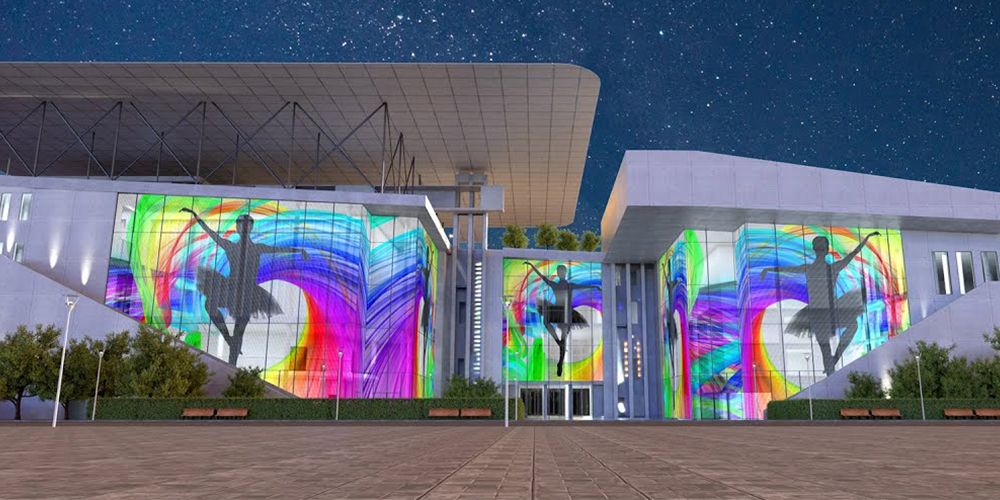
Retailers live and die by first impressions. A LED film screen turns plain storefront glass into an interactive, high-visibility branding space.
- Showcase promotions, product launches, or dynamic visuals
- Retain visibility into store interiors and window displays
- Add motion to seasonal campaigns without blocking natural light
Thanks to the flexibility and transparency of this format, retailers can now use the full surface of their windows without sacrificing architectural design.
4.2 Automotive Showrooms
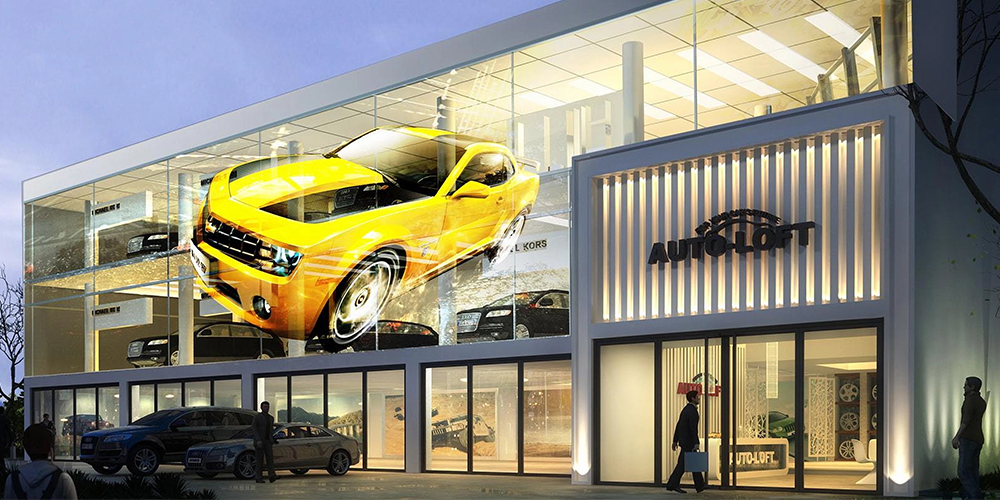
Modern dealerships are 50% showroom, 50% branding platform. With a flexible LED display, your window becomes a screen without hiding the vehicles inside.
- Animate car features like horsepower or hybrid tech
- Display real-time financing offers and branded promos
- Extend across curved or multi-pane glass surfaces
The LED film screen makes high-end showrooms feel even more advanced, without compromising the open, glass-first layout.
4.3 Airports & Transit Hubs
Space is limited. Messaging is essential. A transparent LED screen lets you show information on the glass itself, no bulky monitors, no visual noise.
- Display flight schedules, safety tips, or public service info
- Monetize ad space in terminals, walkways, or gates
- Preserve natural light and visibility in crowded areas
The ability to add content directly to windows or glass barriers without blocking views is a game-changer for high-traffic locations.
4.4 Corporate Offices & High-Rise Buildings
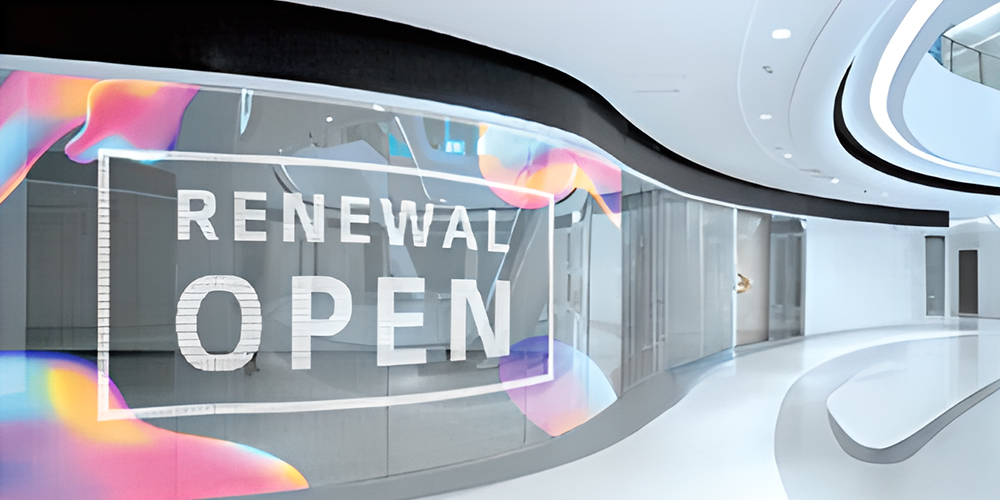
In corporate settings, the LED film screen brings high-impact visuals to modern glass interiors without ruining the clean aesthetic.
- Show company messages, live KPIs, or visitor greetings
- Reinforce branding in lobbies and conference rooms
- Use glass partitions as smart content zones
Because it’s lightweight and low-profile, this solution avoids the bulk of traditional LED screen panels, yet still delivers sleek functionality.
4.5 Museums, Events & Exhibitions
In the world of storytelling, visual experience is everything. A LED film screen adds motion and interaction to glass surfaces, all without affecting visibility or space layout.
- Display historical timelines or animated facts directly on glass
- Create immersive overlays without dimming ambient light
- Easily remove or update content between exhibits
These temporary, high-efficiency LED display screens are perfect for curators who need flexibility without compromising aesthetics.
5.How It Compares to Other Display Technologies
Still weighing your options? Here’s how the LED film screen stacks up against other display technologies.
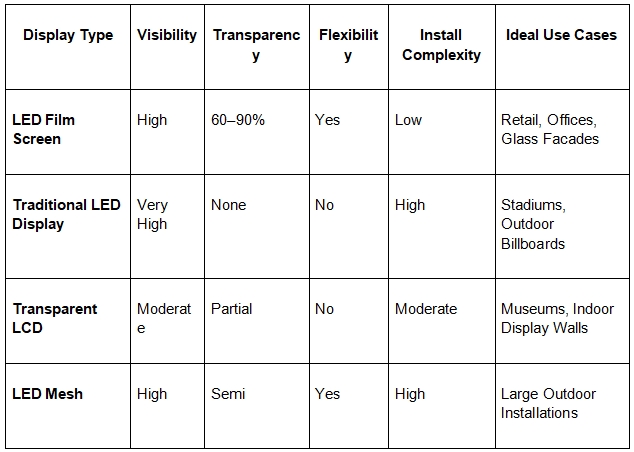
Key Takeaways:
- A LED film screen is the best choice when transparency and visual integration with architecture matter.
- LED display screens (like wall panels) offer brightness but dominate the space and require more infrastructure.
- Transparent LED screens provide a nice balance, but LED film delivers the most subtle, integrated experience.
- For curved, non-traditional surfaces, only a flexible LED display like LED film gives full design freedom.
6.Cost Considerations and ROI
Let’s talk money, because as slick as LED film screens look, you probably want to know what kind of investment you’re actually looking at.
The truth? A LED film screen looks expensive, because it kind of is. But here’s the good news: thanks to growing supply and competition, especially from Asia, the price tag is more manageable than most people think.
6.1 What Affects the Cost?
There’s no one-size-fits-all number, but here’s what influences how much you’ll spend:
- Screen size– Larger LED film screens naturally cost more. A small product display won’t be priced like a full glass wall installation.
- Pixel pitch and resolution– A tighter pitch means sharper visuals, but it comes at a premium.
- Brightness & transparency level– Higher brightness (for daylight visibility) and transparency (60–90%) can increase pricing.
- Installation complexity– Multi-pane, curved glass, or floor-to-ceiling setups take more time and prep.
- Content system & control– Every LED display screen needs a processor, content software, and remote access features.
6.2 Is It Worth It?
This is where LED film screens shine.
- You get high-impact visuals with none of the bulk or structural needs of traditional LED screen panels.
- Installation is faster, cleaner, and often cheaper in labor.
- Power consumption is lower, and the screens emit less heat, great for HVAC savings.
- You’re not blocking glass, and you’re not drilling holes into walls.
6.3 Long-Term ROI
If you’re thinking of a LED film screen as a one-time expense, think bigger. This is a reusable, dynamic branding tool.
- Retailerssee increased foot traffic from animated storefront glass displays.
- Corporate officesuse them to share internal updates, KPIs, or welcome screens, on glass partitions or lobby walls.
- Event venuesreuse the same flexible LED display over multiple shows by simply swapping out the content.
Compared to one-off lightboxes, posters, or aging digital displays, LED film screens are low-maintenance, long-lasting, and impressively versatile.
7.Why Choose the EagerLED LED Film Screen?
When it comes to sourcing the right LED film screen, choosing the right supplier is everything. And that’s where EagerLED delivers.
Here’s what sets them apart:
- Proven Track Record
From global trade shows to boutique retail stores, EagerLED has delivered high-quality LED display screen solutions across industries.
- Tailored Designs
Every installation is customized to your surface, whether it’s a massive glass wall or a uniquely shaped flexible LED display layout.
- Worldwide Logistics & Support
Whether you’re in Shanghai, Sydney, or San Francisco, EagerLED ships and supports their tech globally.
- Hands-On Customer Support
Their team helps with content systems, installation prep, and post-launch troubleshooting, no call center runaround.
- Latest Technology
EagerLED’s inventory includes the most advanced transparent LED screen and LED screen panels, including ultra-thin, energy-saving models.
In short: if you’re serious about bringing your digital signage into the modern age, EagerLED is the kind of partner that gets the job done right.
8.Global Market Outlook
Here’s the big picture: LED film screens aren’t just a niche option anymore. They’re becoming a go-to solution in smart cities, commercial architecture, and branded environments that prioritise form and function.
8.1 Why the Growth?
As global businesses seek more flexible, aesthetic, and low-impact digital signage, transparent LED screens like film-based displays are meeting that demand. Demand is expected to grow steadily through 2030, especially in:
- Asia-Pacific– Leading in both production and usage. Cities like Seoul, Tokyo, and Shanghai already use LED film screens in retail and public installations.
- Europe– Luxury fashion houses, hotels, and museums are adopting transparent LED screen tech to enhance space without adding bulk.
- North America– Increasing use in smart offices, flagship stores, and experiential brand hubs.
8.2 What’s Fueling Adoption?
- Retailerswant immersive storefronts that don’t block views.
- Architectswant transparent display tech that works with glass facades, not against them.
- Advertiserswant messaging that integrates with surroundings, not fights for attention.
- Building managerswant energy-efficient, minimal-weight alternatives to old LED screen panels or heavy LED display screens.
8.3 What’s Next?
- Interactive glass– Gesture-based LED film screens are on the horizon.
- Ultra-thin models– Even lighter and clearer versions are already in development.
- AI-driven content– Smarter, real-time dynamic content based on viewer behavior or weather.
In short, the flexible LED display isn’t just here to stay, it’s about to be everywhere.
9.Conclusion
In a world full of visual noise, the most powerful display might just be the one that doesn’t look like a screen at all.
That’s the brilliance of the LED film screen. It gives you high-impact motion graphics, videos, and content, right on glass, without disrupting the architecture, blocking views, or weighing down the space.
Whether you’re running a retail campaign, designing a smart office, or looking to upgrade signage in your venue, this isn’t just an upgrade, it’s a shift forward. One that balances aesthetics, energy savings, and unforgettable visuals.
And with a trusted supplier like EagerLED, you’re not just buying hardware, you’re getting expertise, flexibility, and a product that’s built to perform long-term.
So if your space has glass, and your brand has a story, there’s no smarter way to tell it than with an LED film screen.