

LED screen rental in Los Angeles should be quoted against the finished production: an audience-facing event, a filmed backdrop, or a tracked virtual-production shoot. Those uses can share cabinets while needing different processing, rehearsal time and crew. Decide what must look correct, where it will be judged, and who will approve it before comparing rental totals.
This guide is for production managers choosing between short-term event and studio proposals. It explains how to compare the deliverables without assuming that a stage-screen package includes camera tracking, a render team or a soundstage. EagerLED manufactures LED display equipment; the product examples here are hardware references, not a claim of local rental stock, venue access or production services.
1. Define LED Screen Rental in Los Angeles by Production Type
Start with the deliverable rather than a preferred panel model. At a product launch, the main requirement might be readable slides from the back row. On a commercial shoot, a softly focused background may need to photograph correctly behind a reflective object. A moving-camera scene can require perspective changes driven by tracking. Each brief produces a different acceptance test.
For LED screen rental in Los Angeles, ask every bidder to identify which production type its price supports. A supplier may offer more than one package, but the changes between them should be explicit. Neither the word “studio” nor the label “virtual production” identifies the actual equipment and services included.
| Production | Primary acceptance view | Scope to name separately |
|---|---|---|
| Live event | Audience positions and any program cameras | Switching, presentation playback, captions and show operator |
| Filmed playback backdrop | Recorded camera image at planned settings | Camera test, playback timing, color review and technical attendance |
| Tracked virtual production | Moving camera with the final scene and tracking | Tracking, lens data, rendering, synchronization and specialist crew |
| Hybrid event and shoot | Both the audience and recording outputs | Separate presets, transition time and responsibility for conflicting needs |
A wall approved by eye may still fail the recorded-image requirement. Conversely, a backdrop adjusted for a specific exposure may look too dim for the event audience. If the same installation serves both purposes, allocate separate setup states and agree who authorizes each change. Do not let an undocumented brightness adjustment invalidate an earlier camera approval.
Write the intended production mode on the first page of the brief. Include the location address, dates, access period, actual shooting or show hours, and the names of the people approving content and picture quality. A concise scope helps providers flag a mismatch before anyone reserves equipment or staff.

2. Reserve a Camera Test Before the Final Booking
A useful camera test involves the planned camera body, lens choices, frame rates, shutter settings and representative content. Record the result rather than accepting a phone clip of an unrelated installation. Ask to see the background with the subject, props and lighting arrangement that make the shot difficult.
LED screen rental in Los Angeles for filmed work should include a written test session with a clear outcome. List the settings that must work, the people who attend, the footage they review and the deadline for deciding whether the proposed package is acceptable. Separate a technical test from a creative rehearsal; both require time, but they answer different questions.
01. Separate timing artifacts from optical patterns
Camera exposure and LED refresh timing interact. Brompton’s ShutterSync documentation describes adjusting LED refresh timing to camera settings, with support tied to specified processing equipment. That illustrates why a high refresh-rate number alone is insufficient evidence. Ask the rental provider how its actual processor, receiver and panel combination will be tested.
Moire needs its own review because it involves the camera observing a fine pixel pattern. Test relevant lens, focus, distance and framing combinations. A change that improves one shot may limit another, so document the usable shooting conditions instead of promising that a particular pixel pitch eliminates every artifact.
02. Check the demanding parts of the image
Include dark gradients, neutral grays, skin tones or product colors, slow movement, and transitions between bright and dark scenes. Review the recorded image for visible seams and uneven regions at the intended operating brightness. If a reflective prop matters, test that prop or a representative surface rather than relying on a full-screen color chart.
For LED screen rental in Los Angeles, make substitutions conditional on equivalent test evidence. An identical series name does not establish the same panel batch, processing configuration or calibration state. A late replacement should trigger a focused retest of the affected shots, with the schedule consequence visible to the production manager.
3. Freeze the Canvas Before Content Is Finished
Specify active image dimensions, cabinet layout and native pixel resolution separately. A wall that accepts a high-resolution input may display fewer physical pixels. The content team needs the actual output canvas, any unused regions and the intended scaling behavior before exporting titles, backgrounds or tracked scenes.
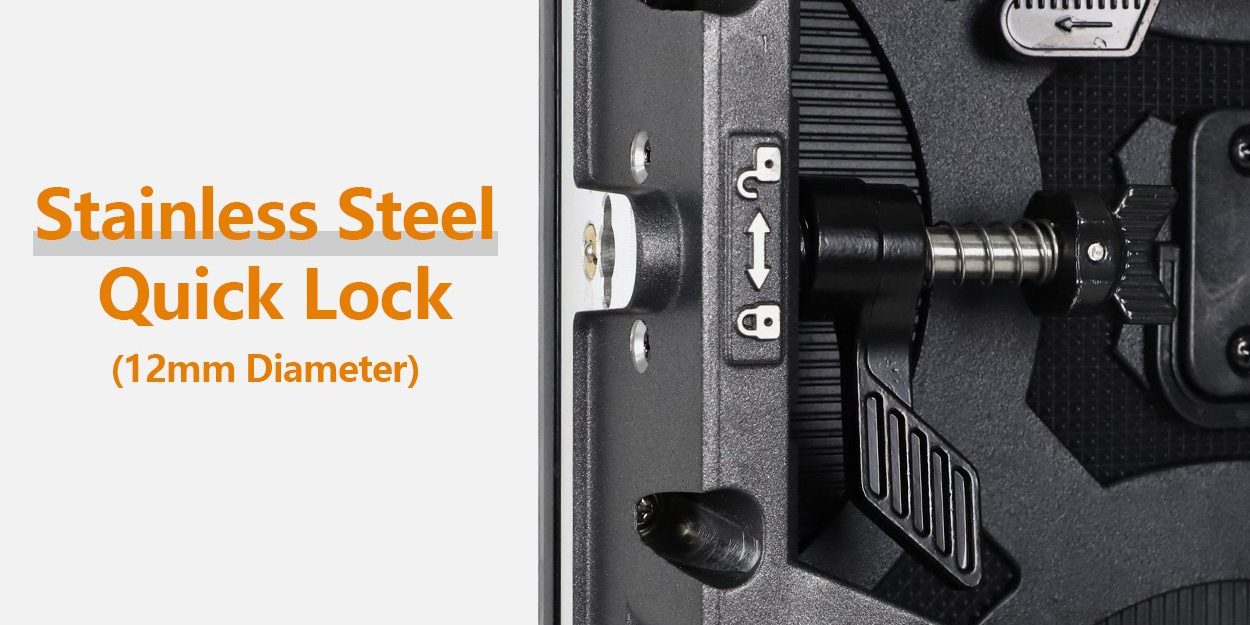
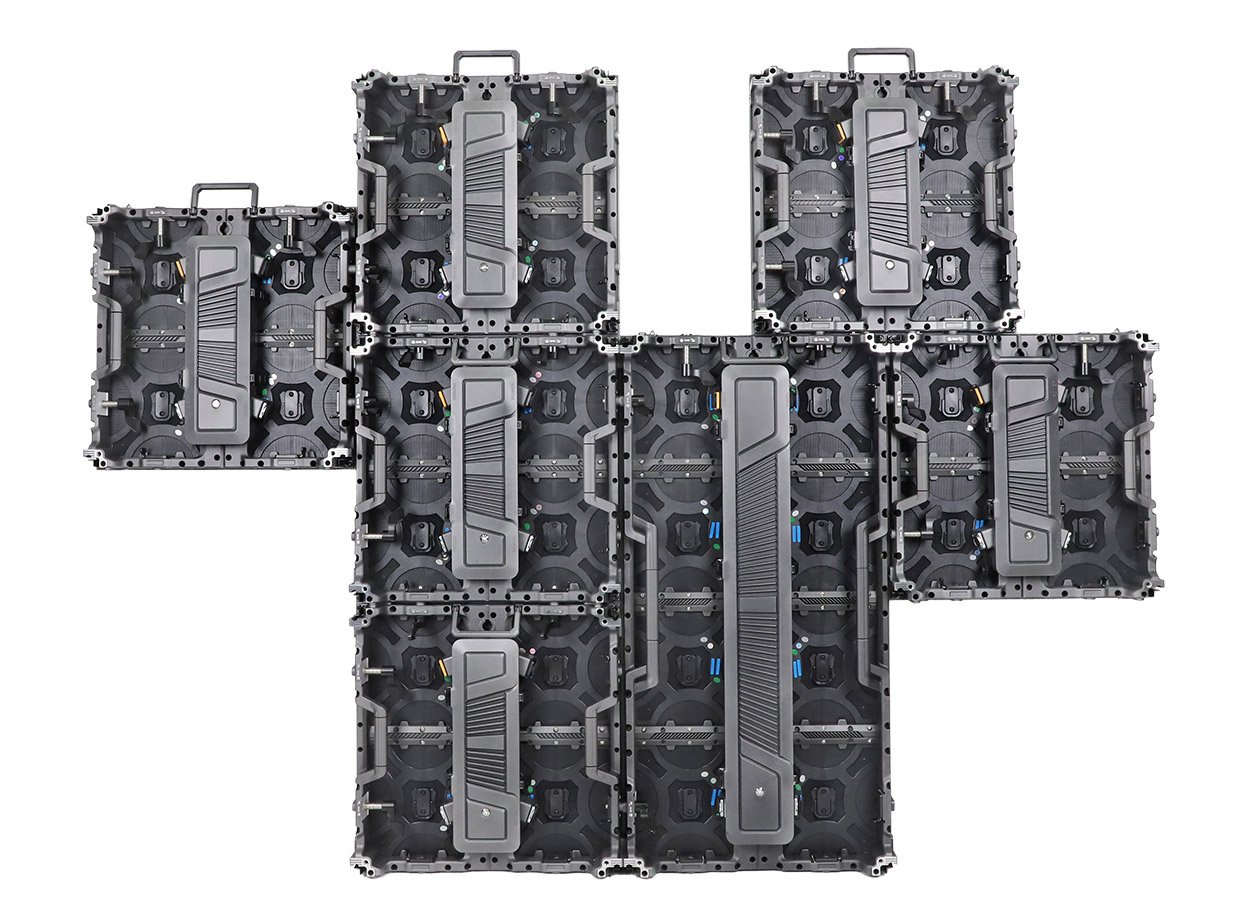
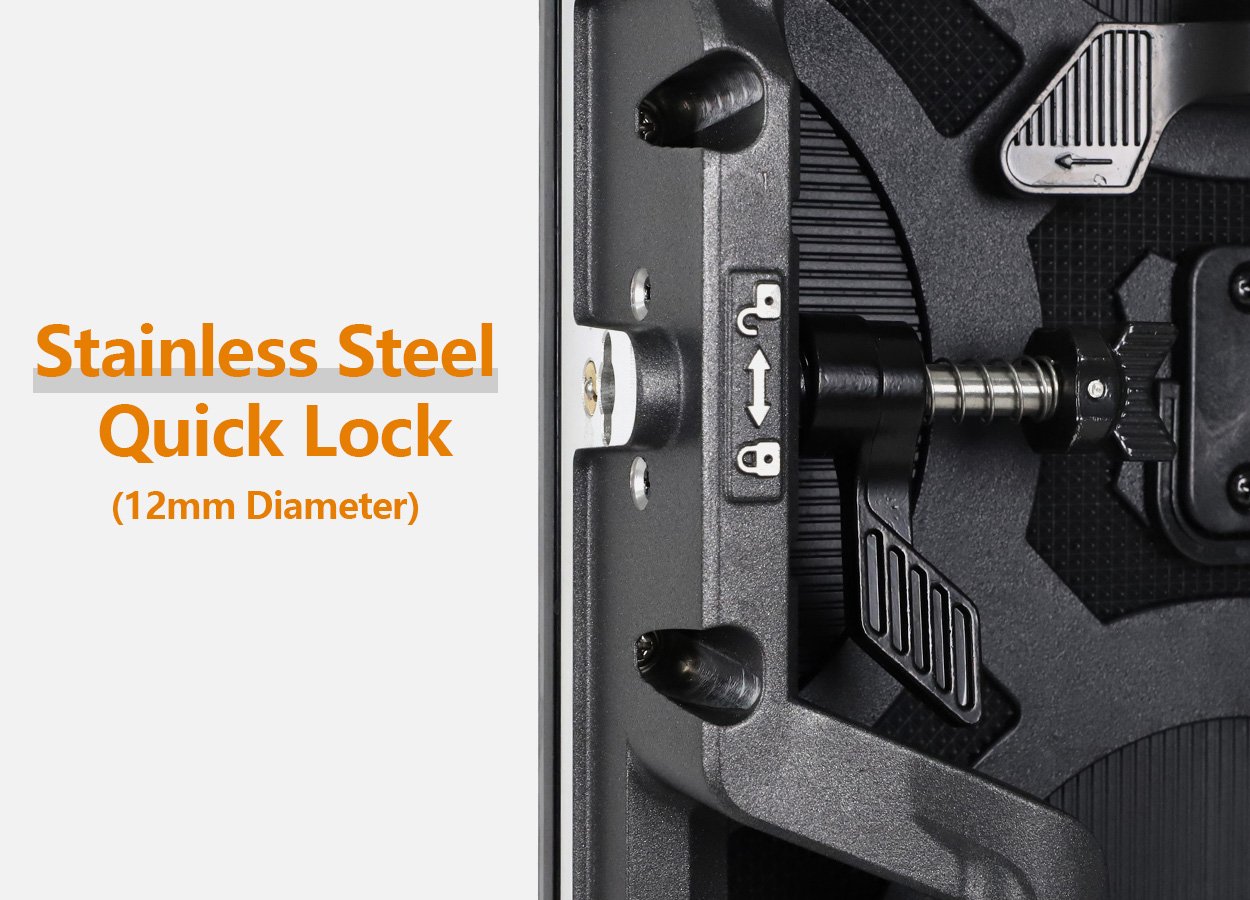
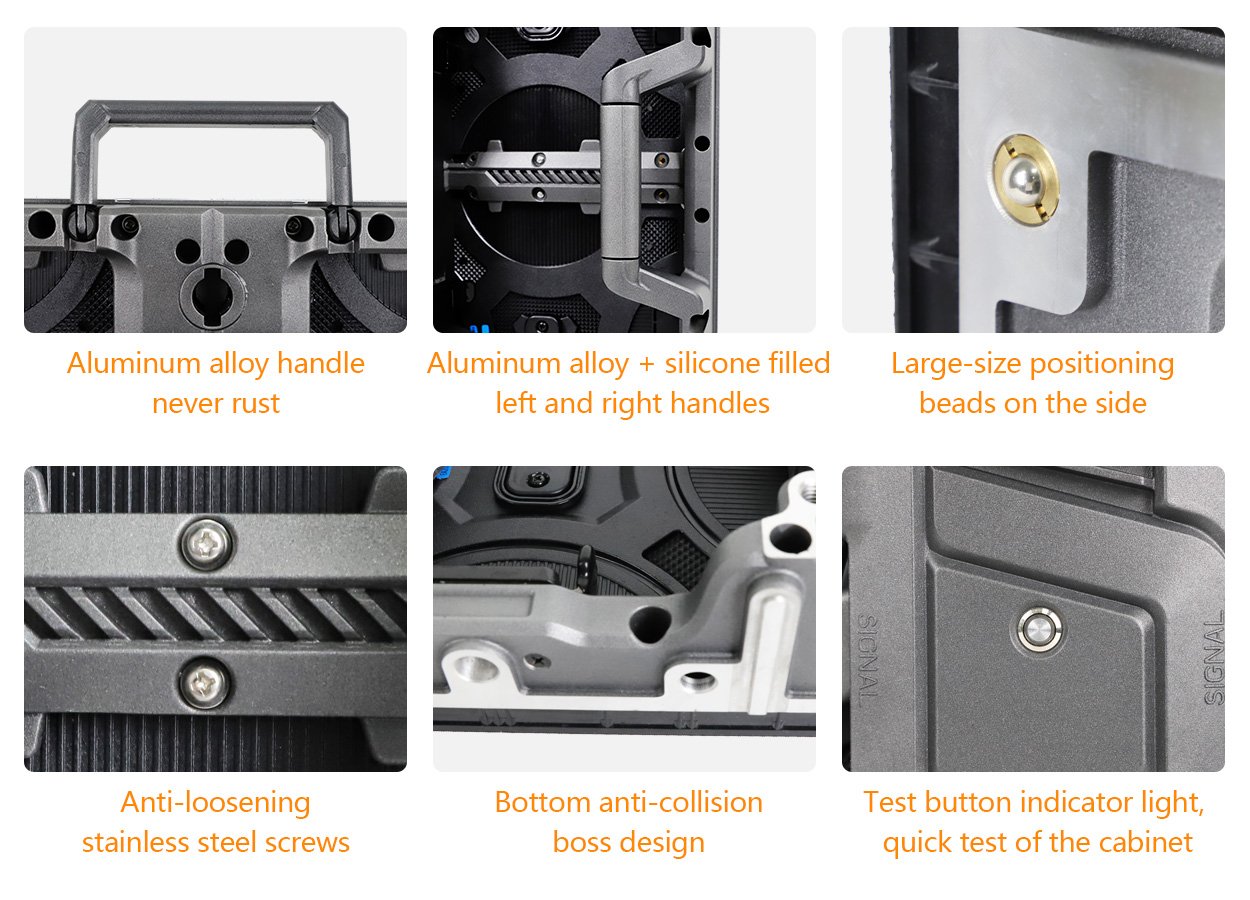
The EA500C6 product page describes a 500 × 500 mm (19.7 × 19.7 in) cabinet format and optional curved configurations. Such information helps define a layout, but the final rental drawing must identify the selected version and installed arrangement. A curved image requires a suitable content plan as well as compatible hardware.
For LED screen rental in Los Angeles, request one controlled canvas document shared by the LED technician and content supplier. It should show the pixel map, physical dimensions, screen numbering, orientation, crop boundaries and revision date. If the configuration changes, replace the old document and identify which delivered files must be checked again.
A prerecorded background does not become a tracked environment because it is played on an LED wall. If the production needs camera-dependent perspective, specify the tracking and rendering workflow separately. Decide who supplies scene files, tests lens data and verifies movement through the intended shot. Do not bury those responsibilities inside a generic “media server included” line.
Agree a file handoff with test content first and final content later. Name the playback format, frame rate, delivery method and version naming convention. Keep an approved fallback file that the operator can find quickly. A last-minute edit should have an identifiable owner and a documented playback check before it replaces the approved version.
4. Separate Venue Access from Screen Delivery
The Los Angeles location address matters more than the general service-area label. A soundstage, hotel ballroom, warehouse and outdoor activation have different access arrangements. Confirm the unloading point, travel route inside the property, working hours, staging space and place where empty cases can remain without obstructing the production.
LED screen rental in Los Angeles can involve filming permissions as well as equipment delivery. FilmLA’s published guidance explains that requirements depend on jurisdiction and the filming activity. Have the location manager confirm the applicable process for the actual address and production. A rental reservation or a venue booking should not be treated as evidence that filming permission is settled.
Ask the venue to identify who approves the supporting structure, power connection, cable routes and access equipment. The LED supplier should provide the information needed by those responsible people, not substitute a product photograph for a site design. Final structural and electrical arrangements belong with qualified personnel and the venue’s applicable requirements.
Include the period before the cameras arrive. Cabling, alignment, picture setup and checks take place after physical unloading, so a delivery time is not a ready-to-shoot time. Build the schedule backward from the first required technical rehearsal and identify which earlier activities depend on an available room, power or completed scenic construction.
For exterior work, specify the weather operating plan and who decides to suspend or protect the installation. Do not transfer an outdoor cabinet rating to every cable, connector, processor or support item. A covered loading area also does not prove that equipment is protected throughout transport, setup and operation.
5. Assign Operators, Technical Support and Recovery
Ask who operates playback and who maintains the LED system during the production. These roles may be filled by one person on a simple job, but the contract should say so. For a complex shoot, a technician who is repairing a panel cannot simultaneously manage a rapid sequence of creative changes.
LED screen rental in Los Angeles proposals should state attendance hours, call times, handovers and the procedure for additional time. Identify whether support means someone present in the room, a technician available elsewhere on the property, or remote assistance. Those arrangements create different recovery expectations and should not share an unexplained “support included” description.
Document the escalation path for picture faults, content faults, source faults and tracking faults. A black screen could originate upstream of the cabinets. The production manager needs a named person to coordinate diagnosis while the relevant specialist checks their part of the signal chain. Agree who communicates delays to the director or show caller.
Specify compatible spares and configuration records. Ask how a replacement will be identified, accessed and checked for image matching. The supplier should describe a safe service procedure and the expected production interruption; do not assume energized replacement or uninterrupted operation from the word “modular.”
For LED screen rental in Los Angeles, useful recovery evidence is a demonstrated procedure using the hired system. Test an agreed fallback source and confirm how the operator restores the correct configuration. Keep the scope practical: a recovery demonstration should not involve improvised electrical faults or uncontrolled disconnection of equipment during a live production.
6. Normalize the Rental Quotations
Compare written totals only after making the equipment, time and responsibilities equivalent. One proposal may cover delivery and a basic playback wall; another may include a studio, technical rehearsal and specialist operator. The higher figure may buy more scope rather than reflect a higher screen rate.
LED screen rental in Los Angeles has no single defensible price without dates, location, configuration and service details. Request a current project quotation in the agreed currency, with its validity and tax treatment identified. This guide provides no market-average rental rate or EagerLED local service price.
| Quote line | Comparison question | Evidence to request |
|---|---|---|
| LED and processing | Does the tested configuration match the reserved package? | Equipment schedule and permitted substitution process |
| Studio or venue | Is the location included or separately contracted? | Access period, available facilities and responsibility list |
| Preparation | Are setup, camera testing and creative rehearsal all included? | Timed schedule and named attendance |
| Content and tracking | Is this playback only or an actively tracked workflow? | File requirements, software scope and responsible crew |
| Transport and strike | Does the price cover both directions and the agreed hours? | Delivery plan, collection window and additional-time terms |
| Changes and recovery | Who approves extra work or replacement equipment? | Written rates, escalation contacts and recovery procedure |
Keep optional items separate from exclusions. An optional spare processor is an identifiable choice; an omitted power connection may be essential work that somebody must still buy. Ask each supplier to mark its assumptions and name the party expected to provide excluded services. Unassigned essential work belongs on the comparison sheet.
Evaluate schedule changes as well as the base booking. Ask how a delayed location handover, additional shooting day, revised wall size or late collection changes charges and availability. Read the actual cancellation and damage terms with the responsible procurement person. Do not infer those conditions from another supplier’s standard agreement.
For example, use a simple decision register when comparing two proposals. Label each difference as a required correction, an acceptable alternative or an optional addition. A missing test session is a required correction if camera approval is part of the brief. A different cabinet layout may be an acceptable alternative only after the content team and technical approver review its pixel map. Extra rehearsal attendance can remain optional when the base schedule already includes the agreed acceptance work.
Record the person who accepted each alternative and the date it was resolved. Then ask for a revised quotation that incorporates those decisions. This prevents an attractive comparison spreadsheet from describing a package that nobody has actually agreed to supply. Keep the final equipment list, schedule and commercial quotation together so that the booking contact and technical lead work from the same revision.
7. Approve the Package with a Recorded Handoff
Before releasing LED screen rental in Los Angeles for production, confirm that the reserved equipment, tested settings and final content agree. Record unresolved limitations clearly enough that the director or show caller can plan around them. An acceptance sheet should distinguish picture approval, physical readiness and operator handoff.
Photograph cabinet identification and label the approved configuration files. Store camera-test clips with the settings and content version used. If the wall is rebuilt after a test, repeat the checks affected by the rebuild. A good result in the supplier’s workshop is useful evidence, but it does not confirm the final location’s lighting, signal paths or camera positions.

At the end of the booking, agree who authorizes shutdown and removal. Confirm that content owners have their recordings and project files before hired playback hardware leaves. Inventory returns with the supplier, document any discrepancies and close out additional hours through the agreed process rather than leaving them as informal promises.
The rental LED display range can help equipment buyers compare cabinet formats for repeated work. That purchase decision is separate from hiring a staffed local production package. Ask a local rental provider about availability and operational services; ask the manufacturer about the equipment configuration and supply scope.
Frequently Asked Questions
Can I use a phone video to approve a studio wall?
It can document general appearance, but it cannot replace the planned production camera test. A phone may use different exposure behavior, processing and optics. Approve the shots with the recording system and settings that will actually be used.
Should the rental include a sound engineer?
Only if that service is specified. LED and playback attendance do not automatically cover audio recording, microphones, monitoring or synchronization with a separate sound workflow. Add the required responsibilities to the production plan and obtain the appropriate crew quotation.
Does a camera-friendly processor prove that every panel is suitable?
No. Capability depends on the supplied panel, receiver, firmware and processing combination as well as the camera setup. Request evidence for the actual configuration instead of transferring a feature from a processor brochure to an untested rental package.
What happens if the final artwork arrives after the camera test?
Identify what changed and schedule a focused check of the new file. Changes to brightness, fine detail, motion or color can affect the recorded result. Retain the previously approved version until the production’s designated approver accepts the replacement.
Can a manufacturer quote replace a local rental proposal?
No. Equipment supply and a dated local hire have different responsibilities. A manufacturer quote does not establish venue availability, local crew, transport appointments or production permissions. Keep those services separately identified even when one provider coordinates the project.
Prepare a Production-Specific Supplier Request
For LED screen rental in Los Angeles, send the address, production mode, screen drawing, content plan, camera requirements and full working schedule to prospective rental providers. Request the test, crew and exclusions alongside the equipment list. If you are purchasing rental inventory, send EagerLED your equipment requirements for a configuration discussion and an itemized supply quotation.