

LED screen rental in Seattle should be quoted against a specific site plan, operating schedule and weather response plan. The screen dimensions are only one part of the purchase. Confirm who supplies the support structure, power distribution, operator and shutdown procedure before comparing prices, especially when the display will stand outdoors.
This guide is for event producers preparing a request for quotation for an outdoor community event, sponsor activation or public viewing area. It focuses on the decisions that should be settled before the production team books equipment. A product advertised for outdoor use does not establish that a complete temporary installation is suitable for every location or weather condition.
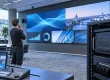
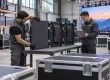
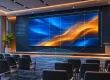
EagerLED supplies LED display equipment. The product illustrations below explain equipment questions to raise with a rental provider; they are not photographs of a Seattle event or evidence of local rental inventory. Confirm the actual supplier’s availability, crew coverage and site responsibilities directly.

1. Define the Site Before Requesting LED Screen Rental in Seattle
01. Identify who controls the location
Start with the exact address, outdoor area and property manager. A plaza, campus, park and closed street can involve different approval routes and operating constraints. Ask the venue contact which drawings and equipment details they need from the production team. Record the answer in the brief rather than assuming a previous event’s arrangements apply.
Seattle’s published special-event guidance distinguishes events requiring coordinated City review from other events. It also identifies events occurring solely on the Seattle Center campus as managed and permitted by Seattle Center staff. Use the current guidance and the named venue contact to establish the route for your event. An LED equipment quotation is not confirmation that the location or installation has been approved.
For LED screen rental in Seattle, the useful deliverable is a shared drawing with clear ownership. Show the display, audience area, control position, service access, cables and support footprint. Add nearby doors, paths, trees and other fixed obstructions. Include the planned direction the screen faces so suppliers can discuss visibility using the same layout.
02. Describe what the audience needs to see
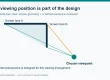
Identify the closest and farthest intended viewing positions. State whether the display will show large sports pictures, live camera images, sponsor graphics, subtitles or detailed presentation text. These uses place different demands on image size and resolution. A supplier cannot judge text readability from audience headcount alone.
Plan for standing spectators as well as seated guests. Check whether heads, umbrellas, vendor stalls or temporary signs could block the lower image. Include an accessible viewing position in the discussion with the venue team. The aim is to place essential information where the intended audience can actually use it, without moving the display into a circulation route.
Record show hours separately from setup and removal hours. A daytime screening that continues into the evening needs an operating plan for changing ambient light. Ask the provider how brightness will be adjusted and who has access to that control. Review sample content at the planned viewing distance before approving small sponsor text.
2. Put Weather Decisions and Communications in Writing
01. Separate equipment protection from event decisions
A weather plan for LED screen rental in Seattle should address the whole production, not just the LED face. Ask for the documented environmental limits of the supplied equipment and the approved operating limits of the complete support arrangement. The responsible production professionals should define monitoring, stop-work and restart procedures for the actual site.
Do not borrow a wind threshold from an unrelated rental screen or decide ballast quantities from a product photograph. The structure, screen area, location and installation method matter. Have the appropriate supplier or qualified design professional provide the project-specific requirements, and make sure the crew receives them before arriving.
Seattle’s published inclement-weather policy says organizers can cancel or postpone an event and describes the City’s ability to revoke a permit where conditions threaten safety. It places attendee and public notification with the organizer. Build that communication responsibility into the production plan; a display operator should not be left to invent an announcement while other teams are taking action.
02. Agree on a practical decision chain
Name the person monitoring conditions, the person coordinating the event response and the person directing technical action at the screen. Give each role a reachable contact and a backup. State how the display team receives a stop instruction and confirms completion. Keep this information in the crew briefing as well as the organizer’s planning file.
Prepare short hold, cancellation and relocation messages in advance. The organizer should approve their wording and the conditions for using them. Include a way to reach attendees if the screen is unavailable or switched off. LED screen rental in Seattle can support event communication, but it should not be the only channel available during an interruption.
Discuss a delayed opening, a temporary pause and cancellation as separate scenarios. Each has different consequences for crew hours, equipment access and removal. Ask what the rental company needs to secure its equipment, when it can resume work and how it will report its status to the organizer. Record the agreed sequence without promising that an event can continue through unsafe conditions.
| Planning scenario | Question for the provider | Organizer’s record |
|---|---|---|
| Forecast changes before delivery | When must the planned equipment or schedule be reviewed? | Decision contact and review time |
| Setup interrupted | How will the crew leave equipment secure and report readiness? | Revised opening decision and guest notification |
| Show paused | Who carries out the approved technical stop procedure? | Approved message and alternate communication channel |
| Conditions improve | What inspection and authorization are needed before restart? | Named restart decision and revised running order |
| Event canceled | What access and labor are needed for safe removal? | Public notice, site contact and rescheduling discussion |
Use this table to assign responsibility, not as an engineering procedure. The details must come from the people responsible for the equipment and site. Keep the final plan consistent across the screen supplier, stage team, venue and event manager so one contractor is not working from an obsolete instruction.
3. Specify the Complete Display Package
01. Ask for the delivered configuration
For LED screen rental in Seattle, request the cabinet model, pitch, screen dimensions, native pixel dimensions and intended brightness range. Ask whether the supplied configuration is an outdoor version and which environmental ratings apply to it. Confirm the relevant documentation covers the equipment actually being delivered, including connections and any associated distribution hardware.
For example, EagerLED’s EA1000C4 rental LED wall page describes 500 by 1000 millimeter cabinets and an outdoor version with an IP65 rating. That product information helps identify an equipment option. It does not certify the support structure, the site’s power arrangement or a rental provider’s operating plan.
Require a separate description of the support system and its footprint. Include any barriers, rear service space and equipment storage that will occupy the site. If the supplier proposes a curved display or a mix of cabinet sizes, have that exact arrangement shown on the drawing. A general photograph of a different build is not an approval drawing.

02. Define power, signal and operator responsibilities
Ask the display provider for its electrical requirements in a form the venue’s electrical contractor can review. Identify who provides the supply, distribution, connection, inspection and cable protection. Keep maximum equipment demand distinct from an estimated typical operating figure. Do not treat a nearby outlet as evidence that the complete system can be powered from it.
List the content sources and their locations: playback laptop, production switcher, live camera feed or broadcast receiver. State who supplies each device, who tests the signal path and who operates transitions. Include the control position and its protection in the site plan. A screen-only hire can leave substantial production work outside the quotation.
Clarify the contingency for a failed source or controller. Ask which spare components will be on site and which require a service visit. Discuss the expected response in operational terms rather than accepting an unsupported uptime promise. The useful question is what the technician can restore during the event and what interruption the organizer should plan to communicate.

4. Plan Delivery, Storage and Site Access
01. Walk the route from truck to screen
A delivery plan for LED screen rental in Seattle should identify the actual unloading location and route to the display. Measure restrictive gates or doors, note steps and slopes, and identify surfaces that may be unsuitable for loaded cases. Ask the venue about loading reservations and restrictions instead of assuming the nearest curb is available.
Provide photographs that show the route in both directions. Include turns and obstructions rather than only the final installation area. The rental provider can then quote handling labor and equipment against known conditions. If the crew must transfer cases to another vehicle or move them during a restricted access window, record that as part of the scope.
Seattle’s event-planning resources encourage checking other events when selecting dates. Apply the same practical thinking to delivery: coordinate with the venue and other contractors so several trucks are not booked into one unloading position simultaneously. Ask for a contact who can resolve access problems on the day, not only the person who signed the venue booking.
02. Preserve working space throughout the show
Identify where empty cases, spare cabinets and tools will stay. Keep the service area usable after vendors and audience barriers are installed. A layout that works during morning setup may become inaccessible once the public arrives. Have the venue and production teams review the complete event drawing together.
Protect the planned removal window as carefully as the arrival window. Confirm when the audience area will be clear, which other contractors will be working and how the truck will reach the loading point. If removal must wait for another activity, allow for the crew and equipment time rather than relying on an informal agreement at the end of the event.
For LED screen rental in Seattle, a short site walk can prevent a much larger change order. Record unresolved access questions before selecting the quote, and identify which party will answer them. A supplier should be able to state whether its price assumes level access, clear working space or a specific schedule.

5. Compare Quotations Against the Same Responsibilities
Send one brief to every provider and ask each to identify exclusions. A low headline price for LED screen rental in Seattle may cover only the screen and a basic delivery. Another proposal may include structural coordination, operators, rehearsals and standby support. The difference cannot be assessed fairly without a common list of deliverables.
| Quotation item | Detail to compare | Possible missing cost |
|---|---|---|
| Display equipment | Cabinet model, native canvas, processor and spare allocation | Additional processing or replacement parts |
| Support arrangement | Exact layout, documentation, installation and inspection scope | Special site requirements or revised design |
| Electrical interface | Provider and venue responsibilities shown separately | Distribution, connection or cable-route work |
| Crew and operation | Setup, rehearsal, show and removal hours | Overtime, delayed access or extra operator time |
| Transport and storage | Truck access, handling route and case location | Restricted delivery or additional handling |
| Schedule changes | Hold, postponement and cancellation terms explained | Retained equipment days or remobilization |
Ask for substitutions to be identified before confirmation. A different cabinet pitch, screen size or control package can change content preparation and acceptance testing. Make the provider explain the practical effect rather than treating every substitution as equivalent. Keep the approved equipment list attached to the final production brief.
Clarify how schedule changes will be priced and who can authorize additional work. Request the provider’s own written terms for postponement and cancellation, and review them with the event’s purchasing team. Do not assume that a venue reschedule automatically moves the equipment booking or preserves the original price.
Separate the equipment rental decision from a future equipment purchase. A recurring event operator may eventually compare ownership with hiring, but local storage, crew, transport and maintenance remain real responsibilities. The EagerLED rental-display reference collection can support equipment research; it does not establish a Seattle provider’s availability or service price.

6. Rehearse the Content and Hand Over a Clear Operating Plan
01. Test what will actually run
Book a rehearsal window that includes the final content sources. Check the opening graphic, sponsor material, captions, live input and any scheduled transitions. For LED screen rental in Seattle, testing only a supplier’s demonstration video leaves the event’s actual files and signal interfaces unverified.
Review essential text from the audience positions agreed in the brief. Check that important material is not cropped or hidden behind stage scenery. Confirm how the display will look at the intended daytime setting and how the operator will adjust it later. Record content revisions early enough for the design team to make them deliberately.
Keep an approved playback copy and a clearly identified revision process. Specify who can send updated files to the operator and who checks them before use. A last-minute sponsor slide should not silently replace the whole approved playlist. The screen team needs a running order that matches the event manager’s version.
02. Close the handover with named contacts
Before opening, confirm the provider’s readiness, unresolved limitations and responsible technician. Walk through the communication chain for a content problem, technical fault and weather hold. Ask the operator to show the agreed standby graphic and explain how they receive instructions. This is a rehearsal of responsibilities, not an improvised emergency drill.
After the event, record equipment faults, access delays and useful changes to the brief. Preserve the actual screen dimensions and canvas specifications for future content planning. A repeat booking for LED screen rental in Seattle becomes easier when the next producer can see what worked, what changed and which assumptions need to be checked again.
FAQ
Can the screen show a live sports broadcast?
Discuss the intended source, venue permissions and any public exhibition rights with the organizer’s responsible team. Confirm the provider’s signal-input responsibilities separately. Renting a display does not itself provide the broadcast subscription, internet connection or permission needed for the planned screening.
Should the provider supply internet access?
Only if it is included in the agreed scope. Identify whether content needs a live network connection and who provides it. Ask the production team to test the actual service at the control position and define an approved fallback. A venue’s general guest Wi-Fi should not be assumed to meet the show’s needs.
Can the same display move indoors if the event changes?
Possibly, but the indoor location needs its own access, dimensions, support, power and operating review. Reserve time for dismantling, transport and rebuilding where applicable. Treat relocation as a defined alternate plan with the provider and venue, rather than assuming the outdoor system can be moved immediately.
What should sponsors receive before producing their graphics?
Give them the approved pixel canvas, file requirements, safe text area and submission deadline from the production team. Include the review contact and explain how revisions are approved. A physical screen width alone is not enough information to prepare a graphic that will display correctly.
Is an on-site technician necessary for a simple playlist?
Agree on support based on the complete event, not just playback complexity. Setup verification, source faults, brightness changes and approved interruption procedures may still need technical attention. Ask the provider to describe unattended and staffed options clearly, including response coverage and the organizer’s responsibilities.
Build a Usable Rental Brief
A useful request for LED screen rental in Seattle includes the location, audience layout, content needs, schedule, access photographs and weather decision contacts. Ask every provider to return an equipment list, responsibility breakdown and clear exclusions against that same brief.
If you are evaluating display equipment for a rental operation, send EagerLED your screen and application requirements. For a specific event hire, separately verify the chosen local provider’s stock, crew availability and venue coordination. Those confirmations turn an equipment proposal into a workable event plan.