

LED screen rental in Singapore for a partly sheltered event should be specified from the actual exposure of the complete system, not from the presence of a roof. Check the screen, connections, supports, operating position and delivery route. Then agree who monitors conditions, who can stop the display and what must happen before operation resumes.
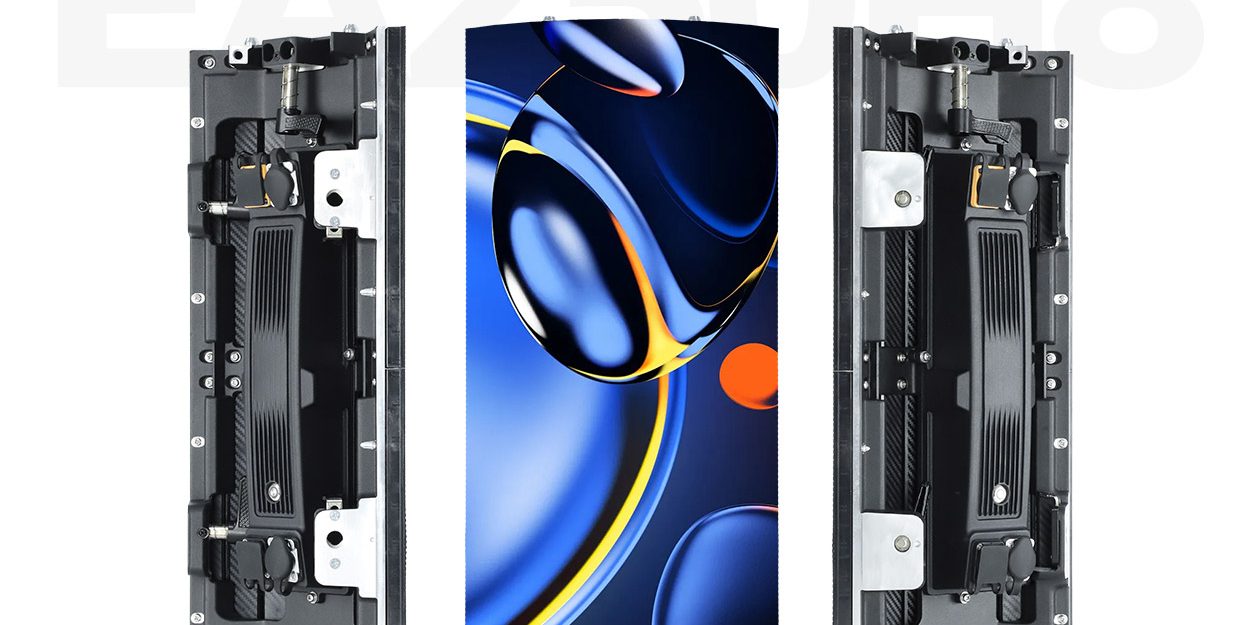
This guide is for event production companies preparing a business-event rental brief. It turns a vague “covered outdoor area” into information suppliers can evaluate. EagerLED manufactures display equipment; the product photographs are hardware references, not evidence of a Singapore rental fleet, local event crew or a completed project at your venue.
1. Map Exposure for LED Screen Rental in Singapore
A roof can protect the top of a display while leaving its rear, sides or cable entry points exposed. A covered concourse can receive wind-driven rain, and an indoor screen may travel through an uncovered unloading area. Photograph the proposed position from the audience side, behind the wall and along the delivery route.
Singapore’s Meteorological Service describes a tropical climate with high humidity and abundant rainfall. Its climate guidance also identifies afternoon and evening thunderstorms and seasonal weather patterns. These are reasons to prepare a site-specific operating plan, not a forecast for your event or permission to continue operating during a storm.
01. Mark boundaries on the plan
Draw the roof line, open edges, drainage routes and any nearby doors. Mark where equipment will wait before assembly, where cases will be stored and where the operator will work. Ask the venue to confirm which spaces are actually available throughout setup, the show and removal. A sheltered storage corner may disappear when another activity begins.
For LED screen rental in Singapore, record the wall’s orientation and the hours when sunlight reaches it. Glare and changing ambient light affect the picture, while the thermal conditions depend on more than the audience’s view. Keep ventilation and service access visible on the layout instead of hiding them behind a decorative enclosure.
02. Record what the survey cannot establish
A dry site visit cannot prove how water moves during rain. Ask the venue about known exposure, runoff and access restrictions, then have the technical team identify unresolved questions. If a supplier has not inspected the site, label its proposal as conditional on confirmation of the relevant assumptions. Do not turn missing information into a claim of suitability.
| Area to inspect | Evidence to collect | Question for the supplier |
|---|---|---|
| Screen front and rear | Photos, roof boundary and open sides | Which specified configuration suits this exposure? |
| Power and signal connections | Connection locations and proposed routing | How will the complete connection system remain protected? |
| Operator position | Working area, shelter and sightline | Can the operator monitor the picture and reach the required controls? |
| Receiving route | Unloading area and covered transfer options | What is the plan if delivery coincides with rain? |
| Audience and exits | Approved event layout | Does the display footprint preserve the venue’s required routes? |

2. Match the Complete System to the Site
LED screen rental in Singapore proposals should identify the exact cabinets and configuration, not just describe them as outdoor suitable. Request the applicable protection ratings, operating limits and installation instructions. Ask which surfaces and connections those ratings cover. The suitability of a cabinet does not automatically establish the suitability of every accessory around it.
The screen assembly includes modules, power and data connections, processing, distribution and supports. The supplier should explain how these parts work together in the proposed environment. A laptop or processor placed behind an outdoor-rated wall does not inherit the wall’s protection. Locate sensitive equipment in an appropriate controlled area agreed with the technical team.
01. Treat support design separately
A cabinet lock joins equipment; it is not a complete structural design. Have the competent installation team and venue approve the mounting method, footprint and relevant operating limits. Do not infer a safe wind threshold from the cabinet’s ingress rating or a marketing photograph. The support and site conditions need their own documented assessment.
For LED screen rental in Singapore, require changes in screen size or location to trigger a review of the approved arrangement. Moving a wall closer to a roof edge or adding decorative side panels can change the conditions considered by the original plan. The production team should not make those changes informally during setup.
02. Preserve service and ventilation space
The EA500C6 rental display includes a removable rear cover as a product feature. Whether technicians can use that access during an event depends on the installed layout. Ask where a technician can stand, where a replacement part can be handled and how the working area is kept separate from guests.
Do not improvise an enclosure or wrap that obstructs ventilation or conflicts with the equipment instructions. Ask the supplier to specify any required protection method and its limitations. Where equipment moves between conditioned and humid spaces, follow its documented handling and acclimatization procedure; the crew should assess readiness rather than use an arbitrary universal waiting time.

3. Define Power and Signal Interfaces Before Arrival
A useful request for LED screen rental in Singapore includes the proposed electrical supply location, source equipment and cable route. Let the supplier calculate the load for the selected system and submit the requirements to the venue’s responsible electrical personnel. The organizer should coordinate the information, not improvise distribution design from a cabinet brochure.
Identify the boundary between venue supply and rental equipment. Record who provides each connection, who installs distribution, who verifies readiness and who can isolate equipment when necessary. Use a simple interface drawing with labels that match the quotation. A drawing without a named owner leaves the same uncertainty as a verbal promise.
Route cables with the venue’s approved pedestrian and service access plan. Ask how exposed connections, crossing points and changes in level will be managed. Keep the operator’s working position and any source-change location in the drawing. Last-minute relocation of a laptop can create an unplanned cable run through a busy audience area.
01. Decide what happens without a network
Separate a local video signal from an internet connection. A local presentation file and a live remote contribution have different dependencies. For any network-dependent segment, identify who supplies the connection, who tests it and what the show will display if the feed becomes unavailable. A decorative holding slide is useful only if it is approved and accessible.
For LED screen rental in Singapore, keep final media in the agreed playback format and supply a version that can be rehearsed. Confirm audio routing separately if video includes sound. Ask the operator to document the source connection and output canvas, so a replacement laptop does not unexpectedly change scaling or crop the presentation.

4. Agree Who Makes Weather Decisions
The weather plan should be agreed before the crew is under pressure to keep the program running. Name the event decision maker, the technical lead and the venue contact. Define how observations and warnings reach them, and how a stop decision reaches the operator and show caller. Do not make the screen technician the sole manager of audience safety.
LED screen rental in Singapore requires a plan that covers setup and removal as well as the live event. The display can be switched off while technicians are still exposed during assembly. The event’s qualified safety and technical leads must set the applicable triggers and actions for the actual site, equipment and support arrangement.
| Stage | Decision or action | Evidence to agree before the show |
|---|---|---|
| Before load-in | Review conditions and receiving arrangements | Named lead and alternate delivery or waiting plan |
| During operation | Escalate changing conditions and apply agreed triggers | Communication route and authority to pause |
| After a stop | Keep equipment and audience actions coordinated | Approved show message and technical isolation responsibilities |
| Before restart | Assess equipment and site readiness | Required checks and named release authority |
| After the event | Plan removal under the actual conditions | Access confirmation and handling procedure |
Do not substitute a generic rain icon or a single cabinet rating for the agreed decision process. The plan should use the information and limits specified by the responsible professionals. If the proposal cannot explain what stops operation and who decides, resolve that gap before accepting a claim that weather support is included.
01. Make the fallback practical
An indoor alternative needs more than a room name. Confirm that the room is available, that its layout works and that the program can continue there. Decide whether a smaller independent display is more practical than relocating the assembled wall. Price any alternative equipment and crew work explicitly so the contingency is genuinely available.
Distinguish a technical backup from an event relocation. A spare receiving card may address one equipment fault; it cannot solve a venue closure or an unsafe outdoor working area. Explain the limitations of each contingency to the organizer. This prevents a reassuring word such as “backup” from masking several unrelated risks.
Prepare approved interruption content alongside the main presentation. Decide whether the screen should display a holding message, a revised schedule or no picture, depending on the agreed procedure and whether the equipment can remain in operation. The organizer should approve wording and any language versions before the show. Do not rely on a technician to write a public message during an incident.
Keep a separate communication method for situations in which the screen is unavailable. The event team should know how to reach presenters, audience coordinators and venue staff without depending on the same display or playback system. During the planning review, ask each lead to explain their next action in a sample interruption. That discussion can reveal an unassigned decision before it becomes an urgent on-site problem.
5. Specify On-Site Support as Actual Duties
For LED screen rental in Singapore, define whether support means an installation crew, a technician on call or a dedicated operator in attendance. State the hours and location of each role. Someone working at another venue may be available by phone but cannot provide the same response as a technician standing beside the control position.
Separate cabinet service, playback operation and show calling. One person may combine roles for a simple program, but the proposal should explain how competing demands are handled. During a fault, the person diagnosing the wall may not be able to cue a revised presentation or coordinate a guest announcement at the same time.
Ask how the supplier will handle breaks, shift changes and overtime requests. Provide a contact who has authority to approve additional work. Record what the relief operator receives: final files, routing notes, approved brightness setting, fault contacts and the weather decision plan. A handover should transfer the operating context, not just a laptop password.
Keep a small incident log with the time, observed symptom, action and outcome. Use it to distinguish a source issue from a display issue and to support the post-event review. Avoid promising a fixed recovery time without a specific service commitment; the location of spares and the nature of the fault both matter.

6. Compare the Operating Scope, Not Just the Wall
When comparing LED screen rental in Singapore, place the same site plan, operating hours and fallback requirement beside each quotation. Check cabinet configuration, processing, support structure, protected control area, power distribution, transport, crew and content handling. Mark every assumption that still depends on venue confirmation.
Ask which weather-related services are included and which require a separate order. Examples include a changed delivery window, additional waiting time, alternative indoor equipment and repeat setup. Request the actual supplier terms for postponement or cancellation. Do not assume a citywide practice or a standard fee that has not been agreed.
A cheaper proposal may place more duties on your production company. That can be acceptable if you have the people and equipment to perform them. The comparison should show the transferred work clearly. An unexplained exclusion becomes a problem when both teams arrive expecting the other to provide the missing element.
Ask each bidder to label its assumptions as confirmed, awaiting survey or optional. Keep a deadline and owner for the unresolved items. Where a supplier proposes a different screen format, compare the resulting visibility and operational plan rather than rejecting or accepting it on dimensions alone. The goal is a complete workable event package.

7. Test the Actual Setup Before Guests Arrive
Schedule acceptance under representative lighting with the real presentation files. View text from the nearest and farthest audience positions, check crop and scaling, and review the agreed brightness setting. A bright test pattern can confirm basic operation without proving that a detailed business slide is readable.
For LED screen rental in Singapore, walk the operating route as well as viewing the screen. Confirm that controls, service access and agreed isolation points remain accessible. Check that the final cable routes match the approved plan and that empty cases have not occupied a space reserved for technical access.
Rehearse the response to a missing source and review the communication sequence for a weather pause without creating a hazardous test. Confirm who authorizes the restart assessment and how the decision reaches the show caller. Keep the agreed plan available to the actual crew, including anyone arriving for a later shift.
Before accepting handover, record the final equipment configuration and any deviations from the quotation. Ask the relevant lead to resolve material differences rather than leaving them as verbal notes. Retain the completion record and incident log for the supplier review. These documents help improve the next event without claiming that one successful show proves universal suitability.
Frequently Asked Questions
Does a tent automatically make an event an indoor application?
No. The supplier needs the actual shelter geometry, open sides, exposure and complete installation arrangement. Ask the responsible team to assess the configuration rather than choose equipment from a label. A tent also has its own approved use and operating conditions.
Can we move the wall indoors halfway through the program?
Only if that move has been planned and approved. Confirm disassembly, handling, access, crew time and a new acceptance test. A separate indoor fallback can be more practical, but its availability and cost need to be agreed before the event.
Should a sponsor supply its own laptop?
It can, provided the operator receives the required interface and file information early enough to test it. Agree whether the sponsor controls playback or supplies files to the production team. Include a tested fallback for an incompatible or unavailable source.
Can an outdoor-rated screen serve a quiet indoor presentation?
Possibly, but suitability includes picture quality at the intended brightness, viewing distance and any equipment noise. Request a demonstration under comparable conditions. Environmental protection alone does not prove that a configuration meets a close-viewing business presentation brief.
Does an equipment manufacturer provide the event weather plan?
The manufacturer can supply the selected equipment’s specifications and instructions. The event’s site assessment, crew duties and operating decisions belong with the responsible local project team. Confirm those responsibilities with the rental provider and venue rather than assuming they are part of a hardware purchase.
Send a Site Brief Suppliers Can Evaluate
Prepare photographs, a marked layout, operating hours, content examples and a named decision team before requesting LED screen rental in Singapore. Use the rental display equipment range to discuss suitable cabinet categories. For equipment procurement, send EagerLED your application and configuration requirements; arrange local event services separately with the responsible provider.