

Choosing an LED screen supplier means choosing the company responsible for turning your project specification into a working display. A competitive quotation matters, but so do component consistency, production control, installation support, and access to replacement parts after delivery.
For distributors, AV integrators, and project contractors, weaknesses in those areas become customer-facing problems. A replacement module may look different from the surrounding screen. Cabinets may require unexpected adjustment during installation. A warranty may cover a replacement component while leaving freight and on-site labor unresolved.
The most useful way to evaluate an LED screen supplier is to connect every important promise to evidence: a document, a production record, a witnessed test, or a written commercial commitment. Factory size and presentation quality provide context; they do not establish whether your order will meet its requirements.
This guide explains 12 factory checks you can use when evaluating EagerLED or another LED screen supplier. It follows the purchasing process from defining the application to inspecting production and agreeing on after-sales responsibilities.
1. Why Vetting an LED Screen Supplier Matters
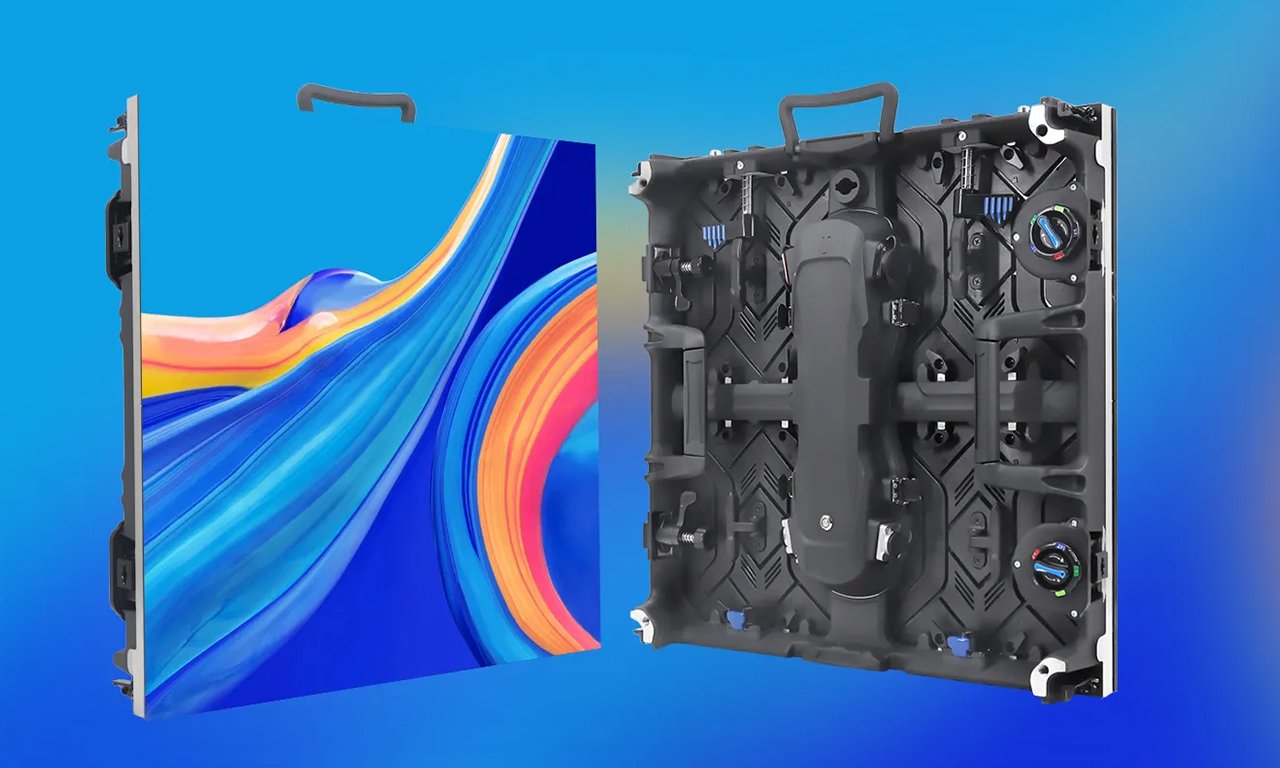
An LED display combines modules, cabinets, power supplies, receiving cards, control equipment, firmware, and mechanical connections. Your LED screen supplier must manage how these parts work together and how the finished configuration is reproduced across an order.
Two quotations with the same pixel pitch can describe meaningfully different products. Differences may include driver ICs, cabinet construction, service access, calibration, control-system capacity, and the scope of installation accessories.
Supplier vetting should therefore answer three questions:
- Can this company build the agreed configuration consistently?
- Can it demonstrate that the delivered equipment meets your acceptance criteria?
- Can it support the system throughout its intended service period?
Use separate checkpoints for supplier qualification, sample approval, and pre-shipment inspection. A capable LED screen supplier can still make an order-specific mistake, so approving the factory should not automatically approve every shipment.
2. LED Screen Manufacturer vs. Trading Company: Pros and Cons
A manufacturer may give buyers direct access to production and engineering. A trading company may coordinate several product categories, consolidate shipments, or offer convenient local communication. Either arrangement can work when responsibilities are transparent.
The practical question is which parts of the supply chain your LED screen supplier controls—and who resolves a problem when it crosses company boundaries.
| Supplier model | Potential advantages | Potential limitations | What to verify |
|---|---|---|---|
| Direct manufacturer | Access to engineering, production changes, and factory records | Export support and installation assistance vary | Actual manufacturing scope and named technical contacts |
| Trading company | Product sourcing and shipment coordination | Less direct control over factory changes and repairs | Factory identity, inspection access, and warranty responsibility |
| Local distributor or integrator | Local installation, commissioning, and service | Additional commercial layer; factory access may be indirect | Authorized supply relationships and escalation procedures |
Ask who owns the design, purchases the components, assembles the cabinets, performs calibration, and authorizes warranty replacements. Outsourcing is not automatically a weakness. Undisclosed outsourcing makes quality control and accountability harder to assess.
A suitable LED screen supplier should explain its operating model without presenting every upstream process as an internal capability.
3. Define Your Needs: Indoor, Outdoor, Rental, or Fixed LED Screens
Before requesting quotations, prepare a project brief. Without one, each bidder may optimize for a different interpretation of “good quality,” making price comparisons unreliable.
Give the LED screen supplier your screen dimensions, viewing conditions, content type, operating schedule, installation location, and service-access restrictions. Include camera requirements when the display will appear in broadcasts, livestreams, or recorded events.
| Application | Priority considerations | Evidence to request |
|---|---|---|
| Indoor corporate or retail | Readability, low-brightness image quality, acoustic requirements | Relevant content demonstration at intended operating brightness |
| Outdoor advertising | Daylight visibility, weather exposure, thermal management | Environmental limits, enclosure details, and applicable test reports |
| Rental and staging | Repeated handling, alignment, connectors, transport | Assembly demonstration and inspection of locks, edges, and cases |
| Broadcast or studio | Camera compatibility, grayscale, synchronization | Tests using representative camera settings and panel configuration |
| Fixed architectural installation | Mounting, ventilation, access, replacement procedures | Mechanical drawings and a practical maintenance demonstration |
Pixel pitch is the spacing between adjacent pixel centers. Smaller pitch provides more pixels within a given screen area, but selection should also consider content, viewing distance, budget, and camera use.
Ask each LED screen supplier to identify assumptions and exclusions. A quotation based on rear maintenance is unsuitable for a wall with no rear access, regardless of its price.
For the specification stage, use our LED screen buying guide alongside the supplier checks below.
4. Checks 1–2: Verify the Supplier’s Identity and Track Record
01. Confirm Business Registration and Factory Ownership
Start with the legal entity that will sign the contract. Request its registered name, business registration details, operating address, and relationship to the factory you are evaluating.
Compare those details with the quotation, invoice, and payment beneficiary. An export entity or affiliated company may legitimately handle the transaction, but the relationship should be documented. Resolve unexplained differences before transferring funds.
During a visit or live video inspection, ask the LED screen supplier to connect its business identity with the actual production site. Review signage, relevant operating documents, and the functions performed at that location.
Ownership of the building is less important than control of production. A leased factory can be entirely legitimate. What matters is whether the contracting party can access production records, direct corrective work, and fulfill the supply agreement.
Evidence to retain: registration details, entity relationships, factory address, and the contact responsible for contractual performance.
02. Verify References From Comparable LED Display Projects
A project photograph shows that a screen exists. It does not establish who supplied it, which configuration was used, or how support performed afterward.
Ask for references that resemble your application. A successful indoor meeting-room installation offers limited evidence for a coastal outdoor billboard or a touring rental inventory.
With permission to contact the customer, discuss delivery accuracy, installation issues, replacement parts, and technical responsiveness. Useful questions include:
- Did the delivered configuration match the approved specification?
- Were any problems discovered during commissioning?
- How were replacement components supplied and configured?
- Would you purchase the same product again?
An LED screen supplier may need to protect customer confidentiality. Accept alternatives such as redacted acceptance records, an arranged reference call, or an authorized site visit.
Focus on traceable experience and problem resolution rather than the number of logos displayed in a presentation.
5. Checks 3–4: Assess Production Capacity and Process Control
01. Inspect Production Lines and Identify Outsourced Work
Follow the product through its actual manufacturing route. Depending on the factory’s scope, this may include incoming inspection, surface-mount assembly, module assembly, cabinet wiring, calibration, aging, and final inspection.
Ask the LED screen supplier which steps happen internally and which are outsourced. Then examine how outsourced work is specified, inspected, and accepted.
On the factory floor, look for work instructions linked to the product being built. Check whether operators can distinguish approved materials from rejected or quarantined stock. Review how tools and measuring equipment are maintained and, where necessary, calibrated.
Select an actual work order and follow its records through several stages. This is more informative than viewing isolated machines.
A credible process should show how the factory detects an error, prevents affected material from moving forward, and confirms that the correction worked. Equipment ownership alone does not demonstrate those controls.

02. Verify Capacity, Order Backlogs, and Realistic Lead Times
Production capacity is specific to products, processes, and available resources. A factory’s overall output claim may reveal little about its ability to deliver your cabinet type on schedule.
Ask the LED screen supplier to explain the proposed timeline:
- Component procurement and availability
- Production scheduling and assembly
- Calibration and aging
- Inspection, corrective work, and packing
- Dispatch and transport arrangements
Identify the likely bottleneck. It may be a custom cabinet, a particular component, test-space availability, or engineering approval rather than assembly labor.
Request a milestone plan showing which dates depend on your decisions. Artwork approval, drawing changes, and sample acceptance can affect the schedule.
Distinguish production completion from dispatch and arrival. If your opening date is fixed, the LED screen supplier should explain how the schedule accommodates inspection findings and rework before the goods leave the factory.
6. Checks 5–6: Audit LED Components and Quality Records
01. Confirm LED, Driver IC, and Power Supply Specifications
Require a controlled bill of materials, or BOM, for the agreed configuration. Descriptions such as “premium LEDs” and “high-quality power supply” are too broad to establish what you are purchasing.
The LED screen supplier should identify critical components and explain how substitutions are handled. A brand name alone may cover several models with different capabilities.
| Item | Information to agree | Why buyers need it |
|---|---|---|
| LED packages | Manufacturer, package type, and relevant selection criteria | Helps control consistency and replacement planning |
| Driver ICs | Exact model and configured operating mode | Influences driving behavior and available display performance |
| Power supplies | Model, input requirements, output rating, operating limits | Supports electrical and thermal design review |
| Receiving cards | Model, firmware, and configuration compatibility | Affects control-system operation and servicing |
| Modules and cabinets | Dimensions, revisions, interfaces, and mounting details | Determines mechanical and electrical interchangeability |
| Control equipment | Model, supported configuration, and included accessories | Confirms the quoted system can drive the proposed screen |
Specify that changes to critical components require written approval. Where a substitution affects performance or compliance, require supporting evidence and renewed approval before production continues.
Ask the LED screen supplier to link the approved sample to its BOM revision. Otherwise, a sample can perform well without defining the production order.
02. Review Incoming Inspections and Batch Traceability
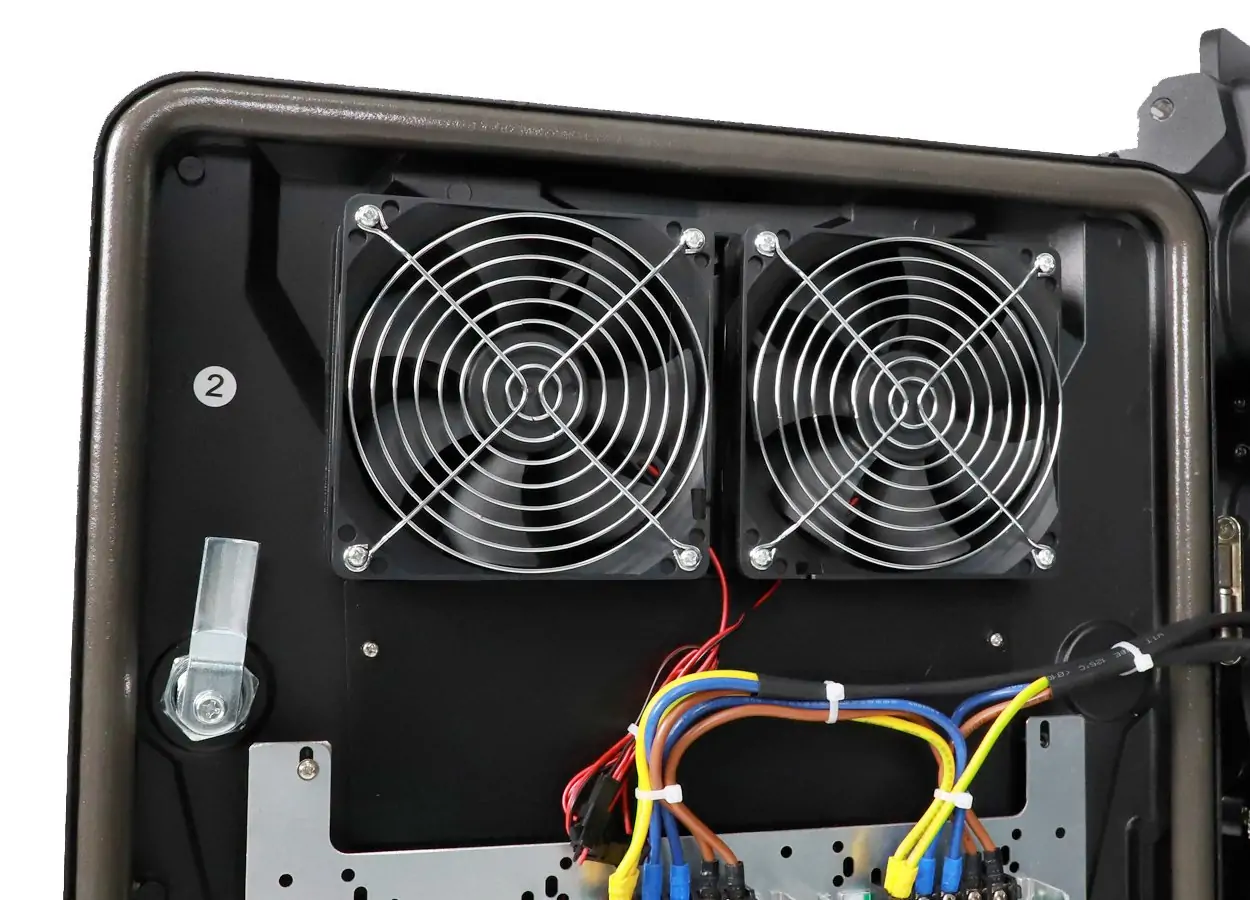
Traceability connects a finished cabinet with the materials and production records used to build it. This becomes valuable when a field problem affects only part of an installation.
Choose a finished unit and ask staff to retrieve its available history: material batches, assembly records, inspection results, and repair status.
Review incoming quality control, in-process inspection, and outgoing inspection. The labels matter less than whether the records show what was checked, what failed, and who approved the outcome.
Ask the LED screen supplier to demonstrate how rejected material is separated from usable stock. Examine a closed corrective-action record to see whether the cause was addressed and effectiveness checked.
Evidence to retain: a redacted traceability example, relevant inspection forms, and the identification method that will appear on your shipment.
For distributors, agree how those identifiers will carry through spare-parts orders and customer support requests.
7. Checks 7–8: Witness Display Testing and Aging Tests
01. Test Brightness, Color Uniformity, and Refresh Rate
Evaluate an assembled display using the proposed control system and operating configuration. Attractive promotional video is useful for demonstration, but it can conceal defects that simple test patterns reveal.
Ask the LED screen supplier to show solid colors, white, grayscale ramps, dark content, fine text, and motion. Inspect the wall from representative viewing positions and at the brightness levels the project will use.
| Test | What to observe or measure | Conditions to record |
|---|---|---|
| Solid red, green, and blue | Failed pixels, lines, and localized inconsistency | Brightness setting and inspected area |
| White and neutral gray | Module differences, cabinet boundaries, color uniformity | White-point setting, warm-up, and measurement method |
| Dark gradients | Banding, unstable low-level output, lost shadow detail | Processing settings and operating brightness |
| Fine text and grid patterns | Mapping errors, scaling, alignment | Input resolution and pixel mapping |
| Moving content | Judder, tearing, visible artifacts | Source frame rate and processing configuration |
| Camera capture | Bars, scan artifacts, moiré, exposure interactions | Camera, lens, shutter, frame rate, and movement |
Refresh rate and video frame rate describe different aspects of display operation. A headline refresh specification does not guarantee a clean camera image. NovaStar’s documentation describes matching LED refresh timing with camera exposure parameters, reinforcing the need to test the complete setup. NovaStar xR solution.
Moiré also requires separate attention: interaction between the screen’s pixel grid and the camera sensor can produce patterns that refresh adjustments alone will not resolve. Include representative camera positions and movements. Brompton’s technical explanation.
Have the LED screen supplier record the agreed results and settings as part of sample approval.
02. Review Aging Test Logs and Defect Resolution Records
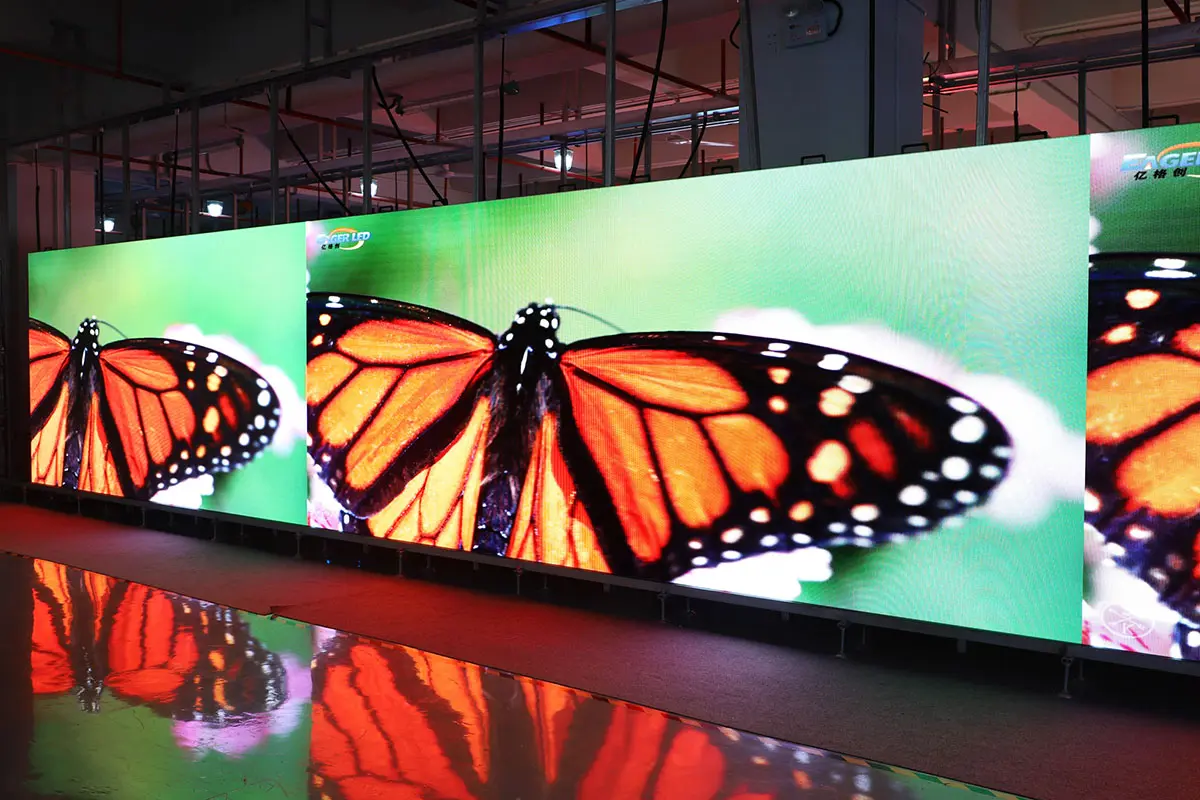
Aging, sometimes called burn-in, operates modules or assembled screens for a defined period under specified conditions. For purchasing purposes, its value depends on the procedure, monitoring, and response to failures.
Ask the LED screen supplier which products are tested, what content or patterns run, which brightness settings are used, and how interruptions are recorded. Check whether repaired units undergo repeat testing.
A photograph of illuminated cabinets does not establish test duration or coverage. Request records tied to your order or identifiable production units.
EagerLED’s public company page states that its panels undergo a 72-hour aging test before delivery. Buyers should confirm the applicable procedure and order records rather than interpreting duration alone as a lifetime guarantee. EagerLED company information.
Agree on the reporting format before production. It should make failures, repairs, retests, and final release visible, with a named person responsible for approval.
A visual example of an LED display aging test. Use it alongside the order-specific test duration, settings, and inspection records requested above. Watch on YouTube.
8. Checks 9–10: Verify Compliance and Installation Readiness
01. Match Compliance Documents to Your Model and Market
Ask the LED screen supplier for documentation relevant to the destination market and exact product configuration. Check model identifiers, applicant details, report scope, and the relationship between the tested product and the quoted equipment.
For CE-marked equipment, the European Commission explains that manufacturers are responsible for the applicable conformity assessment, technical documentation, and EU declaration of conformity. A generic certificate image should not replace review of the relevant documentation. European Commission guidance.
When UL certification is claimed, use UL’s Product iQ database to verify the relevant product or component record. UL Product iQ.
| Document or claim | What to check | What it does not establish by itself |
|---|---|---|
| EU declaration of conformity | Product identity, applicable legislation, responsible entity | Suitability for every installation environment |
| Laboratory test report | Model, test scope, configuration, issuing laboratory | Coverage of materially different variants |
| Component certification | Exact component and conditions of use | Certification of the complete LED display |
| Management-system certificate | Entity, site, scope, and validity | Acceptance of your particular shipment |
| IP rating evidence | Tested enclosure and assembled condition | Performance under every outdoor exposure |
An LED screen supplier should be able to explain these distinctions. Resolve missing or mismatched documentation before shipment.
02. Inspect Cabinet Fit, Weather Protection, and Service Access
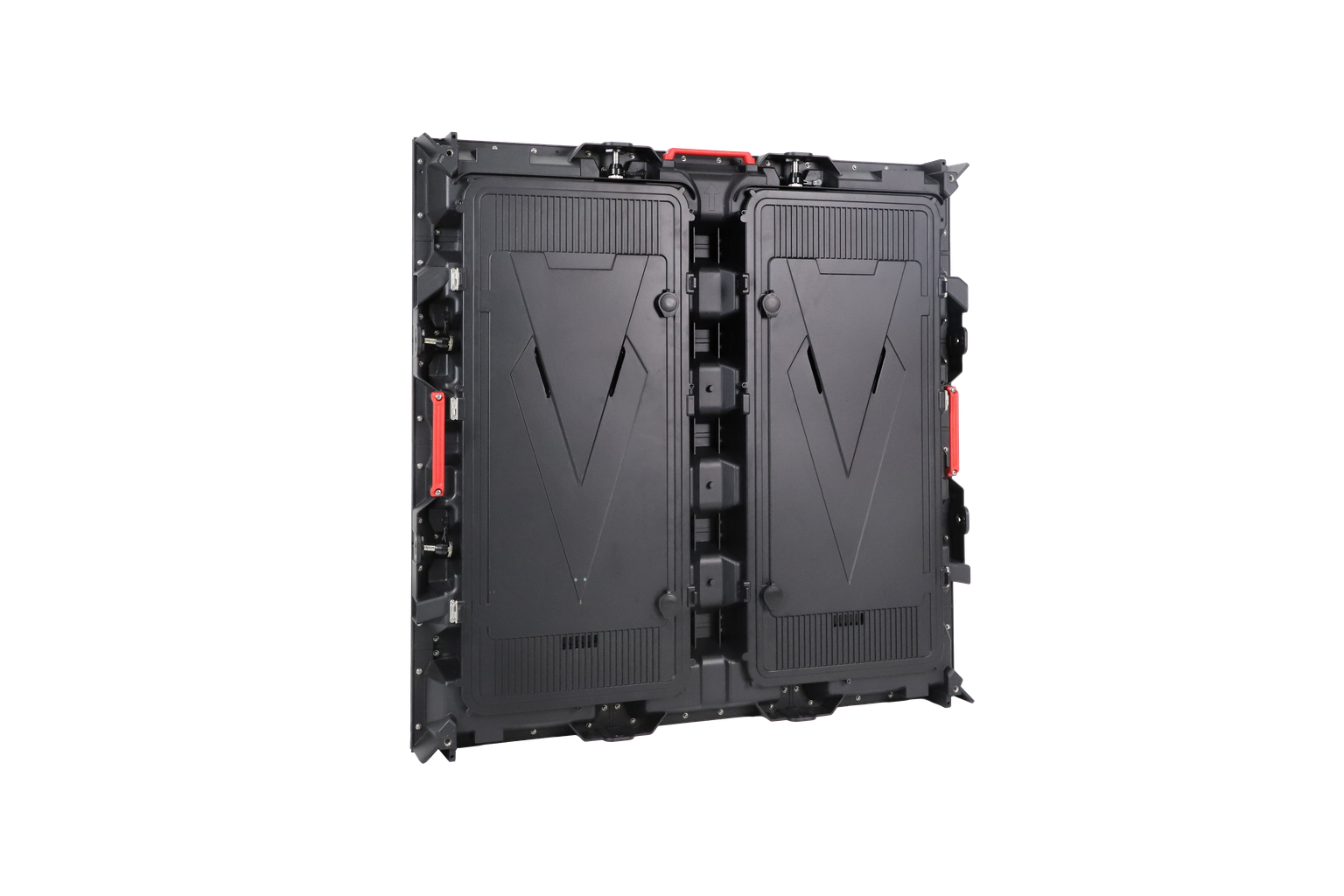
Assemble representative cabinets into a larger section. Check alignment, seams, locks, fasteners, cable routing, and access to replaceable parts.
Ask a technician to remove and reinstall a module using the proposed maintenance method. Include power supplies and receiving cards: “front service” should describe the components you actually need to reach.
For outdoor equipment, verify what the stated ingress-protection rating covers. IEC 60529 classifies protection provided by enclosures; the relevant evidence should correspond to the enclosure and configuration being supplied. IEC 60529.
Ask the LED screen supplier about front and rear protection, cable entries, seals, drainage, ventilation, and maintenance requirements. Treat corrosion exposure, heat, and structural loading as additional project questions.
Confirm who designs and approves the support structure. Cabinet drawings provide necessary inputs, but they do not replace site-specific structural design.
Our outdoor LED screen guide provides additional context on brightness, environmental protection, and installation costs.
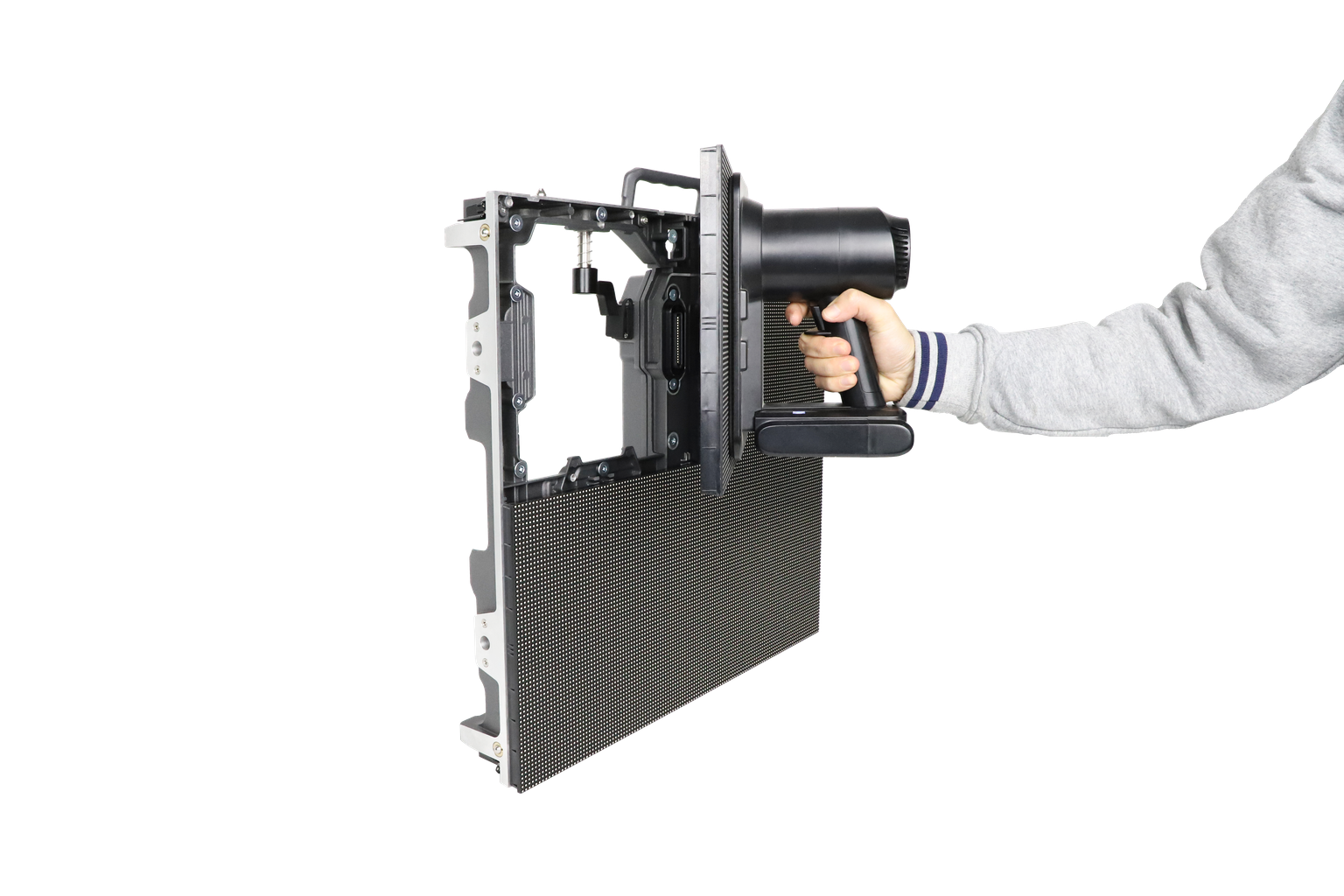
A bracket installation example to support discussions about assembly instructions, service access, and project-specific installation requirements. Watch on YouTube.
9. Checks 11–12: Evaluate Purchase Terms and After-Sales Support
01. Compare Total Costs, Payment Terms, and Acceptance Criteria
Normalize quotations before comparing totals. Include control equipment, distribution hardware, cables, mounting accessories, transport packaging, spare parts, training, and commissioning support where required.
Ask each LED screen supplier to separate included items from optional or excluded work. Identify who pays for inspection, corrective work, repeat inspection, and shipping-related expenses under the agreed terms.
Acceptance criteria should turn expectations into a repeatable decision. Define test conditions, defect classifications, inspection scope, documentation requirements, and the process for resolving nonconformities.
Avoid using a universal factory score as the only approval method. A low price should not offset an unresolved identity mismatch or missing essential documentation.
| Decision | Appropriate situation | Required next action |
|---|---|---|
| Approve | Critical requirements verified; evidence complete | Release the agreed purchasing milestone |
| Approve conditionally | Specific, manageable gaps remain | Assign owners and closure deadlines |
| Hold | Important evidence or testing is incomplete | Obtain evidence before progressing |
| Reject | Material misrepresentation or unacceptable unresolved risk | Document the reason and select an alternative |
Tie commercial milestones to documented deliverables where practical. Both parties should understand what constitutes acceptance before the LED screen supplier begins production.
02. Confirm Warranty Coverage, Spare Parts, and Support Times
Read the warranty as a service procedure. Establish when coverage starts, which failures qualify, who diagnoses them, and whether the remedy is repair, replacement, or another agreed action.
Ask the LED screen supplier who pays for freight, duties on replacement shipments, on-site labor, and access equipment. These responsibilities can matter as much as the stated warranty period.
Specify spare modules, power supplies, receiving cards, and other critical items according to the project’s downtime requirements. Agree on identification, storage guidance, and configuration files.
Same-batch modules may help replacement planning, but a visual match should still be checked. Calibration and the condition of the installed screen also matter.
Before ordering, send a realistic support question. Evaluate whether the response addresses the technical issue and identifies a responsible person. The LED screen supplier should define escalation contacts, working hours, and any response commitments in writing.
10. FAQ
01. Can I evaluate an LED screen supplier without visiting China?
Yes. Combine document review, a live factory walkthrough, independent inspection where appropriate, and sample testing. Direct the walkthrough yourself: request specific production areas, unit identifiers, and records. A prepared video has limited value for verifying current operations. Remote qualification should still be followed by inspection of the actual order before shipment.
02. How much should a factory audit cost?
There is no single useful price for every audit. Cost depends on location, duration, travel, technical scope, testing equipment, and reporting requirements. Request itemized proposals against the same checklist. Confirm whether the service evaluates manufacturing systems, performs product inspection, or includes both; these are different assignments.
03. Should a first order be a sample, pilot batch, or full screen?
Match the first purchase to what remains uncertain. A module sample can support initial component and image evaluation. Several assembled cabinets reveal alignment and system behavior. A pilot installation can test commissioning and support. Ask the LED screen supplier which risks the proposed sample can demonstrate—and which will remain untested.
04. Can I combine cabinets from different suppliers in one LED wall?
Do not assume compatibility from matching dimensions and pixel pitch. Mechanical interfaces, scan configurations, receiving cards, firmware, LED characteristics, and calibration may differ. Even cabinets that connect successfully may show visible boundaries. Have the LED screen supplier validate the exact combination before planning mixed inventory or future expansion around it.
05. Which files should I receive for future maintenance?
Request the approved specifications, cabinet and wiring drawings, connection maps, controller configuration, applicable receiving-card files, firmware versions, calibration data where available, and operating instructions. Agree on access rights and backup responsibilities. Identify which files can be restored by your technicians and which procedures require supplier assistance.
06. Can an LED screen supplier guarantee perfect camera performance?
A meaningful commitment needs defined conditions. Camera model, lens, distance, shutter, exposure, frame rate, panel settings, and movement can affect results. Agree on a representative camera test and preserve its configuration. Broad promises such as “flicker-free for all cameras” are insufficient for specifying a broadcast or studio installation.
07. What should I do if the supplier changes a component?
Request a written change notice identifying the original part, proposed replacement, reason, and affected orders. Ask for an assessment of performance, compatibility, reliability, and compliance implications. The LED screen supplier should obtain your approval before implementing a change covered by the agreed change-control procedure. Significant changes may require repeat sample testing.
08. How many spare modules should I order?
Base the quantity on screen size, accessibility, acceptable downtime, replacement lead time, and whether several installations share compatible parts. There is no universal percentage suitable for every project. Ask the LED screen supplier to explain its recommendation and identify which items would stop the screen from operating if unavailable.
09. How should I prepare an inquiry for EagerLED?
Provide dimensions, installation country, indoor or outdoor use, closest viewing positions, content, maintenance access, camera requirements, and target delivery date. Add drawings or site photographs where available. EagerLED’s published range includes fixed, rental, indoor, and outdoor display products, so a specific brief helps focus the product discussion. Request a proposed configuration, itemized quotation, documentation list, and inspection plan rather than only a price per square meter.
11. Conclusion
A dependable LED screen supplier should make its claims verifiable. Business records establish accountability; production records show control; witnessed tests demonstrate the agreed configuration; written service terms define what happens after delivery.
Use these 12 factory checks to build an approval record for your project. Resolve critical gaps before moving to the next purchasing milestone, and retain the approved BOM, test settings, inspection results, and support commitments.
Whether you are discussing a single installation with EagerLED or qualifying an LED screen supplier for recurring distribution orders, start with a clear application brief. Then ask for evidence tied to the exact equipment you intend to purchase. That approach makes quotations easier to compare and gives your installation and service teams a more reliable basis for delivery.
Contact EagerLED with your project brief to discuss the proposed configuration, quotation scope, and inspection requirements.