A transparent LED screen for a stage puts moving images in front of performers, scenery or lighting while leaving open space between LED strips. That see-through effect can create layered concert visuals, reveal a product or preserve a theatre set. It also creates trade-offs: a transparent LED display has less continuous image area than a solid LED wall, and results depend heavily on backlighting, content and audience distance.
This guide explains when a transparent LED stage screen is worth specifying, how to compare pixel pitch, transparency, brightness and protection, and what a production team should confirm before ordering. It covers indoor concerts, touring shows, theatre, exhibitions and outdoor stages. Use the figures as planning prompts; request the exact configuration’s datasheet and an on-site test before making a final selection.
- Start with the visual brief: use transparent LED when performers, scenery or lighting must remain visible through the image; use a solid wall for an opaque, detail-heavy video background.
- Check the closest viewer and camera: compare both horizontal and vertical pixel pitch, cabinet resolution and sample footage at the actual viewing distance.
- Test the full lighting cue: rear light can make the LED grid visible and lower apparent contrast, even when the published transparency figure is high.
- Specify the site: confirm cabinet weight, support design, weather exposure, power, service access and spare parts before approving a quote.
Real product example: EagerLED lists the EA1000TOR1 outdoor rental transparent LED screen with 1000 × 500 mm cabinets weighing 7.5 kg each. Its P3.91–7.82 configuration is listed at 60% transparency, and the product page states IP65 protection. These are model-specific published specifications; confirm the current datasheet and the complete installation for your event.
1. What is a transparent LED screen for a stage?
A transparent LED screen uses spaced LED strips or an open-grid cabinet. The gaps allow some light and sightline through the display. When bright pixels play against a controlled, darker background, graphics can appear to float in front of actors or scenic elements. When content is black or the display is off, the structure remains visible at close range; it does not become invisible glass.
For stage use, the screen is usually built from modular rental cabinets that can be flown from approved rigging or installed on a properly engineered ground support. Some installations are fixed. The production design determines whether the screen sits upstage, midstage, on a side wing or in front of a reveal. Each position changes the required viewing angle, maintenance access and safety plan.
A transparent LED display is most useful when the audience must see both the digital layer and real scenery or performers behind it. If the brief calls for a completely opaque, high-resolution video background, a conventional stage LED display may be a better starting point. The decision should come from the visual concept, not the word “transparent” alone.
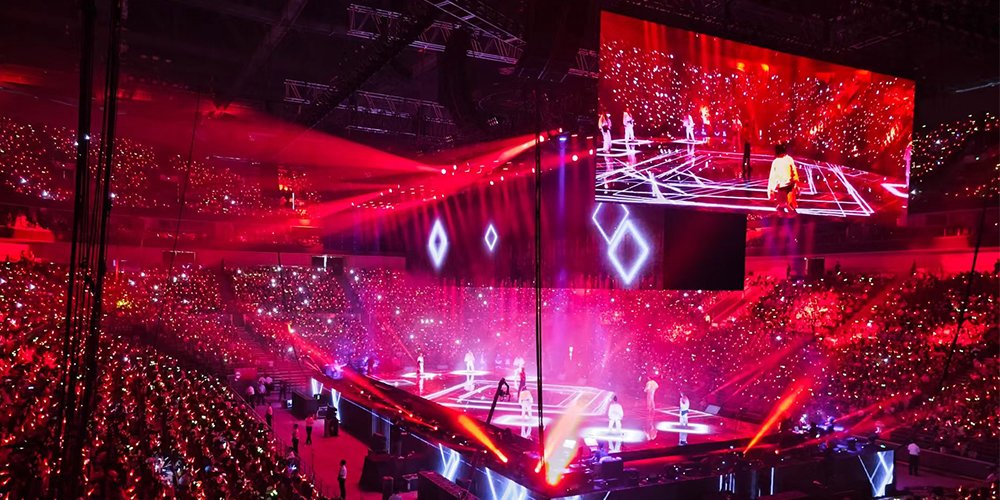
2. Where does a transparent LED stage screen work best?
01 Concerts and touring performances
In concerts, a transparent LED screen can form a midstage visual layer while moving lights, dancers or a second LED wall remain behind it. Designers can cue the transparent layer only for selected songs, then reveal the physical stage again. For a touring transparent LED screen, cabinet locks, transport cases, service access, spare modules and repeatable alignment matter as much as image specifications.
02 Theatre and live events
For theatre, a transparent LED screen can place atmospheric graphics in front of a practical set without replacing the set. The close seating and side viewing common in theatres make pitch, strip visibility, off-axis color and quiet operation important. A transparent LED theatre backdrop should be tested under the actual front and rear lighting cues: lighting behind the screen can reveal the cabinet grid and reduce contrast.
03 Product reveals, exhibitions and ceremonies
A product reveal can use a transparent LED display for a brand animation and then bring the physical object into view. At an exhibition, the display can preserve visibility into a booth while carrying motion graphics. For these closer audiences, short text and large shapes usually work better than dense data. A wedding or ceremony may use the same technique, but the screen should never block essential sightlines or compete with people on stage.
| Use case | What the transparent LED screen adds | First checks |
|---|---|---|
| Concert backdrop | Layers video with performers and lighting | Camera tests, rear lighting, rigging and spares |
| Theatre scenery | Preserves a physical set behind digital effects | Closest seat, side angle, black-level cue |
| Product reveal | Moves from graphics to a visible physical object | Reveal timing, background contrast, sightlines |
| Outdoor festival | Creates an open scenic surface on a large stage | IP rating, wind engineering, daylight brightness |
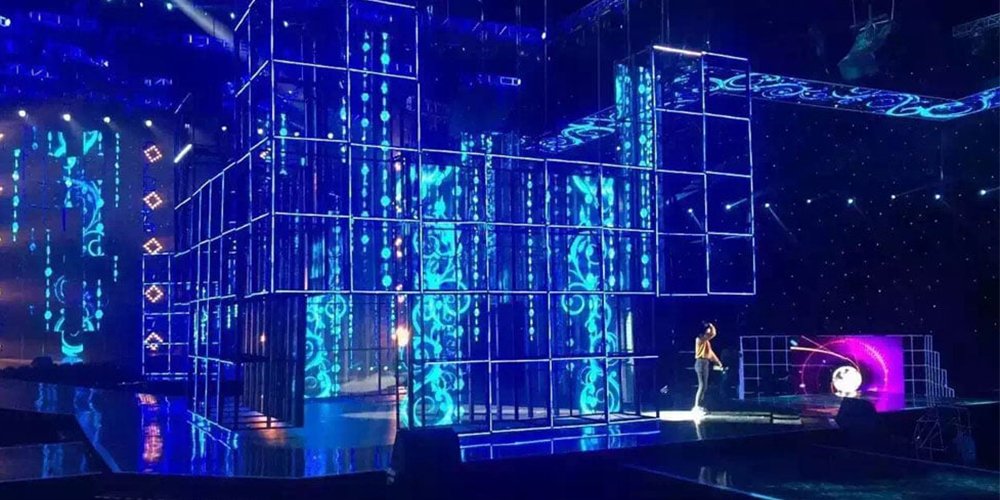
3. How do transparency, pitch and image quality interact?
The central specification choice is a three-way trade-off. More open area can improve the see-through effect, but fewer LED pixels are available to form an image. A smaller pixel pitch can show finer detail at a closer distance, often with a denser and more visible structure. Higher brightness helps images compete with stage lighting, but it does not restore contrast when the background behind the screen is brightly lit.
01 Pixel pitch and viewing distance
Pixel pitch is the center-to-center spacing of pixels, stated in millimeters. Transparent cabinets may have different horizontal and vertical pitch, such as P3.91–7.82; read both numbers on the datasheet. Do not infer image resolution from the model name. Calculate the active pixel count from the cabinet resolution and the final wall layout, then check the smallest text or logo that the show must display.
Viewing-distance rules of thumb can narrow the shortlist, but they are not an acceptance test. An audience at the first row, an IMAG camera and a phone camera can perceive the same transparent LED screen differently. Ask for a sample under the intended content, camera shutter settings and viewing distances.
02 Transparency and contrast
A quoted transparency percentage describes open area or light transmission under a manufacturer’s method. It is not a promise that every viewer will see clearly through the screen. Pixel pitch, cabinet frame, viewing angle, cables and the brightness of the scene behind all change the perceived result. The published specifications for EagerLED’s outdoor EA1000TOR1, for example, list 60% transparency for one P3.91–7.82 configuration and higher values for wider pitches. Compare the exact pitch rather than repeating a single percentage for every model.
03 Brightness and camera behavior
Request brightness in nits for the selected pitch and confirm how it is measured. Indoor stages may need less output than sunlit outdoor stages, while strong front lighting or a bright rear set can still wash out an indoor image. A video engineer should also test refresh rate, scan behavior, grayscale at low brightness and possible moiré with the actual cameras. A high advertised refresh rate alone does not guarantee a clean broadcast image.
| Specification | Why it matters on stage | What to request |
|---|---|---|
| Horizontal and vertical pitch | Controls detail and visible strip spacing | Exact pitch and cabinet pixel resolution |
| Transparency | Determines how much scenery shows through | Value for the selected pitch and measurement method |
| Brightness | Competes with venue and daylight illumination | Calibrated nit value and dimming range |
| Refresh and scan | Affects recorded image and low-light smoothness | Camera test at show frame rates |
| Cabinet weight and size | Sets transport and load calculations | Per-cabinet weight, dimensions and rigging drawing |
| Ingress protection | Limits rain and dust exposure | Front/rear IP rating for the exact product |
| Power draw | Sizes distribution and cable runs | Maximum and typical W/m², input range |
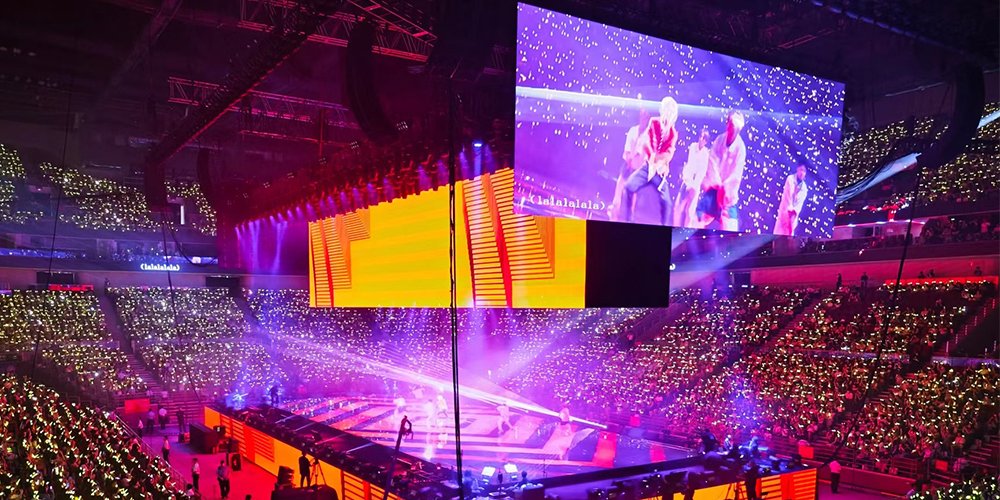
4. How should you choose an indoor or outdoor transparent LED display?
Start with the actual site conditions, not an indoor-versus-outdoor label. An indoor transparent LED display belongs in a controlled, dry venue. An outdoor transparent LED screen needs an appropriate enclosure, cable protection and a weather plan. A covered stage can still experience wind-driven rain, condensation and humidity. In tropical locations such as Malaysia, plan for moisture exposure and cooling; in hot, high-sun locations, verify brightness and thermal limits. These are project conditions, not claims that one country requires one model.
For the outdoor EA1000TOR1 rental transparent LED screen, EagerLED lists a 1000 × 500 mm cabinet, 7.5 kg cabinet weight, curved assembly options and IP65 protection. The listed transparency changes with pitch. Ask for the current technical sheet, power and wind-load documentation, and confirm whether the stated protection applies to all connectors and installation orientations. The older indoor EA1000TiR material describes a lightweight 1000 × 500 mm rental cabinet with up to 70% transparency; verify current availability and specifications before quoting it.
For a stage in the United States, United Kingdom, Australia, the UAE or another market, the same engineering questions apply, while electrical approvals, rigging rules and permitted installation methods vary locally. Your venue, licensed rigger and electrical contractor should confirm the applicable requirements. A supplier quote should identify the destination, event date and installation environment so the correct cabinet, power accessories and spares can be proposed.
| Decision | Indoor venue | Outdoor stage |
|---|---|---|
| Ambient light | Test against show lighting and rear set | Test at the brightest planned show time |
| Weather | Control moisture and ventilation | Confirm rated protection, rain plan and connectors |
| Structure | Check venue hanging points or floor loading | Engineer wind loading and emergency lowering plan |
| Service | Allow safe front or rear access | Plan protected, safe access between cues |
| Content | Check close viewers and cameras | Prioritize bold imagery readable in daylight |
5. What does a safe transparent LED stage installation require?
01 Rigging, support and wind
A transparent LED screen may present less solid surface than a conventional wall, but it still imposes dead load and wind load. Never assume its open area eliminates the need for engineered support. Confirm the total cabinet count, truss capacity, suspension hardware, safety bonds and local rules with a qualified rigger. For a ground-stacked screen, verify base width, ballast, floor capacity and protection from audience contact. Outdoor installations need a site-specific wind response plan.
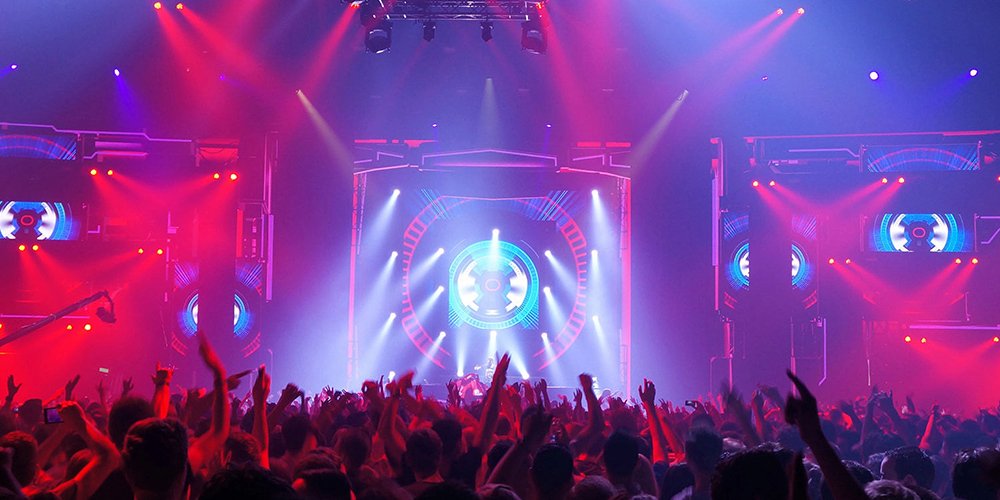
02 Power, signal and redundancy
Calculate peak power from the selected configuration and screen area, then size distribution, circuit protection and cable paths. Confirm input voltage and connector type for the destination. Map data lines so a single cable fault affects as little of the screen as practical. Carry spare receiving cards, power supplies, LED modules and signal cables matched to the production batch. Test the complete signal chain with the actual media server, processor and backup source.
03 Lighting, cameras and content
Design the screen and lighting as one system. A dark gap behind the transparent LED display strengthens floating-image effects; a bright set behind it can make graphics look pale. Avoid tiny type, thin lines and detailed faces when pitch and viewing distance do not support them. Rehearse transitions between opaque-looking video moments and open sightlines. Use camera rehearsals to check flicker, banding and moiré, especially where the LED grid overlaps scenic lines.
For the final handover, record wall dimensions, cabinet map, processor settings, brightness presets, power schedule, rigging sign-off and a contact for service during the show. These details are more useful than a generic statement that the transparent LED screen is easy to install.

6. How do you estimate size, resolution and total project cost?
First define the visible width and height from the stage drawing. For a 1000 × 500 mm cabinet, a 6 m wide by 3 m high rectangular wall uses six cabinets across and six high, or 36 cabinets, before spares and any special corners. This is an illustration, not a design approval: scenic openings, sightlines, structural limits and service access can change the layout. Ask the supplier for a cabinet map and exact pixel dimensions.
A transparent LED screen quote should separate the display from the complete installed system. Compare cabinets, processors, hanging or stacking hardware, cases, power and data cables, spares, shipping, customs, local labor and show support. Rental and purchase economics differ with event frequency and storage capacity. A cheaper cabinet can cost more overall if it needs extra structure, has slow service access or cannot share parts with the existing rental fleet.
When requesting pricing, include the venue city and country, indoor or outdoor use, dates, screen dimensions, closest viewer distance, camera plan, mounting method and target content. Include local power details and whether a curved layout is required. This makes quotations more comparable and lets the vendor flag a poor fit before hardware is shipped.
| Input | Example or question | Why it changes the proposal |
|---|---|---|
| Screen geometry | Width, height, corners or curve | Cabinet quantity and structural plan |
| Audience and cameras | Closest seat and camera positions | Pitch, refresh and content choices |
| Site and dates | Venue, country, event schedule | Shipping, weather and labor planning |
| Installation | Flown or ground supported | Rigging, ballast and access |
| Media and lighting | Sample content and lighting plot | Brightness and contrast test |
| Scope | Rental or purchase, spares, support | Comparable total project cost |
7. How does a transparent LED screen compare with alternatives?
A solid rental LED wall gives continuous pixels and usually stronger apparent contrast for detailed video. A transparent LED screen preserves background visibility and allows layered scenic effects. LED mesh or curtain products can serve very large, distant backdrops with high openness, while their coarser pitch may limit detail. Projection on scrim can create a different reveal effect but depends on controlled ambient light and projector placement. The best option is the one that meets the show brief at the audience’s actual viewing distance.
Do not describe a transparent LED screen as a hologram. It is a physical display with a visible structure and a particular viewing envelope. A “floating” image comes from content design, darkness behind the screen and audience position. If your concept needs a close-up human face, dense sponsor text or a seamless full-screen image, compare a solid wall and transparent sample side by side.
For broader applications such as shop windows and building glass, see EagerLED’s transparent LED screen overview. This article focuses on stage decisions so it does not duplicate that general product guide.
8. Frequently asked questions about transparent LED stage screens
Is a transparent LED screen truly see-through?
Yes, light and sightlines pass through openings between LED elements, but the frame and strips remain physical and visible. The perceived transparency changes with pitch, viewing angle, background brightness and content. Ask to see the exact transparent LED screen under show lighting.
What pixel pitch should a concert stage use?
Choose from the closest audience and camera positions, the content’s smallest important detail and the transparency the design needs. A wider pitch can suit a distant scenic backdrop; a closer audience may need a finer pitch. Compare exact horizontal and vertical pitch and test a sample rather than relying on one universal distance formula.
Can a transparent LED display be used outdoors?
Only if the selected model and full installation are suitable for the exposure. Check the product’s front and rear IP ratings, connector protection, operating conditions, structural engineering and wind plan. The outdoor EA1000TOR1 product page lists IP65, but the project still needs site-specific review.
Does a transparent LED screen work with stage lighting?
Yes, coordinated lighting is one of its strengths. However, bright lighting behind the display can reduce video contrast and expose the grid. Program rear lights and video together, then rehearse the most demanding cues from audience and camera positions.
Is a transparent LED screen better than a normal LED wall?
It is better when seeing performers, scenery or light through the digital layer is essential. A solid LED wall is often better for dense text, high-detail footage and an opaque background. Make the choice from the visual brief and sample test, not from a generic ranking of technologies.
What should be included in the supplier quote?
Request the exact pitch and cabinet count, processor, power and data package, support hardware, cases, spares, shipping, labor, warranty and show support. Share the venue location, dates, weather exposure, rigging plan and camera requirements so a transparent LED stage screen can be specified accurately.
9. Conclusion: specify the transparent LED screen around the show
A transparent LED screen can make a stage feel deeper by combining digital content with real performers, sets and lights. Its value comes from that layered effect. Select the screen by actual viewing distance, transparency, pitch, brightness, weather exposure and safe installation requirements. Then test it with the intended content and cameras.
If you are planning a concert, theatre production, exhibition or outdoor festival, send EagerLED the stage drawing, venue location and technical brief. The team can compare a transparent LED stage screen with other rental LED display options and provide a configuration-specific proposal.