Choosing an LED display manufacturer is a project decision, not a catalog decision. A screen can look impressive in a showroom and still fail your site because its pixel pitch, brightness, cabinet access, structure, controller or support plan was never matched to the installation. This guide explains how to compare LED display manufacturers with evidence you can request before paying a deposit.
Start with your use case, viewing distance, screen dimensions, ambient light, operating hours and local compliance requirements. Then send the same brief to every LED display manufacturer on your shortlist. Ask each supplier to identify the exact model, components, test records, warranty scope and complete delivered price. The goal is a screen that performs as specified and can be maintained throughout its useful life.
Quick answer: To choose an LED display manufacturer, send each factory the same site brief, compare exact model specifications and a live sample, verify production and acceptance-test records, calculate the complete installed cost, and put warranty and spare-parts terms in writing. The best supplier is the one that can prove the proposed screen fits your project and can support it after installation.
About this guide: EagerLED manufactures and sells LED displays. The model examples below come from our published product specifications; confirm the final configuration, test evidence and commercial terms for your own order.
1. Define the project before contacting an LED display manufacturer
Before comparing LED display manufacturers, record the location, installation height, nearest and farthest viewing positions, available wall area, expected content, daily operating hours and who will maintain the system. Include photos, dimensioned drawings and any restrictions on drilling, loading or rear access. For outdoor projects, identify wind exposure, rain direction, solar exposure, temperature range and power availability. A good LED display manufacturer will challenge an incomplete brief instead of recommending the same cabinet for every job.
01. Match pixel pitch to actual viewing and content
Pixel pitch is the center-to-center distance between adjacent pixels in millimeters. A P2 wall has 2 mm pitch; at the same physical size it contains more pixels than P4. That does not make P2 automatically better. The smallest text, nearest viewer and budget determine whether the extra resolution has value. Request the finished wall’s native pixel width and height, then test your real slides or advertising creative at the intended viewing distance. Avoid choosing pitch from a one-number viewing-distance rule.
02. Specify brightness and environment separately
Brightness is usually stated in nits, equivalent to cd/m². Indoor conference rooms and sunlit outdoor facades require very different output. Ask for both maximum and typical operating brightness on the exact model, plus a way to dim the wall appropriately. Outdoor LED displays also need model-specific ingress protection and an installation that preserves that protection around cabinets, connectors and cable entries. For a shop window, assess sunlight and heat even when the screen itself sits indoors.
03. Define a complete deliverable
State whether the LED display manufacturer is supplying modules only, cabinets, a complete wall, controller, media player, structure, cabling, commissioning or on-site training. Record the required input formats and content-management workflow. This prevents a low screen price from hiding essential equipment and labor. Ask for a cabinet layout, wiring diagram, power schedule, packing list and acceptance criteria with the offer.
2. Choose the right display type and cabinet architecture
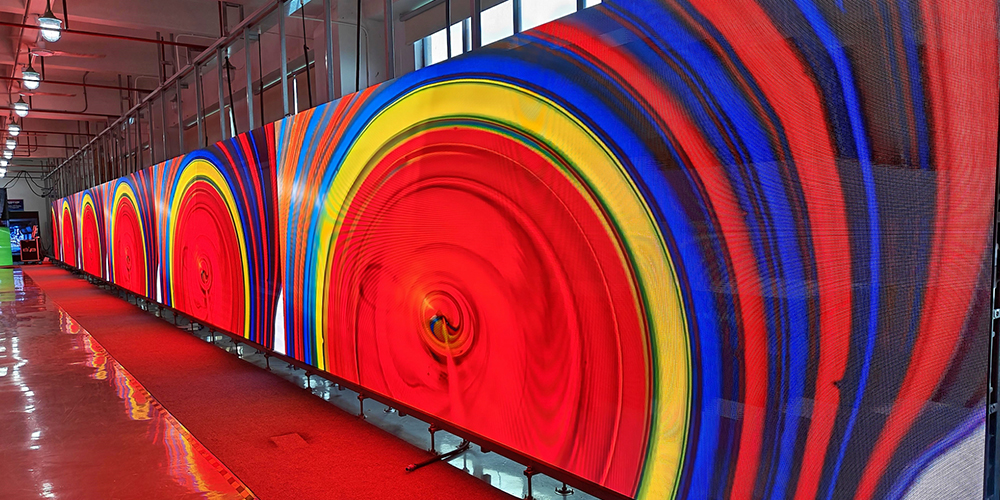
An LED display manufacturer may offer fixed indoor, fixed outdoor, rental, transparent, flexible and fine-pitch systems. These are different engineering choices. The enclosure, service method and optical specification must suit the application. Use this comparison to narrow the request for quotation; verify final values on the proposed model’s datasheet.
| Display type | Typical use | Key question for the manufacturer | Common trade-off |
|---|---|---|---|
| Fixed indoor | Meeting rooms, retail walls, control rooms | Can every serviceable part be reached from the available side? | Finer pitch raises pixel count and cost. |
| Fixed outdoor | Facades, billboards, public information | What are the rated brightness, IP protection and wind-load assumptions? | Structure and access can dominate project cost. |
| Rental/staging | Events and touring | How do locks, corner protection and fast replacement work? | Low weight and speed may matter more than minimum pitch. |
| Transparent | Retail windows and glass facades | What are the measured transparency and legibility under site lighting? | Transparency reduces the solid image area. |
| Flexible/curved | Columns and shaped installations | What is the permitted bend radius and supporting structure? | Custom geometry complicates service and content mapping. |
For product examples, compare EagerLED’s indoor LED screens, transparent LED screens and flexible LED screens. These pages describe product families; your purchase order should still name the exact configuration.
3. Compare LED display manufacturer specifications on equal terms
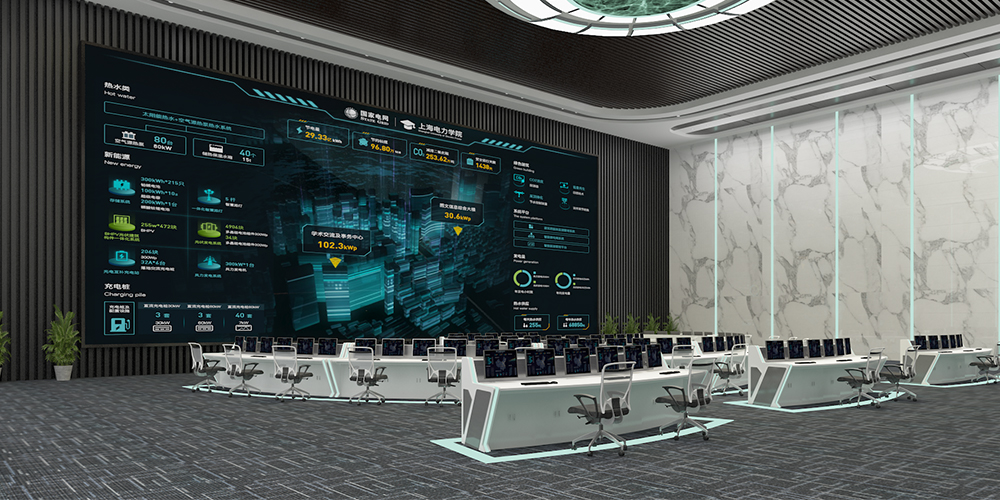
Two LED display manufacturers can quote the same pitch and cabinet size while proposing very different electronics and operating conditions. Compare the exact LED package, module matrix, cabinet dimensions, refresh method, power supply, receiving card, controller capacity, operating temperature and maintenance access. Require a dated datasheet and note whether each value is guaranteed, nominal or maximum.
01. Check resolution, processing and camera behavior
Compute wall resolution from its physical dimensions and pixel pitch, then confirm it against the manufacturer’s cabinet layout. For example, a 4 m wide P2 wall has approximately 2,000 pixels across before allowing for actual cabinet increments. A 16:9 shape does not guarantee Full HD or 4K. If cameras will record the screen, ask to test refresh rate, scan mode, grayscale, synchronization and shutter settings together. A large refresh-rate number alone cannot guarantee flicker-free footage.
02. Check power, heat and service access
Ask the LED display manufacturer for maximum and typical power draw for the proposed wall, with the measurement conditions stated. Electrical design should use the maximum load, while operating-cost estimates should use a realistic content and brightness profile. Confirm circuit capacity, grounding, ventilation, fan noise if relevant and the space required to remove modules or power supplies. Front service is valuable when the wall has no rear corridor, but verify that every frequently replaced component is accessible from the front.
03. Request a model-specific specification matrix
Use the following RFQ matrix with every LED display manufacturer. It turns vague claims such as “high brightness” or “low power” into comparable commitments. Fill missing values before selecting a supplier.
| Specification | What to request | Why it matters |
|---|---|---|
| Model and pitch | Exact series, pitch, LED package and module matrix | Prevents a sample or quote from describing a different build. |
| Wall geometry | Cabinet drawing, total dimensions and native resolution | Confirms content aspect ratio and mounting fit. |
| Optical performance | Brightness at stated settings, uniformity and viewing angle | Establishes readability under real ambient light. |
| Video performance | Refresh/scan method, grayscale, controller and input support | Matters for cameras, fine text and source compatibility. |
| Environment | IP rating by face, temperature range and corrosion options | Matches enclosure to rain, dust and climate. |
| Electrical | Maximum/typical W per m², voltage and circuit schedule | Supports safe power design and running-cost estimates. |
| Maintenance | Front/rear access, spare module policy and replacement procedure | Determines downtime and lifecycle cost. |
Technology labels need context. SMD is a packaging approach used across many indoor and outdoor systems; COB and GOB describe different protective or packaging methods. Ask what problem the proposed construction solves for your application and how it affects repairability. An LED display manufacturer should show a test sample and a written service process, not rely on a fashionable label.
04. Apply the checklist to a named model
For a wall with no rear service corridor, EagerLED’s EA640F2 indoor model illustrates what to verify: its published cabinet size is 640 × 480 mm, depth is 60 mm and cabinet weight is 7.5 kg; the module, power supply and receiving card are described as front-serviceable. Ask for the pitch variant, cabinet drawing, finished wall resolution and a demonstration that every listed part can actually be removed from the available side.
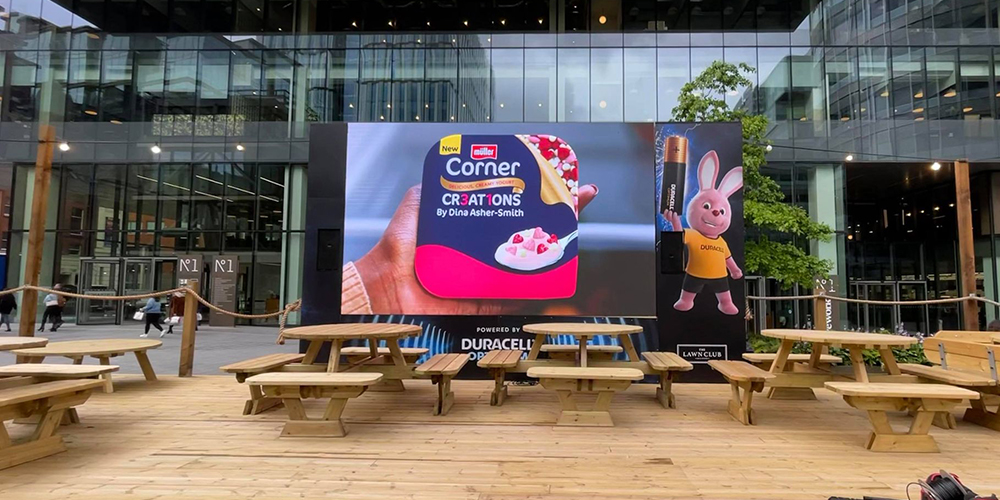
For a permanent outdoor billboard, the EA960F4 outdoor model lists a 960 × 960 × 80 mm cabinet, IP65 protection and front/rear access. Its published pitch variants span P4.44–P10. Ask which variant and cabinet layout are in the quotation, and request the relevant enclosure evidence, power schedule and maintenance clearance. These examples show how to turn product-page claims into order-specific checks; they are not substitutes for a signed specification.
4. Verify the LED display manufacturer and its quality controls
A distributor may provide excellent local service, while a factory may offer better control over customization. The essential question is who designs, assembles, tests and warranties your particular screen. Ask for the legal company name, factory address, production scope and the party responsible for defects. If the business claims to be an LED display manufacturer, request a live factory walkthrough or visit that follows your order from incoming components through assembly, calibration, aging and packing.
01. Trace components and production records
Ask the LED display manufacturer to list LED package, driver IC, power supply and receiving-card models on the approved bill of materials. Require a process for substitutions and lot tracking. Check incoming inspection, moisture-sensitive component handling, soldering inspection, module testing and calibration records. A brand list without exact part numbers offers little protection if parts change between the sample and the production run.
02. Witness acceptance tests
Agree on a factory acceptance test before shipment. Typical checks include dead or stuck pixels, cabinet seams, color and brightness uniformity, full-white and low-gray images, signal recovery after power cycling, temperature under load and the specified video inputs. For an outdoor installation, verify the relevant enclosure test evidence and inspect sealing, connectors and drainage details. Request dated photos or video tied to the serial or lot number of your order.
EagerLED describes its factory production line and quality-control workflow. Treat published processes as a starting point: ask the supplier for the records and acceptance results for the actual shipment. Certificates should identify the issuing body, model or family, and applicable market; a generic logo on a brochure is not enough.
03. Check compliance without assuming universal certificates
Electrical safety, electromagnetic compatibility, environmental and installation rules differ by country and application. Ask the LED display manufacturer which standards apply to your destination and whether the proposed model has current reports for those standards. CE, FCC, RoHS or other marks do not substitute for a local structural permit, licensed electrical work or a model-specific test report. Confirm who handles customs documents and any mandatory local approval before placing the order.
04. Watch for supplier red flags
Pause the selection if a supplier will not identify the legal manufacturer or exact model, changes components without written approval, cannot show acceptance-test evidence for your batch, omits the controller or structure from the quote, or offers a warranty without a fault-response and spare-parts process. Ask for clarification in writing and compare the revised answer with the same requirements sent to other suppliers.
5. Compare quotations and total cost of ownership
Ask every LED display manufacturer to price the same screen area, pitch, cabinet arrangement and delivery scope. Separate hardware price from controller, structure, shipping, duties, installation, calibration, training and spare parts. Note the currency, Incoterm, delivery location, lead time and payment milestones. A lower per-square-meter price can become the most expensive option after missing parts, site modifications or delayed service are included.
| Cost line | Ask the supplier to state | Common omission |
|---|---|---|
| Display hardware | Model, pitch, cabinet count and module count | Different pitch or LED package from the sample. |
| Control system | Sender, receiving cards, processor, media player and licenses | Processor or software quoted separately. |
| Structure and power | Mounting steel, distribution, cable lengths and grounding | Engineering and local installation labor. |
| Delivery | Packing, freight, insurance, duties and Incoterm | Import charges or damage risk. |
| Commissioning | Calibration, training and acceptance testing | On-site engineer travel. |
| Lifecycle | Spare modules, warranty freight, energy and service | Downtime and replacement parts. |
For energy budgeting, multiply the measured or quoted typical power (kW) by operating hours and the local electricity tariff. Model a realistic brightness schedule; a maximum-power rating represents an electrical design case rather than normal daily consumption. Keep supplier assumptions alongside the calculation so two LED display manufacturers are compared fairly.
6. Use a supplier scorecard before awarding the order
Score each LED display manufacturer against the same evidence. A simple weighted scorecard makes the decision transparent to procurement, AV engineering and operations. The weights below are a starting point; change them for a mission-critical control room, touring rental fleet or outdoor billboard.
| Criterion | Suggested weight | Evidence to request |
|---|---|---|
| Application fit | 25% | Model-specific sample, layout and viewing test |
| Technical compliance | 20% | Signed specification and relevant reports |
| Production and quality | 20% | Factory evidence, bill of materials and FAT plan |
| Service and warranty | 20% | Written response process, spares and warranty terms |
| Complete cost and delivery | 15% | Itemized quotation, schedule and logistics scope |
Give each criterion a score from 0 to 5 and multiply by its weight. Record the evidence beside the score. If a supplier cannot identify the actual power supply, service method or warranty exclusions, leave that criterion unscored until clarified. The best LED display manufacturer for one site may not be the best for another; your scorecard should reflect the project’s operating risk.
7. Plan installation, acceptance and support before shipment
The LED display manufacturer and local installer should agree on structural drawings, service clearance, cable routes, power distribution, network access and content inputs before the factory finishes production. For outdoor work, a qualified engineer must assess supporting structure and wind load under local rules. For indoor work, check wall capacity, HVAC, acoustics and access for future replacement. Never rely on an unverified cabinet weight or assumed ventilation clearance.
01. Define site acceptance
After installation, check physical alignment, visible seams, brightness at the operating setting, color uniformity, content mapping, controller failover where specified and recovery from a power interruption. Test at day and night conditions if the site changes significantly. Capture a baseline calibration file and screen photographs. Sign acceptance only against written criteria, with a punch list and remedy date for open items.
02. Make the warranty usable
Ask who diagnoses faults, who pays outbound and return freight, what response time is offered, and whether replacement modules will match the original color batch. Clarify exclusions for weather damage, voltage problems and unauthorized repairs. A two-year warranty has limited value if no compatible module can be obtained promptly. Keep a local spare kit sized to the installation and train staff to replace the parts they are permitted to service. EagerLED’s service and warranty page is a useful starting point for those questions; the purchase contract should state the terms that apply to your order.
8. Frequently asked questions about LED display manufacturers
01. How can I tell whether an LED display manufacturer is a real factory?
Request the legal entity and factory address, then ask for a live walkthrough showing incoming inspection, SMT or module assembly, cabinet assembly, calibration, aging and packing. Match serial or lot records to your proposed order. A trading company can still be a good supplier, but its manufacturing and warranty roles should be clear.
02. What should I send to an LED display manufacturer for an accurate quote?
Send the site location, indoor or outdoor exposure, photos and dimensions, viewing distances, content type, hours of use, service-access constraints, available power, delivery destination and installation scope. Ask for an itemized proposal with a cabinet drawing and native resolution.
03. Is a smaller pixel pitch always better?
No. Smaller pitch increases pixel density and often price. Choose it when the nearest viewer and content detail justify it. Compare real content on a sample at the closest planned viewing position and confirm the final wall resolution.
04. Which certifications should an LED display manufacturer provide?
Ask for the reports and declarations required in the destination market for the exact model and installation. Electrical safety, EMC and environmental obligations vary. Verify the issuing organization and product scope, and obtain local structural and electrical approvals separately.
05. How much should I budget beyond the LED cabinets?
Include video processing, playback, mounting, electrical distribution, cabling, freight, duties, installation, calibration, training, spares and service. Ask every LED display manufacturer to quote an identical scope so totals are comparable.
06. What tests should happen before final payment?
Agree on factory acceptance criteria before production. Review visual defects, uniformity, low-gray behavior, power cycling, inputs and applicable environmental evidence. The evidence should identify your shipment. Reserve a site acceptance step for installation and calibration.
9. Conclusion: select an LED display manufacturer with evidence
The strongest LED display manufacturer proposal connects your site requirements to a named product, verified production process, complete quotation and support plan. Compare LED display manufacturers using the same brief and written acceptance criteria. Test the proposed screen under real viewing and content conditions, then document components, spares and warranty responsibilities before signing. That process gives you a display that is easier to operate, maintain and justify over its full life.