

In 2025, innovations in advertising technology and creativity have reached new heights. As new digital trends emerge, the competition to capture the audience’s attention is at an all-time high. One of the most attention grabbing innovations this year is the LED film screen. It revolutionizes advertising by allowing brands to showcase ads on glass surfaces using high-tech film screens.
In this article, we will detail all the relevant information related to LED film screens. We will cover everything from how the screens work to effective advertising strategies, and we’ll present the information in a casual and approachable way.
2.How Does an LED Film Screen Work?
3.Benefits of Using LED Film Screens in Advertising
4.Best Places to Install LED Film Screens for Ads
5.Creative Ways to Use LED Film Screens in Advertising
6.How to Create Effective Ads on LED Film Screens
7.Comparison with other Traditional LED Displays
9.Cost of LED Film Screens in 2025
10.Case Studies: Successful LED Film Screen Advertising Examples
11.LED Film Screen Trends to Watch in 2025
12.Final Tips to Choose the Right LED Film Screen for Your Ad Campaign
1.What Is an LED Film Screen?
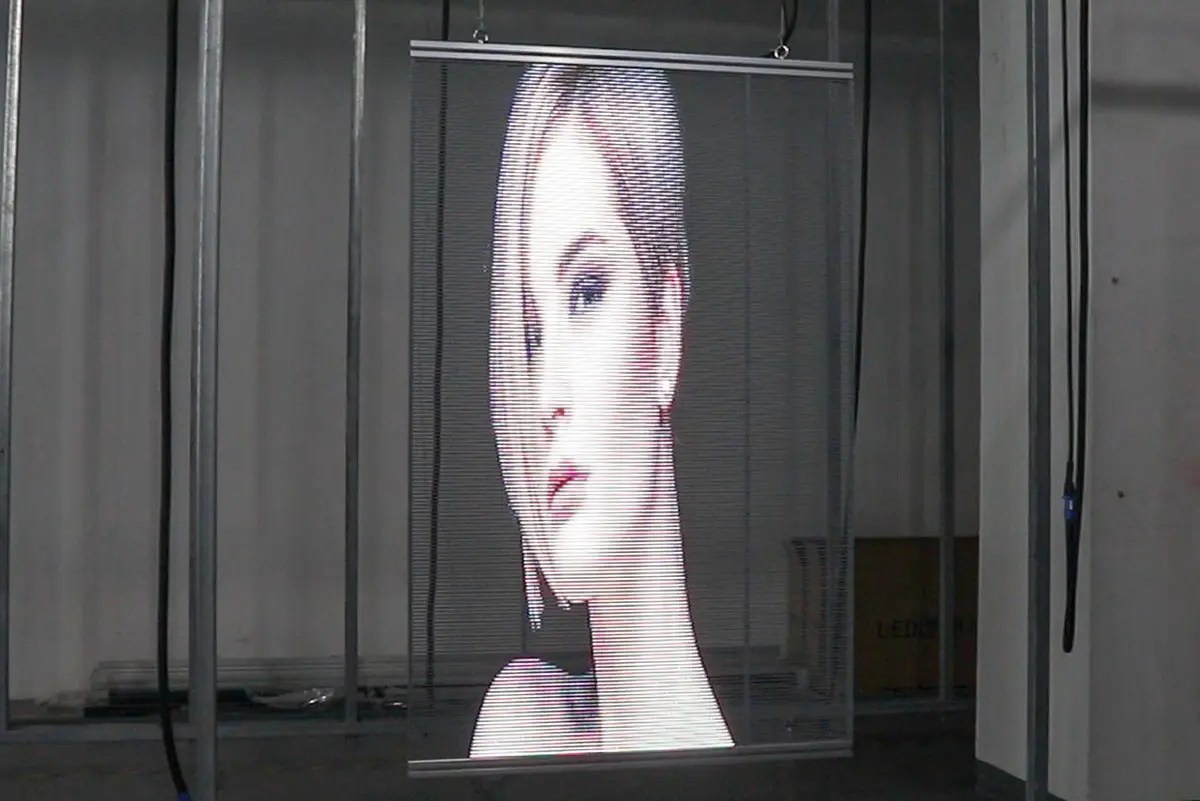
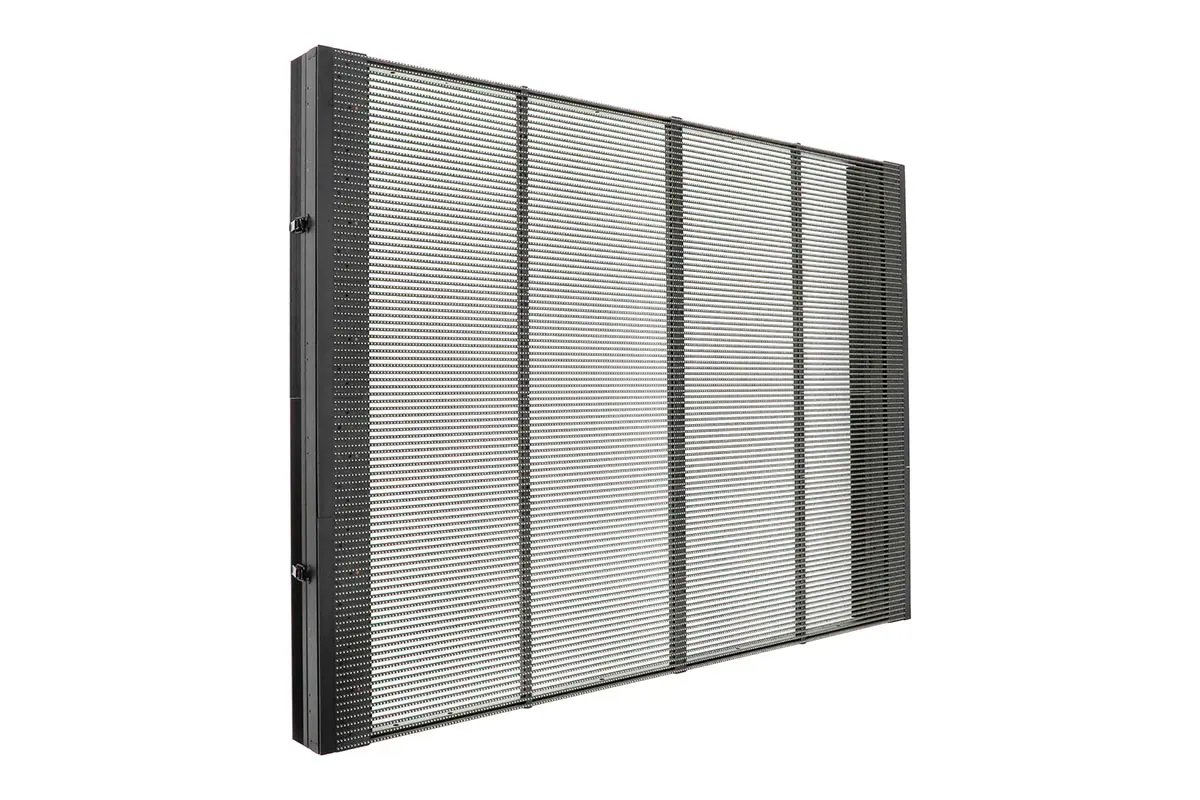
An LED film screen is a modern and sleek display technology that transforms windows and doors into live video exhibits. The screens differ greatly from traditional bulky LED panels in that they are lightweight, flexible and nearly invisible when turned off.
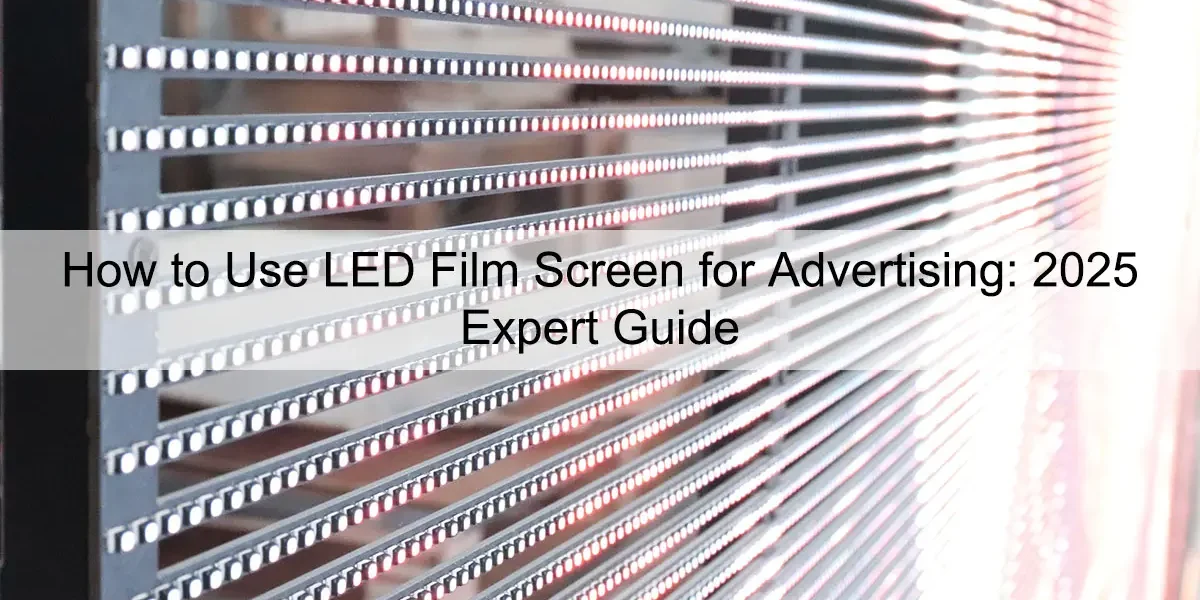
LED film screens consist of a transparent film made from PET or similar materials on which tiny LED lights are arranged, so you can also call it “LED transparent screen” or “transparent LED film”. The screen can produce vivid animations and text as well as video. Matched with a bright color when on and looking like plain glass when off, the screens preserve the LED and glass structure seamlessly.
These screens are used for semi and indoor placements showing items for sale as well as building facades. To a degree, the screens allow light in making it work well with the glass structure and optimal from an aesthetic perspective. This technology would work well as a shop window display.
1.1 Types of LED Film Screens
Adhesive LED Film: The first example of LED film screens is the Adhesive LED Film. This adhesive type is simply a sticker with a sticky back and is applied electronically. This type is useful for advertising during seasonal promotions.
Flexible LED Film: Ideal for circular or curved glass surfaces, these version strips can be bent and cut to fit glass shapes. It helps solve problems in modern design and architectural setups.
Rigid Transparent LED Panels: This subtype also has more structure, making it suitable for large commercial buildings that wish to have a more permanent installation. They have stronger brightness and are used in places that are sunnier.
1.2 LED Film Key Features:
- High transparency (up to 95%).
- Weight and dimensions: lightweight and ultra-thin (1-3mm).Glass surface dimensions are adjustable.
- No difficulty in removal and replacement.
- Windows and glass walls maintain a clean, seamless structural appearance.
- You only need to make a small alteration to the glass structure.
Architects and advertisers love them for their ability to blend in with glass and they also refer to them as glass LED screens, transparent LED films or window LED displays.
2.How Does an LED Film Screen Work?
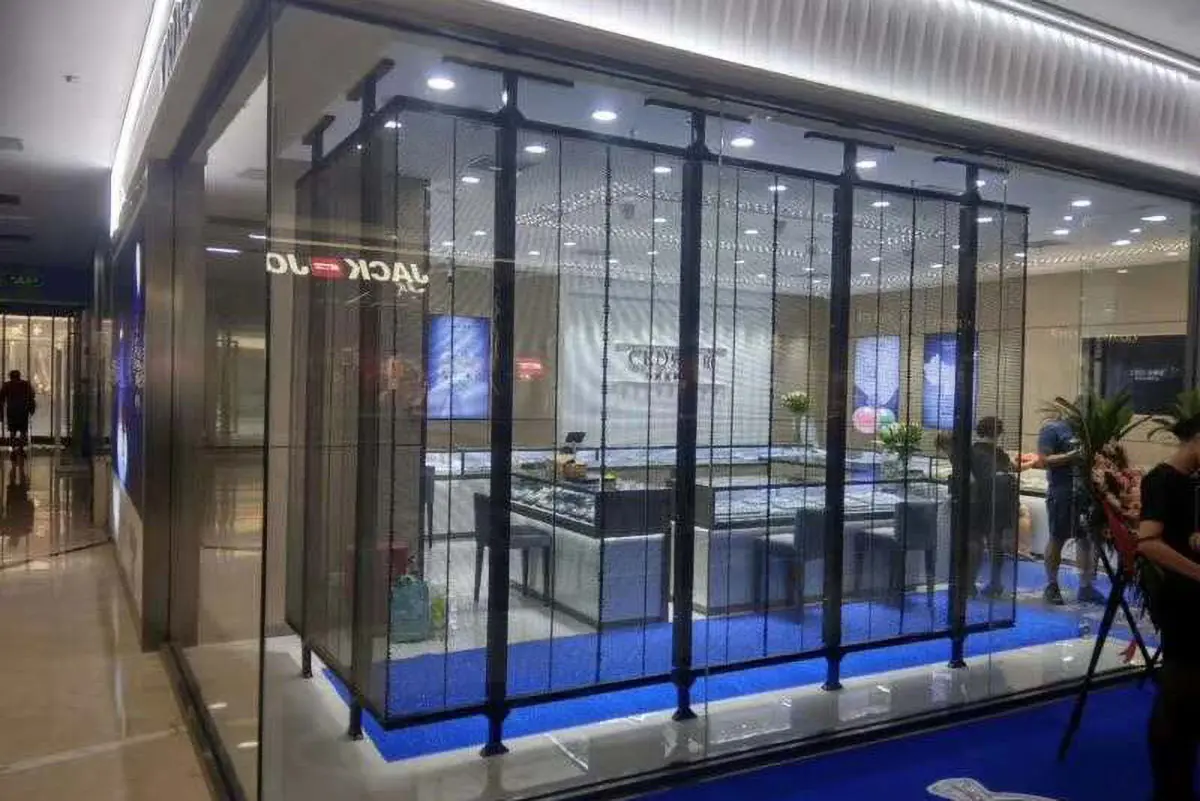
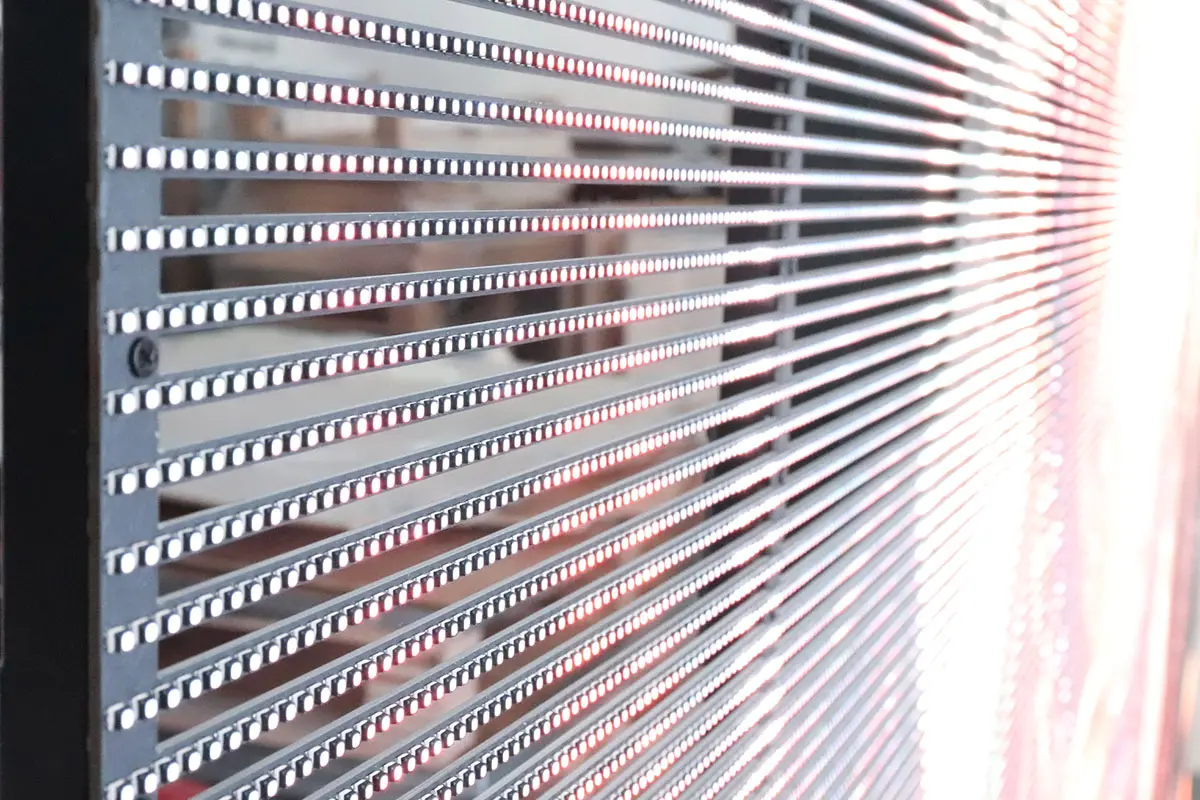
An LED film screen operates by lighting up small LEDs located on a transparent sheet. Each LED places tiny colored light which forms images and video on the film. As a result of their spacing, the LEDs permit light to still go through, making the glass surface mostly clear.
How it works can be simplified as follows:
Application: To apply the LED film, you must clean the glass surface first. Wrinkles and gaps can be prevented if it is placed correctly.
Wiring: Almost invisibly, a very fine wire collects the film, and a power supply and controller. You can place these in window frames or display cabinets.
Content Control: A media player or control box can send the film data. This data can be images, videos, logos or even scrolling text. You can update the content using Wi-Fi or a remote control.
Display: The LEDs light up in different colors and patterns to show content to viewers, and you can further adjust them based on the light conditions.
These display screens also cut down on energy use because of new-age technologies. They use less energy when compared to traditional LED billboards, while also producing less heat. For rapidly changing businesses, control of advertisements via cloud systems makes LED film screens a perfect fit.
3.Benefits of Using LED Film Screens in Advertising
There are numerous advantages to an transparent LED film for advertising. From small businesses to a large office space, these screens serve as functional and chic solutions. Designers created them for the constantly evolving world of digital advertising, allowing organizations to gain increased control.
3.1 Space Saving
A great deal of space as well as support structure is still required for LED billboards.This is not the case for LED film screens as they can be affixed directly to glass surfaces. They require no frames, stands, or wall mounts, making them highly suited for small shops and narrow corridors.
3.2 High Transparency
Other displays are more obstructive transparent LED film. People inside the building can see outside. This is helpful for maintaining the environment while adding a digital component. Showrooms, banks, hotels, and office lobbies would benefit from such screens.
3.3 Eye-Catching Visuals
Attention grabbing, vivid colors and smooth animation are characteristic of transparent LED film screens. You can display product advertisements, promo videos, logos, or even animations to increase foot traffic. With high-resolution screens, the content is unmissable and the message is clear even from a distance.
3.4 Energy Efficiency
Transparent LED film screen displays consume low-voltage power. This keeps energy bills down. Another advantage is the reduced heat production, making them better for indoor spaces. Thus, these screens can be considered eco-friendly.
3.5 Modern Look
LED film screens provide a clean, high-tech appearance to a place. They meld with the sleek modern glass buildings and enhance their beauty. Customers and clientele appreciate businesses that embrace modern and innovative technologies.
3.6 Flexible Use
These screens can display advertisements, provide directions, show entertainment, or even display digital art. They can be placed in retail stores, corporate offices, and public centers. They are also ideal for temporary exhibitions or pop-up shops.
3.7 Paying Off in The Future
Good-quality transparent LED film screens last for years. They resist fading and can work 24/7 without any issues. Most offer over 100,000 hours of working life and come coupled with a warranty.
4.Best Places to Install LED Film Screens for Ads
These screens are nearly suitable wherever there is glass. Because of this versatility, they can be used in a multitude of businesses and fields. The following are the best and most impactful for LED film advertisements in 2025.
Retail Stores:Storefront windows are ideal. Display new arrivals, special offers, or branded videos to capture new customers from outside the store. Advertisements can be shown in the storefront 24 hours a day.
Shopping Malls:Advertisers may place screens at mall entrances, on the glass sides of escalators, or within stores to promote various products or brands. These areas are critical due to high shopper traffic.
Car Showrooms:Display car features, videos, and offers through showroom windows. Customers can view details from outside before entering the showroom. This also maintains the showroom’s luxurious atmosphere.
Airports and Train Stations: These areas are busy and great for advertising. The use of LED film advertising on glass doors, check-in counters and waiting areas is useful. Digital displays show brand advertisements alongside important travel and safety information.
Hotels and Event Venues: Inform guests of events and promotions hotspots like glass partitions and hotel lobbies. Event centers can also update content on a daily basis to advertise various services.
Restaurants and Cafes: Prominently display menus, daily specials, and brand stories on screens mounted on the frontline glass. It lends a contemporary floral to your eating place and boosts walk-in dining traffic.
5.Creative Ways to Use LED Film Screens in Advertising
With your LED film screen, here are some interesting and innovative ideas to grab the attention of your customers and use your screen creatively.
Product Demos: Display a product’s demo directly at the shop window. Use motion graphics and video to make it attention-catching. It works best with tech products, gadgets, and kitchen appliances.
Countdown Promotion: Display a countdown timer for flash sales and product launches to build excitement and traffic. This encourages immediate response and better sales.
Interactive Displays: Some setups of the films utilize sensors and interact with individuals. For instance, animation can change to motion greetings or deals whenever people stroll by.
Event Announcements: Event schedules, as well as ticketing details can be displayed on the glass doors of the premises. Perfect for business, exhibition or concert activities.
Storytelling: Utilize videos and animations to tell the story of your business. This can be enhanced even more by customer testimonials, history videos, or other behind-the-scenes clips. Make sure to connect with your people emotionally and visually.
These ideas are especially great for capturing the audience’s attention. While keeping your brand recognizable, the customers will gain a new experience.
6.How to Create Effective Ads on LED Film Screens
6.1 Simplicity is Key
With the screens now so easily attainable, advertisements are also much easier to be versatile and visually friendly. Use clear, bold fonts, and make sure there are no longer paragraphs or a multitude of design elements; keeping your ad clean and simple will make it easy to grasp.
Avoid using long texts and vague phrases. Use “Buy Now” or “Visit Today.” The simpler the message, the easier it is retained.
6.2 Use Motion
The appropriate attention is easily attained by motion. Animations that are short, moving video loops, and quick backgrounds are all effective as they capture motion. Viewers will be more inclined to pay attention for a longer time and their visual short-term memory will be enhanced.
6.3 Use of Bright Colors Works Best
Remember to always select colors with high contrast. One example is white text with a dark background or dark red text with a light background. Bright colors are easier to see both at a distance and during the day, especially on glass surfaces.
6.4 Keep it Short
In a commercial ad, Make every second of viewing count. Try to grab attention with a few catchy taglines, big numbers or a simple icon to tell the story. Examples include “50% OFF Today Only” or “New Store Now Open!”
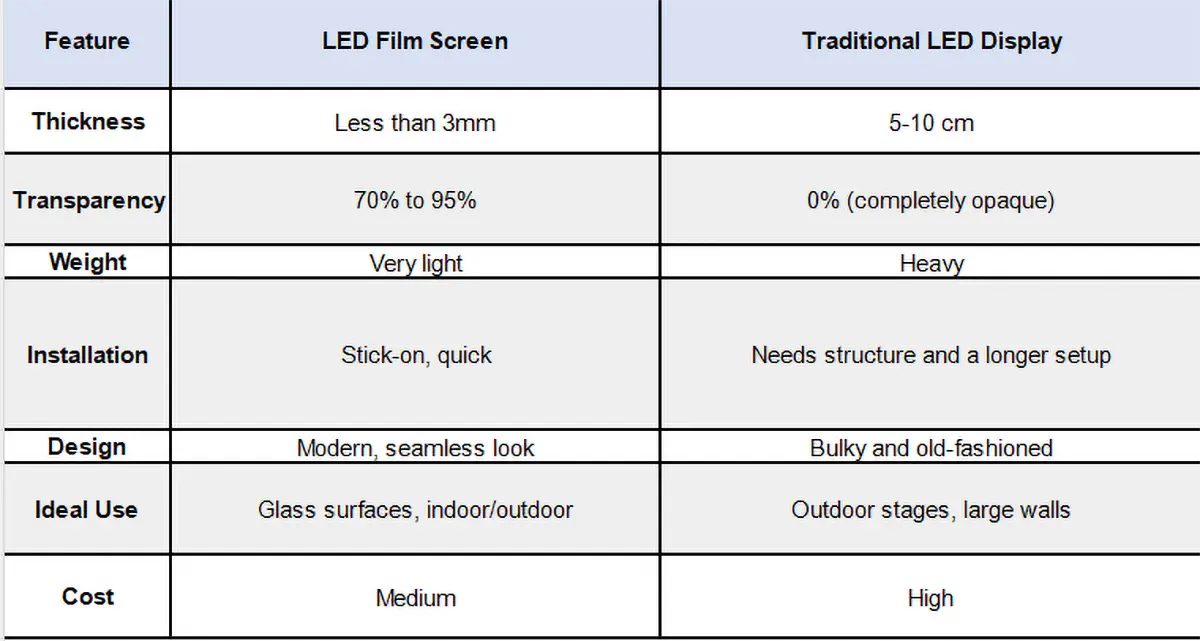
7.Comparison with other Traditional LED Displays
Here is the comparison of LED Film Screes vs Traditional LED Displays.
8.How to Install and Maintain LED Film Screens
8.1 Installation Instructions
- Clean glass surfaces of dust and oil residues.
- Measure and cut the film to the desired size.
- Remove the backing and apply the screen, taking care.
- Connect the wires to the power source and control box to finish.
- You can power it on and upload your content via USB, an app, or Wi-Fi.
8.2 Maintenance Tips
- Use a dry, soft cloth for the cleaning.
- Sharp tools and water are a big no.
- Check the wiring connections frequently.
- Ensure the control box is dry and kept in a safe area.
9.Cost of LED Film Screens in 2025
9.1 Estimated Price Ranges
- Small (1–2 square meters): $800 to $1,500
- Medium (3–5 square meters): $2,000 to $4,000
- Large (10+ square meters): $6,000 and above
9.2 Factors That Affect Price
- Screen resolution and brightness
- Size, shape, and transparency level
- Software and control features
- Use indoors or outdoors
While the initial investment is considerably more than that of posters, LED screens are more cost-effective in the long run. They are easily updated, require minimal maintenance, and are cost-effective to maintain.
10.Case Studies: Successful LED Film Screen Advertising Examples
Retail Brand in Tokyo:
A fashion brand employed LED film screens on all of their window displays. They saw a 30% growth in sales within 3 months of transitioning to motion digital advertising.
Car Showroom in Germany:
The dealership displayed the vehicle’s features and walkthrough videos on their glass front. This greatly enhanced the customer experience.
Dubai Hotel Chain:
Personalized greetings and event information were displayed on LED film screens in the lobby. Guests appreciated this sleek, modern, and advanced feature.
11.LED Film Screen Trends to Watch in 2025
AI and IoT Integration
LED screens are becoming smarter by the year. Some cafes by the beach use AI and smart sensors to change ads during specific times. During hot days, they are able to promote cold drinks and vice versa. Automation like this saves time and improves precision.
Touch Interaction on LED Films
Wayfinding in malls, product demonstrations, and even digital art in museums can utilize the newly introduced interactive LED films display. Users can tap, scroll and explore on these screens, allowing for a more interactive and dynamic experience.
LED Screens Made of Eco-Friendly Materials
Leading experts in the field are now manufacturing LED film screens with sustainable materials. These screens use less power and lower electronic waste. For brands placing importance on their sustainable footprint, switching to eco-friendly LED film displays is an easier and responsible choice.
3D Advertising Effects
The invention of LED film screens raised the bar on the quality of displays that could be used during advertising and marketing. Now they can create stunning 3D advertising ads. Wow. Make pop-up product images that can surprise and capture the attention of onlookers.
Utilize the new technology 3D effects that heighten product visibility and make advertising more lifelike and entertaining.
12.Final Tips to Choose the Right LED Film Screen for Your Ad Campaign
Here are a few simple tips to make the right choice:
- Measure Your Glass Area: Know the exact size before buying.
- Check Transparency Level: Choose 70–90% for a clearer view of the glass.
- Select Indoor or Outdoor Model: Some are weatherproof; others aren’t.
- Pick the Right Resolution: Higher resolution results in a clearer video.
- Check Control Features: It is easier to manage controls like Wi-Fi or remote.
Also, buy from trusted suppliers who offer warranties and support.
13.Conclusion
By 2025, companies are focused on smarter and more effective ways to engage customers through advertising. An LED film screen gives the ability to transform ordinary glass into a vivid and attention-grabbing advertising display.
Due to the simple installation, adaptability, and contemporary design, transparent LED film is rapidly becoming the most effective advertising equipment for stores, showrooms, offices, and more.
If you are set to get more attention for your business, then you might consider investing in transparent LED film screen technologies which can drastically improve your brand image. Let your glass communicate using light!