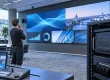
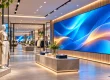
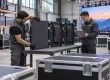
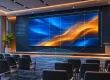
Choosing a transparent LED display manufacturer in China starts with matching the screen to the project. A storefront needs readable content through glass; an atrium needs coordinated mounting and service access; a touring production needs cabinets that crews can transport and assemble repeatedly. The shortlist below brings together EagerLED and nine other manufacturers with published transparent-screen products, giving buyers a practical starting point for supplier evaluation.
Here, “Top 10” means an editorial shortlist based on documented product relevance across fixed, glass-mounted, and rental applications. The order does not represent market share or independent performance testing. Product pages establish what a company offers; samples, engineering documents, and written commitments determine whether that offer suits your installation.
For distributors, AV integrators, and project contractors, a successful transparent LED display purchase depends on the complete system: image quality, structural integration, controls, delivery scope, and future service. This guide connects those decisions, explains the important trade-offs, and shows what to request before approving a quotation.
1. What Is a Transparent LED Display, and How Does It Work?
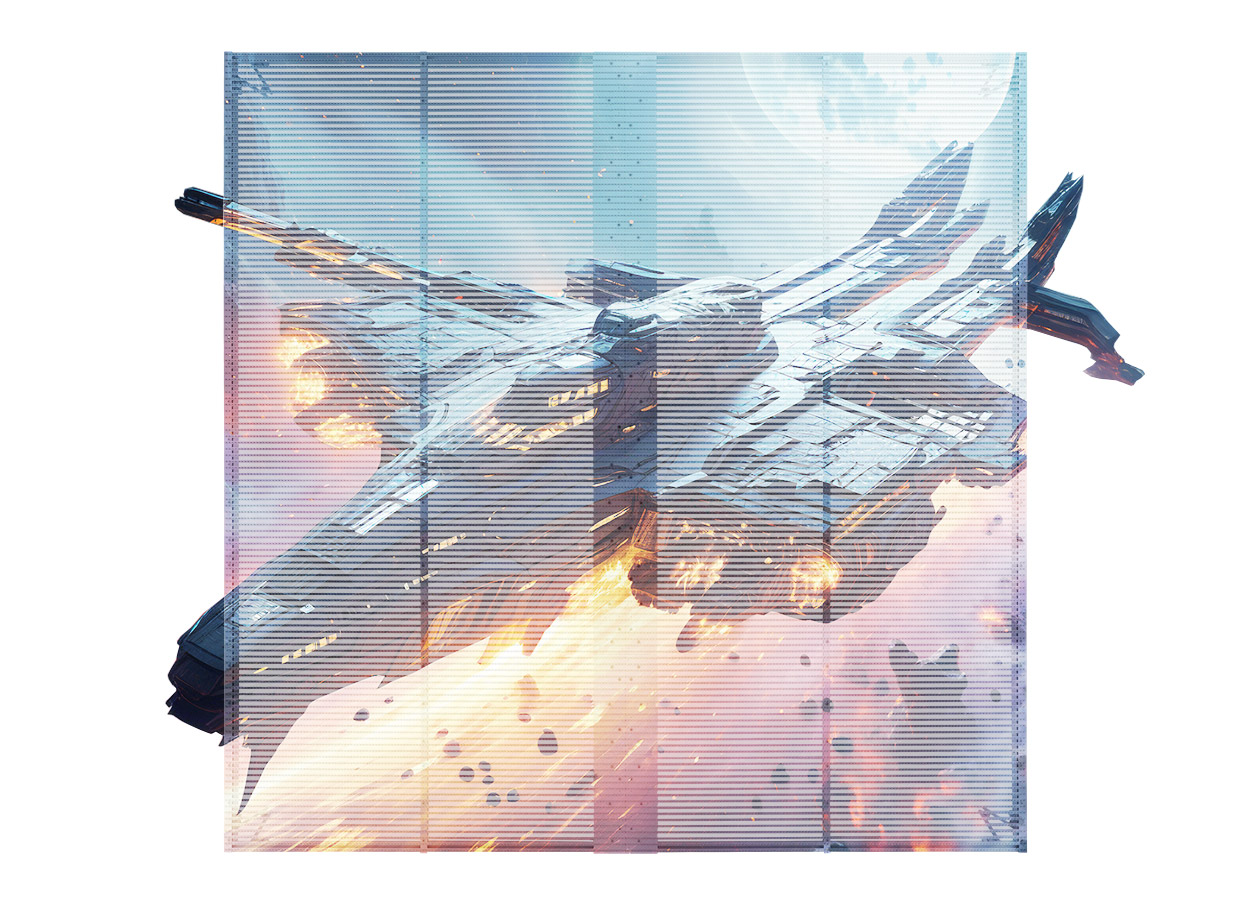
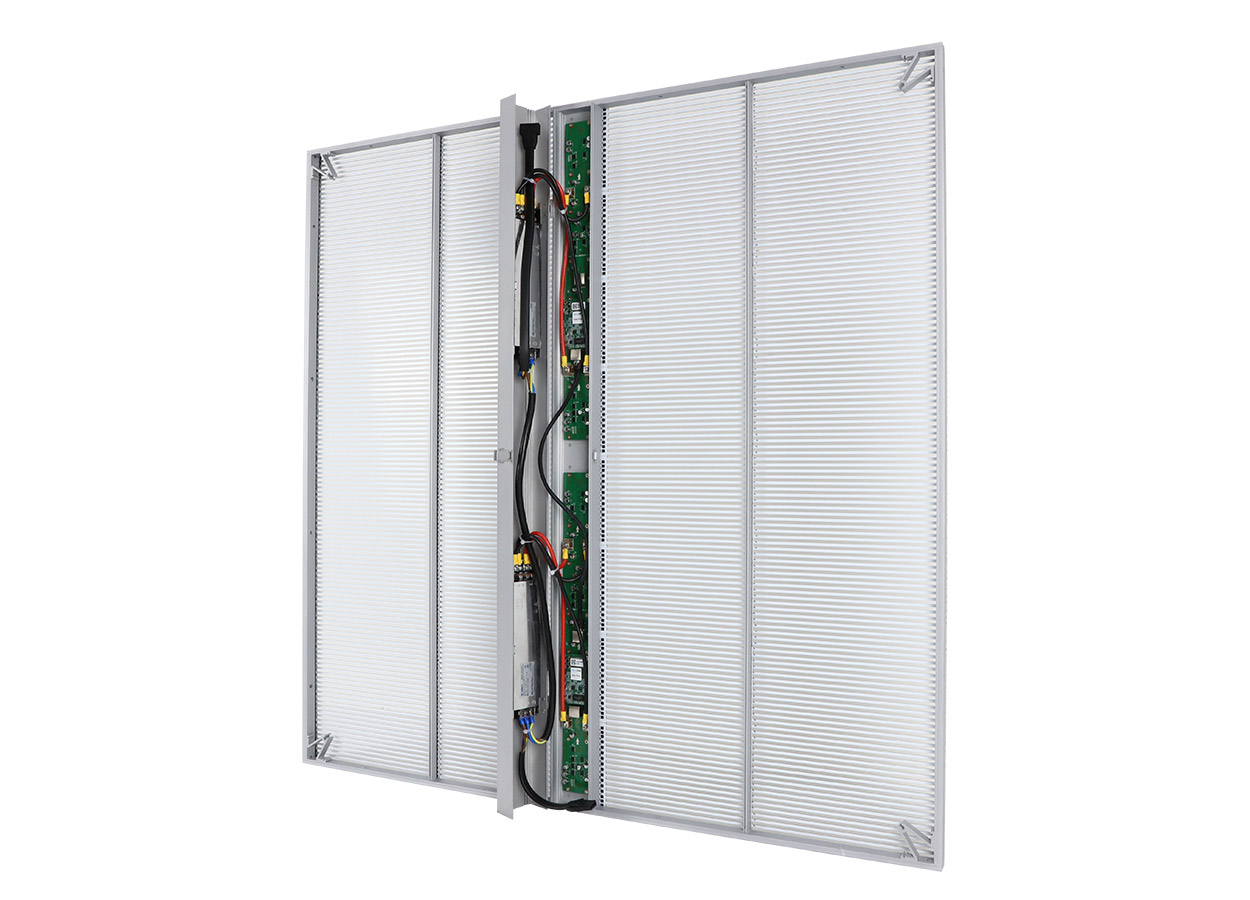
A transparent LED display produces images with LEDs while leaving space for viewers to see the surroundings behind it. Depending on the design, the LEDs sit on separated strips, a thin transparent substrate, or an engineered glass assembly. The visible image and the real background occupy the same sightline.
This construction changes how content should be designed. Bright objects and short messages can stand out, while fine text, dark imagery, and low-contrast details may become difficult to read against a busy interior. A screen that looks effective against a dark demonstration background can behave differently in a sunlit shop window.
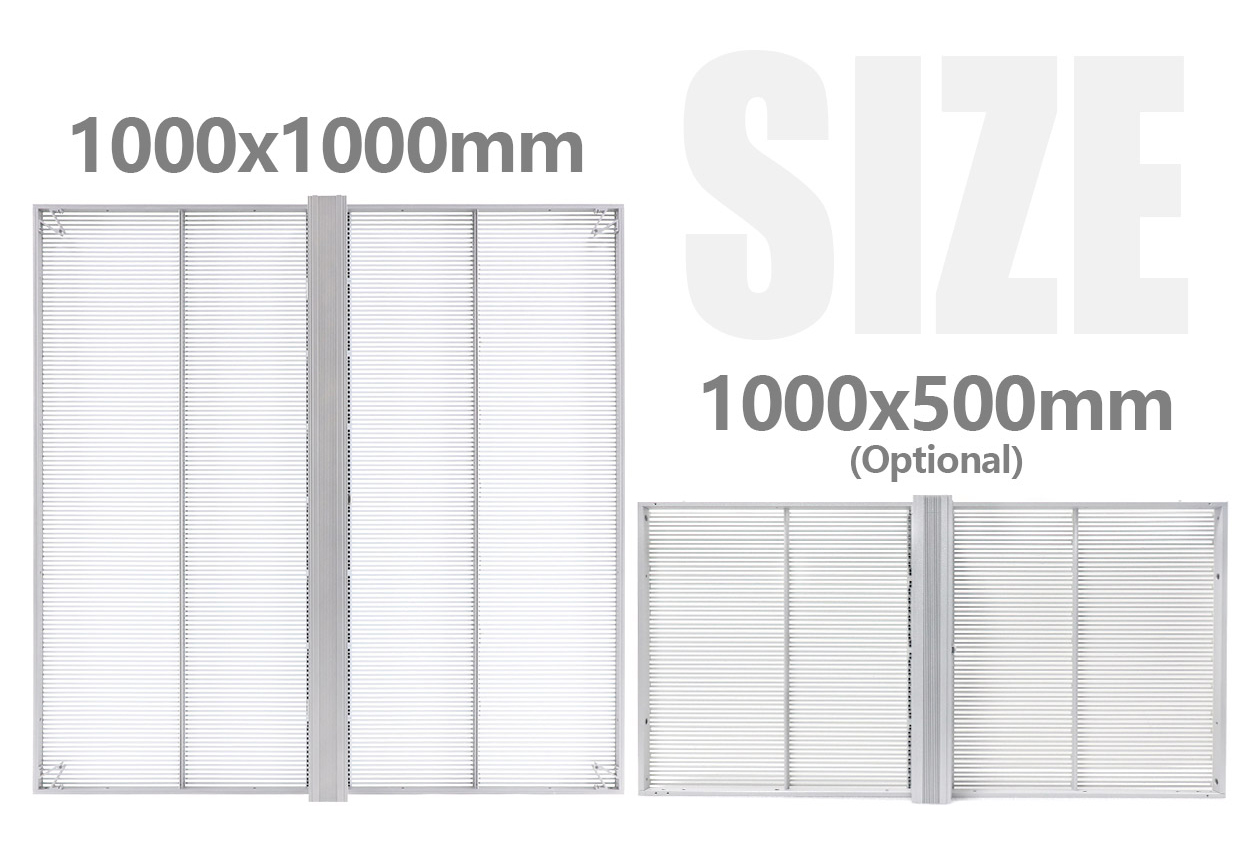
Buyers should distinguish the physical formats early. A framed transparent LED display offers defined cabinet connections and mounting points. Film products require compatible glass and an approved attachment method. Glass-integrated systems bring glazing, electrical connections, and replacement planning into the same design discussion. These are different installation approaches, even when vendors use similar marketing names.
2. Transparent LED Display Specifications That Matter
Evaluate transparency, brightness, and resolution together. Maximizing a single specification can produce an unsuitable system. The useful question is whether the transparent LED display delivers the required message from the intended viewing positions while preserving an acceptable view through the installation.
Transparency needs a definition. Ask whether a percentage describes open area, optical transmission, the active module, or the assembled screen. Frames, power enclosures, cabling, and existing window mullions affect the final appearance. Measurements made under different definitions should not be treated as equivalent.
Brightness needs operating conditions. Nits and cd/m² describe the same luminance unit. Request the proposed operating brightness, its adjustment range, and any thermal limitations. A daytime setting may be excessive after dark. Glass tint, reflections, screen orientation, and the illuminated background all influence perceived contrast.
Pixel pitch needs two dimensions. Some products have different horizontal and vertical spacing. Ask for both values and the actual cabinet pixel matrix. For an illustrative calculation, a four-metre-wide, two-metre-high screen with 4 mm horizontal and 8 mm vertical spacing would have approximately 1,000 by 250 pixels before actual module-layout constraints. A physical widescreen shape therefore does not guarantee a conventional video resolution.
| Specification | What it affects | Evidence to request |
|---|---|---|
| Horizontal and vertical pitch | Text detail and image sampling | Cabinet pixel matrix and complete screen resolution |
| Transparency measurement | Daylight and views through the screen | Measurement definition and assembled-screen images |
| Operating brightness | Readability under changing light | Brightness settings and a representative site demonstration |
| Protection and environment | Suitability for moisture, dust, and heat | Model-specific documentation and installation restrictions |
| Power consumption | Electrical sizing and operating costs | Maximum demand and representative measured consumption |
| Service access | Repair time and access requirements | Module-removal procedure and clearance drawings |
For a transparent LED display viewed at close range, evaluate the actual graphics rather than accepting a viewing-distance rule as a guarantee. Small lettering, thin lines, and spreadsheets place different demands on the screen from large logos or animated shapes.
3. Top 10 Transparent LED Display Manufacturers in China
The following manufacturers have relevant first-party product information. EagerLED appears first as the brand featured in this guide. The remaining entries cover several design approaches; inclusion should lead to a project-specific evaluation, rather than an assumption that every company competes in exactly the same application.
The table summarizes published product positioning. The questions are editorial procurement guidance, not findings from factory audits or comparative testing.
| Manufacturer | Documented product direction | Key project question |
|---|---|---|
| EagerLED | Fixed, rental, invisible-panel, and film products | Which construction matches the installation and service plan? |
| NEXNOVO | Transparent screens and glass LED products | Is the display separate from, or integrated into, the glazing? |
| MUXWAVE | M Series glass-mounted panels | How are panels attached and replaced? |
| Leyard VTEAM | Multiple transparent-screen families | Which model supports fixed or repeated installation? |
| Unilumin Joyway | UVF and UVS transparent products | Which signed specification applies to the quoted configuration? |
| AuroLED | ATS window displays and other transparent formats | How does the cabinet align with the window structure? |
| LEDFUL | TGC glass-curtain displays | What surrounds the active display area? |
| YUCHIP | Conventional, film, and InviAir categories | Which technology meets the glass and viewing requirements? |
| Gloshine | Vanish transparent cabinets | What hardware is required for the intended shape? |
| ROE Visual | Vanish V8T outdoor touring panels | What transport and rigging package is included? |
01. EagerLED
EagerLED’s transparent-screen portfolio includes indoor fixed installations, outdoor rental products, invisible panels, and film formats. This gives buyers several constructions to discuss within a single inquiry. For an EagerLED transparent LED display proposal, supply the window dimensions, mounting constraints, viewing distance, and content examples. Ask the team to identify the exact model and explain its fit. Compare the proposed system’s service access and control arrangement before deciding on cabinet size or pixel pitch.
02. NEXNOVO
NEXNOVO’s official product information covers transparent screens and glass LED systems, making it relevant when display design overlaps with architecture. A buyer considering this route should establish where responsibility for the glazing ends and responsibility for the electronics begins. Request section drawings showing the glass, supports, connections, and access points. For a glass-integrated transparent LED display, the replacement process deserves attention before the facade design is finalized.
03. MUXWAVE
MUXWAVE documents its M Series as modular panels suited to direct glass mounting, with options for different physical layouts. This approach merits investigation when the project prioritizes a restrained structure around the image. When evaluating this transparent LED display format, ask for substrate compatibility, cable routing, edge treatment, and the procedure for removing a damaged panel. Confirm those details on representative glass, since a clean demonstration surface may differ from the finished building.
04. Leyard VTEAM
Leyard VTEAM’s product catalogue lists Tfree, Tfree-Pro, Isky, and Vclear-Pro within its transparent-screen offering. Buyers can use that range to explore different installation approaches, but should request a clear explanation of which family fits their operating pattern. A permanent atrium installation and a repeatedly assembled event screen create different handling requirements. Review the selected transparent LED display model’s connections, mechanical arrangement, and replacement-part availability.
05. Unilumin Joyway
Unilumin Joyway lists UVF and UVS products within its transparent-screen range alongside architectural display and lighting systems. Its UVF page provides a starting point for a technical inquiry. Request a dated specification for the exact configuration, including pixel matrix, environmental classification, and service direction. For facade contractors, the useful comparison is how the proposed transparent LED display integrates with the building’s structure and maintenance arrangements.
06. AuroLED
AuroLED’s ATS Series targets window applications with standard cabinet formats and front- or side-emitting design variants. Buyers should examine how those arrangements look from the approach angles that matter at the site. Request a sample positioned against a representative mullion or frame. The transparent LED display should also be reviewed from inside the space, where supports and connections may remain visible to customers or occupants.
07. LEDFUL
LEDFUL positions its TGC Series for glass-curtain and window applications, with configurable panel arrangements. This is a relevant inquiry path for integrators planning commercial glazing installations. Ask for the complete installed outline, including power equipment and supporting structure. Where a transparent LED display must fit an existing window, the overall assembly and maintenance clearance matter as much as the nominal active display dimensions.
08. YUCHIP
YUCHIP’s transparent-screen range distinguishes conventional screens, LED film, and InviAir products. That distinction helps buyers compare physical approaches before requesting detailed quotations. Give the supplier a consistent project brief and ask why its proposed construction is suitable. For an international transparent LED display order, request documentation for the specific supplied product and an agreed division of responsibility between the manufacturer and local installer.
09. Gloshine
Gloshine’s Vanish Series offers transparent cabinets with options for curved and shaped arrangements. Buyers developing event scenery or creative installations should evaluate the complete mechanical package. Request the permitted configurations, necessary accessories, and assembly instructions for the proposed shape. A transparent LED display with openings still requires a project-specific structural assessment; transparency alone does not establish acceptable wind loading or a safe hanging arrangement.
10. ROE Visual
ROE Visual, whose headquarters are in Shenzhen, documents the Vanish V8T as an outdoor transparent panel in its rental product range. This makes it relevant to production companies evaluating touring systems. Compare the handling frame, transport arrangement, rigging documentation, and available service support together. For rental buyers, procurement should account for the work required between shows, including inspection, repairs, repacking, and configuration management.
4. Transparent vs. Conventional LED Displays: Pros and Cons
A transparent LED display is useful when retaining views or visual openness has measurable value to the project. A conventional opaque screen is often the more appropriate starting point when the image must dominate the background, particularly for detailed information or content with substantial dark areas.
| Decision | Transparent construction | Conventional opaque construction |
|---|---|---|
| View through the screen | Retains partial visibility; structure remains visible | Blocks the view across the installed area |
| Background control | Room lighting and objects influence the image | Provides a more controlled image background |
| Content style | Benefits from bold objects and clear visual separation | More flexibility for dense layouts and dark imagery |
| Architectural integration | Can preserve some openness around glazing | Creates a continuous visual surface |
| Service planning | Access may be constrained by glass or attachment method | Access depends on cabinet design and mounting |
Neither construction automatically guarantees lower energy consumption or lower total cost. Compare two complete proposals at the brightness, size, and operating schedule required. A transparent LED display should earn its place through the architectural and communication needs it solves.
5. Applications: Retail Windows, Glass Facades, and Events
Retail windows: assess the display from the pavement during opening hours and after dark. The merchandise, interior lighting, window reflections, and passing viewer’s angle all affect legibility. A transparent LED display should support the storefront’s message without making the products behind it difficult to see.
Glass facades and atriums: coordinate the media design with mullions, doors, cleaning routes, and service access. Decide whether viewers need to read short messages, recognize a brand, or enjoy large-scale movement. Those objectives lead to different resolution and content requirements.
Exhibitions and events: prioritize repeatable assembly, protection during transport, and the relationship between the screen and stage lighting. Transparency can reveal scenery or performers behind the image, so rehearsal conditions matter. Compare the screen with the actual lighting cues before approving the visual concept.
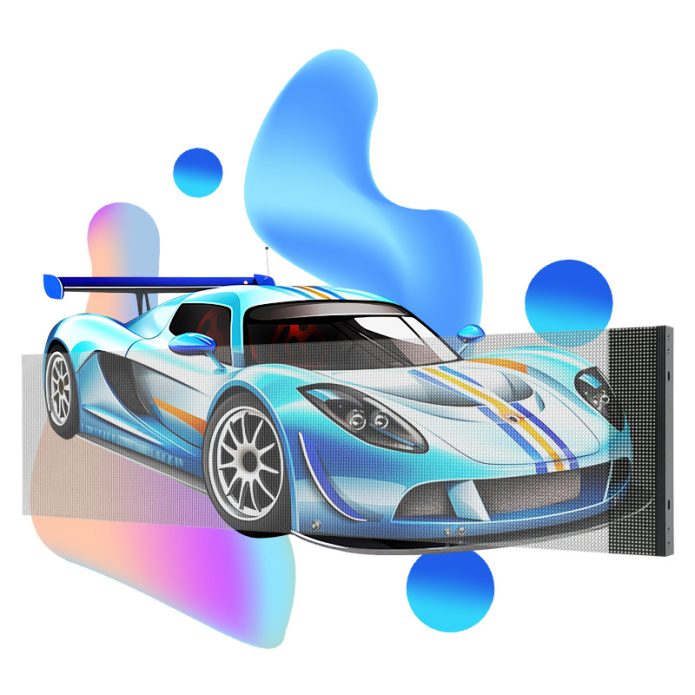
Showrooms: test whether the display competes with the item being presented. For a vehicle, sculpture, or equipment demonstration, content can frame the object rather than cover it continuously. Choose a transparent LED display only after confirming that the combined view remains understandable from the customer’s position.

6. Transparent LED Display Prices and Total Project Costs
There is no useful universal transparent LED display price without a defined specification and supply scope. Two quotations per square metre can describe different brightness options, control equipment, mounting hardware, or support obligations. Request an itemized system price before comparing suppliers.
| Cost category | Typical scope to confirm | Common omission to check |
|---|---|---|
| Display hardware | Specified modules, cabinets, power supplies, and receiving hardware | Different component options between quotations |
| Control and playback | Processor, player, software, and required licenses | Content management or integration fees |
| Mounting and installation | Frames, fixings, cabling, access equipment, and labor | Site modifications and engineering work |
| Logistics | Packaging, freight, insurance, and agreed delivery terms | Destination handling and other excluded charges |
| Operation and service | Energy, cleaning, spare parts, and repair arrangements | Access costs and downtime during repairs |
For operating budgets, separate maximum electrical demand from representative average consumption. As a hypothetical example, an eight-square-metre screen averaging 180 W/m² for ten hours uses 14.4 kWh over that period, before auxiliary equipment. Those inputs are illustrative assumptions, not specifications for any listed product.
Ask the supplier to measure consumption using representative content and brightness settings. Then apply your expected operating hours and local energy tariff. This makes the transparent LED display budget traceable and prevents a generic “energy-saving” claim from substituting for a calculation.
7. How to Verify a Chinese Manufacturer Before Ordering
Verify the organization that will accept the order, manufacture or supply the equipment, and handle after-sales claims. The commercial entity on the quotation should be clear, and any relationship between the brand, factory, and export company should be explained.
For a transparent LED display supplier, useful evidence includes a live factory walkthrough, a product demonstration, model-specific documents, and an opportunity to inspect the proposed configuration. A prerecorded showroom video cannot answer a request to demonstrate a particular component or service procedure.
Request identification for the major components and a policy governing substitutions. Distributors should also clarify documentation language, access to technical training, spare-part ordering, and support for repeat purchases. These details affect whether the product can be supported consistently across multiple customer installations.
Check certification or test claims against the exact supplied product and destination requirements, using competent local advice where needed. A logo on a brochure does not establish that a particular configuration has the required supporting documents. Before a transparent LED display order proceeds, unresolved differences between the quotation, drawings, and specification should be corrected in writing.
8. How to Request Samples and Compare Supplier Quotes
Send the same brief to each shortlisted supplier. Include screen dimensions, glass details, installation photographs, ambient-light conditions, viewing positions, intended graphics, operating hours, content sources, and the delivery location. State who will install and maintain the system.
A useful transparent LED display sample should represent the quoted production configuration. Request the relevant controller, power arrangement, and mounting method along with the panel. Check gradients, small text, dark scenes, full-color images, and the actual advertising content at the proposed operating brightness.
Assess the sample from both sides and several angles. Photograph the unlit structure as well as the illuminated image. For repeated installations, practice handling and assembly; for permanent glazing, inspect edge finishes and cable concealment. Record the conditions so each candidate faces a comparable review.
Before placing a bulk order, agree on acceptance criteria, inspection timing, and how deviations will be resolved. The final quotation should identify the transparent LED display model, component configuration, accessories, spares, delivery terms, payment milestones, and warranty scope. An approved sample is most useful when the purchase documents explain how production units must match it.
9. Installation, Maintenance, and Warranty: What to Check
Design access before installation. Ask the supplier to show the steps required to replace an LED module, power supply, and receiving component. “Front service” or “rear service” should describe a workable procedure in the finished space, including tool clearance and safe access.
For a transparent LED display near glass, coordinate cleaning methods, cable routes, ventilation, and access to connections. Have qualified project personnel confirm structural and electrical requirements. A light cabinet or an open panel still needs an appropriate supporting system.
Agree on a spare-parts package tied to the supplied configuration. Keep the screen map, controller settings, calibration files where applicable, wiring drawings, and approved firmware information in the handover package. These records reduce uncertainty when a technician encounters a fault later.
Read warranty terms as an operating arrangement: who diagnoses the problem, who supplies replacement parts, who pays freight, and who performs local labor? Confirm exclusions and the process for reporting failures. For a transparent LED display installed above an atrium, the cost of accessing one failed component can matter more than the price of that component.
10. FAQ
01. Can a transparent LED display show different content on both sides?
Only if the proposed system supports independently controlled images for the two viewing directions. Seeing light through the reverse of a panel does not establish independent double-sided playback. Ask for a demonstration of the exact arrangement, including text orientation and separation between the images.
02. Does the screen need a continuous internet connection?
That depends on the playback system. A player configured for stored local content may continue without internet access, while remote scheduling, streaming, or cloud functions can require connectivity. Specify the expected behavior during an outage and test it by disconnecting the network.
03. Can the display work with existing digital signage software?
Often a compatible media player or video-output path can connect the systems, but software integration should be checked separately. Confirm supported inputs, output resolution, scheduling, user permissions, and any licensing requirements. Test the actual content workflow before rolling it out across multiple locations.
04. Is a “holographic” LED screen a true volumetric hologram?
In many commercial product descriptions, the term refers to images that appear to float against a transparent background. It does not by itself establish volumetric image formation. Ask the supplier to demonstrate the effect from different positions and explain which display and content techniques produce it.
05. Does a transparent LED display provide privacy when switched off?
Generally, its open or transmissive construction remains visible through when unlit. It should not be specified as a privacy system unless an additional, documented privacy mechanism is included. If the room must become private, coordinate that requirement with a separate glazing or shading solution.
06. Can touch interaction be added to transparent signage?
It may be possible using a separate sensing system and suitable software. The screen itself should not be assumed to detect touch. Ask how the proposed sensor interacts with the glass, mounting distance, ambient light, and intended users, then test the complete assembly.
07. Can replacement modules from another manufacturer be used?
Do not assume interchangeability from matching dimensions or nominal pixel pitch. Mechanical connections, drive electronics, wiring, color behavior, and controller configuration can differ. Use manufacturer-approved replacements or have compatibility established through a documented engineering evaluation before installing alternative parts.
08. Why can a transparent LED display show bands or moiré on camera?
Camera exposure and display scanning can interact to produce bands, while the pixel grid can interact with the camera sensor to create moiré. Test the intended cameras, shutter settings, angles, and distances. A refresh-rate figure alone cannot guarantee artifact-free recordings in every setup. Brompton’s camera-sync explanation describes the importance of matching camera exposure and LED timing.
11. Conclusion
The right transparent LED display manufacturer is the one whose proposed system can meet the project brief and be supported throughout its operating life. Use the ten-company shortlist to find relevant product formats, then narrow the choice through comparable quotations, representative samples, and documented installation requirements.
For a transparent LED display project with EagerLED, prepare the screen dimensions, site photographs or drawings, viewing distance, lighting conditions, content examples, and service constraints. Send the project brief to EagerLED and request a model-specific proposal with an itemized supply scope. That information gives buyers, distributors, integrators, and contractors a firmer basis for choosing equipment, planning installation, and agreeing on acceptance.