

Key Takeaways
• Transparency can reach up to 70%, depending on model and configuration.
• Pixel pitch determines viewing distance and image detail.
• A 4K input does not automatically mean native 4K resolution.
• Total installed load includes cabinets, frames, cables, power supplies, controllers, and safety hardware.
• Choose by environment, mounting method, viewing distance, service access, and content requirements.
A transparent LED screen is a see-through digital display that uses spaced LED strips and an open cabinet structure to show video on glass while preserving the view and natural light. EagerLED transparent models provide up to 70% transparency and modular installation for retail windows, glass facades, stages, and exhibitions. This guide explains how the technology works, which specifications matter, how to plan installation, and which EagerLED model fits indoor fixed, poster, or outdoor rental use.
Table of Contents
1. What Are Transparent LED Screens?
2. Key Features of Transparent LED Screens
3. Transparent LED Screen Specifications and Selection Factors
4. Transparent LED Screen Installation Methods
5. Applications of Transparent LED Displays
6. EagerLED Transparent LED Screen Models
7. Frequently Asked Questions
8. Conclusion
1. What Are Transparent LED Screens?
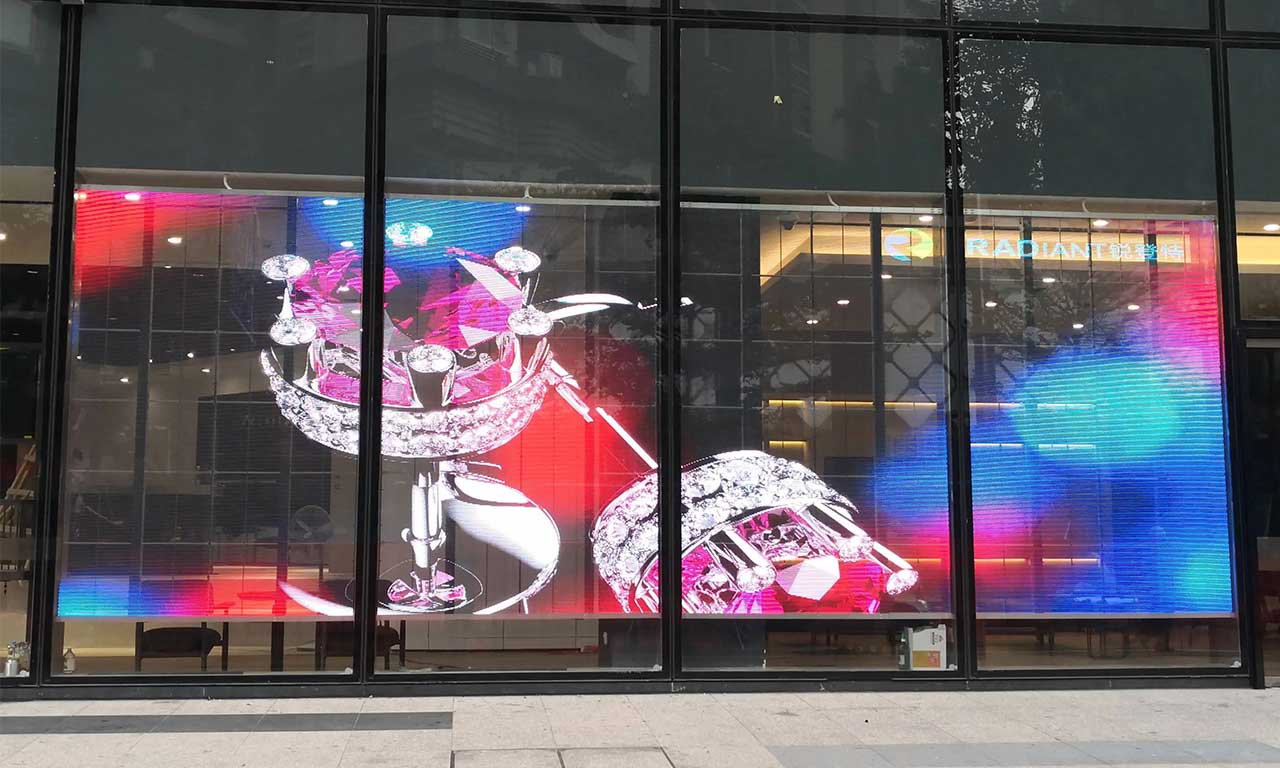
A transparent LED display creates images with rows of LEDs mounted on narrow strips, leaving open space between the light-emitting elements. Unlike a conventional opaque LED wall, this structure allows viewers to see both the displayed content and the scene behind the screen.
1.1 How the See-Through Effect Works
The screen is not transparent in the same way as clear glass. The see-through effect comes from the physical spacing between LED strips, compact electronics, and an open support structure. When the LEDs are active, bright content appears on the glass; darker areas reveal more of the background.
This design is useful where a traditional LED cabinet would block merchandise, architecture, daylight, or sightlines. Common locations include retail storefronts, shopping centers, exhibition booths, stage sets, and architectural glass curtain walls.
1.2 Transparency, Pixel Pitch, and Viewing Distance
Transparency and image detail must be balanced. Wider spacing between LED elements generally allows more light and a clearer view through the screen, while a finer pixel pitch provides more image detail at a shorter viewing distance. The correct choice depends on the glass dimensions, audience distance, content type, ambient light, and required brightness.
EagerLED transparent LED screens use modular cabinets or strips that can be installed behind glass. Depending on the model and configuration, transparency reaches up to 70%. For additional planning criteria, see our transparent LED display advantages and applications guide.
2. Key Features of Transparent LED Screens
The main advantages of a transparent LED screen are visibility through the display, lower structural mass than many conventional cabinets, modular service, flexible control, and a distinctive layered image. Each benefit still depends on correct product selection and site engineering.
2.1 High Transparency and Daylight Access
Transparent LED products commonly provide more than 60% transparency, while selected EagerLED models reach up to 70%. This allows shoppers or visitors to see through the display and helps the glazing continue to admit natural light. The real result varies with pixel pitch, strip width, frame geometry, and installation angle.
2.2 Lightweight Modular Construction
A hollow strip design reduces material in the viewing area and makes the screen structure lighter and more flexible than many conventional LED cabinets. Cabinet and module sizes can be selected to suit the glass grid, but the complete installed load must include frames, cables, power supplies, controllers, and safety hardware.
2.3 Efficient Installation and Maintenance
Modular construction allows individual LED strips or modules to be serviced without replacing the entire wall. For permanent storefront and facade projects, plan service access before fixing the frame; a visually clean installation can become expensive to maintain if power supplies, receiving cards, or modules cannot be reached safely.
2.4 Local and Remote Content Control
A media player and LED controller can receive content through Ethernet, Wi-Fi, or cellular connectivity when the installed hardware supports it. For secure remote operation, use authenticated accounts, restrict network access through a VPN or segmented network, schedule playlists in advance, and keep local fallback content for network interruptions.
2.5 Airflow and Energy Considerations
The open strip structure allows airflow through the display and admits daylight through the glass. It can reduce heat buildup compared with covering the same area with an opaque screen, but it does not guarantee a specific reduction in building cooling costs. Actual HVAC impact depends on screen power consumption, solar gain, glazing, climate, operating hours, and building controls.
2.6 Image Quality, Reflections, and 4K Input
Ghosting can come from refresh-rate settings, grayscale calibration, receiving-card configuration, or a mismatch between the display and a camera shutter. Use the controller manufacturer’s recommended settings, keep firmware consistent across modules, recalibrate brightness and color, and test filmed content with the actual camera.
To reduce reflections, avoid aiming spotlights at the glass, control ambient light where possible, use high-contrast content with dark backgrounds, and test the screen angle on site. AVIXA explains that display resolution is expressed as width by height in pixels and identifies 4K as 3840 x 2160 pixels. A transparent wall may accept a 4K source when its processor supports it, but native image detail still depends on the installed pixel matrix and pixel pitch. See AVIXA’s resolution reference.
3. Transparent LED Screen Specifications and Selection Factors
Do not select a transparent LED display from transparency alone. A product with the highest see-through percentage may not provide the pixel density, brightness, environmental protection, or service access required by the project.
3.1 Specifications to Confirm Before Purchase
| Selection factor | Why it matters | What to confirm |
|---|---|---|
| Transparency | Controls visibility and daylight through the screen | Published value for the exact pixel pitch and cabinet |
| Pixel pitch | Determines pixel density and suitable viewing distance | Native pixel matrix for the final width and height |
| Brightness | Must overcome indoor or outdoor ambient light | Typical and maximum brightness plus automatic control |
| Cabinet and module weight | Affects frame design and the building load path | Total installed load, not panel weight alone |
| Service method | Determines maintenance clearance and downtime | Front or rear access for modules, power, and receiving cards |
| Environment rating | Outdoor exposure adds wind, water, temperature, and corrosion risks | Approved indoor or outdoor configuration for the site |
| Control capacity | Limits the native canvas and content workflow | Pixel load, output ports, input formats, and remote management |
3.2 Calculate Native Resolution Before Choosing a Controller
Calculate the physical pixel matrix from the screen’s active width, active height, and pixel pitch. Then confirm that the sending controller, processor, and receiving-card map can carry the complete canvas. A 4K video file does not make a lower-resolution LED wall natively 4K; the processor scales the source to the installed pixel matrix.
4. Transparent LED Screen Installation Methods
Choose the mounting method only after a site survey. Confirm glass dimensions, viewing distance, service access, power and data routes, ventilation, and the total installed load from cabinets, frames, cables, power supplies, and safety hardware. For atriums, facades, and overhead installations, a qualified structural engineer should verify the load path and local code requirements.
Alexis Bou Farhat, CTS-D, CTS-I, writes in AVIXA Xchange’s transparent LED installation guide that “a comprehensive site assessment is crucial to determine suitability and optimize installation efficiency.” The guide also recommends checking structural support, ambient lighting, electrical requirements, panel alignment, grounding, calibration, and remote monitoring before commissioning.
4.1 Floor-Standing Base
A floor-standing base suits showcases, exhibition halls, and lower screens where the floor can carry the load. Taller installations require additional restraint against movement or overturning. Confirm the base footprint, fixing method, access route, and public-area protection before assembly.
4.2 Frame Installation
A purpose-designed frame transfers display loads to the building structure. On a glass curtain wall, coordinate fixing points with the facade engineer and do not assume the glazing can carry the display unless the complete system has been engineered and approved for that load.
4.3 Ceiling Installation
Ceiling installation suits indoor long-format screens where verified overhead structure is available. Use rated hanging hardware, secondary safety restraints, and cable management specified for the complete installed weight. Support points and safety factors must be approved for the site rather than selected from screen weight alone.
4.4 Wall-Mounted or Suspended Installation
Wall-mounted or suspended screens require a designed support frame and documented fixing points. Outdoor projects must also account for wind load, weather protection, drainage, electrical grounding, and safe maintenance access. Screen area and weight are limited by the engineered structure and local regulations.
4.5 Integrating the Screen with Glass Windows
Install transparent LED modules behind the glazing on an independently supported frame where possible. Align LED strips with window mullions, leave service and ventilation clearance, route power and data safely, and balance transparency against pixel pitch so natural light is preserved without making text difficult to read.
5. Applications of Transparent LED Displays
Transparent LED displays are most effective when the background remains visually important. They combine digital content with products, architecture, scenery, or lighting instead of replacing the view with an opaque video surface.
5.1 Stage and Event Design
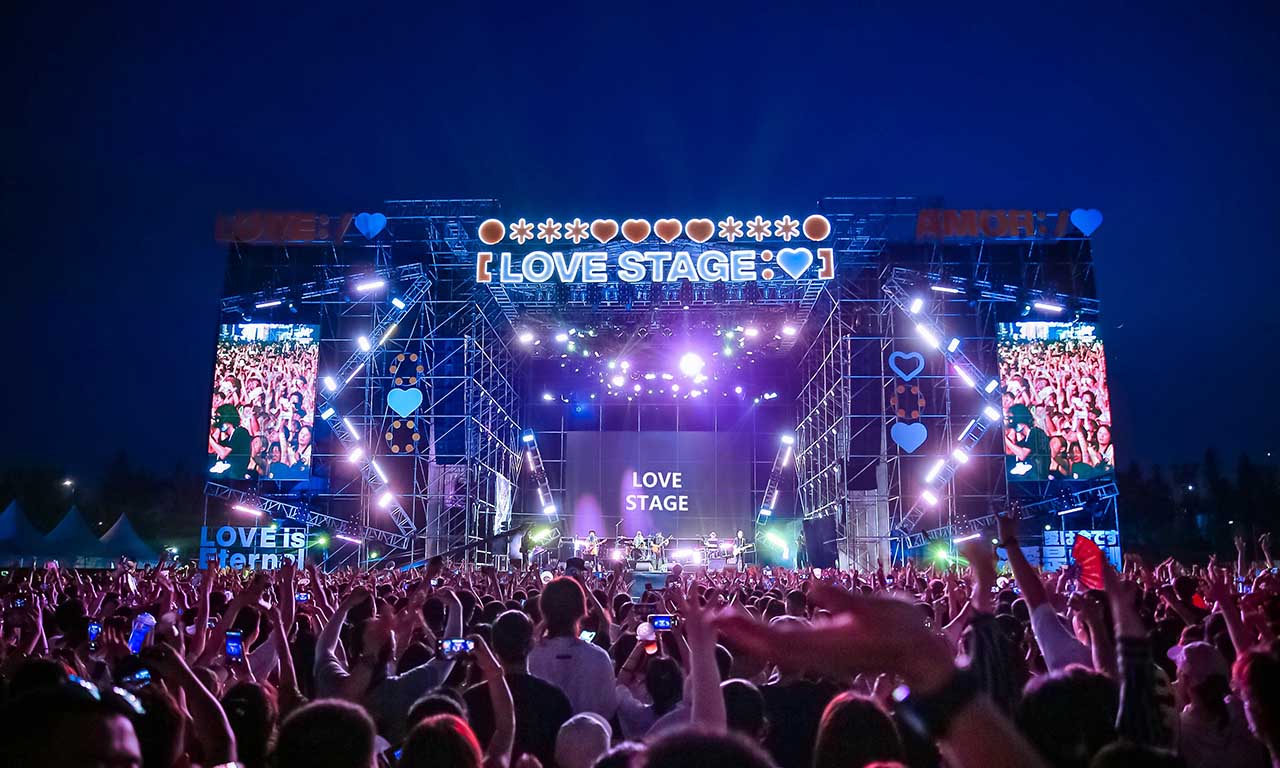
A transparent LED screen can extend stage depth while leaving space for lighting, scenery, and performers to remain visible. The screen structure and rigging plan must match the stage geometry, viewing angles, camera requirements, and approved suspended load.
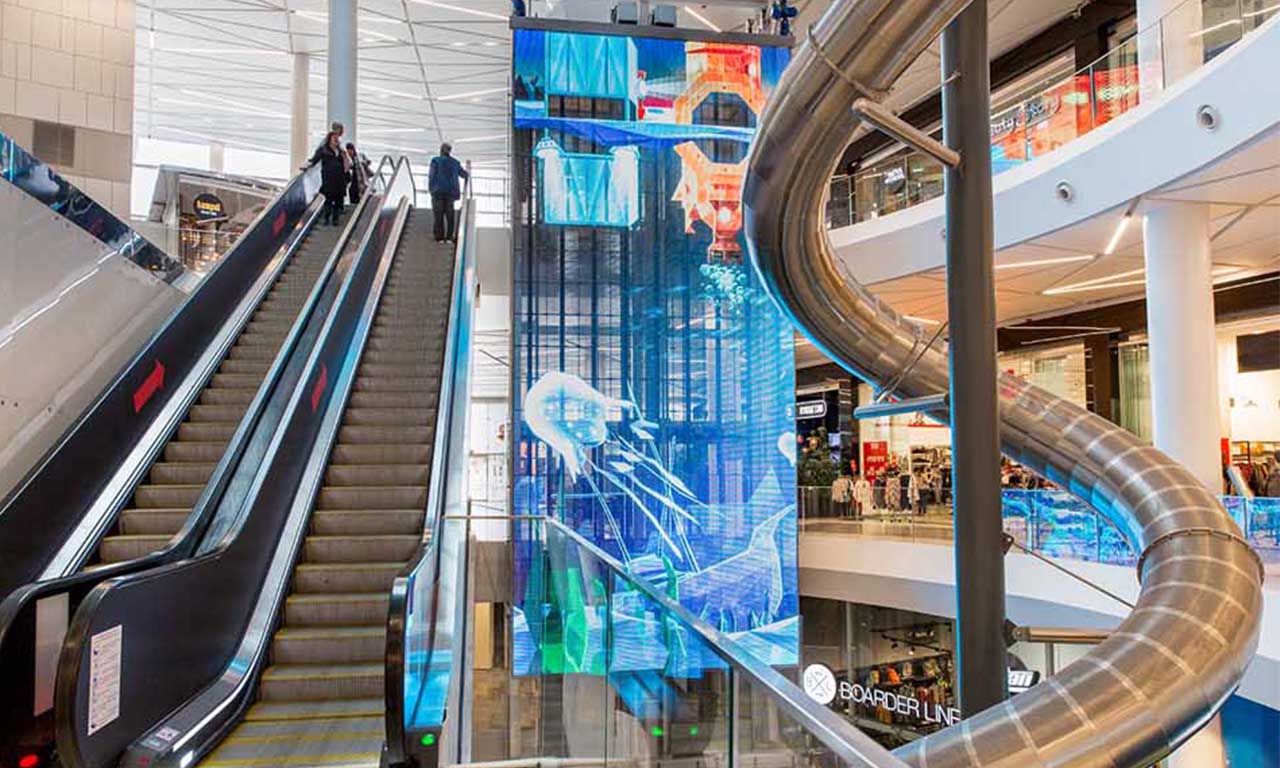
5.2 Shopping Centers
In shopping centers, transparent displays can add motion and promotional content to glass partitions or open retail areas without turning them into solid walls. Brightness scheduling should respond to changing daylight and evening conditions.
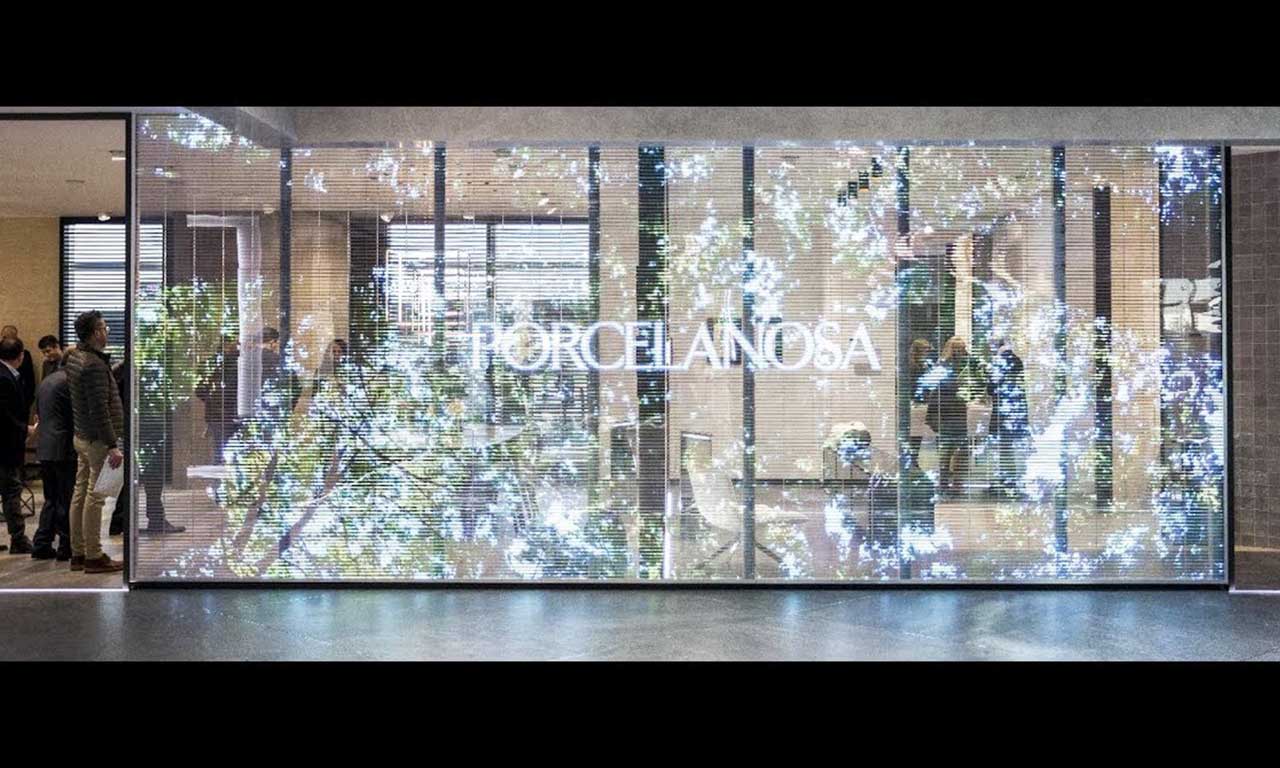
5.3 Retail Glass Windows
Retailers can place campaigns, product launches, and brand visuals in front of merchandise while customers continue to see into the store. Content should use bold shapes, short text, and dark backgrounds that exploit transparency instead of filling every pixel.
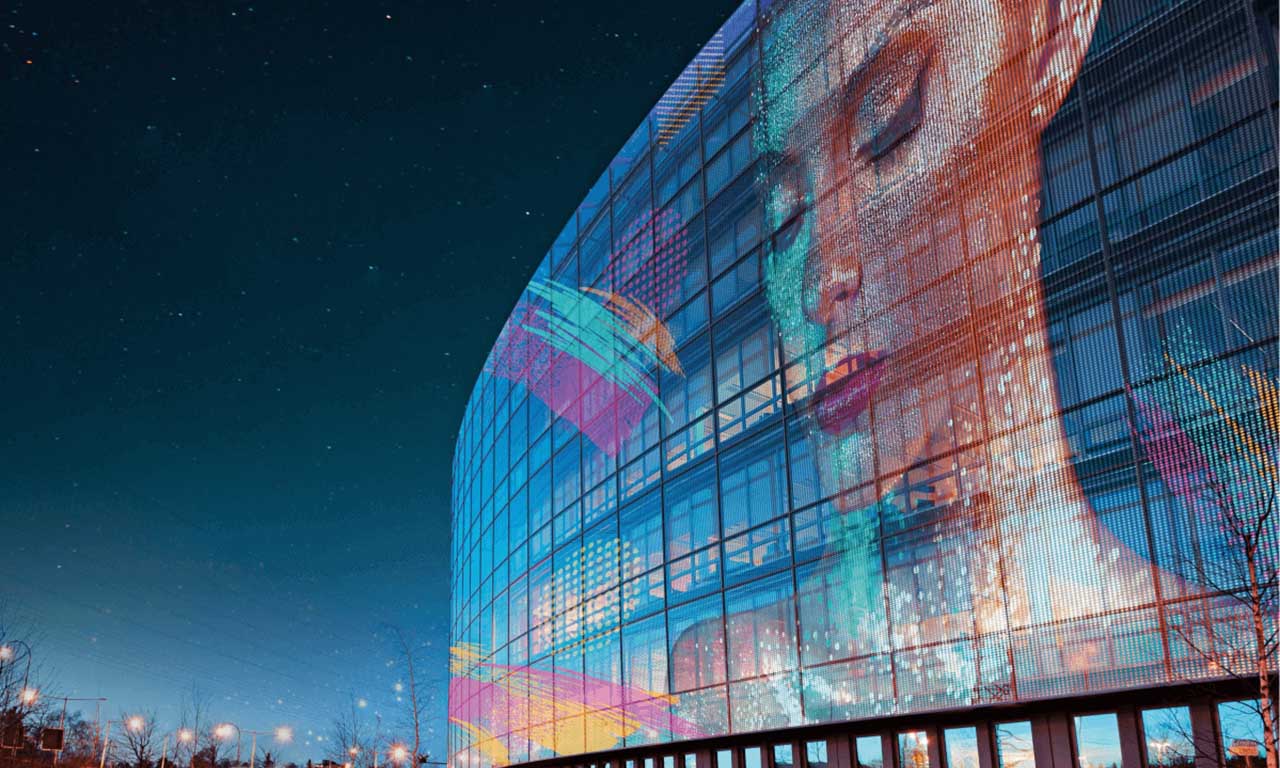
5.4 Architectural Glass Curtain Walls
Facade installations can turn glass surfaces into media areas while preserving the building’s visual openness. These projects require coordination among the display supplier, facade engineer, electrical team, architect, and building operator before mounting points or cable routes are finalized.
5.5 New Retail and Digital Signage
Transparent digital signage is useful for product storytelling, wayfinding, temporary promotions, exhibitions, and branded environments. The content schedule, remote-control workflow, fallback playback, and maintenance responsibility should be defined before launch.
6. EagerLED Transparent LED Screen Models
EagerLED offers transparent LED screen options for indoor fixed installation, outdoor rental use, and indoor poster displays. Choose by environment, mounting method, cabinet format, transportation frequency, and content requirements rather than by transparency alone.
| Model | Best fit | Published highlights |
|---|---|---|
| EA1000TiF | Indoor fixed transparent display | 1000 x 500 mm cabinet, 7.5 kg per cabinet, up to 70% transparency |
| EA1000TOR | Outdoor transparent rental events | More than 70% transparency, lightweight rental structure, rapid assembly |
| EA1000TiP | Indoor poster and retail display | 500 x 125 mm module, die-cast aluminum structure, modular poster format |
6.1 EA1000TiF Indoor Fixed Transparent LED Screen
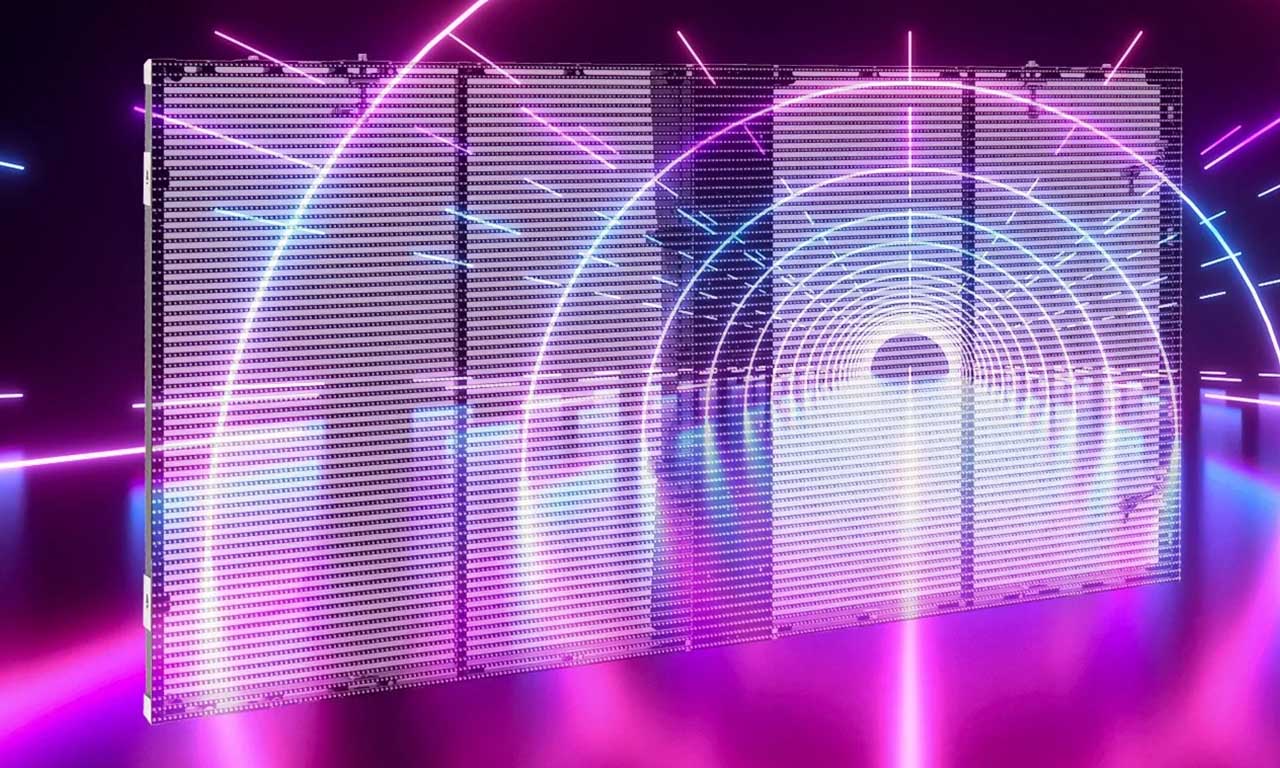
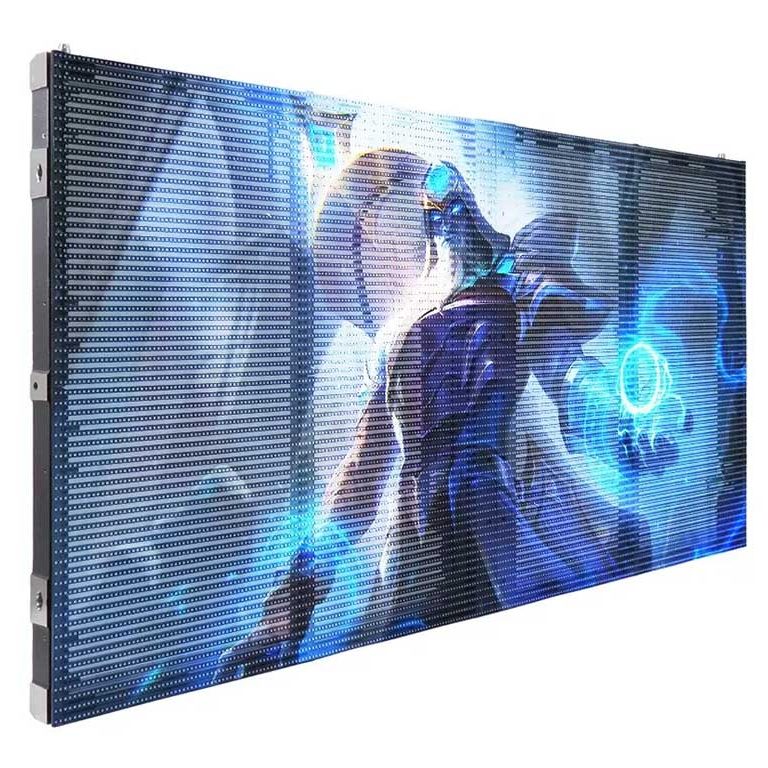
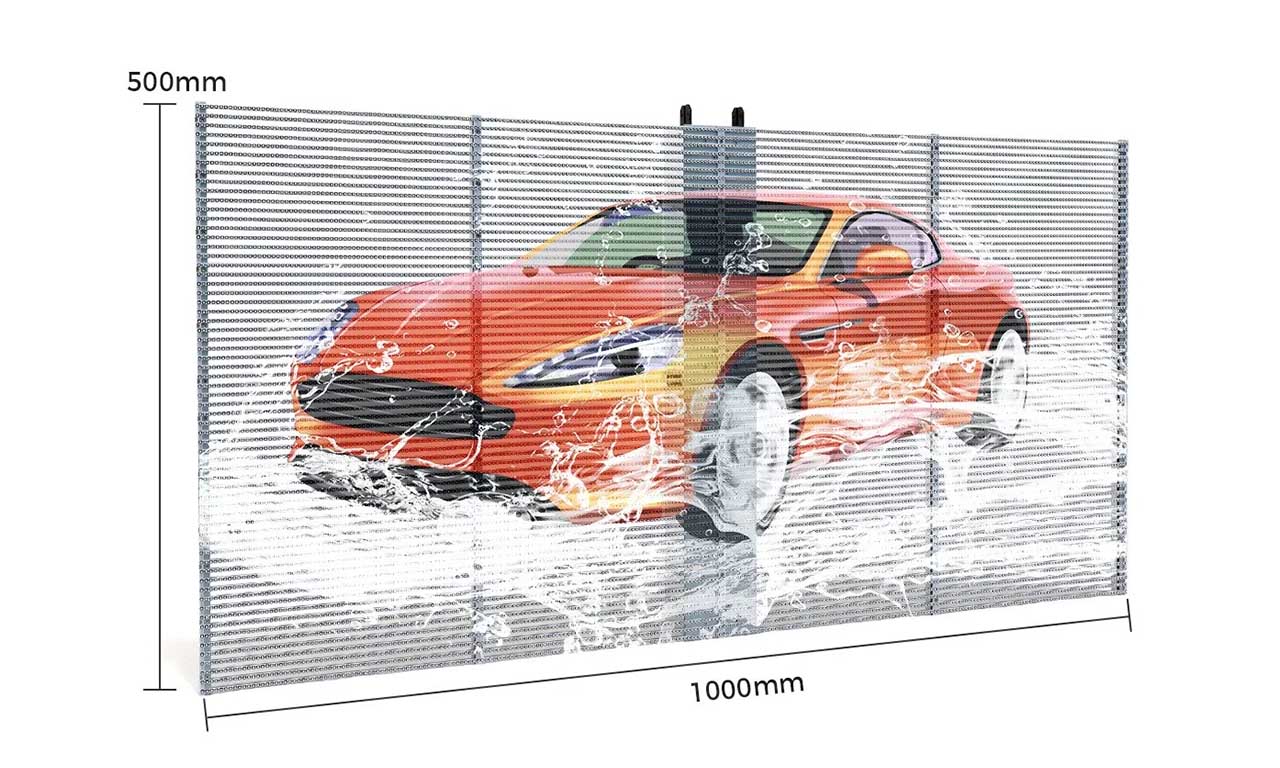
The EA1000TiF indoor transparent LED screen uses a 1000 x 500 mm die-cast aluminum cabinet weighing 7.5 kg per cabinet. Transparency reaches up to 70%, and the lightweight design supports stacking, hanging, or fixed installation for shopping centers, exhibition halls, and indoor glass walls.
6.2 EA1000TOR Outdoor Rental Transparent LED Display
The EA1000TOR outdoor rental transparent LED display is designed for exhibitions, concerts, celebrations, and other temporary outdoor applications. Its published transparency exceeds 70%, while the lightweight rental structure supports fast transport, assembly, and reconfiguration between venues.
6.3 EA1000TiP Indoor Poster Transparent LED Screen
The EA1000TiP indoor poster transparent LED screen uses lightweight 500 x 125 mm modules in a die-cast aluminum structure. Three 1000 x 500 mm cabinets can form a 1000 x 1500 mm poster display, giving retailers a modular format that is easy to install and service.
6.4 How to Choose Between the Three Models
Choose EA1000TiF for a permanent indoor glass-wall installation, EA1000TOR for repeated outdoor rental assembly, and EA1000TiP for an indoor poster-format display. Before ordering, provide the glass or frame dimensions, viewing distance, installation environment, desired transparency, native resolution, maintenance direction, and control requirements.
6.5 Common Transparent LED Project Mistakes
- Choosing by transparency alone: Balance visibility with pixel pitch, brightness, and content legibility.
- Skipping the native pixel map: Calculate the final canvas before selecting the processor and controller.
- Loading the glazing without engineering: Use a verified frame and load path for glass-wall installations.
- Ignoring real ambient light: Test brightness, reflections, and viewing angles at the installation site.
- Relying only on a remote network: Keep local fallback content and a documented recovery method.
- Forgetting service access: Confirm how modules, power supplies, and receiving cards will be replaced.
7. Frequently Asked Questions
7.1 How Do You Install a Transparent LED Display Without Blocking Natural Light?
Mount the modules behind the glass on a slim, independently supported frame, align LED strips with mullions where practical, and choose the highest transparency that still provides the pixel pitch and brightness required at the viewing distance. Keep ventilation and service access clear.
7.2 Can Transparent LED Screens Display 4K Content?
Yes, a compatible processor can accept a 4K input, but native 4K detail requires a physical canvas of 3840 x 2160 pixels. Calculate the installed pixel matrix from screen dimensions and pixel pitch; otherwise, the processor scales the 4K source to the wall’s native resolution.
7.3 How Can Transparent LED Content Be Controlled Remotely?
Use a compatible media player, LED controller, and content management system connected by Ethernet, Wi-Fi, or cellular service. Protect remote access with authenticated accounts and a VPN or segmented network, and keep local fallback content.
7.4 How Do You Prevent Ghosting and Reflections?
Calibrate brightness and grayscale, use the recommended refresh rate and receiving-card settings, keep module firmware consistent, and match camera shutter settings when filming. Reduce reflections by controlling direct light, using high-contrast content, and testing the screen angle on site.
7.5 Do Transparent LED Screens Reduce Building Cooling Costs?
The open design supports airflow and preserves daylight, but no universal cooling-cost percentage applies. Savings depend on display power, solar gain, glazing, climate, operating hours, and HVAC controls, so any project claim should come from a building-specific energy assessment.
8. Conclusion
Transparent LED screens work best when transparency, pixel pitch, brightness, native resolution, structural load, control system, and service access are planned together. EagerLED provides indoor fixed, poster, and outdoor rental transparent LED display options. Contact EagerLED with your glass dimensions, viewing distance, installation environment, and content requirements for a project-specific recommendation.