

Transparent LED screens show video and graphics while leaving space to see through the display. They are used in shop windows, glass facades and stage sets where a solid video wall would hide merchandise, architecture or performers. The right system combines readable content with an acceptable view through the glass.
Choosing transparent LED screens involves more than comparing transparency percentages. Pixel pitch, daylight, native resolution, mounting loads, service access and the complete installed price all affect the result. A display that looks sharp in a dark showroom may perform very differently behind a sunlit storefront.
This buyer’s guide explains the technology, compares practical options and gives you a specification checklist for an itemized quotation. It also separates product claims from project calculations, so you can assess transparent LED screens using the conditions at your own site.
1. What Are Transparent LED Screens?
Transparent LED screens are direct-view displays with LEDs arranged on spaced strips, mesh or a transparent film substrate. The LEDs emit the image; open areas or transparent materials let background light pass through. A controller maps the video signal to the physical pixels. Multiple panels form a transparent LED wall; in retail, the same technology is often described as transparent LED signage.
01 How the See-Through Effect Works
Names such as LED transparent screen, see-through LED screen, translucent LED screen and glass LED display often describe overlapping products. Ask what is actually supplied: framed LED panels, adhesive film, or a display integrated with glazing. These terms do not establish the mounting method or weather rating.
Black image areas normally mean LEDs are off, revealing the background instead of producing an opaque black surface. Transparent LED screens therefore create a layered appearance, but they do not make hardware invisible. Frames, wiring, glass reflections and the background remain part of the visual experience.
02 Compare Transparent Display Technologies
| Technology | Typical project fit | What to check |
|---|---|---|
| Strip or mesh LED cabinets | Large windows, events and architectural media | Cabinet grid, service access, structural support and pixel pitch |
| Adhesive LED film | Glass surfaces where a slim installation matters | Glass compatibility, approved cutting lines, power routing and removal method |
| Transparent OLED or LCD | Detailed product showcases and controlled indoor spaces | Panel size, ambient-light limits and any illumination or enclosure requirements |
| Conventional opaque LED wall | Detailed video where preserving the view is unnecessary | Loss of daylight and visibility; compare complete installed performance |
Transparent LED screens are a strong option when visibility through the installation has a clear purpose. For close reading of detailed diagrams, dense text or dark cinematic scenes, compare an opaque display before committing. A site demonstration should use your actual content and background.
2. Key Features of Transparent LED Screens
The main benefits of transparent LED screens are preserved sightlines, modular construction and a lightweight visual presence. Each benefit depends on the complete installation, not just a panel specification.
01 Transparency and Daylight
Transparency is a model-specific figure. Confirm whether it describes the active module, the complete cabinet or the installed system, and whether it is geometric open area or measured optical transmission. Frames, cables, existing glazing and viewing angle can reduce the apparent openness.
Finer pixel spacing usually improves detail but may reduce the open area within the same product family. Compare transparent LED screens at the intended distance from both sides of the window, during the day and after dark. A percentage alone cannot predict how visible merchandise will remain.
02 Weight, Maintenance and Heat
Open cabinets can reduce panel mass, but the building supports the entire assembly: panels, brackets, frames, cables, power supplies and safety hardware. A lightweight panel does not establish that a window mullion or ceiling can carry it.
Modular transparent LED screens can simplify repairs if individual strips, receiving cards and power supplies remain accessible. Confirm which parts are serviceable from the front or rear and whether a failed section can be isolated. Include access equipment and replacement labor in the maintenance plan.
The open structure allows airflow, yet electronics still release heat. Solar gain behind glass can create a hot enclosure even indoors. Avoid blanket claims about reduced air-conditioning costs; building energy performance depends on glazing, operating brightness, climate and ventilation.
03 Brightness, Contrast and Camera Performance
Brightness is measured in nits, equivalent to cd/m². Select it using ambient light, glass tint, orientation and viewing angle. Transparent LED screens behind indoor glazing may still face intense sunlight. An indoor location alone does not justify a low-brightness specification.
Request a daylight test and a dimmed evening test. Inspect small text, gray gradients and skin tones. For filmed events, test the actual camera, frame rate, shutter and controller settings: a high refresh-rate number alone does not guarantee freedom from banding or moiré.
3. Transparent LED Screens: Specifications, Selection and Cost
Specify transparent LED screens around the audience and content first, then compare products that meet the same brief. This avoids paying for pixel density you cannot use or buying an open display whose text is unreadable.
01 Specification Checklist
| Item | Required evidence | Decision it supports |
|---|---|---|
| Active dimensions and pitch | Width, height, horizontal pitch and vertical pitch | Native pixel count and content legibility |
| Transparency | Value and measurement basis for the exact configuration | Visibility through the installed display |
| Brightness and dimming | Operating luminance, adjustment range and sensor option | Daylight readability and evening comfort |
| Environmental protection | Front/rear ratings and approved temperature range | Suitability for water, dust and solar exposure |
| Power | Maximum load and measured typical consumption with test conditions | Electrical design and energy estimate |
| Structure and access | Total weight, mounting drawings and replacement clearances | Safe installation and maintainability |
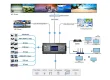
| Control system | Input support, pixel capacity, port mapping and playback mode | Reliable operation of the full canvas |
02 Calculate the Native Pixel Matrix
For transparent LED screens with different horizontal and vertical pitches, calculate each axis separately. Approximate horizontal pixels = active width in millimeters ÷ horizontal pitch; vertical pixels = active height in millimeters ÷ vertical pitch. The final matrix must follow the actual module layout, including any gaps or inactive borders.
For example, an illustrative 4,000 × 2,000 mm active area at 4 × 8 mm pitch produces approximately 1,000 × 250 pixels, or 250,000 pixels total. It is not a native 4K display. This example is a calculation, not a specification for an EagerLED model.
A processor may accept a 3840 × 2160 UHD source and scale it to the installed canvas. AVIXA’s resolution reference explains pixel dimensions. Ask the supplier to demonstrate scaling and pixel mapping so logos retain their proportions, especially when the physical pixel spacing differs by axis.
Viewing-distance rules are only a starting point. For transparent LED screens, the smallest text, audience angle and moving background can matter as much as pitch. Approve a sample showing the smallest required character at the nearest and farthest intended viewing positions.
03 Understand Price and Operating Cost
There is no universal installed price for transparent LED screens. Square-meter pricing is meaningful only when pitch, brightness, protection, service method and included equipment match. Ask whether the quoted area is active display area or the overall frame footprint.
| Cost item | What the quotation should include | Common omission |
|---|---|---|
| Display hardware | Panels, power supplies and receiving cards for a defined configuration | Spare modules and matched replacement LEDs |
| Control and playback | Processor, sender, media player and necessary software | License renewal or remote-management fees |
| Mechanical installation | Frames, mounting hardware, engineering and access equipment | Glass coordination and building modifications |
| Electrical and data | Distribution, cabling, protection and commissioning | Long cable routes or additional network equipment |
| Logistics and ownership | Packing, freight, applicable duties, warranty scope and service | Return freight, onsite labor and future access costs |
Estimate daily energy using screen area × measured average watts per square meter × operating hours ÷ 1,000. As an illustration, 10 m² at an assumed 200 W/m² for 12 hours consumes 24 kWh per day, excluding ancillary equipment. Replace that assumption with measurements from the selected system and your playlist. Electrical circuits must be designed for the specified maximum demand, not this average.
4. Transparent LED Screen Installation Methods
Installation planning for transparent LED screens begins with a site survey. Record glazing dimensions, mullions, viewing positions, cable routes, power availability and maintenance clearances. The display supplier, installer and building team should agree the support arrangement before production.
01 Choose a Supported Mounting Method
A floor-standing base suits temporary displays where the footprint and stability can be controlled. A fixed frame suits permanent windows and facades. Hanging systems suit stages or atriums with verified overhead supports. Each method requires hardware selected for the complete assembly and its operating conditions.
Do not assume existing glass or facade mullions can support transparent LED screens. Obtain approval for the load path, fixings and any structural changes. Outdoor installations also need a site-specific wind assessment; an open cabinet does not eliminate wind loads.
02 Coordinate Glass, Power and Access
Align cabinets with the glass grid where practical, while maintaining the specified ventilation and servicing gaps. Keep power supplies and receiving cards reachable. With adhesive film, confirm compatibility with coatings, curvature and cleaning products before application; only cut or bend within the manufacturer’s documented limits.
Plan electrical isolation, cable protection and grounding with the qualified installation team. Confirm environmental ratings for connectors and power equipment as well as panels. A weather-rated face does not automatically protect a rear connection or an exposed distribution box.
03 Commission and Document the System
Before accepting transparent LED screens, check alignment, damaged pixels, color consistency, low-brightness grayscale, image mapping and operation after a power interruption. Test the final playlist from the public viewing position and check reflections at different times of day.
Handover should include mounting drawings, wiring diagrams, controller backups, module mapping, calibration files and a service contact. AVIXA’s installation guidance also emphasizes site assessment, structural support, electrical planning and calibration. Use it as background alongside the project’s approved engineering documents.
5. Applications of Transparent LED Screens
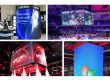
Transparent LED screens are most useful when the scene behind the image contributes to the experience. Match the design to the way people move, stop and look.
01 Stages and Events
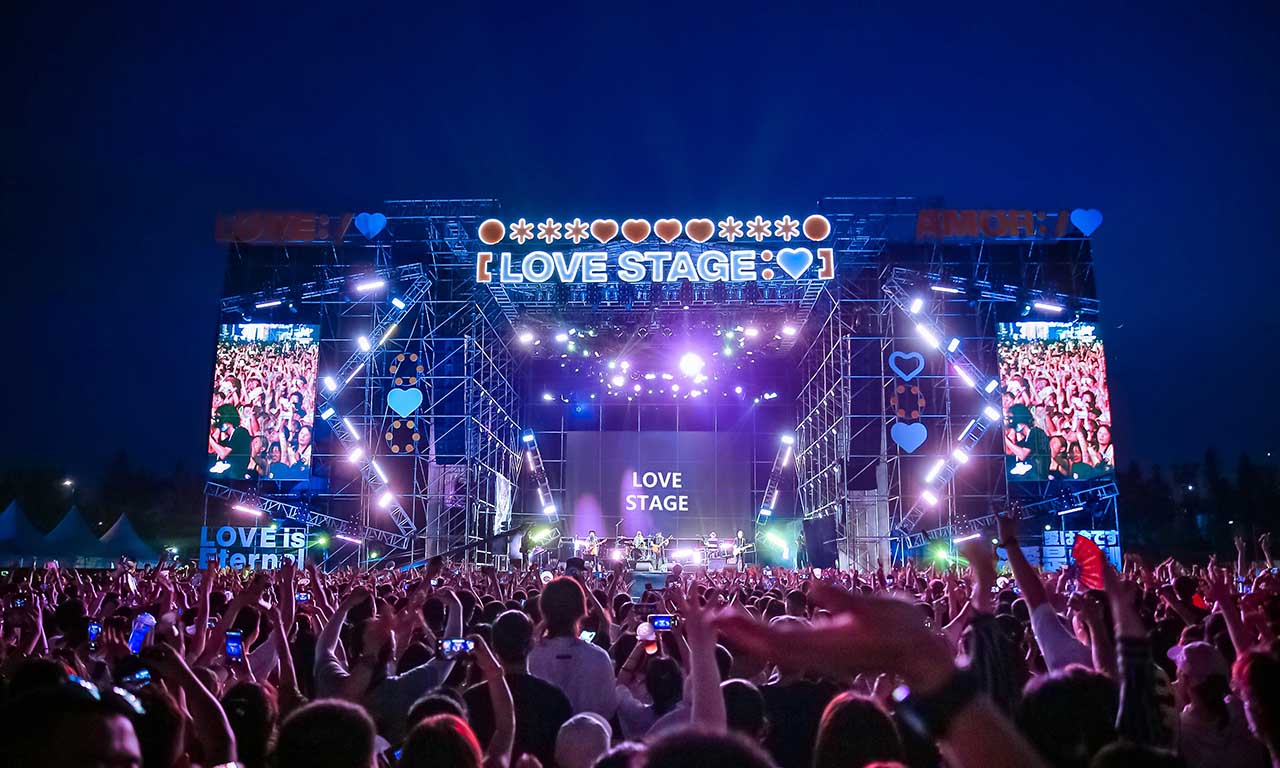
Transparent LED screens can layer graphics in front of performers or scenery while allowing lighting through. Coordinate content with stage lighting so the background does not overwhelm the image. Rental projects also need a repeatable rigging, transport and inspection process.
02 Shopping Centers
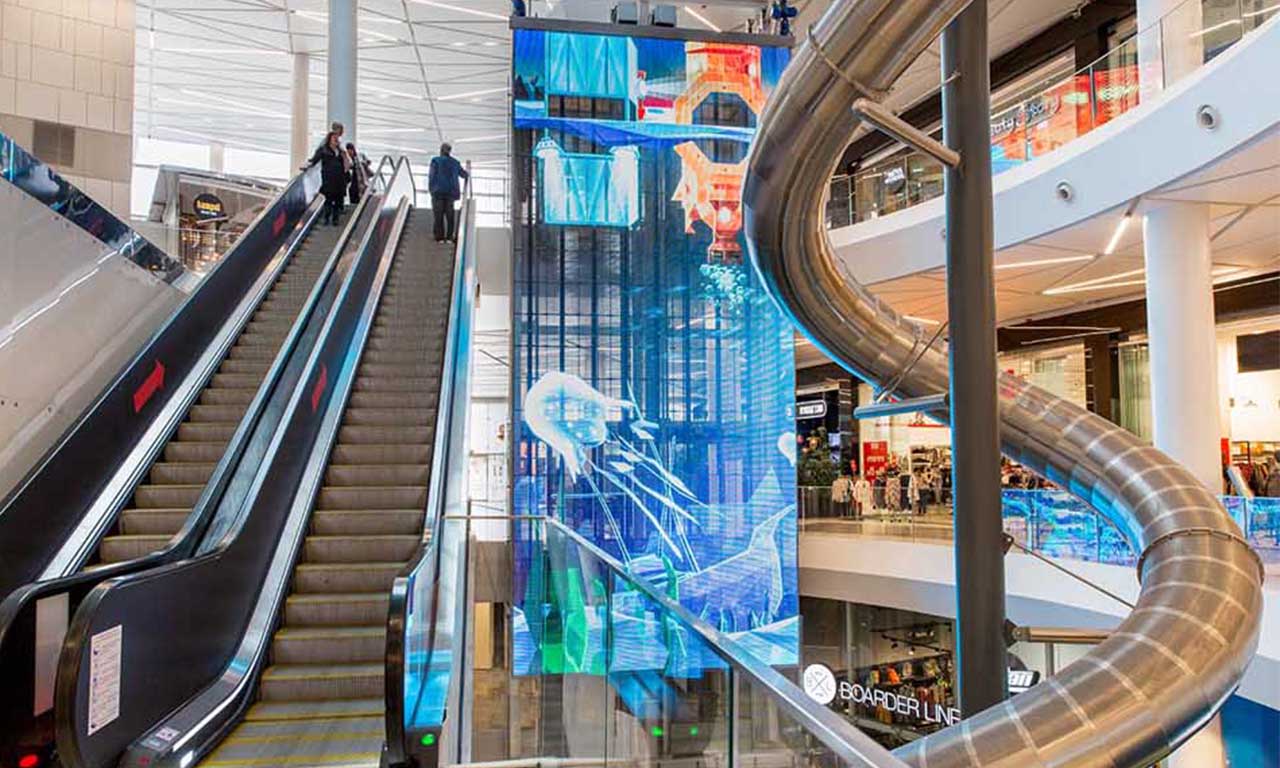
In atriums and malls, transparent LED screens can carry promotions without turning open space into a solid partition. Check viewing angles from several floors, the visibility of signs behind the display and access for maintenance during operating hours.
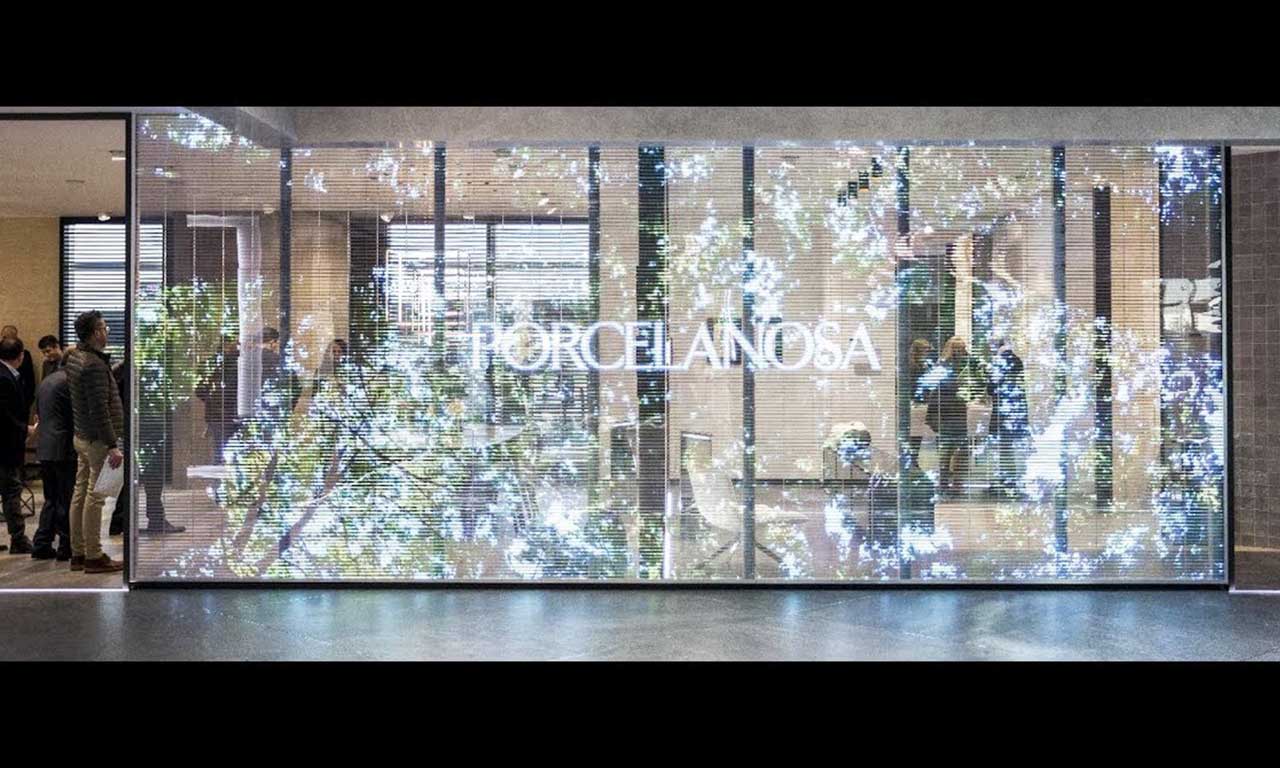
03 Retail Glass Windows
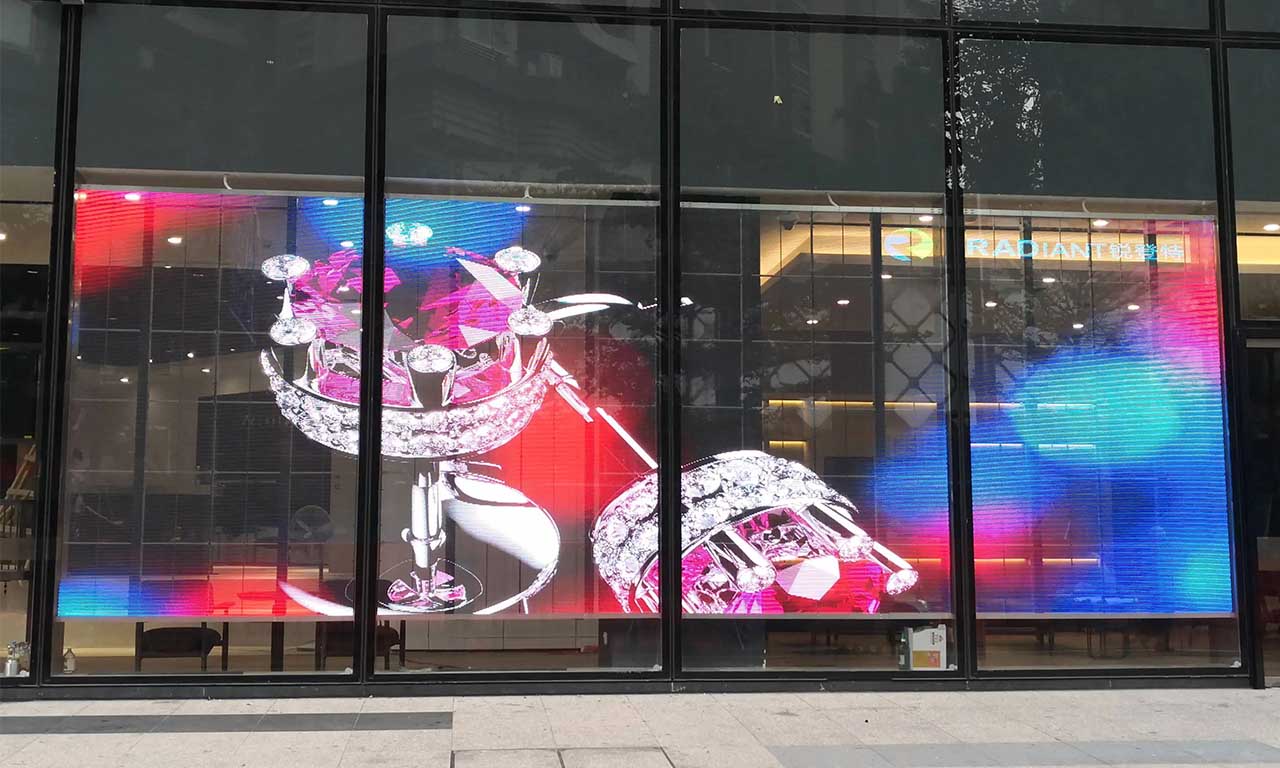
A transparent LED window display should support the merchandise, not hide it behind a full-screen white advertisement. Use short messages, large typography and selective bright objects on dark backgrounds. Test reflections from the street and inspect whether the interior remains inviting when content is playing.
04 Architectural Glass Curtain Walls
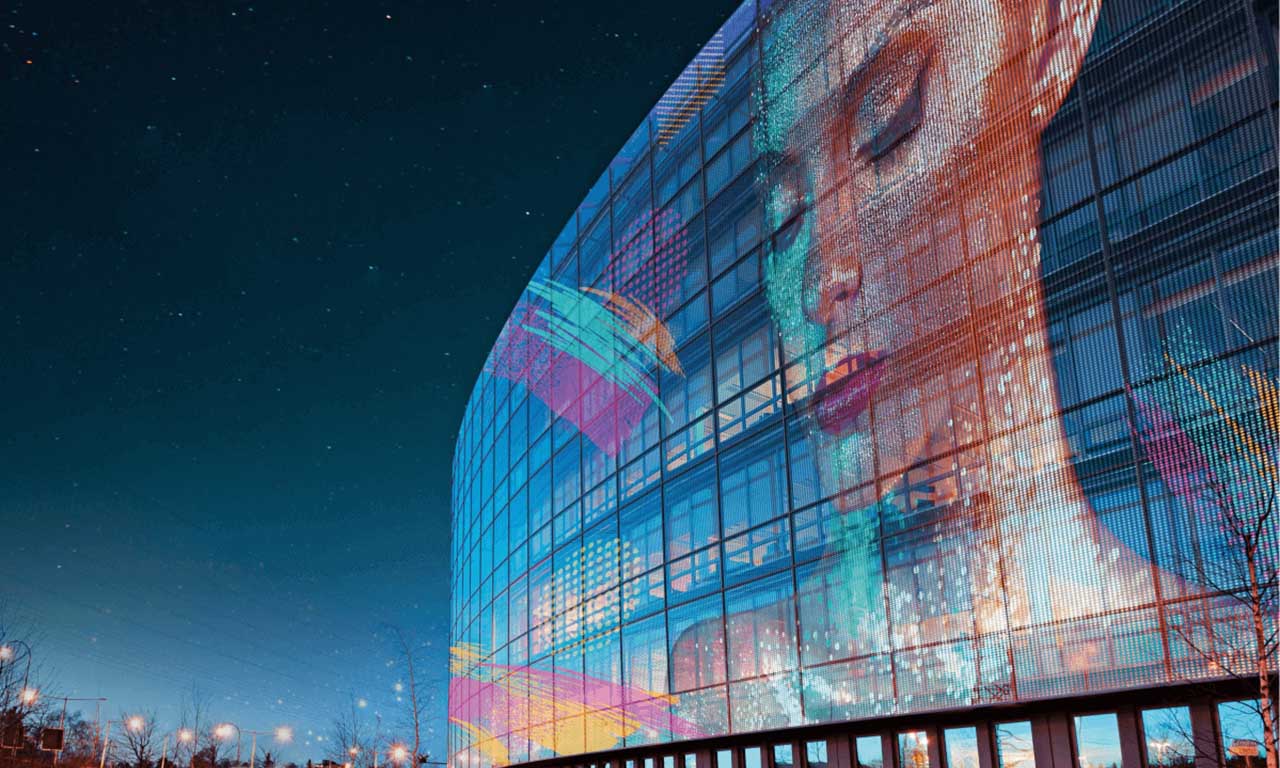
For facades, transparent LED screens require coordination with the building’s glass grid, electrical routes, access strategy and operating schedule. Confirm local sign permissions and brightness restrictions with the project team. A design approved for an indoor window should not be assumed suitable for permanent exterior exposure.
05 Exhibitions and Digital Signage
Exhibitions benefit from compact content loops and a clear relationship between physical products and animation. Define who updates the playlist and who restores it after a fault. For more application examples, see our transparent display advantages and applications guide.
6. EagerLED Transparent LED Screens and Model Selection
Use the EagerLED transparent LED screens catalog to shortlist current products. Model names and specifications evolve; verify the exact revision and pitch on the quotation rather than transferring figures from a similarly named cabinet.
| Reference | Application | What to verify |
|---|---|---|
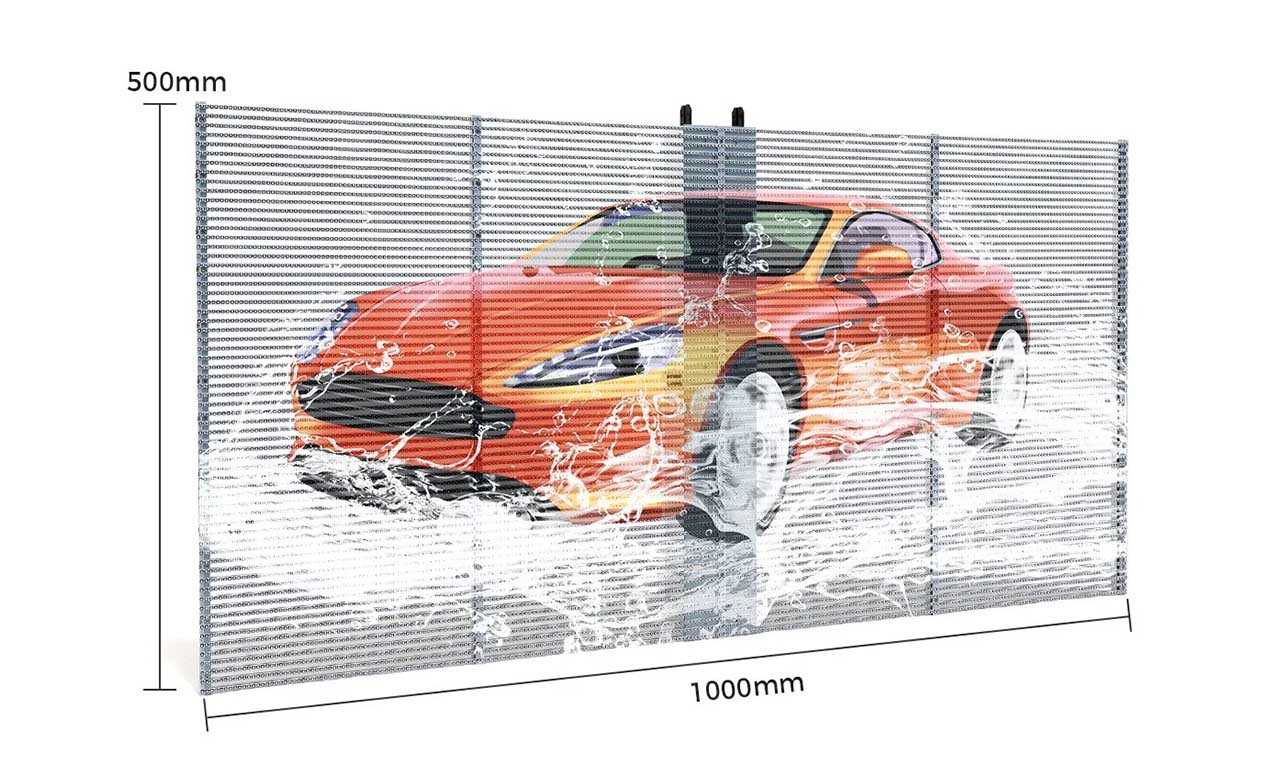
| EA1000TiF / TiF1 reference | Indoor fixed installation | Published reference: 1000 × 500 mm cabinet, 7.5 kg, up to 70% transparency; confirm current revision |
| EA1000TiF2 | Current indoor fixed option | Published 60% transparency; 1000 × 1000 mm and 1000 × 500 mm cabinet formats; verify the selected configuration |
| EA1000TOR1 | Outdoor rental installation | Published P3.91–7.82 configuration: 60% transparency; other pitches differ |
| EA1000TiP historical reference | Indoor poster-format concept | Confirm present availability and a current datasheet before specifying |
01 Indoor Fixed Transparent LED Screens
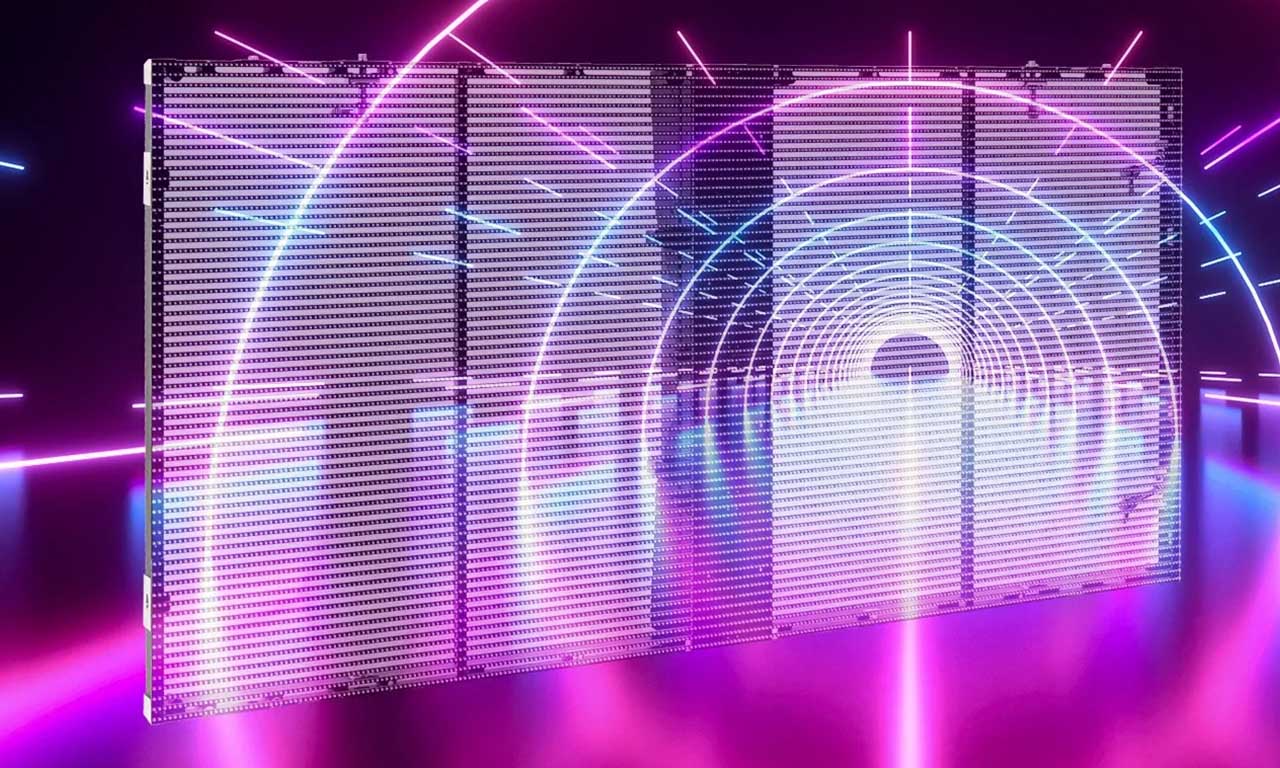
The EA1000TiF reference illustrates a modular indoor installation. Its published cabinet dimensions and weight give an initial planning basis, but the mounting structure adds load. Compare the current EA1000TiF2 fixed indoor model separately; do not assume it shares every specification with the earlier version shown below.
02 Outdoor Rental Transparent LED Screens
The current EA1000TOR1 outdoor rental product page lists 1000 × 500 mm cabinets, 7.5 kg cabinet weight and IP65 protection. It specifies 60% transparency for P3.91–7.82, with 70% for P10.4 and 80% for P15.6. These are manufacturer-published configuration figures, not interchangeable performance guarantees.
For rental transparent LED screens, ask about approved hanging limits, compatible corner cabinets, front/rear service access and spare-part availability. Verify the full assembly against venue requirements before deciding how many cabinets can be stacked or suspended.
03 Poster Formats and Purchasing Checks
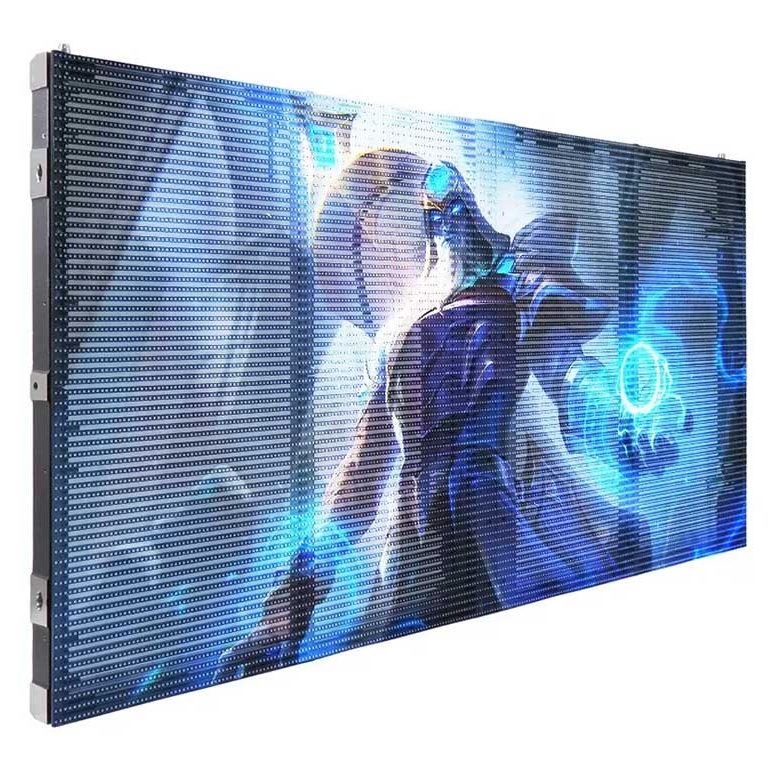
The EA1000TiP image below is retained as a historical poster-format example. Confirm its current availability directly with EagerLED; an older illustration is not proof of a presently orderable configuration. A poster proposal should specify the complete base, stability arrangement, content canvas and service method.
Before ordering transparent LED screens, approve a sample or demonstration, the itemized bill of materials, a cabinet layout and acceptance criteria. Record warranty exclusions, response arrangements and who pays for onsite work. These details make supplier proposals comparable and reduce ambiguity during commissioning.
7. Frequently Asked Questions About Transparent LED Screens
01 Can transparent LED screens show different content on both sides?
A single-sided LED assembly normally emits its intended image toward one viewing side. Seeing the rear through the structure does not create an independently controlled second display. If both audiences need readable, different content, request a purpose-designed double-sided system and confirm how it affects transparency, weight, wiring and service access.
02 Can transparent LED screens replace a home television?
Usually they are better suited to commercial signage than ordinary home viewing. Background light remains visible through dark image areas, and many modular systems have coarse native resolution at sofa distance. Compare a demonstration with your actual room, subtitles and video material before choosing a transparent display for entertainment.
03 How can I control transparent LED screens remotely?
Use a compatible media player and content management system with authenticated access. Confirm supported file formats, scheduling, device status and whether playback continues offline. Store fallback content locally, restrict administrator permissions and agree who maintains network access. Remote control depends on the supplied hardware and software, not transparency itself.
04 What happens if one LED strip or module fails?
The affected area may go dark or show incorrect colors; the extent depends on power and data distribution. Ask whether a technician can replace that section independently and restore its calibration. Keep approved spares from a compatible production batch and document the replacement procedure. Whole-screen replacement should not be assumed necessary.
05 Can transparent LED screens display scannable QR codes?
Sometimes, but reliability must be tested. Use a large code with a clear quiet zone and sufficient contrast against the real background. Coarse pixels, gaps between LED strips, reflections and motion can prevent scanning. Test several phones at the intended distance; a nearby printed code may be more dependable.
06 Are transparent LED screens fully invisible when switched off?
No. The LEDs, supporting strips, cables and cabinet edges remain present. Visibility depends on the construction, lighting and viewing angle. Ask to inspect the screen while it is off as well as while it is playing content, particularly when preserving the appearance of a shop window is a priority.
8. Conclusion
Choose transparent LED screens by balancing the view through the installation with the image the audience needs to read. Start with glass dimensions, content and viewing distance, then verify pitch, daylight performance, native resolution, structural support and maintenance access.
The best specification for transparent LED screens is an agreed set of measurable requirements supported by a site demonstration and a complete quotation. Contact EagerLED with your site photographs, active screen dimensions, installation environment, nearest viewing distance and content examples to discuss a suitable configuration.