

Build an LED screen maintenance plan around the installed equipment, site exposure, operating hours and safe access. Define preventive tasks, responsible people, evidence to retain and escalation rules before comparing service prices. A visit count alone does not describe what a commercial property is buying.
This guide is for facilities managers preparing a maintenance scope for a lobby or other fixed indoor display. It provides a proposed procurement framework, not a service contract, completed site assessment or universal inspection schedule. Manufacturer instructions and the property’s qualified safety assessment govern the actual work.
Start with the screen’s equipment register and existing service records. Then ask every bidder to price the same scope, identify exclusions and explain how unresolved findings move into corrective work. Keep routine operator observations separate from electrical work and component replacement.
1. Start LED Screen Maintenance with a Site-Specific Baseline
An LED screen maintenance proposal should identify the system it covers. Record cabinet and module models, installed revisions, controller and receiving-card identities, the screen location and the supplier’s order reference. Attach the current equipment list and service instructions. A proposal that only names the display size leaves important compatibility and access questions unanswered.
For a lobby, add normal opening hours, visitor traffic, permitted shutdown windows and the person responsible for content. Record where building works, cleaning activities or nearby entrances could affect the display. Ask the service provider to inspect the actual installation before accepting responsibility for work that depends on access behind trim or above occupied areas.
01. Separate hardware identity from the building environment
Record what is installed rather than copying a current catalog description into an older asset register. A product family can include several configurations. Ask the supplier to confirm the approved replacement parts and relevant documents for the purchased revision. The maintenance contractor should state which assets are included and which belong to another supplier.
Useful boundaries include the display cabinets, processor, playback device, building network, electrical distribution and supporting structure. LED screen maintenance may cover some of these and exclude others. A reception screen with a network problem should not create a dispute over whether the display technician is also the building’s IT contractor.
02. Verify the complete service route
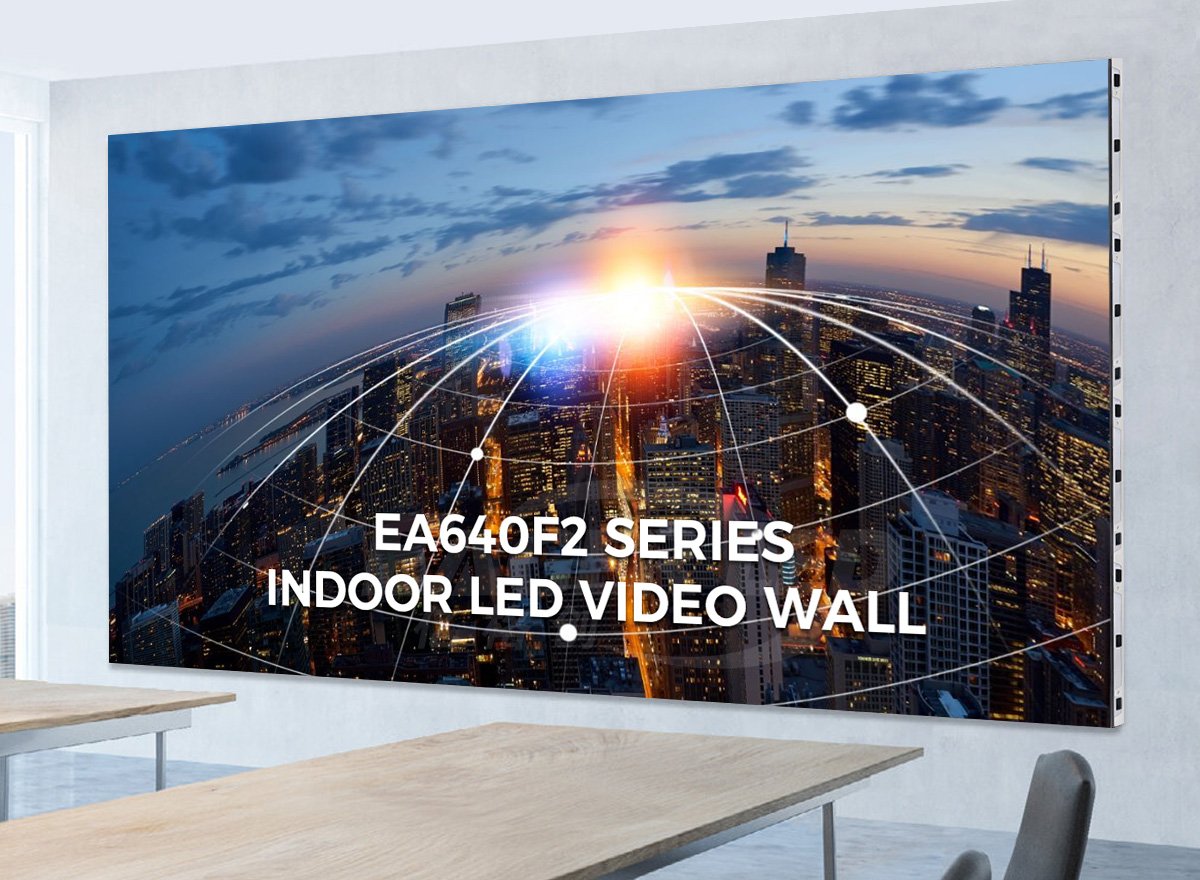
Front service is useful only when technicians can reach the front safely and remove the required component within the finished space. EagerLED’s EA640F2 indoor display page describes front access to modules, power supplies and receiving cards. Confirm that arrangement against the ordered configuration and its installation drawings.
The same page lists a cabinet depth of 60 mm (2.36 in). That dimension is not the total wall construction or an allowance for working space. Supports, cables, decorative finishes and the technician’s equipment need separate consideration. Include responsibility for moving furniture, protecting public routes and reinstating the area in the proposed scope.

2. Set the Service Schedule from Evidence
There is no single LED screen maintenance interval that fits every commercial property. Begin with the exact manufacturer’s requirements, assess the operating environment and review the screen’s service history. Then have a competent person define the initial task frequencies and the events that require an additional assessment.
The UK Health and Safety Executive’s work-equipment inspection guidance uses risk assessment, manufacturer recommendations, environmental conditions and experience to determine inspection needs. Its maintenance guidance also emphasizes competent personnel, planning and safe access. These are useful planning principles; local requirements and the actual installation still govern the property’s arrangements.
For a display exposed to dust and long operating hours, record those conditions explicitly. Ask the provider how they affect the proposed inspections and what findings would justify changing the interval. Do not turn “dusty” into an invented monthly cleaning rule. The method and frequency must be suitable for the display surface, cooling arrangement and observed contamination.
Use separate schedules where tasks have different purposes. An operator’s image observation, an approved cleaning visit and a specialist inspection do not automatically need the same frequency. Explain this distinction in the LED screen maintenance scope so a contractor cannot count a brief visual check as completion of all preventive work.
| Site input | Evidence to provide | Question for the proposed service provider |
|---|---|---|
| Use pattern | Operating hours, shutdown windows and changes in use. | Which tasks depend on use, and what changes trigger a review? |
| Contamination | Observed dust, nearby construction and cleaning activity. | What approved inspection or cleaning method addresses this exposure? |
| Environment | Location, ventilation arrangement and available alarm history. | Which observations are compared with the installed product’s limits? |
| Access | Photos, drawings, public routes and permitted working periods. | What equipment and site preparation are included in each visit? |
| Previous findings | Repeat symptoms, overdue actions and prior service reports. | Which findings require corrective work before the routine plan starts? |
| Exceptional events | Renovation, relocation, suspected damage or abnormal exposure. | Who decides whether the existing plan remains suitable? |
Keep the review date visible in the property system. A schedule should change because documented conditions or findings changed, not because a renewal quotation silently replaced the previous scope. Record the reason, approver and effective date of every change to the LED screen maintenance plan.
3. Write a Measurable Scope of Work
A useful scope describes the action, its boundary and the evidence that proves completion. “Full service” is too vague. Ask for a task list tied to the installed manual, with exclusions clearly marked. Where access prevents a check, the report should say “not inspected” and explain the next step.
01. Specify observations and permitted hands-on work
Operators can report visible image changes, alarms or damage without opening cabinets. The plan should say where they record these observations and whom they contact. Internal checks, approved cleaning and replacement work need people with the relevant competence, tools and safe procedures. Do not treat software blanking as electrical isolation.
For LED screen maintenance involving cabinet access, require the provider to identify the approved isolation and reinstatement process. The facilities manager should coordinate access and affected occupants; qualified personnel determine the technical method. This guide does not prescribe live testing, wiring changes or a component-removal sequence.
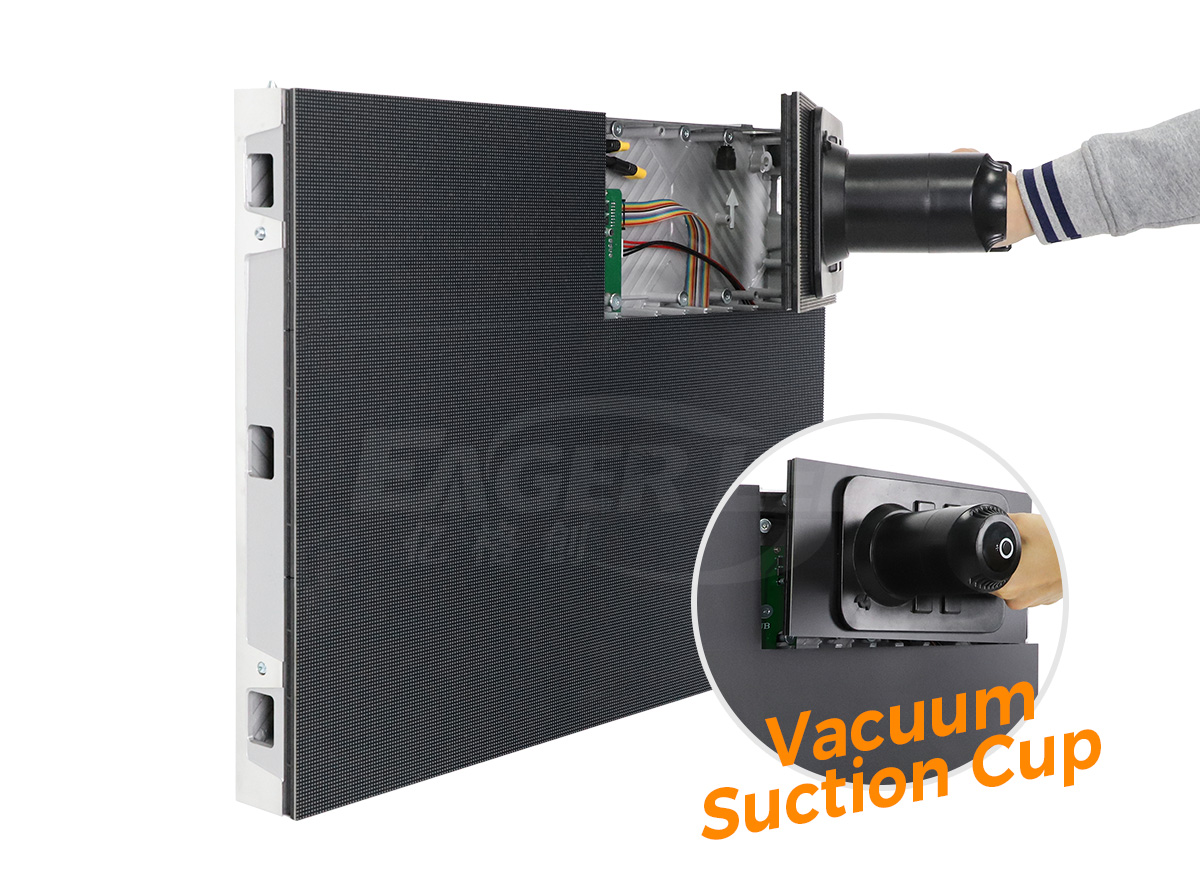
Define cleaning by reference to the actual surface instructions, not by a generic office-cleaning checklist. Ask which materials are permitted, who supplies them and what happens if contamination cannot be removed by the approved method. The contract should not encourage staff to experiment with solvents, pressure or unsuitable tools.
02. Keep preventive care distinct from repairs
Preventive work can reveal a defect without including its repair price. State how the contractor documents that finding, obtains authorization and prices corrective work. Define whether diagnosis, parts freight, access equipment, calibration and return visits are included or charged separately. Avoid promising that every defect can be repaired during a scheduled visit.
Our front-service module maintenance guide provides technical context for component-level care. This LED screen maintenance plan instead defines the service being purchased and the evidence retained by the property. Keep a clear reference to the applicable technical procedure without copying repair instructions into a commercial scope.
Ask the provider to list the deliverables after intervention: the affected asset, work performed, parts changed, retained settings, agreed functional checks and outstanding issues. “Screen operating” should not conceal a remaining image mismatch or an intermittent fault that was not reproduced. Record limitations alongside the completion statement.
4. Compare In-House and Contracted LED Screen Maintenance
Choose the delivery model by matching tasks to available competence, coverage and access to approved parts. An in-house team may understand the building well but need specialist display support. An external provider may know the equipment but need induction, access coordination and the property’s operating records.
A mixed arrangement can assign routine observations and site coordination to facilities staff while reserving internal work for qualified specialists. Make the handoff explicit. Without a named owner, one team can assume the other has ordered a spare, assessed an alarm or arranged access for a return visit.
| Decision | In-house option | External option | Evidence to compare |
|---|---|---|---|
| Competence | Identify trained people and tasks outside their authority. | Identify the assigned technical capability and subcontracting boundaries. | Task-specific responsibility and training requirements. |
| Coverage | Plan for absence, shift changes and competing duties. | Define support hours, attendance arrangements and exclusions. | Written coverage rather than a general support slogan. |
| Parts | Assign stock ownership, storage and replenishment. | Identify stocked items, ordering responsibility and freight scope. | Confirmed part identities and supply arrangements. |
| Access | Coordinate building permits and public-area restrictions. | State whether equipment, protection and reinstatement are included. | Site-specific method and priced access scope. |
| Records | Use the property system and nominate an archive owner. | Require usable reports and agreed file formats. | Sample report and handover requirements. |
| Commercial comparison | Include staff time, training, tools and specialist callouts. | Separate scheduled work, corrective labor, parts and exceptions. | Like-for-like scope with unresolved costs identified. |
Request a sample service report before selecting an LED screen maintenance provider. It reveals whether the bidder records findings in a form your team can use. A polished proposal is less useful if every visit produces only a signed attendance sheet without asset references or unresolved actions.
Also distinguish response from restoration. An acknowledgement, remote diagnosis, site attendance and return to agreed operation are different milestones. Ask bidders to define any offered service level and its dependencies. Do not infer a guaranteed repair time from a contact number, spare-stock statement or general manufacturer support page.
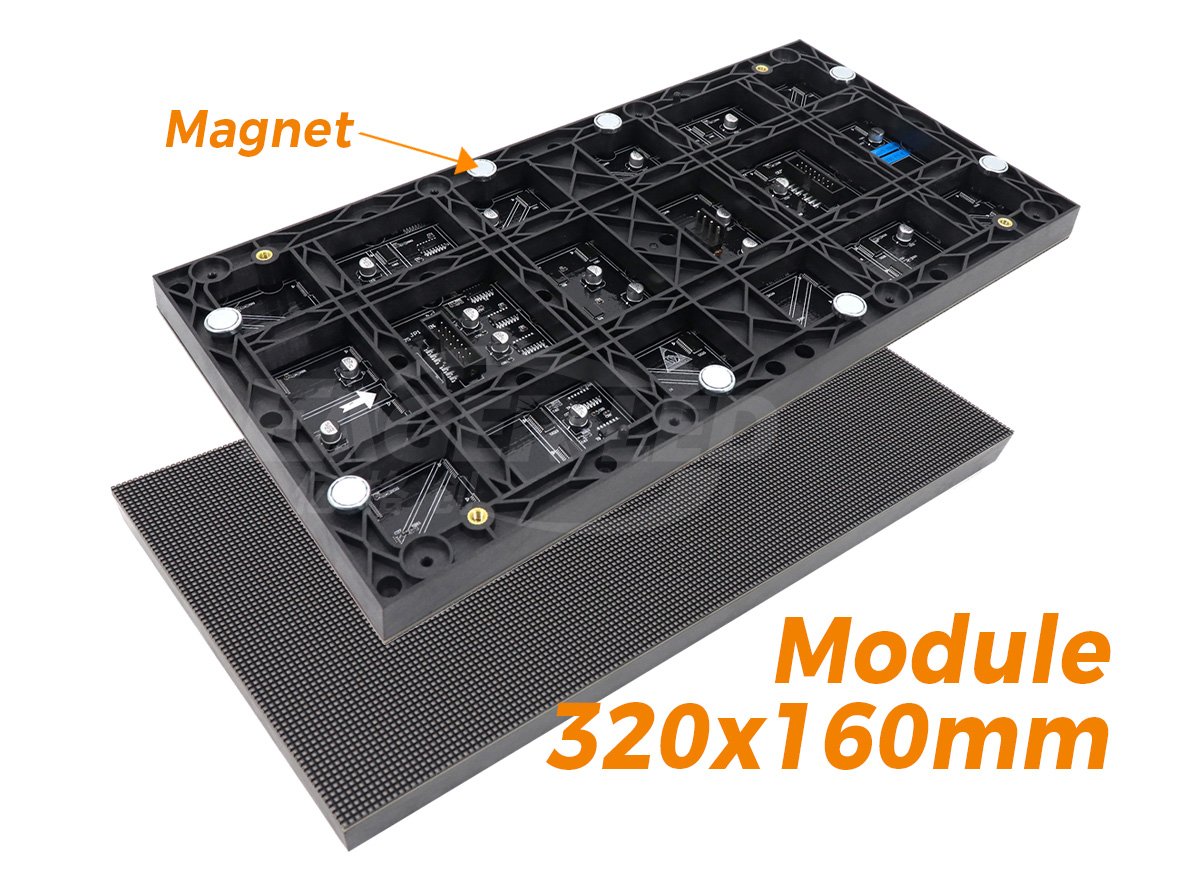
For spares, request written compatibility against the installed bill of materials. Record revision, approved configuration information and storage instructions as applicable. An LED screen maintenance contract should name who maintains that inventory and who pays for replenishment after use. Untested returns must not be counted as ready replacements.
5. Define Records and Escalation Before the First Visit
Each LED screen maintenance report should let the next technician understand what happened without relying on the previous technician’s memory. Use a consistent asset reference, location and date. Separate the reported symptom, observed condition, action performed and verification result so assumptions do not become facts in later visits.
Attach relevant photos and identify the cabinet or module location using the installation map. Record the operating circumstances when an intermittent symptom appears. Where no issue is reproduced, say so explicitly and preserve the original report. Closing the visit administratively must not erase the unresolved technical question.
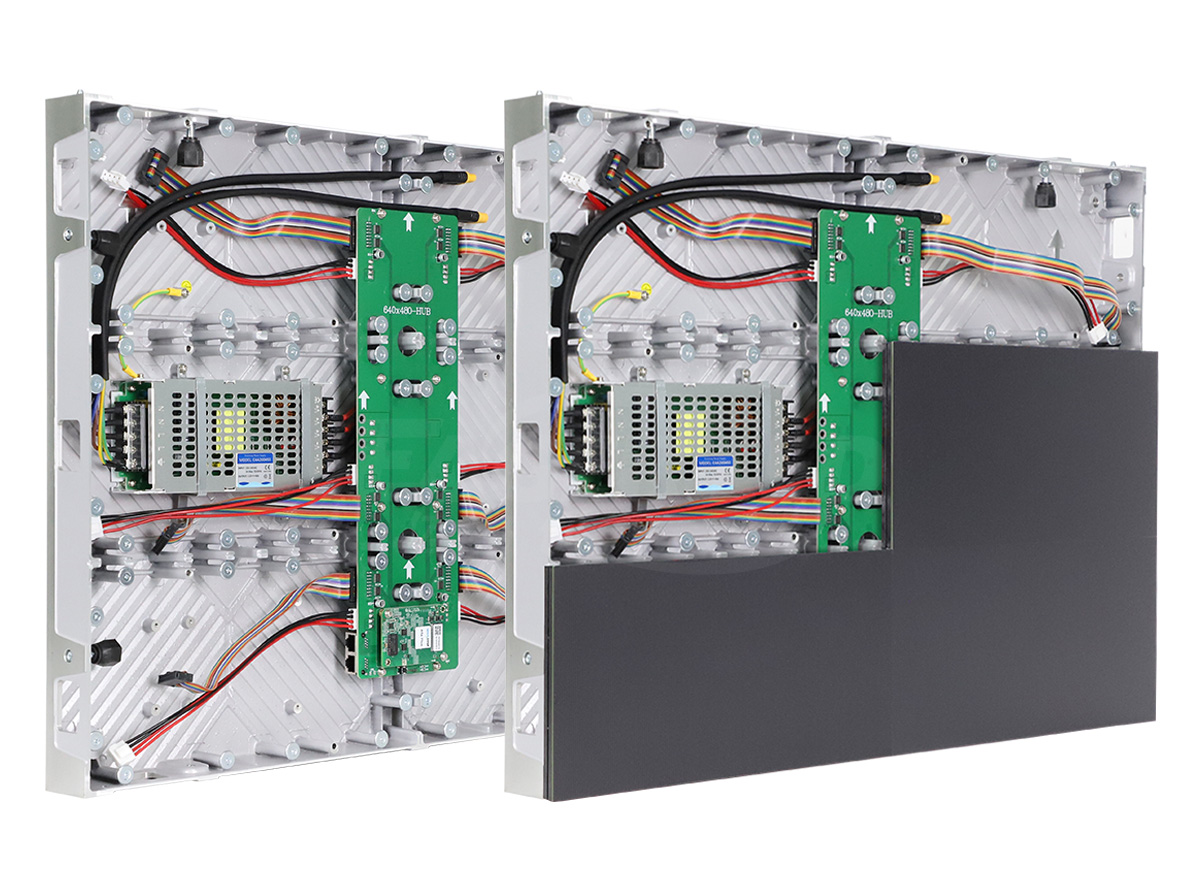
Keep the LED screen maintenance record connected to the corrective-work register. For every open finding, assign an owner, next action and review date. If a quotation or specialist decision is needed, identify who requests it. A finding should remain open until the agreed evidence supports closure, even when the preventive visit itself is complete.
Agree immediate escalation criteria with the qualified service team. Suspected electrical damage, burning smells, moisture ingress or repeated protective-device operation require prompt assessment through the approved site procedure. Staff should not continue operating the display just to obtain more photographs or wait for the next routine appointment.
Protect configuration records as operational information. Store approved backups and change notes in the property’s controlled archive, with access assigned through normal company processes. Do not include passwords in public reports. Require the outgoing service provider to hand over the agreed records when responsibility changes.
Define report ownership before awarding the work. The property should retain a usable copy of each LED screen maintenance report even if the contractor uses its own portal. Agree how photographs, component references and action histories can be exported when a provider changes. A dashboard that disappears at contract expiry is a weak substitute for an accessible asset history.
For a newly inherited screen, separate existing defects from the starting service condition. Arrange a baseline survey and list unresolved items before measuring the new provider against routine obligations. This prevents old damage or missing documentation from being silently treated as completed preventive work. It also gives the facilities manager a clear list of initial decisions and costs.
6. Review the First Service Cycle Before Renewal
Review LED screen maintenance against completed tasks and closed findings rather than the number of invoices. Ask whether access delays, missing documents or unavailable spares prevented the planned work. Separate those causes from equipment defects so the next proposal addresses the actual problem.
For example, in a hypothetical lobby installation, a planned visit might reveal that reception furniture blocks the removal route. The useful action is to agree a workable access arrangement and revise the visit preparation. Adding more visits without resolving the obstruction would leave the same task incomplete.
Compare the reports with the original scope. Were exclusions explained before work began? Did the provider distinguish unperformed checks from satisfactory results? Were corrective quotations approved promptly? Use these questions to improve the LED screen maintenance process without inventing reliability percentages or assuming that a short fault-free period proves the schedule is optimal.
At renewal, retain the equipment baseline, current scope, latest inspection findings and outstanding actions together. Ask for changes to be itemized. If the display, operating hours or surrounding fit-out changed, request a fresh assessment of the affected tasks instead of rolling forward an obsolete plan.
LED Screen Maintenance Planning FAQ
Should an annual service price include replacement modules?
Only if the written proposal says so. Ask whether parts are included, capped, excluded or priced after diagnosis, and whether freight and matching work are separate. Compare proposals on the same assumptions; an inclusive headline without defined limits is difficult to assess.
Can a building cleaning company clean the display face?
Do not assume general cleaning experience covers the installed LED surface. Obtain the manufacturer’s approved method and confirm training, materials and task boundaries. If those conditions are not established, keep that task outside the cleaning company’s scope and assign it to suitable personnel.
What if the original installer no longer supports the screen?
Collect the purchase reference, equipment labels, available manuals, configuration archive and service history. Ask a prospective provider to identify what it can verify and which support gaps remain. Avoid accepting broad responsibility claims before the installed hardware and documentation have been assessed.
Should software updates be included in every preventive visit?
Require a separate decision based on the installed system, supplier guidance and a justified need. Ask for compatibility review, retained backups, an approved change window and a recovery plan. A routine visit is not by itself a reason to replace a working configuration.
How should tenants report a display problem outside support hours?
Give them the property’s approved reporting route, the asset location and the information to record from a safe position. Define who receives the report and which conditions require urgent escalation. Do not direct untrained occupants to open cabinets or attempt repairs.
When comparing LED screen maintenance proposals, ask what happens if a scheduled visit cannot proceed because access is unavailable. Agree notice, rescheduling and any associated charges in advance. Assign responsibility for notifying occupants and preparing the area so the appointment can cover the technical work that was actually purchased.
Prepare Your Maintenance Brief
Before requesting LED screen maintenance support, assemble the equipment list, installation photos, operating hours, access restrictions and recent service reports. Identify the tasks your team can perform and the specialist support it needs. Ask for preventive scope, corrective-work terms and reporting deliverables as separate items.
Send EagerLED your installed-screen details and maintenance requirements to discuss product documentation, approved spare identification and support scope. Confirm site attendance, local labor, prices and response commitments for the specific project; none are implied by this planning guide.