LED screen rental in Indianapolis should be quoted around the complete touring-show schedule: inbound delivery, approved access, assembly, rehearsal, daily operation, teardown, and onward transport. Give every bidder the same screen requirements and service boundaries. A low equipment rate is not comparable with a staffed installation package unless the missing work is added.
This guide is for an event production company comparing proposals for an Indianapolis stop on a touring exhibition. It provides a scope and handover method rather than a local supplier ranking or an unverified rental price. Venue instructions must come from the actual event organizer, service contractor, and facility for the booked dates.
For LED screen rental in Indianapolis, treat the stop as part of a route. Equipment may arrive from a previous event, and the next destination may depend on a prompt departure. The useful question is whether the proposed package can be delivered, operated, and released within that sequence, with enough time to inspect faults and complete an orderly handover.
1. Build the brief for LED screen rental in Indianapolis
Start with the event name, exact venue and room or hall, show dates, public hours, and the responsible production contact. Add a dated floor plan with screen location, audience positions, nearby exhibits, and access routes. Use a revision number so a supplier cannot unknowingly price an old layout after the design changes.
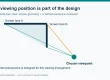
Describe the audience task before choosing pixel pitch. A product demonstration with small interface text needs different image treatment from a large brand animation. Provide sample content, the nearest and farthest viewing positions, expected lighting, and any camera requirements. Ask for a demonstration with that material instead of accepting a generic promotional reel.
Separate active image dimensions from the space available for the entire installation. Frames, support, ballast where applicable, access, cables, and processing equipment need room too. Ask the supplier to show the complete footprint on the plan. A display that fits the graphic opening can still conflict with circulation or the approved booth boundary.
Set decision dates for content, layout, equipment confirmation, and final access instructions. Record which inputs remain provisional and who will resolve them. A supplier may reasonably qualify a proposal while those items are unknown, but the qualifications should become a tracked action list rather than disappear inside a general disclaimer.

01. Describe the route on either side of the stop
Tell the bidder whether the screen is supplied locally for this event, travels with the exhibition, or is transferred between rental partners. Record the prior collection point and next required delivery separately. These arrangements affect equipment availability, packing, condition checks, and the person responsible when the onward schedule changes.
For LED screen rental in Indianapolis, ask bidders to identify substitutions before confirming the booking. “Equivalent panels” may change physical size, native resolution, calibration, spare parts, or content mapping. Require review of a proposed substitute against the accepted layout and source files, not merely against a similar advertised pixel pitch.
2. Confirm the venue and freight interfaces
Do not use the public entrance address as a delivery instruction. Obtain the event’s current shipping manual, delivery window, consignee details, dock assignment, and contact procedure. Confirm whether freight goes to an advance warehouse or directly to the venue, and who handles the movement from the receiving point to the installation area.
For an event at the Indiana Convention Center or Lucas Oil Stadium, the facility’s published freight guidance directs show move-in deliveries through the show’s decorator or general service contractor at the appropriate dock. It also warns against arrival before the decorator or show is on site. Confirm the current event-specific instructions before dispatch; those details cannot be generalized to every Indianapolis venue.
The venue’s utility ordering information separately calls for a layout when custom electrical placement is needed. That is why the screen location, service position, and cable route should be settled together. Ask the event coordinator which current forms, deadlines, and authorized providers apply to your booked space.
For LED screen rental in Indianapolis, allocate freight, material handling, electrical work, structural review, rigging if required, and screen assembly to named parties. The rental supplier may coordinate some items without providing them. Confirm the actual responsibility with the organizer rather than assuming a supplier’s equipment package includes all facility services.
| Milestone | Information required | Owner to identify | Dependency to record |
|---|---|---|---|
| Inbound release | Equipment ready time, packing list, condition record | Previous stop or rental warehouse | Inspection and missing-part resolution |
| Venue receipt | Approved window, consignee, dock and handling instructions | Event service contractor | Permission to receive freight and available handling |
| Screen assembly | Clear footprint, support approval, power and crew | Production manager and installation lead | Other booth construction completed sufficiently |
| Rehearsal | Final media, live sources, operator and lighting | Show caller or technical lead | Mapped wall and working signal path |
| Outbound release | Strike permission, empty cases, carrier and destination | Production manager and freight coordinator | Show close, safe disassembly and signed inventory |
Use an explicit time zone and calendar date on every milestone. Keep access permission, labor call, equipment-ready time, rehearsal-ready time, and public opening as distinct entries. A truck arriving at the correct hour does not mean that the screen is assembled or that the rehearsal can start immediately.
Include a response plan for a missed window. Identify the person who can contact the service contractor, authorize additional work within the client’s process, and revise the rehearsal plan. Do not assume the venue can hold a dock or keep a crew available indefinitely because the equipment is already in transit.
3. Specify the screen as a complete rental package
The equipment schedule should list cabinet model and quantity, actual pixel pitch, active dimensions, native canvas, support arrangement, processing, source playback, cabling, distribution, spares, and transport cases. Ask for configuration details that the production team can use. A single line reading “LED wall” leaves too many assumptions unresolved.
For LED screen rental in Indianapolis, compare the complete source-to-screen path. Confirm who supplies laptops or media servers, adapters, switching, and a backup playback method. If a live demonstration must alternate with prepared video, test that transition. Successful playback of one file does not establish that every presentation input works.

Match the content canvas to the agreed cabinet arrangement. A standard widescreen file may need letterboxing or an approved composition on an unusual wall. Provide edge markers, a numbered grid, and the smallest important text for setup. Record the final output format so a later content export does not silently introduce cropping or distorted proportions.
The EA500H9 rental cabinet is one example of a modular product with handling and service features. Its inclusion here illustrates equipment questions; it does not establish local availability, a rental rate, or an installed Indianapolis project. Require the actual rental provider to confirm its inventory and delivered configuration.
Ask how the supplier maintains consistent image appearance across the proposed fleet. Identify mixed batches, replacement modules, and approved spare cabinets. Specify how a spare will be configured and checked before the show. A spare stored in a case is useful only if the crew can install it correctly within the agreed service procedure.

01. Require a reviewable support and power plan
A suspended or ground-supported wall needs the appropriate design and approvals for the exact configuration. Have qualified personnel review structure, attachment, loading, electrical supply, and access. Do not transfer an approval from a previous stop merely because the same cabinets are traveling with the show; the venue and support arrangement may have changed.
Document where power and data enter the installation and how cables avoid visitor routes. Confirm ventilation and technician access after booth walls and furniture are installed. The screen’s operating brightness and anticipated content should be considered during rehearsal, while circuit design follows the selected equipment’s documented requirements.
4. Normalize quotations before comparing totals
Put each proposal against one common scope sheet. Mark every line as included, excluded, provisional, or supplied by another party. Ask the bidder to price unresolved items or identify the calculation method. This approach makes two offers for LED screen rental in Indianapolis comparable without inventing a universal local daily rate.
| Cost line | Scope to match | Common difference | Clarification to request |
|---|---|---|---|
| Equipment period | Collection or delivery through agreed return or release | Show days only versus full equipment occupancy | Chargeable start and end, extension basis |
| Transport | Inbound and outbound route with cases | One direction included, waiting excluded | Stops, waiting, redelivery and onward freight |
| Installation | Approved support, assembly, cabling and mapping | Labor quantity or venue services omitted | Named tasks, crew assumptions and interfaces |
| Show support | Daily hours, rehearsal and response arrangement | Remote support presented as on-site coverage | Operator location, coverage and escalation |
| Content and sources | Agreed canvas, playback, switching and backups | Hardware included but media preparation excluded | File preparation, revisions and final test |
| Teardown | Disassembly, packing, inventory and release | Early strike assumed or case return omitted | Start conditions, staffing and transport readiness |
Keep currency, taxes, duties where relevant, insurance requirements, and payment milestones explicit. A deposit secures a defined booking only under the supplier’s stated terms. Review cancellation, postponement, equipment substitution, damage, and late return provisions with the responsible commercial team before confirming the order.
Ask for change prices or a written method for calculating them. Likely changes include an additional show day, a later teardown, revised screen dimensions, added inputs, extra operator hours, and a different delivery route. Record who may authorize each change and how approval is documented. Uncontrolled verbal requests make the final cost difficult to reconcile.
For LED screen rental in Indianapolis, separate contingency planning from an assumed fixed percentage. Identify the particular uncertainties and obtain realistic options from the relevant providers. A reserved spare playback device and an agreed recovery window solve different problems; adding an arbitrary budget allowance does not by itself create either resource.
Compare the offer against the entire tour, too. Keeping one fleet may simplify content mapping, but a local package may reduce transport complexity for a particular stop. Evaluate the actual route, technical consistency, inspection time, and support arrangements. Neither approach is automatically cheaper or more reliable without those inputs.
5. Define daily operation and technical support
Write a daily readiness procedure that begins before public opening. Check visible image quality, approved content version, source switching, brightness, audio routing if used, and any backup path. The operator should know which defects require escalation and which approved fallback picture to display while the issue is investigated.
A useful LED screen rental in Indianapolis package names the person covering rehearsal, opening, operating hours, and close. Clarify breaks, shift changes, out-of-hours calls, and the distinction between an operator and a repair technician. “Support included” is incomplete unless the location and coverage are defined.

Keep a concise change log throughout the stop. Record replacement parts, configuration changes, content revisions, and incidents with their resolution. If a fault recurs, the next technician needs to know what changed rather than repeat every earlier experiment. Avoid changing several settings at once without a recoverable baseline.
Rehearse the client-facing sequence under realistic conditions. Run the main presentation, live demonstration, sponsor content, holding screen, and planned transitions. Check camera footage when the wall appears in recordings. Agree the content freeze time and the process for urgent corrections so a last-minute file does not bypass all testing.
Use the LED screen maintenance planning guide to organize fault evidence and service records. On a rental stop, the important addition is accountability: who records the issue, who can replace a part, and who signs the equipment back into working condition before visitors return.
6. Plan teardown and the next destination
Plan teardown when booking the screen, not at the end of the show. Confirm when public access ends, when work may begin, when empty cases return, and when the carrier can receive the packed shipment. Distinguish the venue’s release conditions from the production team’s preferred departure time.
For LED screen rental in Indianapolis on a touring route, prepare the outbound packing list before arrival. Label cases by contents and destination, and identify equipment that returns to the rental warehouse instead of traveling onward. Separate client-owned sources and adapters so they are not accidentally packed into the provider’s cases.

Inspect and count the equipment during packing. Record visible damage, missing cables, failed modules, and any items quarantined for repair. Use photographs where appropriate and obtain a shared condition record. A rushed handoff can transfer an unresolved problem to the next city, where there may be less time and fewer compatible spares.
Keep the approved configuration and content package available independently of one laptop. Record any changes needed for the next screen shape or source arrangement. If the next stop uses a different rental fleet, send its provider the required canvas and acceptance assets early rather than assuming yesterday’s settings can be copied unchanged.
Close the stop with a short reconciliation: actual equipment period, authorized changes, labor and transport adjustments, damage record, and remaining actions. The rental LED display equipment overview can help the production team describe future hardware requirements consistently. Keep service performance evidence alongside the equipment specification when selecting the next supplier.
Frequently asked questions
Should a touring show keep the same pixel pitch at every stop?
Consistency can simplify content preparation, but the actual viewing conditions still matter. If the audience distance or screen size changes, test the proposed setup again. Keep a common content master and adapt approved output versions rather than assuming one file fits every wall.
Can a backup screen be smaller than the main screen?
It can be an agreed fallback if the essential presentation remains usable. Define which content must continue and demonstrate the reduced arrangement before the event. A smaller standby display is not equivalent to full wall redundancy unless that difference is accepted.
What if the exhibition does not have final content at booking?
Provide representative assets and a clear description of the final sources. Agree a content delivery date, format, revision allowance, and rehearsal time. Keep any technical assumptions visible in the order so late content does not create an unpriced change in equipment or labor.
Who should receive configuration backups after the stop?
Agree ownership and access before commissioning. The rental provider may retain equipment-specific configuration, while the production company needs the content canvas, source settings, and accepted operating record. Share only what each party is authorized to use and needs for the next handoff.
Does a manufacturer inquiry reserve local rental inventory?
No. A hardware discussion does not confirm an event rental booking, local stock, crew, or delivery slot. Obtain those commitments from the actual rental provider in a written order. Use manufacturer information to verify equipment suitability and product configuration.
Issue a comparable rental request
For LED screen rental in Indianapolis, send bidders one current package containing the venue instructions, route dates, screen plan, content samples, service hours, support needs, and outbound requirements. Require the same inclusion and exclusion format from each bidder. Resolve responsibilities and acceptance tests before approving the booking.
If your production company is also evaluating cabinets for its own touring fleet, send EagerLED the technical equipment brief. Keep that hardware discussion separate from local event-service commitments. The final LED screen rental in Indianapolis decision should rest on a confirmed delivery plan, a tested display package, and a clear handover to the next stop.