An LED video wall installation cost estimate should separate the work needed to deliver a functioning wall from the price of the display equipment. For an occupied office building, compare surveys, access, protective measures, mounting, electrical and data interfaces, commissioning, training, and closeout on the same schedule before comparing contractor totals.
This guide is for AV contractors reviewing installation proposals for a fixed indoor wall. It explains how to build a comparable scope, expose assumptions, and assess changes when the site differs from the tender information. It does not provide a universal labor rate: actual prices depend on the location, working hours, building conditions, and contracted responsibilities.
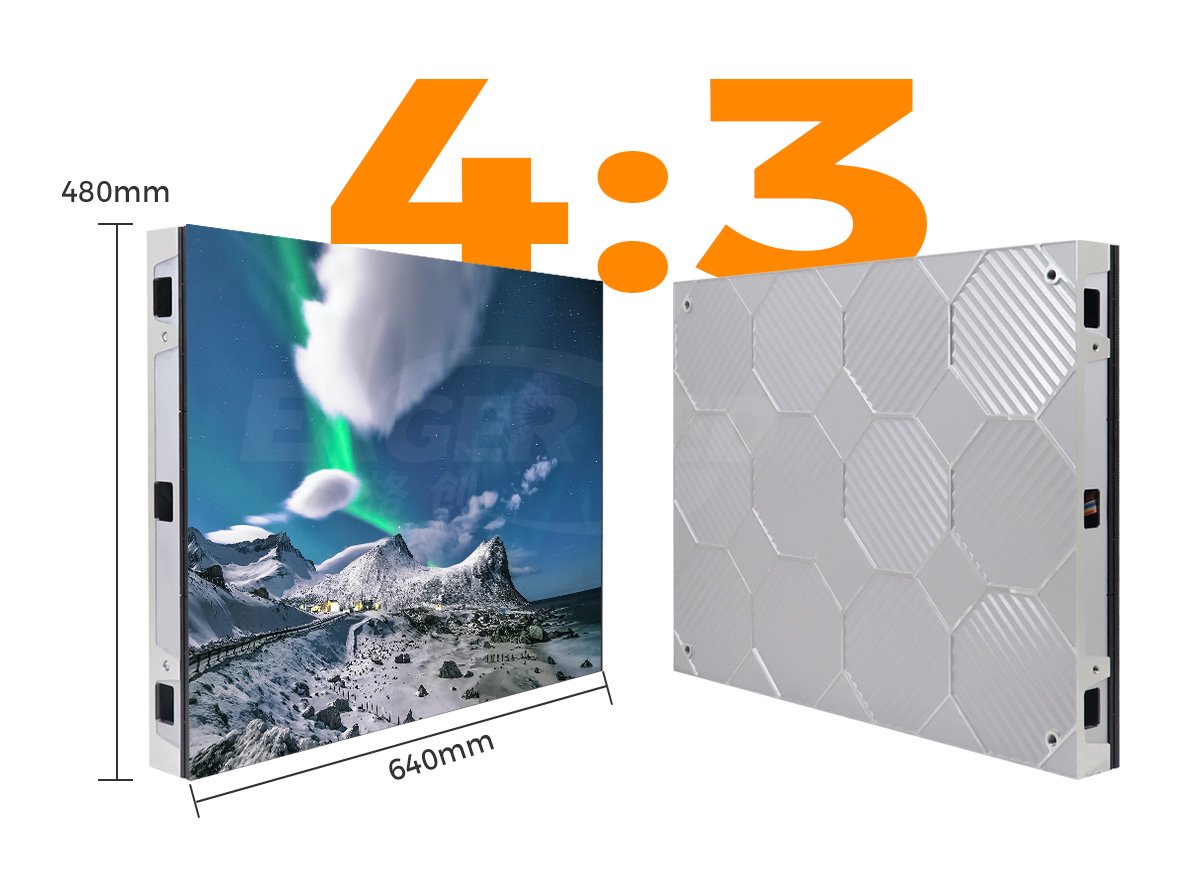
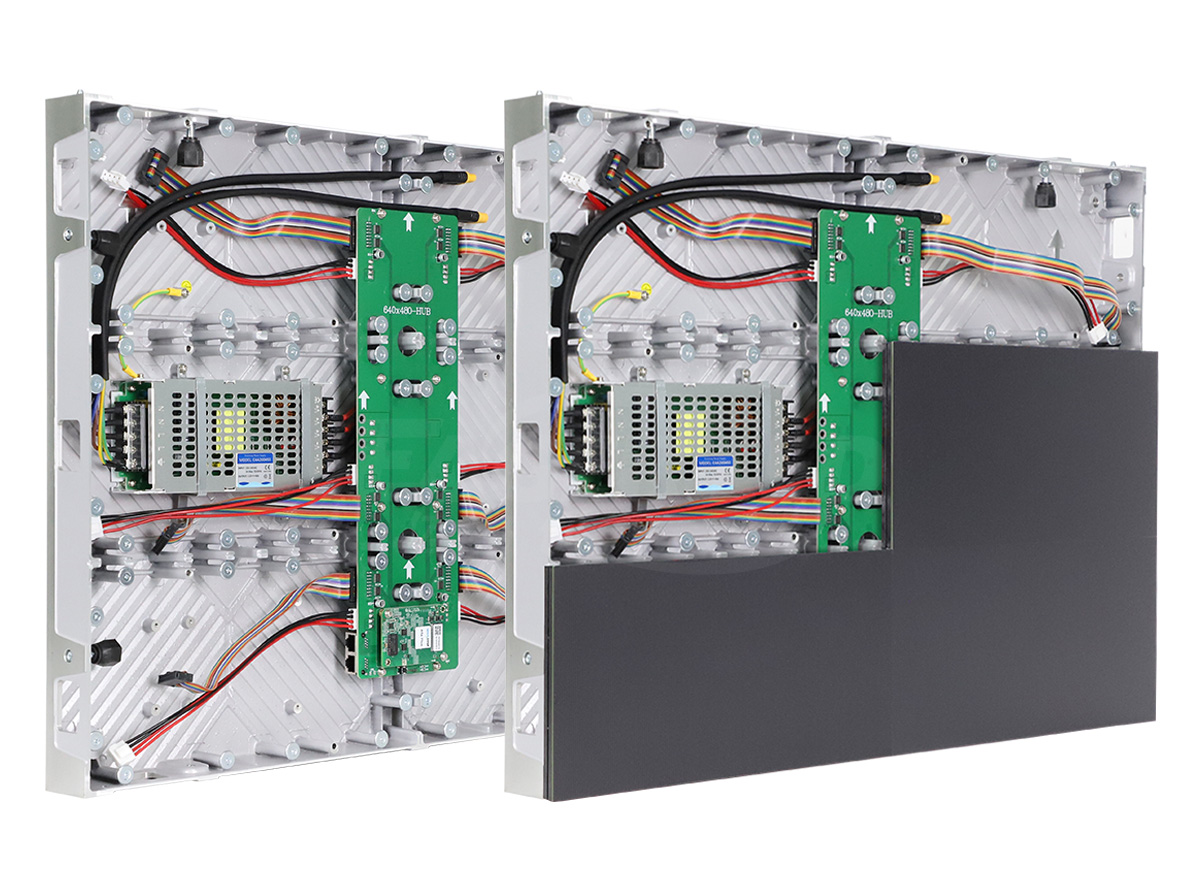
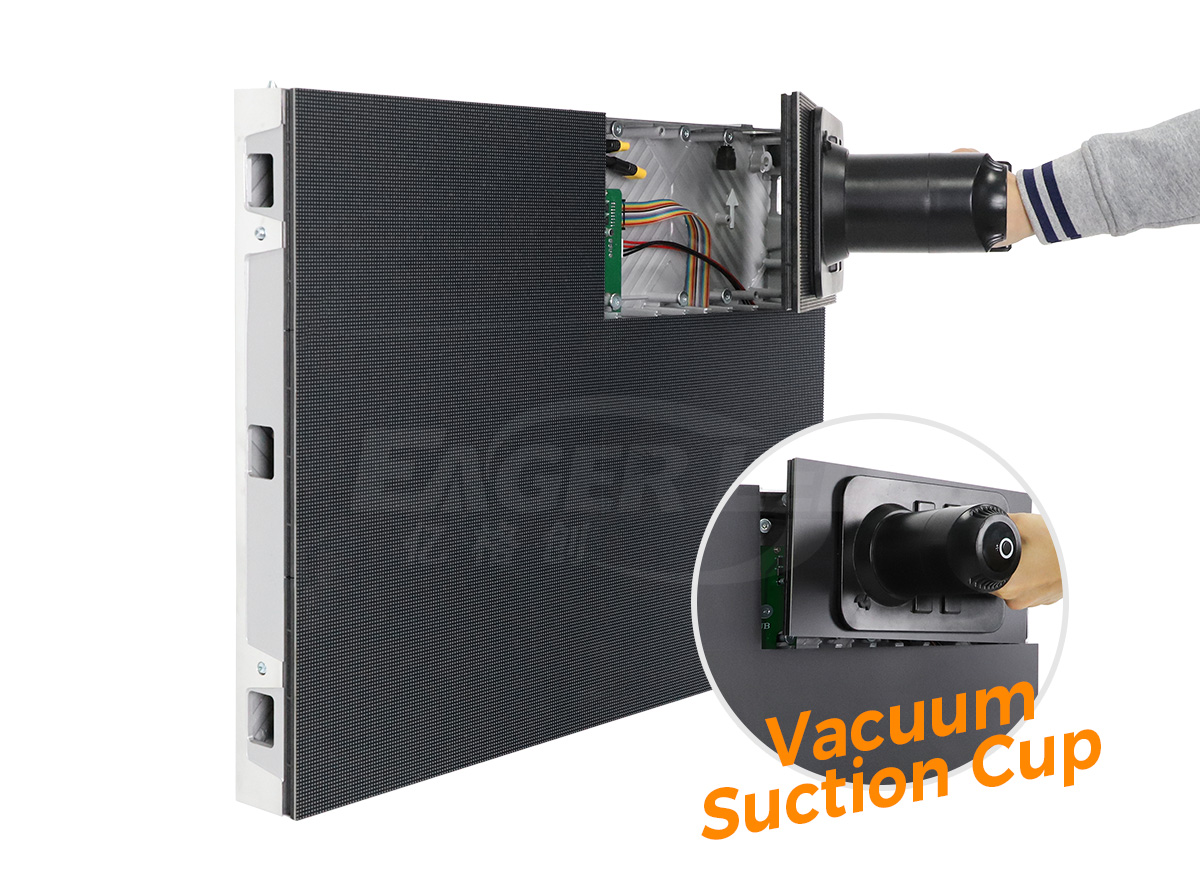
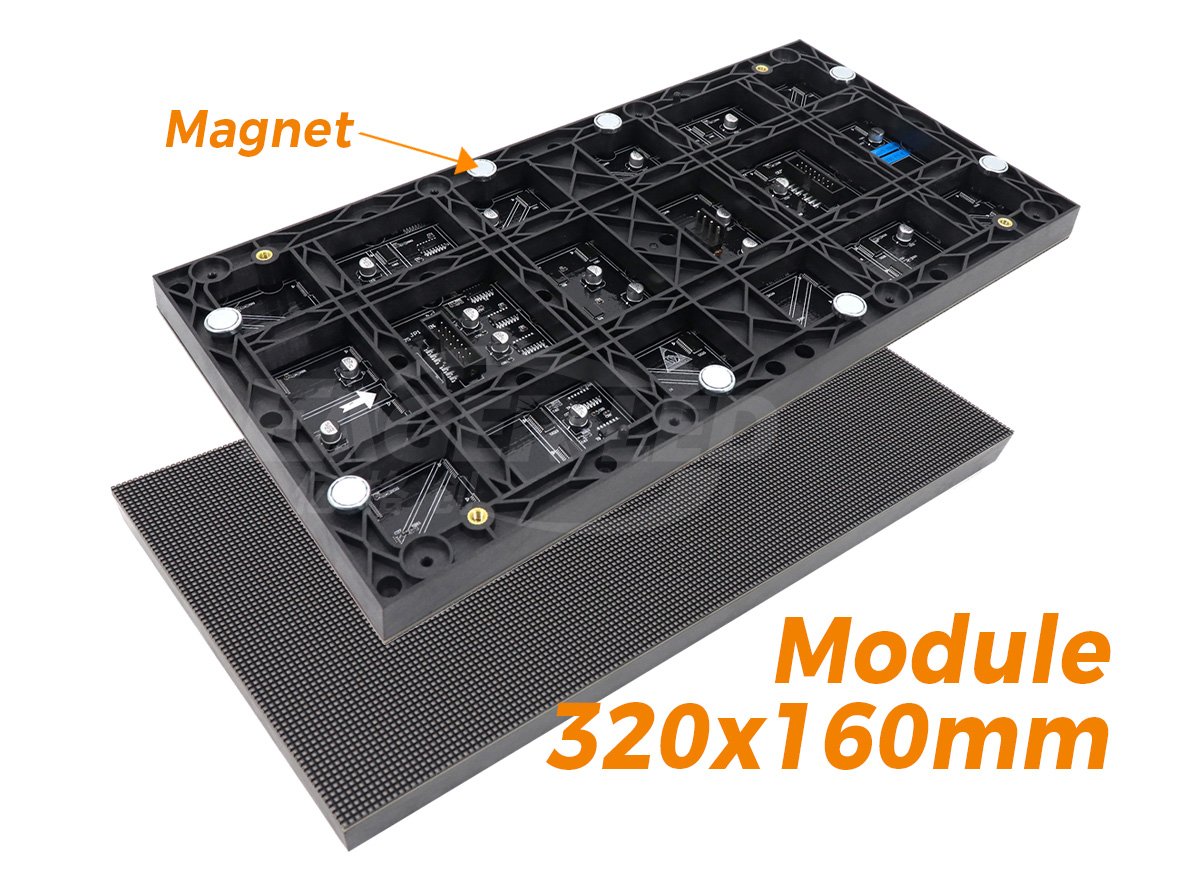
The EA640F2 photographs are product references for cabinet geometry and service access. They do not show a priced office installation or establish that a particular wall can support the equipment. Project drawings and the responsible local professionals must resolve those conditions before work begins.
1. Define the LED Video Wall Installation Cost Boundary
Begin with a written start point and finish point. Does the installer receive tested cabinets at the loading dock, unpack delivered cases, or collect equipment from an off-site store? Does completion mean a mechanically assembled screen, a working image, or an accepted system with trained operators and documented recovery files? Those are different scopes.
Keep purchased cabinets, processors, spare modules, and other permanent equipment in an equipment schedule. List installation services separately, even when one supplier offers both. This lets the buyer see whether a low installation figure relies on hardware charges elsewhere or excludes work that another contractor has included.
A useful LED video wall installation cost breakdown follows the physical job: mobilization, protection, receiving and handling, mounting preparation, assembly, connections, configuration, testing, and handover. Add the building work needed around those steps. Do not assume a phrase such as “complete installation” assigns every task unambiguously.
For an occupied reception area, include the handback condition at the end of each shift. The building may need a clear public route, covered equipment, a cleaned work zone, and secured tools before staff arrive. Restoring that condition repeatedly consumes time even when the installed screen area does not change.
Distinguish installation from ongoing service. The first acceptance visit, planned training, and correction of documented installation defects belong in the agreed delivery scope. Later content production, scheduled maintenance, additional operator sessions, and unrelated system changes need their own terms. Identify any initial support period and its actual coverage.
2. Turn Site Survey Findings into Priced Work
Review the proposed wall location with the building representative and the relevant trades. Measure the available width, height, recess depth, and finished floor relationship. Record existing surfaces and nearby fixtures. The installer needs to distinguish a suitable prepared mounting surface from a decorative finish hiding an unknown structure.
For LED video wall installation cost planning, survey the entire route from vehicle arrival to the wall. Check loading arrangements, booking requirements, doors, corners, elevators, floor transitions, and secure storage. Use the packed dimensions and handling method, not just the dimensions of an unpacked cabinet. Identify who confirms any route or floor-loading limits.
Ask the contractor to separate confirmed observations from assumptions. “Elevator available” is incomplete if the allowed hours, reservation process, protective lining, and route to the work area remain unknown. A survey record should identify the evidence, unresolved question, responsible person, and the date needed to avoid a pricing or schedule change.
Coordinate the display outline with the architect’s finished opening. A nominal screen size can conceal cabinet-grid adjustments, trims, ventilation spaces, and removal paths. Obtain the proposed cabinet arrangement before pricing the final surround. Changing the opening after joinery fabrication may affect both the installation labor and another trade’s materials.
The EA640F2 indoor display, for example, uses 640 × 480 mm cabinets and published front-service access. Four cabinets across and three high form a 2.56 × 1.44 m active wall. That illustrative grid helps count assembly tasks; it does not define the mounting frame, finished opening, or building support requirements.
When reviewing LED video wall installation cost, keep concealed conditions visible as unresolved items rather than silently treating them as ordinary installation. Agree which investigations are included before final pricing. If intrusive inspection is needed, obtain the building’s arrangements and responsible specialists rather than asking the screen crew to improvise.
| Survey finding | Potential cost consequence | Evidence needed for pricing |
|---|---|---|
| Restricted loading period | Timed delivery, handling crew and possible storage | Building-approved arrival and unloading plan |
| Unknown wall substrate | Investigation, design review or mounting preparation | Verified construction information and approved support detail |
| Occupied public route | Protection, temporary separation and daily handback | Agreed work-zone and access drawing |
| Limited working height or floor space | Different access equipment or phased assembly | Measured space and proposed access method |
| Remote power or signal endpoint | Additional pathway, cable and trade attendance | Approved route and termination schedule |
| Recessed architectural surround | Coordination, tolerances and service demonstration | Combined display, trim and maintenance drawing |
3. Compare Labor Periods and Access Equipment
Labor should be understandable as a plan, not merely a total number of people. Ask which roles attend each phase and what must be ready before they arrive. A display technician waiting for an unfinished mounting frame still consumes booked time but does not advance commissioning.
01. Distinguish productive hours from attendance
An LED video wall installation cost proposal should state the assumed working periods, minimum attendances, and any rates or conditions for additional time. Clarify whether setup, protection, equipment movement, breaks, and cleaning sit inside or outside the quoted shift. Compare each bidder using the same building access window.
A hypothetical two-evening installation is not automatically equivalent to one uninterrupted daytime shift with the same nominal hours. Each evening may require check-in, moving tools from storage, rebuilding the work zone, and returning the lobby to service. Ask the contractor to show those repeated activities rather than applying an unexplained percentage.
Confirm who provides supervision and coordinates other trades. Separate engineering review, installation labor, processor configuration, and operator training where different skills are needed. A large assembly crew does not replace the person responsible for testing the final signal path or documenting the accepted settings.
02. Define the access rental period
Access equipment can affect LED video wall installation cost through transport, rental duration, setup, approved operation, and collection. Ask whether the quote assumes continuous use or separate visits. A delayed commissioning session may extend a rental period even when it adds little hands-on work.
The contractor should propose equipment suitable for the measured space and required task. The building team must confirm relevant access and loading conditions. Do not select a lift solely from its reach or assume it can travel through every doorway. Obtain a method that accounts for furniture, finished surfaces, and the actual working position.
Price removal and reinstatement of furniture, signage, or temporary barriers explicitly when necessary. Identify who protects surfaces and records their condition before work. Keep the responsibility for any building-specific protection requirements in the same scope used by all bidders.

4. Assign Building Work and System Interfaces
Every boundary needs a deliverable and an owner. Identify who surveys and designs the support, prepares the wall, installs the frame, and confirms it is ready for the display. Record who supplies the mounting components and who verifies the completed arrangement against the approved documents.
For LED video wall installation cost comparisons, distinguish electrical provision from connecting display equipment to a prepared supply. The responsible electrical professional should determine the project requirements from the actual equipment data and local conditions. A marketing average-power figure is insufficient to define the complete electrical work.
List the power and signal endpoints on a drawing. Include the equipment rack, controller, source devices, network outlet where required, and screen entry points. Clarify pathways, containment, terminations, labels, testing, and making good disturbed finishes. “Cabling included” is ambiguous without a route, cable schedule, and defined endpoints.
Coordinate network access with the customer’s IT team before commissioning. Identify required connections and the approved process for access. A technician should not discover during acceptance that the media player cannot reach the authorized content source. Price agreed integration work separately from unresolved changes to the client’s network.
Front service can simplify access planning, but it does not remove every installation task. Confirm how modules, power supplies, and receiving electronics will be reached after the surrounding joinery is complete. Include space for the approved tools and technician. Request a demonstration of the actual arrangement rather than relying on the term alone.
The broader LED video wall planning guide helps define display and control choices. Keep this installation estimate focused on delivering that agreed design. A later change of cabinet system, control location, or maintenance approach should trigger a documented scope review.
5. Normalize the Proposals Before Selecting a Contractor
Use a comparison sheet with one row per work package and a common drawing revision. Record included work, exclusions, allowances, quantities, and assumptions. Ask the bidder to explain any blank cell. A blank is not evidence that the work is included, and two equally priced totals may cover different outcomes.
A normalized LED video wall installation cost includes the work that the project still must buy from others. Add separately quoted building services and required attendance to the comparison, while avoiding double counting. Keep optional improvements separate so the client can see the price of the baseline accepted system.
For uncertain quantities, request an allowance with a stated basis and a method for reconciliation. For example, identify the assumed cable route and length rather than accepting an unspecified cabling allowance. Ask what happens when the measured quantity changes and which evidence will support the final adjustment.
| Work package | Define the comparable baseline | Resolve before award |
|---|---|---|
| Mobilization and handling | Delivery point, storage, route and number of visits | Additional attendance and delayed delivery terms |
| Mounting and finishes | Approved frame, preparation, assembly and trim boundary | Design responsibility and concealed-condition assumptions |
| Power and data | Routes, endpoints, termination and test scope | Separate trade orders and quantity allowances |
| Access equipment | Type, duration, delivery, operation and collection | Rental extensions and site restrictions |
| Commissioning | Source tests, mapping, picture review and recovery records | Client dependencies and retest arrangements |
| Closeout | Training, documents, cleaning and defect review | Attendance limits and completion evidence |
Check the quotation date, currency, validity, and treatment of applicable taxes with the parties responsible for the order. Confirm whether the proposed program remains available. A contractor’s old quotation may have assumed a different access window or supplier delivery date even if the technical drawing is unchanged.
Discuss the lowest LED video wall installation cost proposal in terms of its assumptions. Savings may come from a better planned sequence or fewer duplicate visits; they may also come from omitted testing or protection. Ask for an explanation tied to the scope instead of assuming that either the highest or lowest price is inherently correct.
6. Review Site Changes with a Traceable Record
Agree who may request and authorize a scope change before work starts. The commercial procedure should identify the change, reason, affected drawing, proposed work, schedule effect, and pricing basis. Use the project’s agreed process; a conversation beside the wall should not be the only record of a material change.
When LED video wall installation cost increases, separate the new condition from the original scope. If a newly discovered route requires extra containment, record the location, revised route, measured quantity, and related attendance. If the client moves the screen, identify which completed tasks need removal or repetition.
Review credits as well as additions. Removing a work package may reduce materials or attendance, while already completed design or mobilization may remain relevant. Ask for a net explanation so the revised total can be traced back to the approved baseline. Avoid simply adding a percentage to the entire project.
Keep photographs and daily notes factual: location, date, condition, affected task, and decision requested. Do not include unrelated office documents or personal information in site photographs. A useful record lets the client and contractor understand the issue without reconstructing the whole project from email fragments.
Hold unresolved changes in a separate list with the responsible decision maker and required date. Before restarting affected work, confirm the approved direction and any revised sequence. This protects the schedule by making dependencies explicit rather than leaving several trades to make conflicting assumptions.
7. Include Commissioning, Training and Closeout
The final LED video wall installation cost should include an agreed acceptance session with the complete source-to-screen system available. Test the customer’s representative content, input switching, operating brightness, scheduled startup where applicable, and the approved recovery procedure. Record the conditions and settings used for acceptance.
Define the information delivered to facilities staff: equipment schedule, cabinet map, cable labels, configuration backups, operating instructions, service access method, spare-parts list, and support contacts. Identify which party prepares each record. Documentation assembled only after the crew leaves can be incomplete or expensive to recover.
Training should match the actual operators and their permitted tasks. Include routine startup, source selection, brightness presets, approved shutdown, and reporting a fault. Technical servicing belongs with trained personnel using the manufacturer’s procedure. Confirm whether the price includes a later session for staff unavailable at handover.
At closeout, give each outstanding defect an owner, agreed remedy and review date. Record which functions have passed and which remain unavailable. A signed attendance sheet should not substitute for the agreed acceptance record.
Frequently Asked Questions
Can installation be priced from screen area alone?
Area helps describe quantity but does not resolve access, support, pathways, working hours or testing. Use an area-based figure only with clear assumptions, then replace it with an itemized project scope before committing.
Should a survey fee be separate?
It can be separate or included, but its deliverables should be explicit. Confirm measurements, drawings, investigations, coordination meetings and whether the survey changes or confirms the subsequent installation quotation.
Does a front-service wall eliminate future access charges?
No. It changes the direction of component access. Reaching a high or obstructed screen may still require equipment, room closure, protection and technician attendance. Review the completed room, not just the cabinet photograph.
How should a delayed equipment shipment affect the quote?
Ask the contractor to identify booked labor, access rentals, storage and other affected commitments under the agreed terms. Review a revised sequence and documented costs rather than assuming either no effect or an automatic full remobilization charge.
Is operator training part of LED video wall installation cost?
It is included only when the proposal says so. Define the audience, session scope, materials and any follow-up attendance. A successful image test does not prove that the customer’s staff can operate or recover the system.
Prepare an Installation Pricing Package
Send contractors the agreed cabinet layout, site survey, building access rules, work windows, interface drawing and acceptance plan. Ask them to return a comparable scope table and explain every allowance. That turns LED video wall installation cost into a reviewable delivery plan rather than an unexplained total.
For the equipment portion, ask EagerLED for configuration drawings and a display quotation. Give the local installation team the confirmed equipment data and assign the building work separately. Reconcile both scopes before approving the order and program.