

Outdoor LED display boards and transparent LED screens solve different visibility problems. A solid outdoor LED display board prioritizes image contrast, daylight readability and durable enclosure design. A transparent LED screen preserves a view through a window, stage or façade while showing digital content. The right choice depends on where viewers stand, whether they must see through the display, the ambient light, the weather exposure and how technicians will reach the modules.
This guide compares the two LED display board types using practical specification checks rather than a single headline number. It also explains when an outdoor transparent LED screen is appropriate: transparency and weather protection can coexist, but only when the specific product is rated for that installation. Use the tables to create a shortlist, then validate the proposed configuration against your site drawings and the manufacturer’s current data sheet.
Quick answer: Choose a solid outdoor LED display for a billboard, roadside sign or other application where readable content matters more than the view behind it. Choose a transparent LED screen for a storefront, glass curtain wall or layered stage design where maintaining sightlines is part of the brief. For an exposed event stage that needs both, request an outdoor-rated transparent LED screen and confirm its IP rating, brightness and rigging method.

1. What are the two LED display board types?
01. Solid outdoor LED display boards
A conventional outdoor LED display uses closely arranged LED modules on an opaque cabinet. From the front, the viewer sees a continuous picture rather than the structure behind the screen. This construction suits advertising billboards, transport information boards, stadium screens and public messaging where contrast and legibility are the main goals. The cabinet, power distribution, ventilation, control system and support steelwork form one installed system; a module’s specification alone does not describe the performance of the whole screen.
Outdoor LED display boards are sold in different pixel pitches, cabinet sizes and service arrangements. For example, EagerLED’s EA960R4 outdoor LED display billboard has 960 × 960 mm cabinets, rear access and IP65-rated construction. Its published brightness varies by configuration from 5,000 to 8,000 cd/m². Those are model-specific figures, not universal values for every outdoor LED display.
02. Transparent LED screens
A transparent LED screen spaces its LEDs on narrow bars, mesh or another open structure. People can see through the gaps when the content and surroundings allow it. Transparency is normally stated as a percentage of open area or light transmission; the exact measurement method should be confirmed with the supplier. Transparent LED screens are useful on retail glass, atriums, exhibition features and stages where a solid wall would block merchandise, daylight or performers.
Transparency comes with trade-offs. More open area usually means fewer pixels over the same area, and bright scenery behind the display can reduce perceived contrast. A transparent LED screen may look dramatic against a dark background yet harder to read against sunlit glass. Test content at the actual viewing distance and from both day and night sightlines. A storefront installation may be protected behind glass, while a transparent LED screen on an exposed façade requires its own outdoor rating.
03. How to integrate a transparent LED screen with glass
Decide first whether the screen will sit behind the window or outside the façade. A behind-glass installation can keep the electronics sheltered, but the design must account for reflections, ventilation, cable routes and the space needed to replace a failed module. An exposed installation needs an outdoor-rated screen and weather-protected connections; the glass wall alone does not protect the display. In either case, ask the installer for a drawing that shows the screen-to-glass gap, fixing points, power access and the technician’s service route. Test the proposed content from inside and outside at the times of day when the window gets the strongest light.

2. Outdoor LED display vs transparent LED screen: key differences
The table compares design priorities, not every product on the market. Outdoor transparent models occupy the overlap between the two columns, so check the exact SKU before making a final decision.
| Decision factor | Solid outdoor LED display board | Transparent LED screen | What to verify |
|---|---|---|---|
| View through screen | Opaque image surface | Open structure retains some sightline | Required transparency and background conditions |
| Best-known use | Billboards, stadiums, public information | Storefront glass, façades, stages | Content purpose and viewer position |
| Daylight image | High brightness and solid background can support contrast | Brightness must overcome the scene visible behind pixels | Measured brightness, orientation and daytime demo |
| Weather exposure | Outdoor models are designed for exposed locations | Indoor, semi-outdoor and outdoor models differ | IP rating of the assembled installation |
| Pixel layout | Dense, uniform module face | Spacing and open area vary with pitch | Horizontal and vertical pitch, native resolution |
| Structure | Cabinets and support frame carry a solid surface | Lighter open panels may reduce visual blockage | Certified loads, wind design and fixing details |
| Service | Front or rear access depends on model | Access may be constrained by glass or rigging | Repair route for a failed module or power supply |
Do not compare LED display board prices using cabinet price alone. A transparent LED screen may need special framing, glass coordination and a content treatment designed for its open surface. A solid outdoor LED display may need more steelwork or ventilation. The installed cost is the useful comparison.
3. Brightness, transparency and image contrast
01. Specify brightness for the site, not for the category
Brightness is measured in candelas per square metre, also called nits. A higher figure can help an outdoor LED display compete with sunlight, but maximum brightness is not a promise of readable content in every condition. Screen orientation, shade, viewing angle, content colours, ambient light and the background all matter. Automatic dimming can reduce energy use and keep an outdoor LED display comfortable to view after dark. Ask the supplier whether the quoted value is peak or calibrated operating brightness and request a daylight mock-up when the installation is critical.
As a concrete benchmark, the EA960R4 outdoor LED display billboard lists 5,000–8,000 cd/m² across its configurations. EagerLED’s transparent LED screen guide describes typical outdoor transparent requirements of about 5,000–7,000 nits and lower values for indoor use. These ranges are procurement starting points; the specified model and site conditions decide the result.
02. Understand the transparency trade-off
A transparent LED screen does not make its lit pixels transparent. The viewer sees through the spaces between them. Increasing spacing can improve the view and daylight penetration but can reduce effective resolution. The published EA1000TOR1 outdoor transparent LED screen illustrates the point: EagerLED states 60% transparency for P3.91–7.82, 70% for P10.4 and 80% for P15.6. Treat those as specifications for those configurations only. For a retail window, compare a sample from the pavement, across the street and inside the shop before choosing the pitch.
Content design matters as much as hardware. Large text, strong colour contrast and simple motion usually survive a transparent LED screen’s open grid better than small text or detailed photography. On a bright window, a darker interior background can improve legibility. For an outdoor LED display board, avoid placing essential text at the edge where a viewer at a steep angle may miss it.

4. Pixel pitch and viewing distance: how to choose
Pixel pitch is the centre-to-centre distance between neighbouring pixels, in millimetres. A smaller pitch places more pixels in a given width and can support finer detail, but it normally increases hardware cost. Transparent LED screens may specify separate horizontal and vertical pitches, such as P3.91–7.82; do not mistake the first number for a square pixel grid. Always calculate the final native pixel count from the active width and height.
A common rule of thumb equates one millimetre of pitch with roughly one metre of minimum comfortable viewing distance. It is only a first pass. Text size, eyesight, viewing angle, content type and tolerance for visible pixels change the result. For a 4 m wide P4 display, the approximate horizontal resolution is 4,000 ÷ 4 = 1,000 pixels. For the same width at P10, it is about 400 pixels. A transparent LED screen with different horizontal and vertical pitches needs both calculations.
| Viewing situation | Initial pitch discussion | Content test | Common mistake |
|---|---|---|---|
| Close storefront or exhibition | Discuss finer pitch and transparency together | Read headline at nearest real viewer point | Choosing pitch from transparency alone |
| Street-facing façade | Balance distance, open area and daylight contrast | Test from both sidewalks and traffic direction | Ignoring the scene behind the screen |
| Roadside outdoor LED display | Use distance and legal sign size to set text scale | Check message in actual dwell time | Paying for detail the audience cannot see |
| Stage backdrop | Check camera distance as well as audience distance | Record at show frame rates and shutter settings | Ignoring moiré or camera refresh interaction |
Ask for the pixel matrix, not only the pitch. A design file made for a 1920 × 1080 canvas may be rescaled heavily on a narrow transparent LED screen or a long outdoor LED display board. Prepare a sample of the actual campaign, including its smallest text and motion, before signing off.
5. Weather rating, structure and maintenance
01. Read the IP rating correctly
An IP rating describes resistance to solid particles and water under defined test conditions. IP65 means dust-tight protection and resistance to water jets; it does not mean the system can be submerged, nor does it replace proper cable glands, drainage and electrical design. A sheltered transparent LED screen behind glass may have a different rating from a transparent LED screen installed outside. EagerLED lists IP65 for both the EA960R4 solid outdoor LED display board and the EA1000TOR1 outdoor transparent LED screen. Confirm that the specified rating applies to the supplied cabinet and the finished installation, including connectors.
02. Design for loads and safe access
Wind load is a project engineering question, especially for tall signs and glass façades. An open transparent LED screen can reduce wind pressure compared with a solid surface, but the support structure, local code and installation height still govern the design. Get a structural engineer to approve anchors, frame and suspension points. On rental stages, confirm the rigging plan and allowed cabinet stacking or hanging method with the manufacturer and venue.
Maintenance access often decides which LED display board is workable. A rear-service outdoor LED display needs clearance behind the wall. A flush storefront or façade may need front-service modules or access from an indoor service corridor. Document how a technician will replace a module, receiving card and power supply without removing surrounding glass. Also ask about spare modules from the same production batch, calibration data and the expected lead time for replacements.
03. Plan power and thermal management
Request average and maximum power draw per square metre for the proposed configuration, not a generic number for all outdoor LED displays. Size the electrical feed for the manufacturer’s maximum load and estimate running cost with the site’s actual brightness schedule. A simple annual estimate is average kW × operating hours × local electricity tariff; it is not a warranty of consumption. Consider heat and ventilation around a solid cabinet, and check whether a transparent LED screen’s mounting traps heat against glazing. Brightness sensors, time schedules and remote monitoring can help control operating cost.
6. Which LED display board fits each application?
Start with the physical requirement: is an uninterrupted view through the installation essential? If yes, shortlist transparent LED screen options. If no, a solid outdoor LED display board will usually offer a simpler route to a high-contrast image. Then compare the actual products using the same content and site conditions.
| Application | Usually better starting point | Reason | Critical check |
|---|---|---|---|
| Roadside billboard | Solid outdoor LED display | Image contrast and readability dominate | Viewing time, brightness control, permits |
| Retail shop window | Transparent LED screen | Products and daylight can remain visible | Glass access, reflections, viewing angle |
| Glass curtain wall | Transparent LED screen | Preserves more of the building’s appearance | Structural approval, wind, façade access |
| Stadium information board | Solid outdoor LED display | Score, replay and text need strong contrast | Distance, camera performance, maintenance |
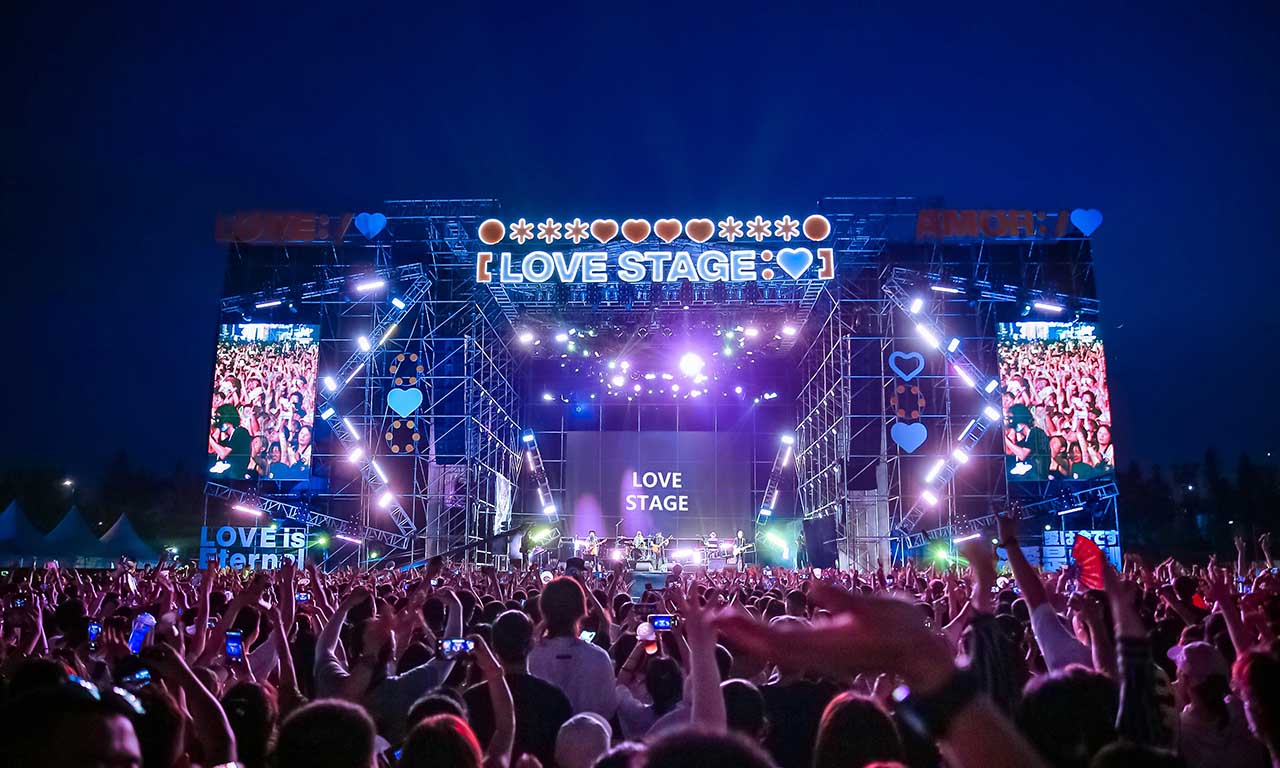
| Outdoor stage with visible performers | Outdoor-rated transparent LED screen | Creates layers without a solid backdrop | IP rating, rigging and camera test |
| Transport information | Solid outdoor LED display in exposed positions | Public messages must remain legible | Accessibility, uptime and service access |
For a permanent advertising site, compare EagerLED’s EA960R4 billboard with other fixed outdoor models. For a transparent event design, examine the EA1000TOR1 outdoor rental model. The product pages provide current configuration details; verify the offered variant on the quotation.
7. Budgeting and supplier questions
The screen is only one line in an LED display board budget. Ask for a bill of materials covering cabinets, modules, processor, sender and receiver cards, power supplies, control software, mounting steel, cabling, shipping, installation, commissioning, spare parts and warranty service. Compare quotes on the same active display area, pixel matrix, brightness and IP rating. Transparent LED screen price per square metre varies with pitch, transparency, brightness, cabinet design and weather protection, so an isolated price without specifications is not a useful benchmark.
Calculate a five-year ownership estimate when comparing a solid outdoor LED display with a transparent LED screen. Include expected operating hours, energy tariff, service access costs, spare modules, routine cleaning and likely content production. If a transparent LED screen needs glass removal for repairs, that labour can outweigh a small saving on the original hardware. Conversely, preserving daylight and a valuable view through a retail window may justify its higher project complexity.
Before ordering, send suppliers the installation drawings, target active area, closest and typical viewing distances, daylight photos, weather exposure, operating hours and sample content. Request a written response to these questions:
- What are the exact horizontal and vertical pitch, native resolution and calibrated brightness?
- How is transparency measured, and what percentage applies to this specific configuration?
- What is the IP rating of the supplied cabinet, including exposed connections?
- Can modules and power supplies be serviced from the available side?
- What are the average and peak electrical loads, warranty terms and spare-part lead times?
- What structural and electrical work is excluded from the quote?
These answers make an outdoor LED display or transparent LED screen quotation comparable and reduce change orders after the frame is built. EagerLED’s commercial LED display buying guide covers additional procurement factors.


8. Frequently asked questions
01. Is a transparent LED screen suitable for outdoor use?
Some transparent LED screens are designed for exposed outdoor use, while others belong indoors or behind protected glass. Check the specific model’s IP rating, brightness, temperature limits, cabling and mounting instructions. The EA1000TOR1 is an example of an IP65 outdoor transparent LED screen; that rating should not be assumed for every transparent product.
02. Which is brighter: an outdoor LED display board or a transparent LED screen?
There is no universal winner. A solid outdoor LED display often makes daylight contrast easier because it blocks the background. An outdoor-rated transparent LED screen can also have high specified brightness, yet the scenery visible through it affects perceived image contrast. Compare the exact configurations at the intended site and viewing angle.
03. Does higher transparency always make a better storefront display?
No. Higher transparency keeps more of the view and light, but it may reduce pixel density or contrast. Choose the transparent LED screen using the actual content, glass condition and viewer distance. A close-view storefront may benefit from a finer pitch even if the transparency percentage is lower.
04. How should I compare transparent LED screen prices?
Ask for the same active area, pitch, transparency, brightness, IP rating, cabinet material, controls, installation scope and warranty in each quote. Include glass or steelwork, power, commissioning and future service access. A low panel-only price does not describe the installed cost.
05. What is the best pixel pitch for an outdoor LED display?
It depends on the closest meaningful viewing distance, content detail and final screen size. Smaller pitch gives more pixels, but an audience far from a billboard may not benefit from the added resolution. Calculate the native pixel matrix, then test real artwork from representative viewpoints.
9. Conclusion: choose by the installation brief
For a bright, exposed sign where the message must dominate, start with a solid outdoor LED display board. For a window, façade or stage where the background must remain visible, start with a transparent LED screen. If both transparency and outdoor durability are essential, use a model explicitly engineered for that combination. Compare pixel pitch, brightness, IP rating, structural design, service access and total installed cost on the same project assumptions. A site-specific mock-up and a complete written specification are more reliable than a single headline figure.
For a deeper look at outdoor LED display hardware, see EagerLED’s outdoor LED display technology guide. For a transparent installation, review the transparent LED screen guide and confirm current data for the proposed model before ordering.
Need a project-specific comparison? Send EagerLED your screen dimensions, installation photos, viewing distance and whether the display must preserve a view through glass. The team can compare an outdoor LED display board with an outdoor-rated or sheltered transparent option using the same brief. Contact EagerLED with your project details.