

If you’ve been looking into outdoor LED displays for advertising, events, or public messaging, chances are the P6 outdoor LED screen has already come up a few times. It’s a common choice, and for good reason. The pitch sounds simple enough: decent viewing distance, solid brightness, reliable performance outdoors, and a price point that usually sits in a more practical range than the finer-pitch options.
But once you start comparing models, things get a little less simple. People talk about pixel pitch, cabinet type, brightness levels, waterproof ratings, maintenance access, and a dozen other details that all seem to matter in different ways. That can make the buying process feel more complicated than it should be.
So let’s take this step by step. This guide breaks down what a P6 outdoor LED screen actually is, what features matter most, what affects cost, and where it makes the most sense to use one. No fluff. Just the stuff you usually want to know before spending real money.
1.What Is a P6 Outdoor LED Screen?
2.Why P6 Works Well Outdoors
3.P6 Outdoor LED Screen : Key Features to Look For
4.What Affects the P6 LED Video Wall’s Cost?
5.Typical Applications of a P6 Outdoor LED Screen
6.How to Decide If P6 Is the Right Pitch
7.Practical Things People Forget
8.Advantages of Choosing a P6 Outdoor LED Screen
9.A Few Buying Tips Before You Commit
10.FAQs
11.Summary
1. What Is a P6 Outdoor LED Screen?
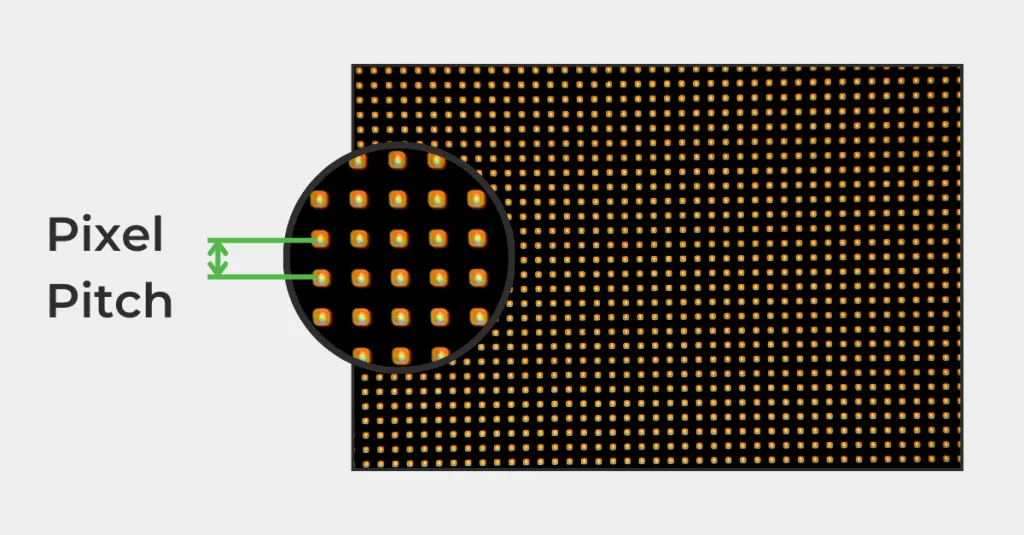
A P6 outdoor LED screen is an LED display with a pixel pitch of 6mm. In plain language, that means the distance between the centers of two neighboring pixels is 6 millimeters. This matters because pixel pitch affects how sharp the image looks at different viewing distances.
A smaller pixel pitch usually gives you a finer image, but it also costs more. A larger pitch is cheaper, though you give up a bit of clarity if viewers stand too close. P6 sits in that middle ground. It’s not the finest option on the market, but for outdoor use it often hits a very practical balance between cost, image quality, and viewing distance.
That’s one reason it shows up so often in billboards, commercial signage, and public-facing installations. It works well when people are viewing from a moderate distance, which is exactly how outdoor screens are typically used.
2. Why P6 Works Well Outdoors
Outdoor LED screens have to deal with conditions that indoor displays never face. Sunlight, rain, dust, wind, temperature swings, all of it. A screen can look great in a showroom and still struggle the moment it’s mounted outside and exposed to real weather.
P6 outdoor LED screens are built with this in mind. They usually come with strong brightness levels so the image remains visible even in daylight. They also use protective enclosures and sealing to help keep moisture and dust out. In most cases, the build quality is just as important as the image itself.
Another reason P6 is popular is that many outdoor applications don’t require ultra-close viewing. If people are passing by on a street, watching from across a plaza, or seeing a sign from a road, P6 is often more than enough. You don’t always need the tightest pixel spacing. Sometimes that just adds cost without much benefit.
3. P6 Outdoor LED Screen : Key Features to Look For
A lot of buyers focus only on pixel pitch, which makes sense at first. But that’s only one part of the picture. If you’re comparing P6 outdoor LED screens, there are a few other things that deserve attention.
3.1 Brightness
Outdoor screens need high brightness to stay visible in daylight. If brightness is too low, the display can look washed out and hard to read, especially during the day. That’s one of the first things people notice after installation, and unfortunately it’s not something you can really ignore later.

3.2 Weather Resistance
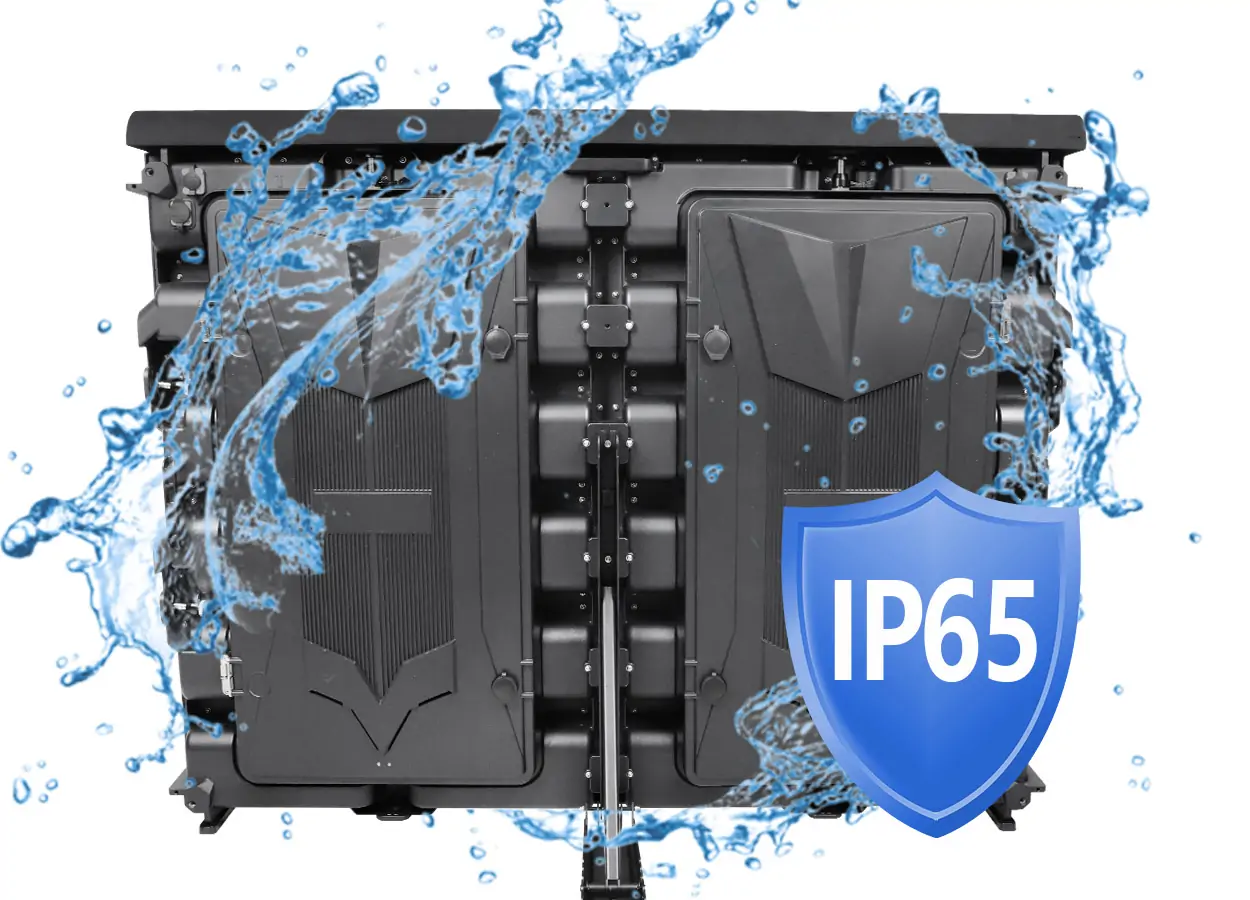
Since the screen will be outside, protection against rain, humidity, dust, and temperature changes matters a lot. Look for a proper outdoor-rated design, not just something adapted from indoor use. The cabinet, modules, connectors, and seals all need to work together.
3.3 Viewing Angle
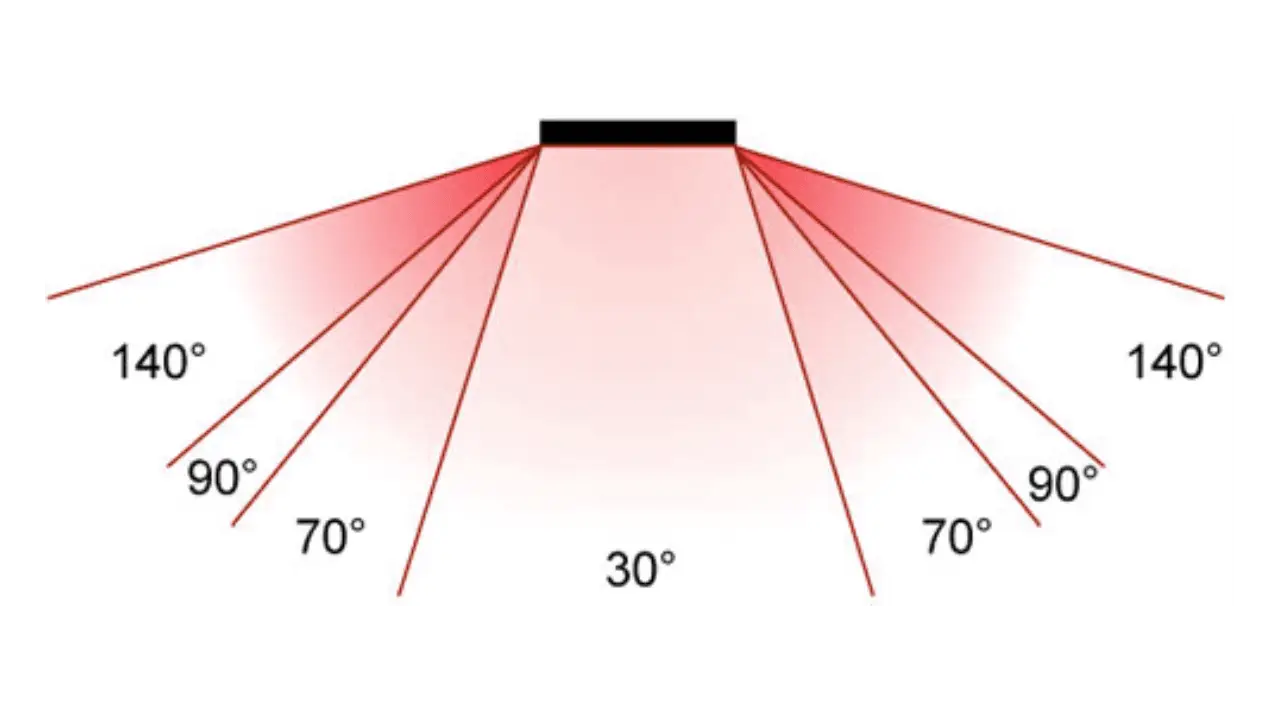
A screen might look great from straight on, but outdoor content is often viewed from the side, from a moving vehicle, or from a distance. Wide viewing angles help keep the image readable from different positions. That’s especially useful for advertising and public information.
3.4 Refresh Rate and Image Stability
This is one of those features people sometimes overlook until they see the screen on camera. A higher refresh rate helps reduce flicker and improves how content looks in video recordings or live broadcasts. Even if your audience is mostly viewing it in person, a stable image still matters.

3.5 Color Performance
Outdoor LED screens don’t need to be overly fancy, but color consistency and contrast do affect how professional the display looks. If the reds are muddy or the whites are uneven, the whole setup feels cheaper than it should.
3.6 Maintenance Access
Eventually, something will need attention. That’s just how these systems go. Modules wear out, power supplies need checking, and sometimes a section of the screen needs service. Front-maintenance or rear-maintenance access can make a huge difference depending on where the screen is installed.
3.7 Control System
The control system determines how content is managed and scheduled. If you’re going to change ads often or run dynamic content, you’ll want a system that’s easy to use and stable. A screen is only as good as the content management setup behind it, in reality.
4. What Affects the P6 LED Video Wall’s Cost?
This is the part most buyers want to know about first, even if they don’t say it out loud. And fair enough. A P6 outdoor LED screen can vary quite a bit in price depending on the build and configuration.
4.1 Screen Size
This one is obvious, but it still matters the most in many cases. Bigger screens use more modules, more structure, more power, and more installation work. So as the size goes up, the total cost usually climbs with it.
4.2 Cabinet Material and Design
The cabinet is the structural frame that holds everything together. Lightweight cabinets may be easier to install, while heavier-duty options may offer better durability. The material, thickness, and waterproof design all influence cost. Sometimes the cheapest-looking option isn’t actually the best value over time.
4.3 Pixel Pitch and Resolution
Even though P6 is already the pitch in question, the final resolution depends on the screen size and layout. If you need a larger image with enough clarity for detailed visuals, more modules may be involved, and that affects pricing.
4.4 Brightness and Component Quality
Higher brightness is useful outdoors, but it usually costs more. Better LED chips, higher-grade power supplies, and more stable driver ICs can also push the price up. That said, cutting corners here can cause problems later. A screen that fails too early usually ends up costing more than the one that was priced a bit higher at the beginning.
4.5 Installation Environment
A simple wall-mounted display is not the same as a large freestanding billboard or a screen mounted in a windy area. Steel structure, foundation work, access equipment, and weatherproofing all add to the total project cost. Sometimes the screen itself is only part of the budget.
4.6 Control and Content System
If you need remote control, scheduled playback, real-time updates, or integration with other systems, the control hardware and software will factor into the price. Not every project needs a fancy setup, but many commercial uses do.
4.7 Service and Support
This is easy to ignore when comparing quotes, but it matters. Warranty terms, spare parts, installation support, and after-sales service all affect the real cost of ownership. A cheap screen with weak support can become a headache pretty quickly.
5. Typical Applications of a P6 Outdoor LED Screen
P6 outdoor LED screens are used in a lot of places, and not all of them look the same. Some are massive roadside displays. Others are smaller signage boards outside stores or venues. The common thread is that they all need visibility and durability.
5.1 Advertising and Commercial Signage
This is probably the most obvious use. Businesses use P6 outdoor LED screens to show ads, promotions, brand messages, and time-sensitive content. Compared with static signage, LED displays are much easier to update. That flexibility is a big reason they’re so popular.
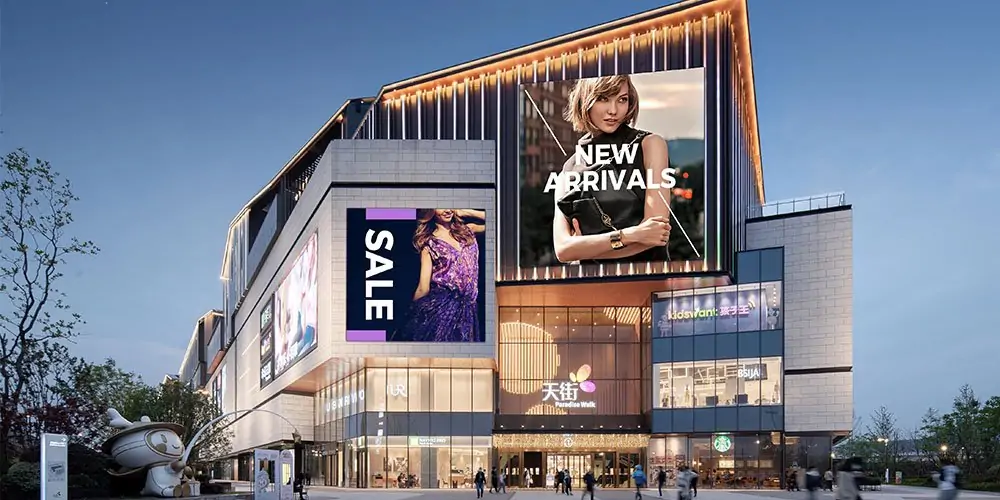
5.2 Shopping Centers and Retail Areas
Retail environments often use outdoor screens to attract foot traffic and highlight campaigns. A P6 screen can work well near entrances, parking areas, or building facades where people are already at a moderate distance.
5.3 Transportation Hubs
Bus stations, train stations, and airport exterior zones often need durable, readable displays for announcements or advertising. Visibility matters here, and the screen has to remain reliable under long operating hours.
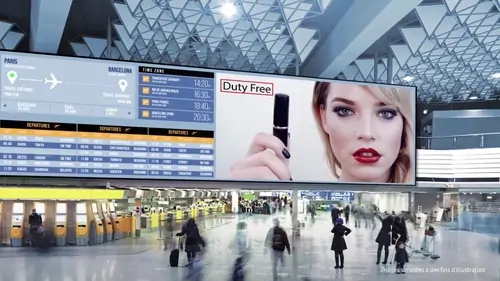
5.4 Public Information Displays
Cities and public institutions sometimes use outdoor LED screens for notices, event information, emergency messaging, or community announcements. In these cases, readability and reliability tend to matter more than fancy design.
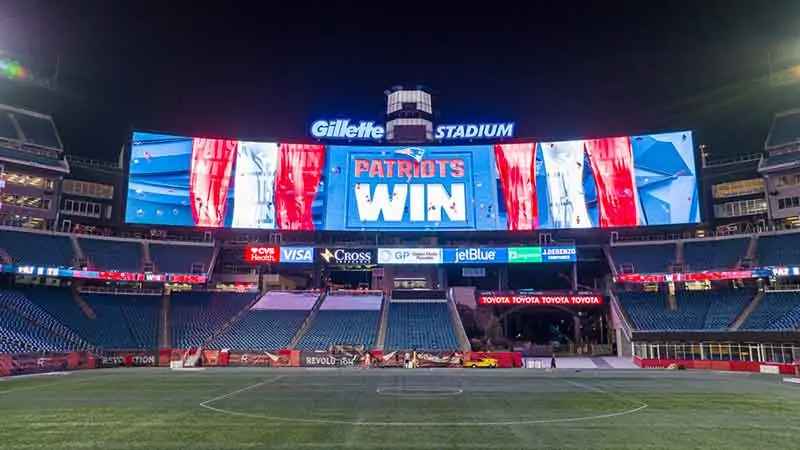
5.5 Stadiums and Sports Venues
Outdoor LED screens are common around sports grounds, both for live content and promotional messaging. P6 can be a practical option for areas where viewers are not sitting extremely close to the display.
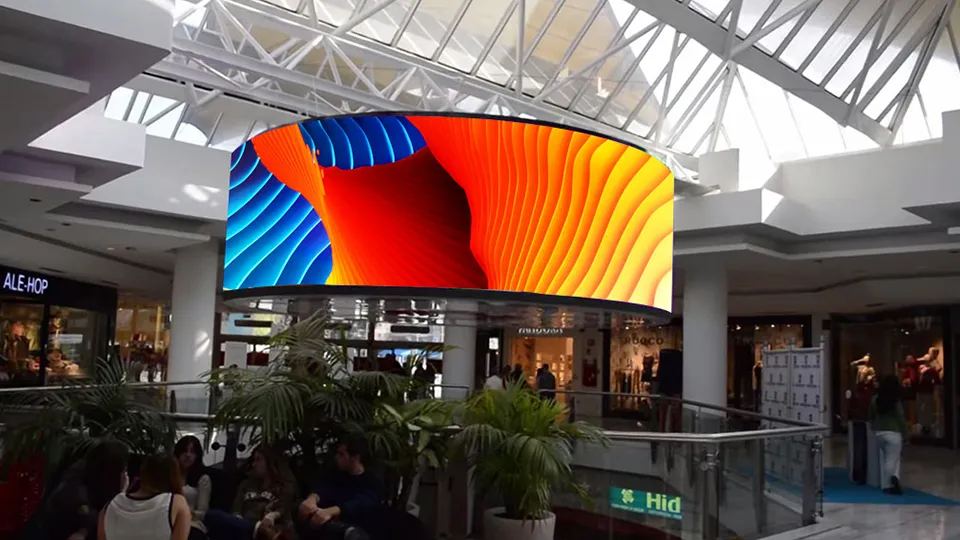
5.6 Event Venues and Performance Spaces
Temporary or semi-permanent outdoor events often rely on LED screens for audience engagement, schedules, live feeds, and sponsor content. The screen needs to be robust enough to handle quick setup, changing conditions, and frequent use.
5.7 Building Facades
Some businesses install LED screens directly on the exterior of their buildings as part of a branded visual presence. This can be effective, but it also raises the bar for structural support and weather protection.
6. How to Decide If P6 Is the Right Pitch
A lot of buyers ask whether P6 is “good enough” or whether they should go smaller. The real answer depends on how close the audience will be.
If viewers are standing very close to the screen, a smaller pixel pitch may look smoother and more detailed. But if the display is meant for people across a street, from a vehicle, or from a distance in a plaza, P6 often makes a lot of sense. You don’t need to overspend just to chase resolution no one will notice.
So the question isn’t really “Is P6 the best?” It’s more like, “Does P6 match the viewing distance and the actual purpose of the screen?” In most cases, that’s the better way to think about it.
7. Practical Things People Forget
This part doesn’t always get enough attention during planning, but it should.
Power requirements need to be considered early. Outdoor LED screens can draw significant power, especially larger ones. Then there’s heat management. Even though the screen is outside, that doesn’t mean it won’t need proper ventilation or design features that help it run safely over long periods.
Also, content matters more than people expect. A good screen with poor content still looks like a poor setup. Short text, strong contrast, clear motion, and readable design usually work better outdoors than overly detailed layouts. That’s not a screen problem. It’s just how outdoor viewing works.
And one more thing: installation quality matters a lot. A solid product installed badly can fail in ways that have nothing to do with the screen itself. Loose mounting, poor sealing, and bad cable routing cause more trouble than many buyers expect.
8. Advantages of Choosing a P6 Outdoor LED Screen
There’s a reason this format remains popular. It offers a decent balance of visibility, image quality, and budget. It’s flexible enough for commercial use, public messaging, and event setups. It can handle outdoor conditions when properly built, and it usually doesn’t demand the higher investment that comes with tighter pitch options.
For many projects, that balance is exactly what matters. You get a display that looks professional without pushing the budget into uncomfortable territory. And since outdoor installations tend to involve more than just the screen panel, keeping the display itself within a reasonable cost range can make the entire project easier to manage.
9. A Few Buying Tips Before You Commit
If you’re comparing suppliers, don’t just ask for the screen price. Ask what’s included. Sometimes quotes look similar on paper but cover very different things. One may include structure and installation, while another only covers the bare display modules. That can lead to confusion pretty fast.
It also helps to ask about maintenance methods. Front access can be a lifesaver in certain installations. Rear access may be fine if there’s enough room behind the screen. The right choice depends on the actual site, not just the product brochure.
And if possible, check sample content or a live demo. Screens can look very different depending on brightness, viewing angle, and color tuning. A spec sheet gives you part of the story, but not all of it.
10. FAQs
1. Is P6 better than P8 for outdoor use?
Yes, P6 has higher resolution and clearer image than P8, suitable for content with text and detailed images; P8 is more budget-friendly for simple large-text outdoor advertising only.
2. What viewing distance is suitable for P6 outdoor LED displays?
The optimal viewing distance is 6m to 30m, perfect for outdoor public places with medium and long audience viewing ranges.
3. Where are P6 outdoor LED screens commonly used?
Typical applications include shopping mall outdoor facades, street advertising billboards, stadium perimeter screens, plaza displays, campus outdoor screens and hotel exterior advertising walls.
4. How much does a P6 outdoor LED screen generally cost?
The price varies by panel quality, brightness, waterproof grade and installation accessories; the blog breaks down unit square meter price ranges, hidden costs and budget-saving tips.
11. Summary
A P6 outdoor LED screen is a practical option for a wide range of outdoor display needs. It’s not the smallest pitch, and it doesn’t try to be. Instead, it gives you a balance that works well for many commercial and public applications: good visibility, outdoor durability, and a cost structure that is usually easier to justify than finer-pitch alternatives.
If your audience will view the screen from a moderate distance, P6 is often a smart place to land. Just make sure you look beyond pixel pitch. Brightness, weather resistance, control systems, maintenance access, and installation conditions all affect how well the screen performs in the real world.
In the end, the best P6 outdoor LED display is the one that fits the site, the viewing distance, and the budget without forcing unnecessary compromises. That’s the part that matters most.