

As a new generation of ultra-high-definition display standard, 4K resolution has extremely high image clarity and detail expression, and is widely used in television, film production, advertising media and various LED screen fields. Today, 4K LED screen has become the mainstream configuration of modern LED display technology, especially suitable for large-scale application scenarios that require high-precision images.
This article will comprehensively analyze the technical principles, core advantages and practical applications of 4K resolution, and combine it with the key points of purchase to provide you with professional reference to help you scientifically choose the ideal 4K LED screen .
Table of Contents
1.What is 4K resolution?
2.How is 4K resolution applied to LED displays?
3. Advantages of 4K LED screen
4. Application of 4K LED screen
5. How to choose 4K LED Screen
6.How much does 4K LED Screen cost?
7.What should I pay attention to when buying a 4K LED screen?
8.EagerLED’s 4K LED screen solution
9.Frequently Asked Questions about 4K LED Screen
10.In conclusion
1.What is 4K resolution?
1.1 Definition of 4K resolution (3840×2160)
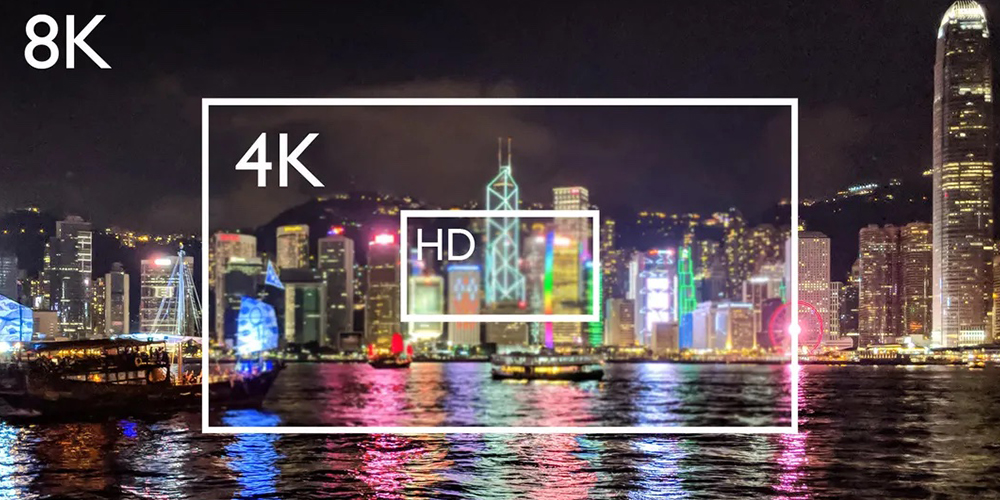
4K resolution usually refers to the ultra-high-definition display standard of 3840×2160 pixels, which is four times that of full HD (1920×1080) and has a total of more than 8 million pixels. It adopts an aspect ratio of 16:9 and is widely used in televisions, LED large screens, digital advertising and HD video production. The film industry also commonly uses another standard – DCI 4K (4096×2160), which is mostly used for theater screenings.
1.2 The evolution of 4K resolution
4K was first used in the digital film industry. In 2005, DCI (Digital Cinema Initiatives) launched the DCI 4K standard, which officially established 4K’s position in professional film and television production. After entering the 2010s, consumer electronics brands began to introduce 4K into consumer fields such as TVs, monitors, and LED screens. Today, with the continuous upgrading of content platforms and playback devices, 4K has become the mainstream direction of high-definition display.
1.3 Technical characteristics of 4K resolution
4K resolution has ultra-high pixel density and clear and delicate image expression. It is often used with HDR, high refresh rate and wide color gamut technology to present more realistic and vivid images. At the same time, it also puts forward higher technical requirements for video decoding, transmission and playback equipment.
1.4 4K resolution 4K vs 8K, 2K, 1080P
Compared with 1080P: 4K has 4 times the number of pixels as 1080P, with clearer pictures and richer details, which is especially suitable for large-screen display and close-up viewing.
Compared with 2K: 2K usually refers to 2048×1080, which is mainly used in digital cinemas and its pixel density is far less than 4K.
Compared with 8K: 8K has a resolution of 7680×4320, which is four times the pixels of 4K, but the equipment cost is high and the content is scarce. Currently, 4K is still more practical and popular.
2.How is 4K resolution applied to LED displays?
2.1 How does 4K LED Screen achieve 4K resolution?
To achieve 4K resolution, the LED display must have enough total pixels, that is, at least 3840 pixels horizontally and 2160 pixels vertically. This is usually done by splicing multiple LED modules. The entire screen size must be large enough and the module arrangement density must be high to meet the 4K pixel requirements. The key to achieving 4K image quality lies in the coordination of high pixel count, high brightness, high refresh rate and precise color control.
2.2 The role of small pitch in 4K LED screen
2.2.1 Increase pixel density per unit area
Small pitch (such as P1.25, P1.56, P1.86) can achieve more pixels on a smaller LED screen, enabling the LED screen to present 4K image quality in a limited space.
2.2.2 Suitable for close viewing
The small-pitch LED screen has a delicate display without any graininess, which is especially suitable for scenes with a short viewing distance such as conference rooms, control rooms, and exhibition halls, giving full play to the picture quality advantages of 4K.
2.2.3 Improve overall picture consistency
Small-pitch LED screens have higher requirements for point control and driving accuracy, and can present more uniform and stable images, enhancing visual immersion and professional expression.
2.3 Control system and image processing requirements
2.3.1 High-performance control system supports 4K signals
To achieve 4K display, a control system that supports 4K input and output (such as the Novastar H series and Colorlight Z series) is required, which has powerful processing capabilities and high-speed signal transmission capabilities.
2.3.2 Image processor needs to support high refresh rate and grayscale
To avoid screen tearing and flickering, a video processor with a high refresh rate (≥3840Hz) and high grayscale (14bit\~16bit) is required to ensure smooth images and natural color transitions.
2.3.3 Multi-channel input and synchronous control
4K signals are large in size and may require parallel transmission of multiple signals. The control system must support functions such as synchronous input, multi-screen stitching, and HDR processing to achieve seamless presentation of complete 4K images.
3. Advantages of 4K LED screen
3.1 Ultra-clear picture quality, full of details
The 4K LED screen has more than 8 million pixels, with delicate and clear images, and can accurately present every detail. It is especially suitable for playing high-quality images, videos and dynamic content.
3.2 Large size for more comfortable viewing
Even when viewed up close on a large screen, the picture remains high definition and grainless, enhancing the audience’s visual comfort and viewing experience.
3.3 Support HDR, more realistic colors
4K LED screens are often equipped with HDR technology, which can display a wider color gamut and stronger contrast, making the picture more vivid, more layered, and closer to the real vision.
3.4 Immersive Experience
4K LED screens allow users to enjoy an immersive visual experience brought by high-definition picture quality on large LED screens. The picture is delicate and colorful, whether it is watching videos, playing games, or for commercial presentations, it can create a fascinating multi-perspective viewing experience, which is very suitable for creating immersive stages, interactive exhibitions and high-end home theater environments.
3.5 Applicable to various application scenarios
It is widely used in conference rooms, exhibition halls, control centers, retail advertising and other scenarios to meet the needs of multiple industries for high-quality display.
4. Application of 4K LED screen
4.1 Commercial Advertising and Outdoor Media
4K LED screens are widely used in city landmarks, business districts, airports, stations and other places. The ultra-high-definition picture quality can effectively attract attention and enhance the advertising effect.

4.2 Conferences and Corporate Exhibitions
Companies use 4K LED screens for conference presentations, data displays, and product launches, which can present clear charts and detailed images, improving professional image and communication efficiency.
4.3 Exhibitions and Museums
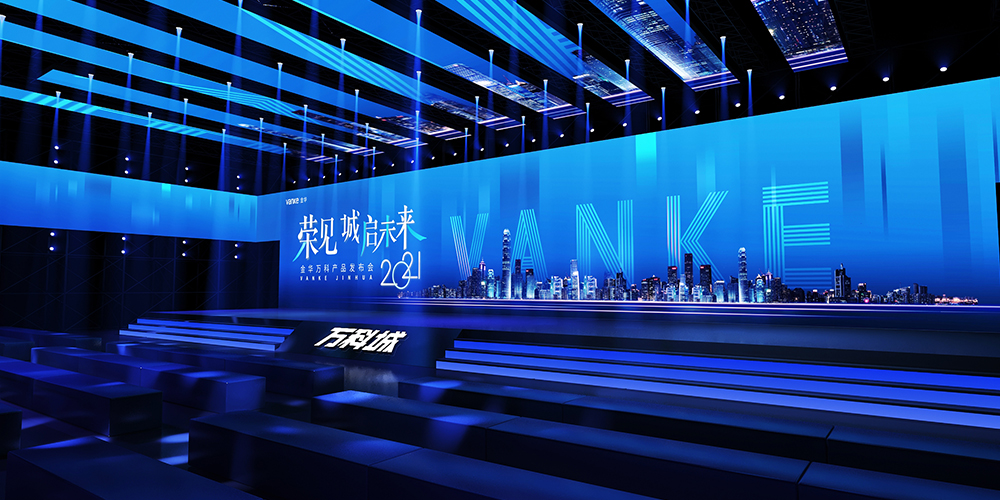
In exhibition halls, science and technology museums, and museums, 4K LED screens can present high-quality videos and interactive content, bringing an immersive experience to the audience and enhancing the visiting effect.
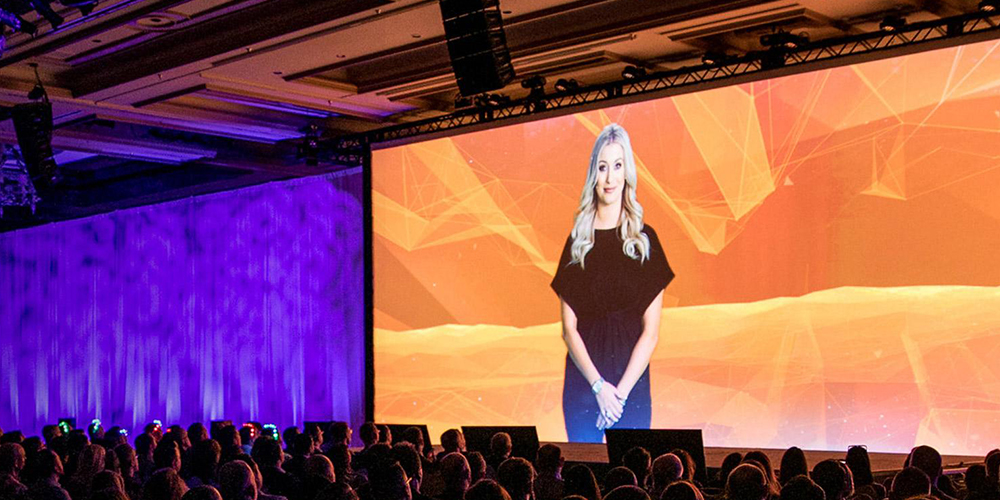
4.4 Performance and Stage Background
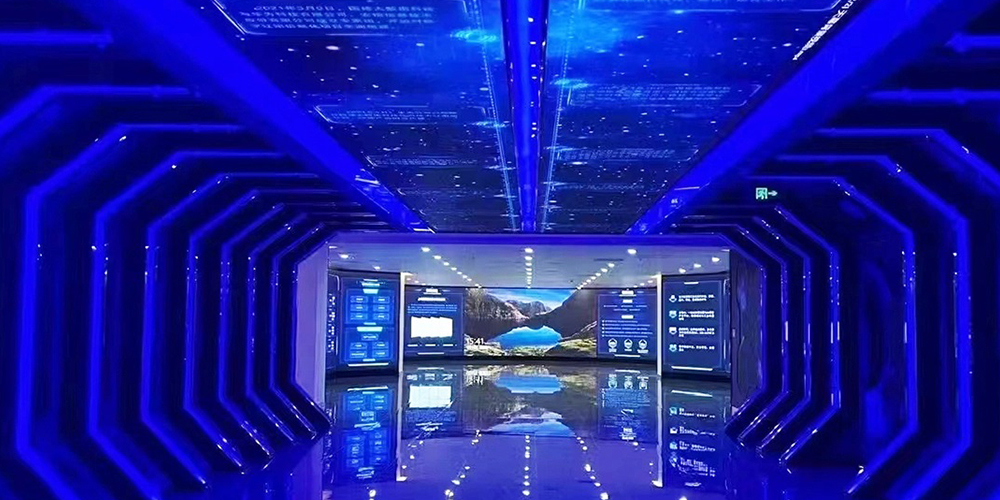
4K LED screens are commonly used in concerts, cultural performances, celebrations, etc. to create high-quality stage vision and enhance the overall atmosphere with realistic images.
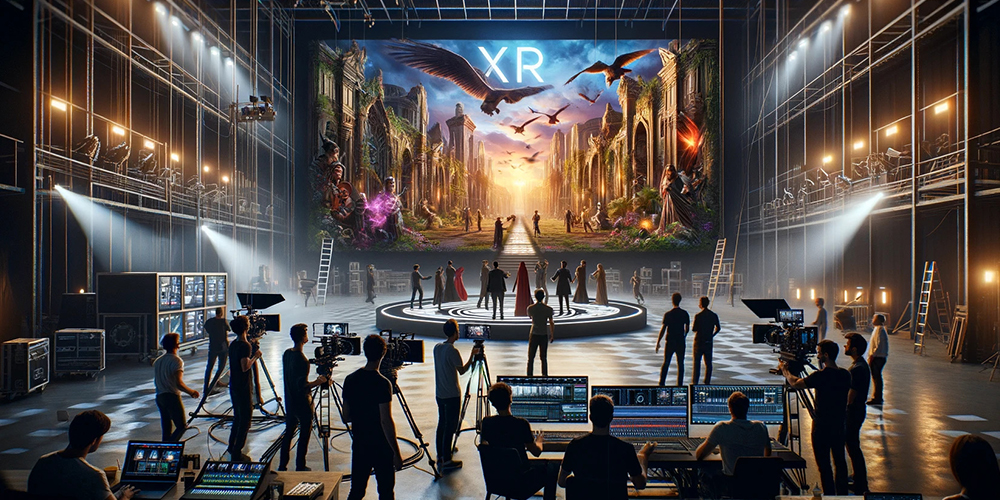
4.5 Broadcasting and Virtual Studio
Television stations and video production companies use 4K LED screens as virtual backgrounds or studio settings, and cooperate with camera systems to display rich and realistic visual content.
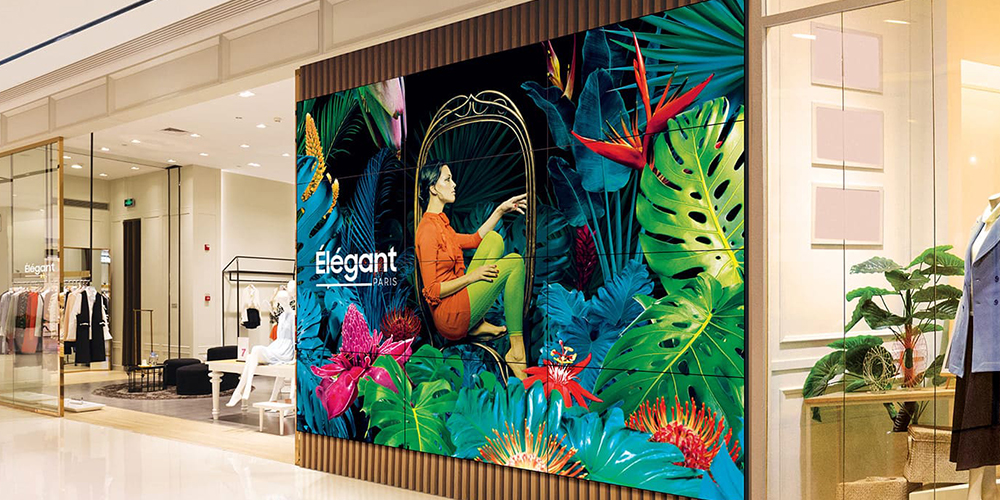
4.6 High-end retail and brand display
In high-end retail environments such as luxury stores, car showrooms, and technology stores, 4K LED screens are used to display product details and brand image to enhance customer experience.
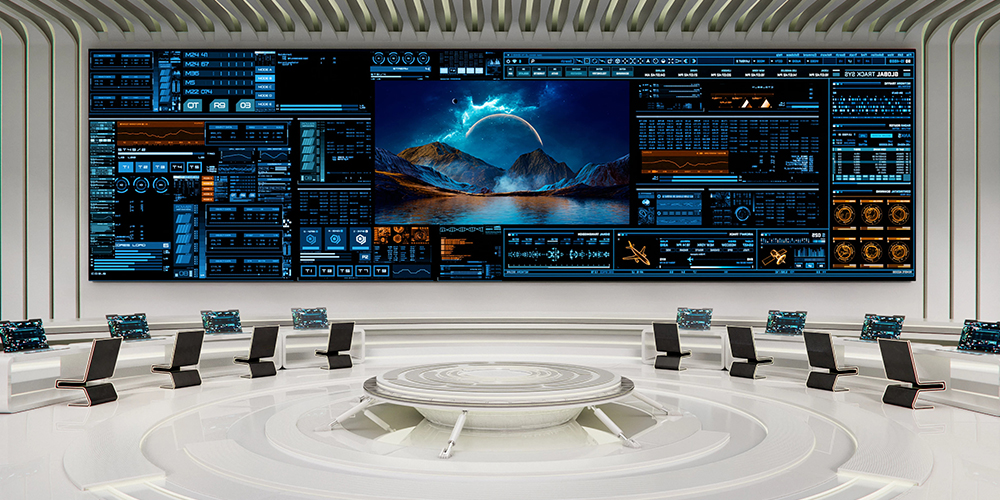
4.7 Command Center and Monitoring System
Control rooms in industries such as security, transportation, and electricity use large 4K LED screens to achieve multi-screen high-resolution monitoring, improving decision-making efficiency and security capabilities.
5. How to choose 4K LED Screen
When choosing a suitable 4K LED screen, you should not only pay attention to the resolution itself, but also consider a number of key factors in combination with the actual application scenario and usage requirements. The following are some points worth paying attention to when purchasing:
5.1 Confirm the display size and pixel pitch
4K resolution refers to 3840×2160 pixels. To achieve this number of pixels, the LED screen must be large enough and have a suitable pixel pitch. For example, P1.2-P1.8 small-pitch modules are suitable for close-range viewing indoors, while P2.5 and above are suitable for medium and long-distance scenes.
5.2 Consider viewing distance and usage environment
The closer the viewing distance, the smaller the pixel pitch is required to ensure a clear image without graininess. At the same time, indoor and outdoor environments have different requirements for brightness and protection level. Outdoors, high-brightness, waterproof and dustproof LED screens are required.
5.3 Check control system and signal processing capabilities
4K LED screens need to be equipped with high-performance control systems and image processors that support 4K input interfaces (such as HDMI 2.0, DP 1.4) and features such as HDR, high grayscale, and high refresh rate to ensure smooth images and realistic colors.
5.4 Pay attention to module quality and color consistency
High-quality 4k LED screen use high-quality lamp beads (such as Nationstar, Jingtai, etc.), high-contrast masks and precise calibration systems to ensure uniform color and consistent brightness, avoiding screen “flowering” or color difference.
5.5 Consider installation method and maintenance convenience
Choose the appropriate structural design according to the installation environment, such as wall-mounted, floor-standing, ceiling-mounted, etc. Products that support front maintenance design are more convenient for later maintenance, saving manpower and space costs.
6.How much does 4K LED Screen cost?
When purchasing a 4K LED screen, price is the focus of many users. The cost varies greatly for different projects and configurations. The following are several factors that mainly affect the price:
6.1 Screen pixel pitch and size matching
Achieving 4K resolution (3840×2160) requires enough pixels. The smaller the pixel pitch, the denser the pixels per unit area, the clearer the screen, but the higher the price.
The screen size must be large enough to fully present 4K resolution, which means more LED modules are needed, and the cost naturally increases.
6.2 Material selection and process standards
Common cabinet materials for 4K LED screens include glass, plastic and metal. Glass is clear and durable but expensive; plastic is light but has a short lifespan; metal has a strong structure and is suitable for outdoor use, but it needs to be treated with corrosion protection.
The quality of core components such as lamp beads, driver chips, and power supplies also directly affects the overall cost and later stability.
6.3 Control system and image processing capabilities
To successfully transmit and present 4K content, a control system and image processor that supports 4K input (such as HDMI 2.0, DP 1.4) is required.
The system needs to have functions such as high refresh rate (≥3840Hz), high grayscale, and HDR decoding to ensure smooth images and realistic colors.
The introduction of advanced processors and synchronization systems will increase the overall budget.
6.4 Installation environment and structural design
Outdoor 4K LED screens require waterproofing, dustproofing, high brightness, and a more complex cabinet structure; while indoor screens focus more on small spacing, low noise, and front maintenance design.
The installation method (such as hanging, wall-mounted, curved) and structural complexity will also increase the construction cost.
6.5 Brand Value and Service Support
Well-known brands are more mature in control technology, module consistency, color correction, etc. Although the initial investment is slightly higher, the long-term stability and after-sales service are more guaranteed.
Inferior brands may have problems such as unstable image quality, high module damage rate, and difficult maintenance.
7.What should I pay attention to when buying a 4K LED screen?
7.1 Choose a strong supplier
Give priority to brands that have independent production plants, rich engineering cases, and support customized services. Check whether they have relevant qualifications and certifications, and understand their reputation in the industry and user feedback, and avoid choosing middlemen who only focus on marketing and lack technical support.
7.2 Emphasis on product testing and quality assurance services
High-quality 4K LED screens should undergo rigorous factory testing, including aging tests, brightness balancing, color correction, etc. Make sure the manufacturer provides a clear warranty policy, including warranty years, technical support, replacement of wearing parts, remote assistance and other services.
7.3 Check real cases and beware of false advertising
Refer to the manufacturer’s real installation cases, and give priority to products that have been successfully implemented in conference rooms, exhibition halls, advertising media, etc. Avoid being attracted by renderings or low-price gimmicks, and be careful of “false parameters” or quality reduction.
6.3 Control system and image processing capabilities
To successfully transmit and present 4K content, a control system and image processor that supports 4K input (such as HDMI 2.0, DP 1.4) is required.
The system needs to have functions such as high refresh rate (≥3840Hz), high grayscale, and HDR decoding to ensure smooth images and realistic colors.
The introduction of advanced processors and synchronization systems will increase the overall budget.
7.4 Match configuration according to requirements
Clarify your usage scenario and budget, and choose the pixel pitch, brightness level and control system reasonably. The higher the configuration, the better. The key is to meet the actual viewing effect and installation conditions.
7.5 Service is more important than price
4K LED screens are mid-to-high-end display products. In addition to the hardware itself, you should also pay attention to whether the manufacturer can provide long-term technical support and after-sales guarantees, which determines whether your future usage experience will be worry-free.
8.EagerLED's 4K LED screen solution
8.1 EA640F2 640×480 Indoor 4K LED Screen
Full front-end service design: The full front maintenance design allows easy maintenance of the LED module, power supply, and receiving card from the front.
Perfect ratio: adopting 4:3 golden ratio design, the box size is 640*480mm, specially designed for various 4:3 and 16:9 LED large screens.
320x160mm size module: Adopting 320x160mm standard size panel, even novices can easily assemble and maintain it.
Wide Viewing Angle: Up to 140° vertical and horizontal viewing angles, providing a wide viewing angle. The ultra-wide viewing angle provides you with the largest screen viewing area. It provides you with clear and natural images in all directions.
8.2 EA640H1 Indoor 4K LED Screen
Hot-swappable design: The LED module data and power input are plug-and-play, no additional DC power cord and cable are required, easy to install, saving trouble and effort.
Front-end maintenance: Magnetic front-access module allows tool-free removal and replacement in just 3 seconds .
Lightweight design : The indoor 4K LED screen is only 48mm thick and weighs only 6.7KG, which saves space while bringing a rich visual experience.
Unparalleled visual performance : The EA640H1 indoor 4K LED screen not only improves contrast by narrowing the pixel pitch, but also increases the refresh rate to make the display effect even better.
8.3 EA600COB1 16:9 Indoor COB 4K LED Screen
Full front desk service: front maintenance design, convenient and quick maintenance. LED modules are connected by HUB and equipped with electric vacuum clamps, so ordinary people can easily replace them.
Wireless LED module: LED module data and power input plug and play design, no additional DC power cord and cable required, easy installation, saving trouble and effort.
Large screen splicing: The size of this indoor 4K LED screen is 600*337.5mm, the screen ratio is 16:9, and it achieves standard 2K, 4K, and 8K resolutions to present the most realistic details.
COB LED Modules: COB LED technology offers superior pixel pitch, energy efficiency, higher contrast, smoother surface and better reliability for the ultimate viewing experience and lifelike colors.
9.Frequently Asked Questions about 4K LED Screen
What is the difference between 4K LED and LCD?
Both 4K LED screens and LCDs (liquid crystal displays) can achieve 4K resolution, but their technical principles and application scenarios are very different. 4K LED screens use point-to-point self-luminous technology, which has higher brightness and stronger contrast, and can achieve seamless splicing, which is suitable for large-scale scenes such as stage backgrounds and large conference screens. LCDs are mainly used for small and medium-sized displays, such as notebooks, TVs or monitors, and will have borders after splicing.
Can small screens really display 4K?
Technically, small screens can also achieve 4K resolution, for example, 27-inch 4K monitors are already common. However, within the range of human perception, the smaller the screen, the less obvious the advantage of 4K. LED screens are usually used for large-screen displays, so 4K LED screens are mostly used in large display systems over 100 inches to fully demonstrate their ultra-high-definition advantages.
What kind of content sources are needed for 4K display?
To achieve a true 4K display effect, it must be paired with video or image content with native 4K resolution. Common content sources include HD camera shooting, 4K video players, computer output (HDMI 2.0 or higher), streaming platforms (such as Netflix, YouTube’s 4K videos), etc. At the same time, the control system must also support 4K input and processing to fully present the picture.
What is the future trend of 4K resolution?
4K resolution is gradually becoming the standard configuration for high-end displays, especially in commercial displays, stage performances, virtual shooting, command centers, and other scenarios. With the development of LED fine pitch technology and the reduction of costs, 4K LED screens will be popularized in more medium-sized venues. At the same time, it will be combined with XR and AI display technologies in the future to promote further upgrades in immersive display experience.
10.In conclusion
This blog shows you some knowledge about 4K resolution, covering its technical principles, advantages, applications and purchase recommendations. With its high-definition picture quality and powerful display performance, 4K LED screens have become an ideal choice in many scenarios. It is recommended to combine actual needs, make rational purchases, and consult professional manufacturers to obtain customized solutions when necessary to ensure the best results.