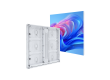


In today’s fast-paced digital world, display technology is evolving rapidly to meet the demand for flexibility, portability, and high-impact visuals. Rolling LED screen—also known as roll up LED display—is one of the most exciting innovations in this space, offering a unique combination of lightweight design and powerful performance. Whether used for events, retail, exhibitions, or mobile advertising, these screens are changing how businesses deliver visual content.
In this ultimate guide, you’ll learn everything you need to know about rolling LED screens—from what they are and how they work to their key advantages compared to traditional LED displays. We’ll also explore installation and maintenance tips, helping you choose and use the right solution with confidence.
1. What is a Rolling LED Screen?
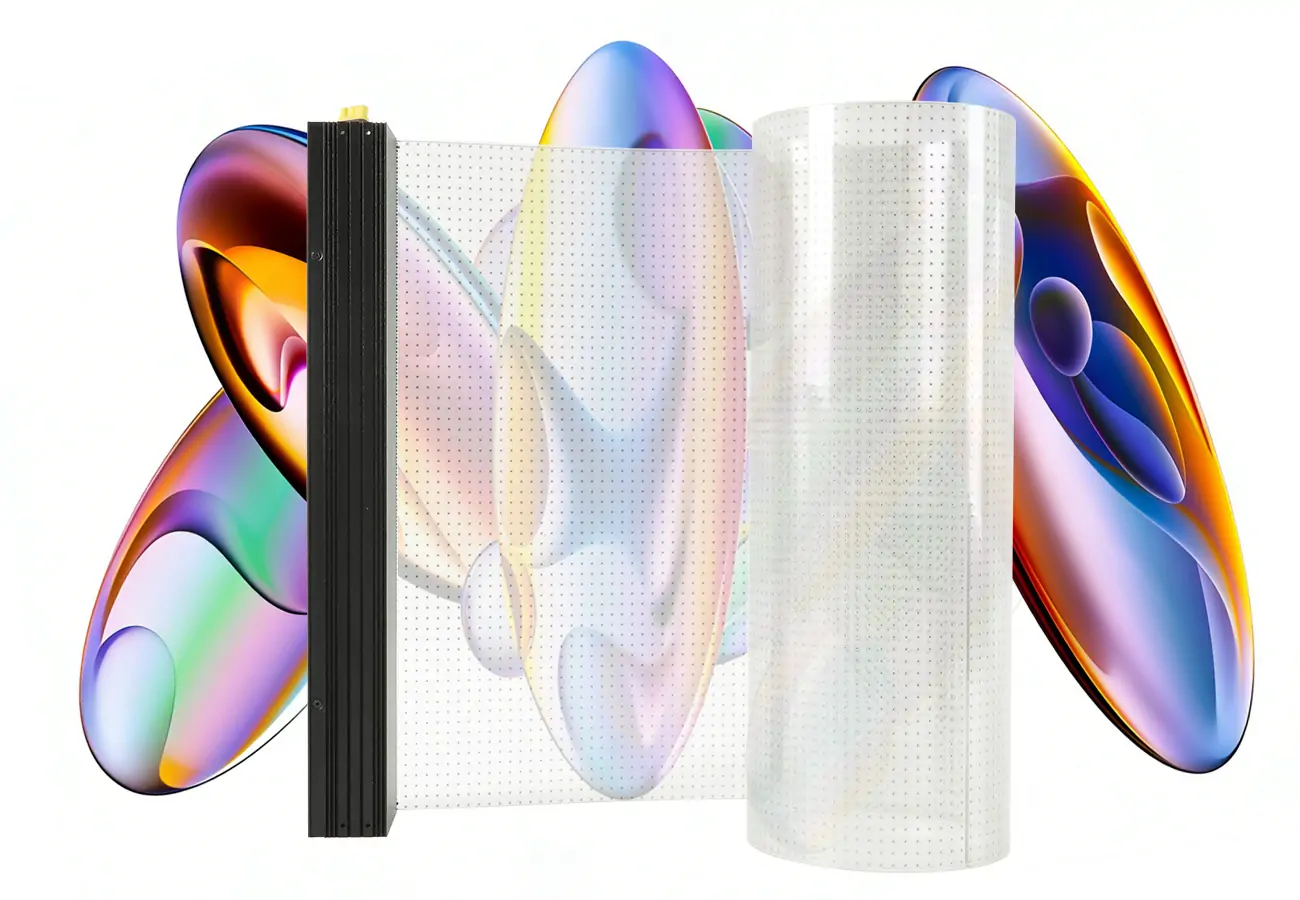
A rolling LED screen (also known as a roll-up LED display or flexible LED screen) is a type of LED display designed with a soft, bendable structure that allows it to be rolled or folded without damaging the panel. Unlike traditional rigid LED cabinets, rolling LED screens are built using flexible PCB materials, lightweight frames, and specially designed LED modules that can maintain performance even when curved or rolled.
These screens are typically used in applications where mobility, quick setup, and space-saving storage are important. When not in use, the screen can be rolled into a compact form, making transportation and installation much easier.
Rolling LED screens are widely used in:
- Trade shows and exhibitions
- Stage performances and concerts
- Retail displays and pop-up stores
- Event backdrops and mobile advertising
Despite their flexibility, they still deliver high brightness, vivid colors, and seamless visuals, similar to LED displays with OLED technology. This makes them a powerful solution for modern digital signage that requires both performance and flexibility. It supports multiple LED shapes such as cylindrical LED displays and curved LED screens.
2. The Unbeatable Advantages of a Roll Up LED Screen
Roll up LED screens are gaining popularity because they combine visual performance with flexibility and convenience. Here are the key advantages that make them stand out:
1. Portability and Easy Transportation
Thanks to their rollable design, these rolling LED screens can be packed into a compact size, making them ideal for events, exhibitions, and mobile advertising.
2. Fast Installation and Setup
Rollup LED displays can be deployed quickly without complex assembly, saving both time and labor costs during installation.
3. Space-Saving Design
When not in use, the rolling LED screen can be rolled up and stored in a small space, which is perfect for businesses with limited storage capacity.
4. Flexible and Creative Display Shapes
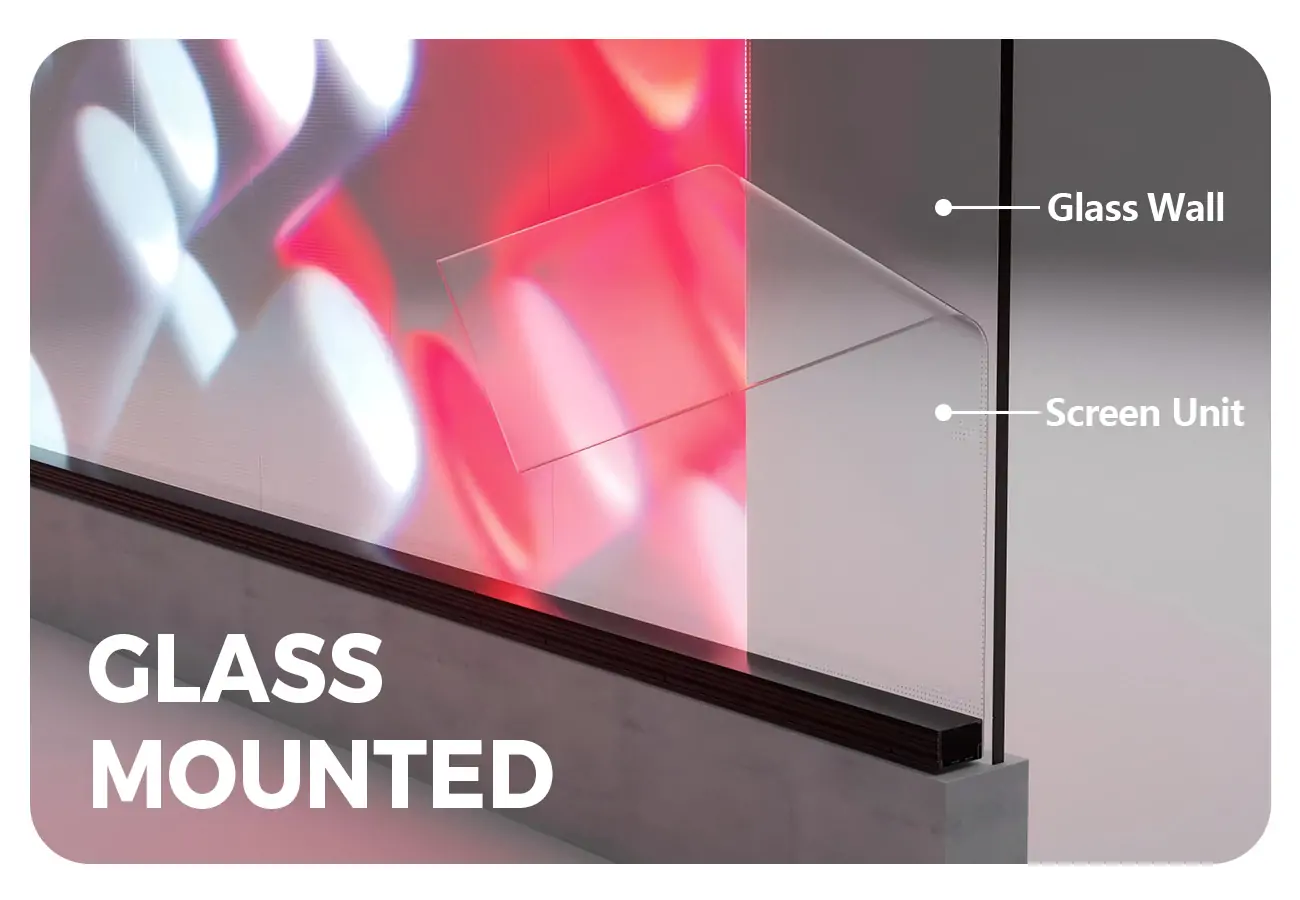
Unlike rigid LED panels, rollup LED screens can adapt to curved or irregular surfaces, allowing more creative and eye-catching visual designs.
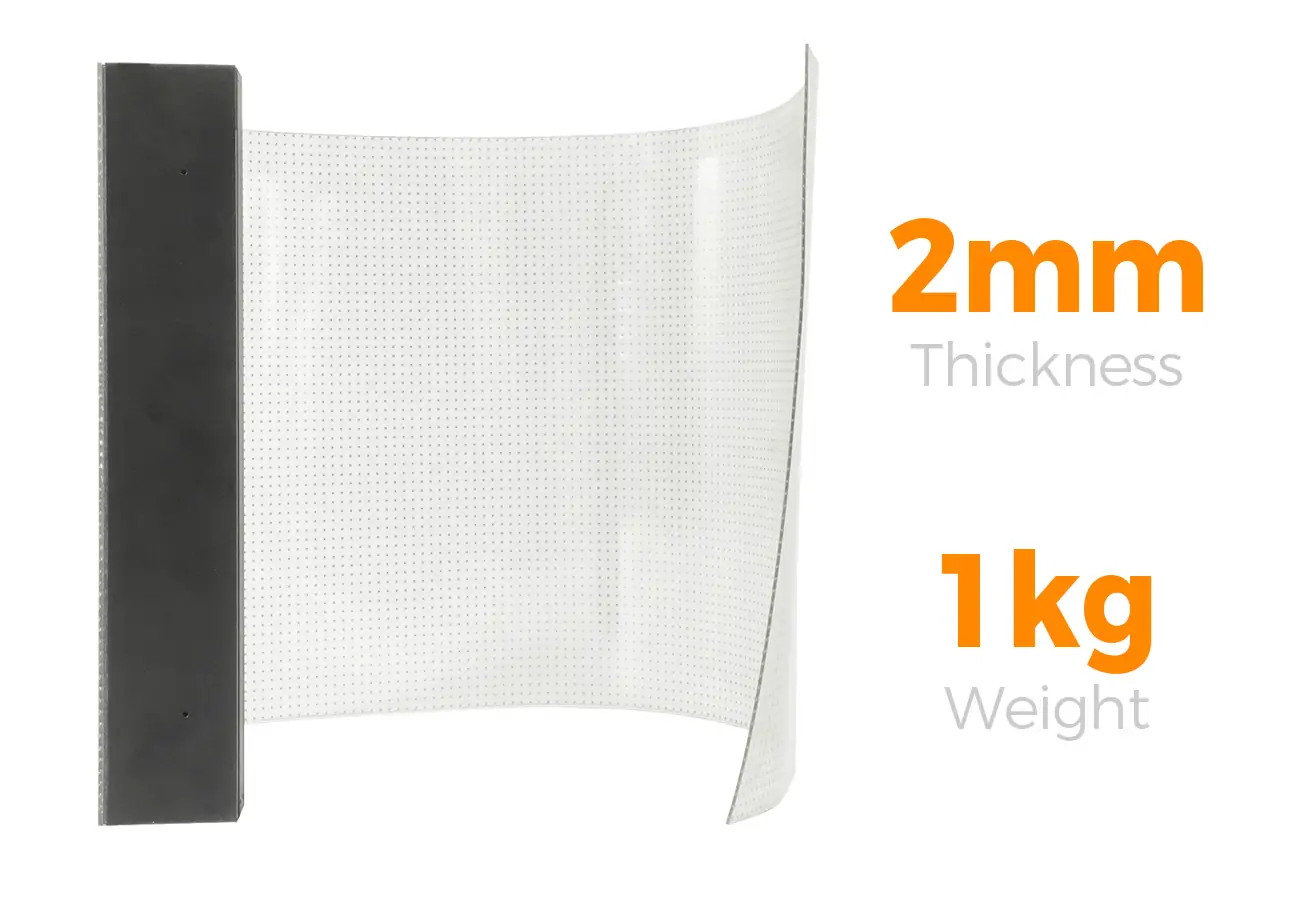
5. Lightweight Structure
Built with flexible materials, these rolling LED screens are significantly lighter than traditional LED walls, making handling and mounting much easier.
6. Durable and Impact-Resistant
The flexible construction helps absorb shocks and reduces the risk of damage during transport or installation.
7. High Visual Performance
Despite their flexibility, rollup LED screens still offer high brightness, vivid colors, and seamless image quality suitable for professional use.
8. Cost-Effective for Temporary Applications
For short-term events or mobile campaigns, they reduce logistics, setup, and labor costs compared to traditional LED displays.
Overall, roll up LED displays provide a perfect balance of mobility, efficiency, and visual impact, making them a smart choice for modern digital display needs.
3. How Does A Roll Up LED Display Work?
A roll up LED display works by combining flexible LED modules, advanced control systems, and lightweight structural design to deliver high-quality visuals in a portable, rollable format. Here’s how it functions:
3.1 Flexible LED Modules
At the core of a rolling LED screen are ultra-thin, flexible LED panels mounted on soft PCB materials. These flexible LED modules can bend without damaging the circuitry, allowing the screen to roll up smoothly while still displaying images clearly.
3.2 Integrated Driving and Control System
Each LED module is connected to a control system (receiving cards and processors) that manages signal input, image processing, and synchronization. Content from a computer, media player, or controller is converted into digital signals that control each LED pixel in real time.
3.3 Signal Transmission
Video signals are transmitted through cables or wireless systems to the control unit, which distributes data across the LED modules. This ensures seamless image display without gaps or distortion, even on curved or flexible surfaces.
3.4 Rolling Mechanism and Structure
The roll up LED display is built on a flexible backing material or rollable frame, allowing it to be rolled up like a scroll. When deployed, the screen is stretched or mounted onto a support structure to maintain a flat or curved display surface.
3.5 Power Supply System
A lightweight power system provides stable electricity to all modules. Efficient power management ensures consistent brightness, low energy consumption, and safe operation.
3.6 Content Management and Software
Users control the rolling LED screen through software that allows them to upload videos, images, or live feeds. The system adjusts brightness, color, and resolution to ensure optimal viewing performance.
In short, a roll-up LED display works by integrating flexible hardware with intelligent control technology, enabling it to deliver dynamic visuals while remaining portable, lightweight, and easy to use.
4. Rolling LED Screen VS Traditional LED Display
Rolling LED screens and traditional LED displays both deliver high-quality visuals, but they differ significantly in design, installation, and usage flexibility. Below is a clear comparison:
| Feature | Rolling LED Screen | Traditional LED Display |
|---|---|---|
| Structure | Flexible, rollable design | Rigid cabinet or panel structure |
| Portability | Highly portable and easy to transport | Heavy and less portable |
| Installation | Quick setup, minimal tools required | Requires complex installation and mounting |
| Storage | Can be rolled up to save space | Needs large storage space |
| Flexibility | Can be curved or shaped | Mostly flat or fixed shapes |
| Application | Events, exhibitions, mobile advertising | Billboards, stadiums, permanent installations |
| Maintenance | Easier due to modular flexible design | More complex and time-consuming |
| Durability | Designed for flexibility, moderate durability | Highly durable for long-term outdoor use |
| Cost | Higher initial cost due to advanced tech | Wide range, often more cost-effective for large projects |
In summary, rolling LED screens are ideal for portable, creative, and temporary applications, while traditional LED displays are better suited for permanent, large-scale, and heavy-duty installations.
5. How to Install and Maintain Roll Up LED Screens?
Rolling LED screens are designed for convenience, but proper installation and maintenance are still essential to ensure optimal performance, safety, and long lifespan. Below is a practical guide to help you handle both tasks effectively.
5.1 How to Install a Rolling LED Screen
Installing a roll up LED screen is much easier compared to traditional LED displays, but you still need to follow a few key steps:
- Choose the Right Location
Select a flat and stable surface with enough space for the rolling LED screen to extend fully. Ensure the area is dry, well-ventilated, and protected from extreme weather if used outdoors. - Unpack Carefully
Remove theroll up LED display from its protective case and avoid sharp objects during unpacking. Since the screen is flexible, handle it gently to prevent bending damage. - Mount or Position the Screen
Depending on the design, you can either place it on a stand, mount it on a wall, or suspend it. Make sure the support structure is strong enough to hold the screen securely. - Roll Out the Display
Slowly unroll the LED screen from the base unit. Do not force it—let the mechanism extend smoothly to avoid stress on the flexible panels. - Connect Power and Signal
Attach the power cable and connect the control system (such as a media player or controller). Double-check all connections before powering on. - Test the Screen
Turn on the system and run a test display to ensure the image quality, brightness, and connections are functioning correctly.
5.2 How to Maintain a Roll Up LED Screen
Proper maintenance helps extend the lifespan and ensures consistent rolling LED screen quality:
- Regular Cleaning
Use a soft, dry cloth to gently clean the surface. Avoid water, alcohol, or harsh chemicals, as they can damage the LED components. - Avoid Over-Bending
Even though the roll up LED screen is flexible, excessive bending or improper rolling can cause damage. Always follow the manufacturer’s guidelines when retracting the screen. - Store Properly
When not in use, roll the screen back into its housing and store it in a dry, dust-free environment. Avoid high humidity and extreme temperatures. - Check Connections Periodically
Inspect cables and connectors for wear or looseness. Stable connections are essential for uninterrupted performance. - Software Updates
Keep the control system and software updated to ensure compatibility and improved performance. - Professional Inspection
For long-term use, schedule occasional inspections by professionals to identify any hidden issues early.
By following these installation and maintenance tips, you can maximize the efficiency, durability, and visual performance of your roll up LED screen.
6. FAQs
1. What is the lifespan of a roll-up LED screen?
Most roll-up LED displays have a lifespan of 50,000–100,000 hours, depending on usage, brightness settings, and maintenance practices.
2. Are roll-up LED screens durable?
Yes. They are designed with flexible PCB materials and protective coatings that allow repeated rolling and unrolling without damaging the display.
3. Can roll-up LED screens be used outdoors?
Some models are specifically built for outdoor use, featuring waterproof (IP65 or higher) and weather-resistant designs, but not all roll-up screens are outdoor-ready. Always check specifications.
4. How easy is it to transport a roll-up LED display?
Very easy. Their lightweight and compact rollable structure makes them ideal for transport, especially for events, exhibitions, and mobile advertising.
5. What resolutions are available?
Roll-up LED screens come in various pixel pitches (e.g., P2.5, P3, P4, etc.). Smaller pixel pitch means higher resolution and better image clarity.
7. Conclusion
Rolling LED screens represent a significant leap forward in display technology, combining flexibility, portability, and high-performance visuals into a single innovative solution. Unlike traditional rigid LED displays, roll up LED displays offer unmatched convenience for transportation, installation, and storage, making them an ideal choice for events, exhibitions, retail advertising, and dynamic environments where adaptability is essential.
Whether you are looking to enhance brand visibility, improve audience engagement, or simplify your display setup, a rolling LED screen provides a modern and cost-effective solution. As demand for versatile and innovative display technologies continues to grow, roll up LED screens are set to become an increasingly popular choice across multiple industries.