Evaluate outdoor rental LED display suppliers for concert touring by asking them to demonstrate the exact fleet you will receive: the ordered cabinet revision, matching replacement parts, an agreed camera test, repeatable assembly and a documented shipment handover. A good-looking demo wall is only the starting point. The purchasing decision should depend on evidence tied to your configuration and tour route.
This guide is for event-production companies and rental businesses buying equipment from Chinese manufacturers. It follows the decision from supplier shortlist to shipment release. It is a purchasing checklist; the venue’s responsible specialists still need to approve the actual structure, electrical distribution and outdoor operating plan.
- A frozen equipment list with revisions, quantities and clear exclusions.
- Observed tests of the supplied configuration, including a spare-part swap.
- A case-by-case packing list and accessible configuration backups.
- Named support contacts and written responsibility for unresolved defects.
In this guide
1. Define a touring brief suppliers can quote
Describe the route before comparing cabinet prices. Record the screen layouts you expect to build, outdoor exposure, nearest meaningful viewing positions, live-camera use, crew access and the date the equipment must be commissioned. A delivery deadline at your warehouse is different from the first show date: receiving, testing and crew familiarization need their own time.
Tell every candidate which items you already own. Existing processors, receiving cards, cable stock or support hardware should be treated as interfaces to verify. A matching connector or cabinet dimension does not establish compatibility. Request written confirmation of the exact versions and the conditions under which they can work together.
Use the same brief for each supplier. Identify whether the purchase covers cabinets alone or a complete system including control, cables, support interfaces, spare parts and cases. For broader company qualification, use the LED display manufacturer audit checklist. Keep this touring review focused on what your crew will receive and reuse between shows.
2. Check the model, hardware and support scope
A product family can include indoor and outdoor versions, different pixel pitches and optional mechanical features. Ask the manufacturer to identify the ordered configuration on the quotation and approval drawing. Do not let a family name stand in for a complete specification.
For example, the EagerLED EA500C6 product page lists 500 × 500 mm cabinets, an outdoor cabinet weight of 7.3 kg, quick locks, corner protectors and rear access. It also describes optional curved installation and mixed splicing with EA1000C6. Those descriptions help frame questions; they do not mean every option, accessory or combination is included in a particular quote.

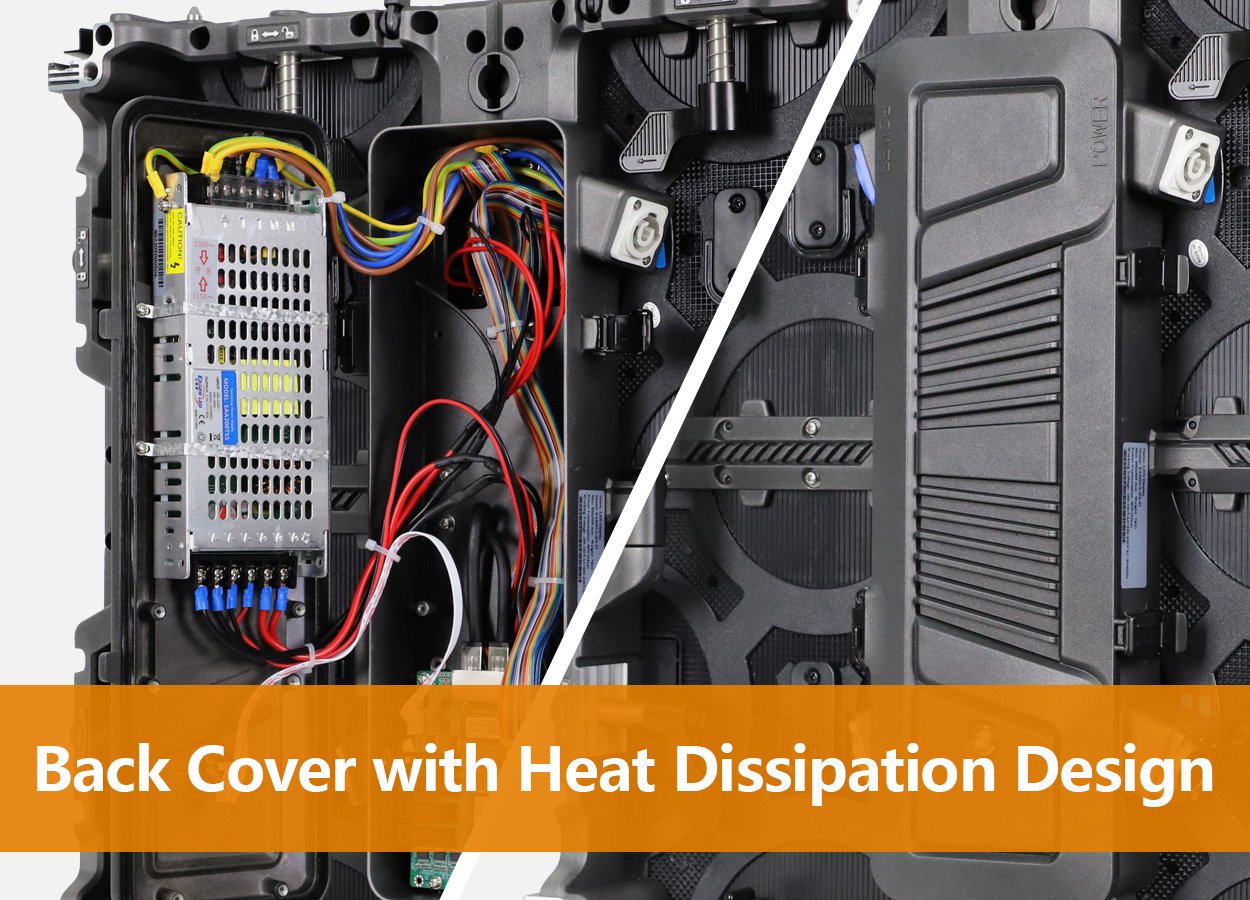
Inspect the parts your crew handles repeatedly: alignment features, quick locks, handles, protective corners and service covers. Request a demonstration using the ordered cabinet revision. Record the normal inspection and replacement procedure rather than inventing an acceptable number of assembly cycles from a promotional clip.

Watch the hardware before requesting a demonstration
The following video is from EagerLED’s official LED Display Manufacturer-EagerLED channel. It shows the EA500C6 and EA1000C6 product family. Look for cabinet formats, locks, handles and protective details, then ask for the same checks on your proposed configuration. This product presentation is not a test report or evidence of your shipment’s acceptance.
Watch the product video on YouTube if your browser restricts embedded playback.
For outdoor use, request the protection ratings for the exact front and rear configuration and the supplied instructions for connectors and covers. A cabinet IP claim does not establish weather approval for an assembled touring wall, its structure or its electrical system. Ask the responsible project specialists to review the actual operating conditions.
3. Work through a 96-cabinet example
Use one common layout to reveal omissions in competing quotes. The following is a planning example, not a recommended concert-screen size or an engineered support design. Assume a rectangular 6 × 4 m wall built entirely from 500 × 500 mm outdoor EA500C6 cabinets.
| Planning item | Calculation | What still needs confirmation |
|---|---|---|
| Screen area | 6 × 4 = 24 m² | Audience, content and venue suitability |
| Cabinet grid | 12 columns × 8 rows | Exact cabinet orientation and arrangement |
| Active cabinets | 12 × 8 = 96 cabinets | Additional spare stock and any alternate layouts |
| Net active-cabinet mass | 96 × 7.3 kg = 700.8 kg | Actual ordered version and measured equipment weights |
| Total system and shipment | Not determined by cabinet mass | Support, cables, accessories, spares, cases and packing |
The 700.8 kg figure is only the arithmetic sum of the active cabinets’ published net weights. It is not a hanging-load approval, a transport gross weight or a permitted support capacity. The responsible designer must use the complete system and actual installation conditions.
Ask each supplier to return a marked equipment schedule for this example: active cabinets, separately listed spares, control equipment, cable sets, mounting interfaces and packed case count. Do not calculate freight from bare cabinet dimensions. Obtain the packed dimensions and gross weights for the complete order.
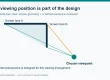
Choose pixel pitch after reviewing content and viewing positions, then obtain the exact native pixel dimensions and processor mapping. Do not derive a final canvas from a rounded pitch label. If mixed cabinet heights are part of your fleet plan, see the separate mixed 500 × 500 and 500 × 1000 cabinet guide and confirm the specific compatible configuration.
4. Witness the fleet acceptance tests
Agree the test plan before production release. Identify the equipment, operating settings, observations to record, acceptance limits, witness and procedure for resolving a failure. A supplier’s standard demonstration may be useful, but it should not silently replace the tests written into your order.
- Trace the equipment. Match serial numbers and hardware revisions to the approved list. Record substitutions and obtain approval before accepting them.
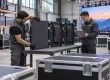
- Build and dismantle a representative layout. Observe alignment, locks, access and crew workflow using the supplied hardware. Record the actual test extent; a partial assembly does not prove every cabinet was checked.
- Review image and camera performance. Use agreed test patterns and representative dark and bright content. When possible, use the planned camera chain and settings. A high refresh-rate label alone cannot establish acceptable footage.
- Swap an identified spare. Have a trained technician follow the supplied procedure, with equipment isolated where required. Confirm mechanical fit, configuration and visual matching after replacement. Retain the spare’s identity and relevant calibration records.
- Demonstrate the quoted recovery arrangement. Have the responsible technician test the agreed failure scenario under the supplier’s procedure. A second data cable is not proof of complete processor, power or network redundancy.
- Reconcile and pack. Check the completed equipment against the serial list, accessory list and approved case layout. Record unresolved defects before agreeing shipment release.
For a remote inspection, request identifiable equipment and the agreed test sequence, with readable labels and retained results. Edited highlights alone leave gaps. If an important test cannot be witnessed or independently checked, mark it unresolved and agree the next action rather than recording a pass.
5. Use a shipment-release evidence matrix
Keep a short release record linking every important question to evidence and an owner. The matrix below is a suggested purchasing tool, not an EagerLED certification or a universal inspection standard. Complete it for the specific order and retain the supporting files.
| Release gate | Evidence to retain | If unresolved |
|---|---|---|
| Configuration matches | Approved equipment list, revisions and serial-number schedule | Resolve substitutions with the supplier’s engineering contact |
| Performance accepted | Agreed test settings, results and defect/retest record | Identify corrective work and required retest |
| Spares are usable | Part identities, compatibility confirmation and observed swap result | Confirm replacements and configuration files before dispatch |
| Transport is defined | Case IDs, contents, external dimensions and packed gross weights | Reconcile with the logistics team’s route and handling plan |
| Support is actionable | Contacts, time-zone coverage, escalation path and agreed warranty scope | Clarify who supplies parts and who pays each service cost |
| Handover is complete | Configuration backups, manuals, packing records and open-issue list | Assign an owner and resolution date for each missing item |
Ask for warranty responsibilities in writing: parts, return freight, replacement freight, local labor and the process for diagnosing a failure. Do not infer round-the-clock support from the words “after-sales service.” State the tour’s time zones and agree what response and escalation are actually offered.
Retain a usable local copy of configuration files and the approved equipment schedule before the first deployment. Backups need clear model, revision and date labels so a technician can identify the right file. Keep the final flight-case packing and receiving records with the shipment documents.
6. Request a comparable touring proposal
Send EagerLED the planned layouts, destination countries, outdoor conditions, viewing positions, camera use, existing equipment and first-show date. Ask for the proposed model and version, an itemized equipment list, the available demonstration evidence and a written list of exclusions.
- Which exact outdoor configuration do you propose, and why does it fit our brief?
- Which tests and spare-part checks can be demonstrated before shipment?
- What are the confirmed packing quantities, dimensions and gross weights?
- Which support responsibilities and delivery milestones are included?
Discuss your concert-touring equipment brief
Provide drawings and existing equipment details where available. Final specifications, supply scope and delivery terms require order-specific confirmation.
7. Frequently asked questions
Is a factory audit enough to approve a touring LED screen shipment?
No. A factory audit reviews the supplier’s capability and processes. Shipment acceptance should verify the actual ordered configuration, equipment identities, agreed tests, spares and handover records. Keep supplier qualification and order release as separate decisions.
Can one outdoor cabinet specification cover every concert venue?
No. The same fleet may serve different layouts, but each venue still has its own structure, electrical distribution, weather exposure and operational constraints. Confirm the cabinet configuration and have the responsible specialists approve the complete installation for the actual site.
How many EA500C6 cabinets make a 6 × 4 m wall?
A rectangular wall using only 500 × 500 mm cabinets needs 12 columns and 8 rows, or 96 active cabinets. Spares are additional. At the published outdoor cabinet weight of 7.3 kg, those active cabinets total 700.8 kg before support, cables and all other equipment.
What should a replacement-part demonstration prove?
It should identify the supplied spare and show that it fits, uses the correct configuration and produces an acceptable match under the agreed test conditions. One successful swap does not prove compatibility with other hardware revisions or every cabinet in a fleet.
Does the EagerLED product video verify my order?
No. The official-channel video introduces the product family and hardware. Use it to prepare questions, then request evidence tied to the exact version and equipment being supplied for your order.
Product example checked against EagerLED’s EA500C6 page on 19 October 2026. The count and net-mass example is calculated from stated assumptions, not a measured shipment, project reference or structural design.