

You can’t walk through the centre of Las Vegas or Tokyo these days without being swallowed by pixels. We’re not talking billboards, we’re talking city-sized digital canvases. The kind that wrap around skyscrapers, stretch over streets, and throw light into the sky. The kind of display that makes you stop walking mid-step just to stare.
The world’s largest LED displays aren’t just big. They’re sensory experiences, engineering marvels, and, in some places, tourist attractions. And while size still matters, the real question now is: what can these screens do? Some display immersive 3D illusions. Others pulse with live data or synced music. A few feel more like outdoor cinema than signage.
In this article, we’re ranking the ten biggest largest LED display out there right now, not just by square footage, but by function, location, creativity, and cultural footprint. These are the giants of the digital world.
Table of Contents
1. The 10 Largest LED Displays in the World (Ranked)
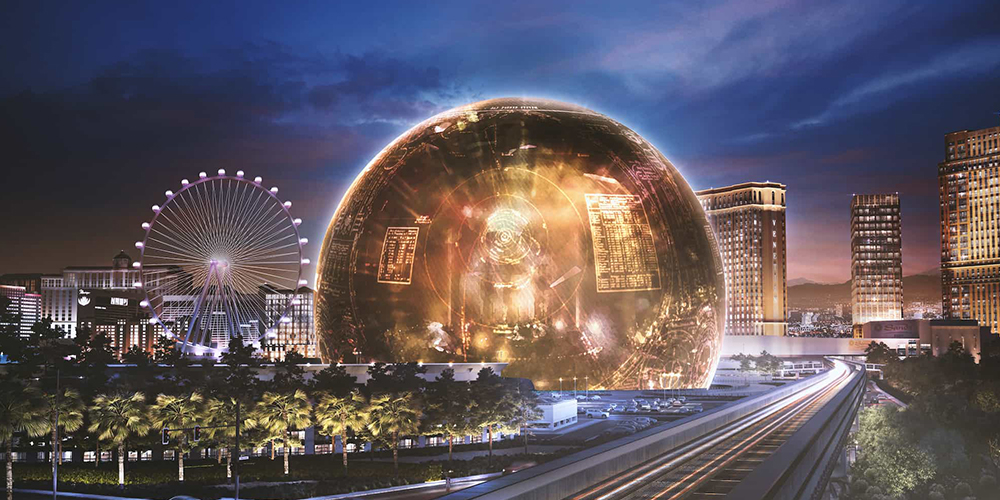
1.1 MSG Sphere – Las Vegas, USA
- Installed:2023
- Size:17,500 sqm (190,000 sq ft)
- Type:360-degree curved dome
- Use:Immersive entertainment and advertising
- Notable Detail:Each of its 1.2 million LED pucks can emit over 250 million colours.
The MSG Sphere currently holds the title of the largest LED display in the world. Its wraparound design allows for fully immersive content, both inside and out. The dome’s curvature and high-resolution exterior make it one of the biggest LED screens ever engineered, and arguably the most visually dynamic.
Why it matters: Beyond entertainment, the MSG Sphere has become a new-age landmark in Las Vegas, attracting global attention for concerts, brand launches, and immersive marketing events.
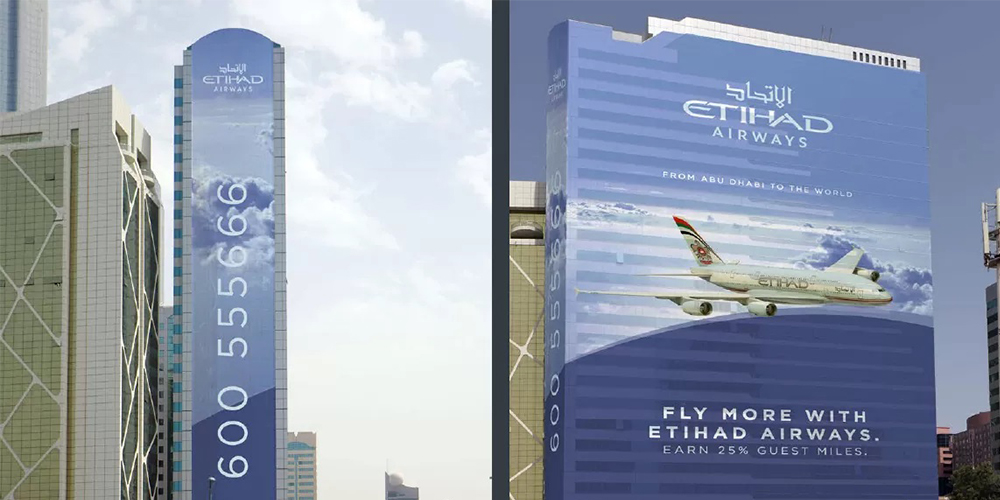
1.2 Dubai Mall Exterior Wrap – Dubai, UAE
- Installed:2024
- Size:10,500 sqm
- Type:Wraparound LED facade
- Use:Branding, digital art, tourism draw
- Notable Detail:Its surface includes solar-enhanced LED tech for better efficiency.
Dubai’s mall LED wrap has become a regional icon, turning a commercial complex into an ever-changing visual showcase powered by one of the largest LED display systems in the Middle East.
Why it matters: This mega-screen blends retail promotion with architectural flair, transforming the mall into both a luxury shopping destination and a digital art gallery.
1.3 Mercedes-Benz Stadium Halo – Atlanta, USA
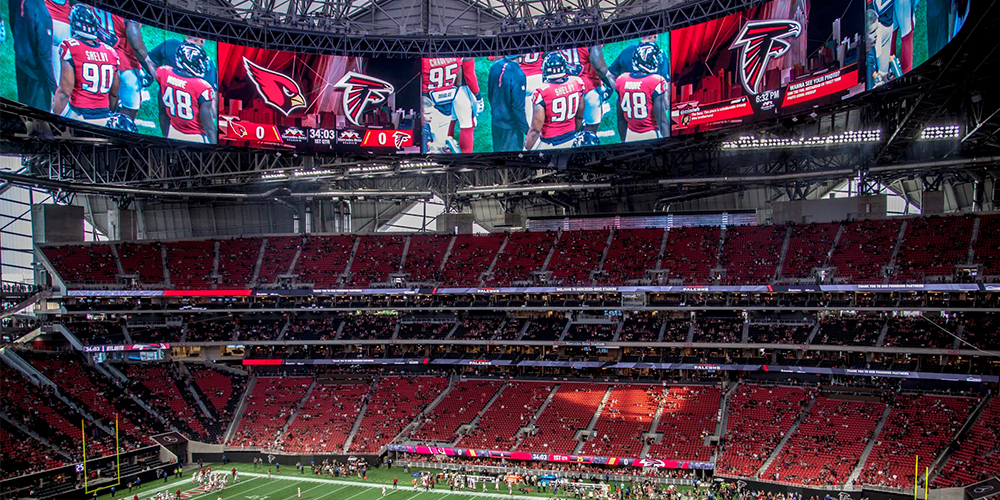
- Installed:2017
- Size:6,100 sqm
- Type:Full-circle stadium halo
- Use:Sports, live content, fan engagement
- Notable Detail:It wraps around the roof like a digital crown.
Its engineering demanded custom fabrication and data delivery at an unprecedented scale, further cementing it as one of the most advanced LED display projects ever attempted.
Why it matters: The Halo Board redefines how sports fans engage with live content, delivering 360-degree visibility, real-time stats, and dynamic crowd prompts during events.
1.4 Lotte World Tower Screen – Seoul, South Korea
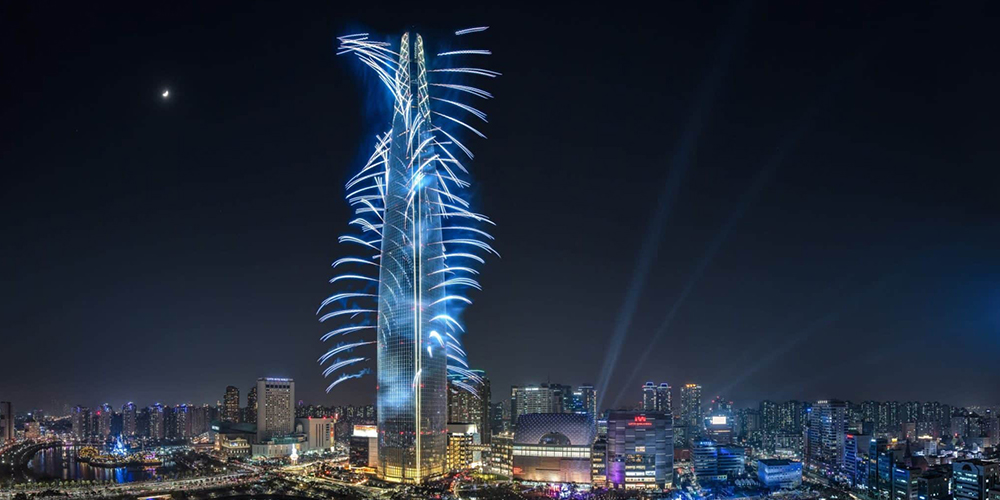
- Installed:2021
- Size:5,000 sqm
- Type:Vertical tower LED wrap
- Use:Commercial, cultural, national displays
- Notable Detail:It can broadcast live national events in real time.
The Lotte World Tower screen is a vertical masterpiece, one of the biggest LED screens built into a skyscraper.
Why it matters: Visible from across the city, this display plays a vital role during holidays, festivals, and national events, acting as a civic signal and visual landmark.
1.5 Guangzhou Canton Tower Spiral – China
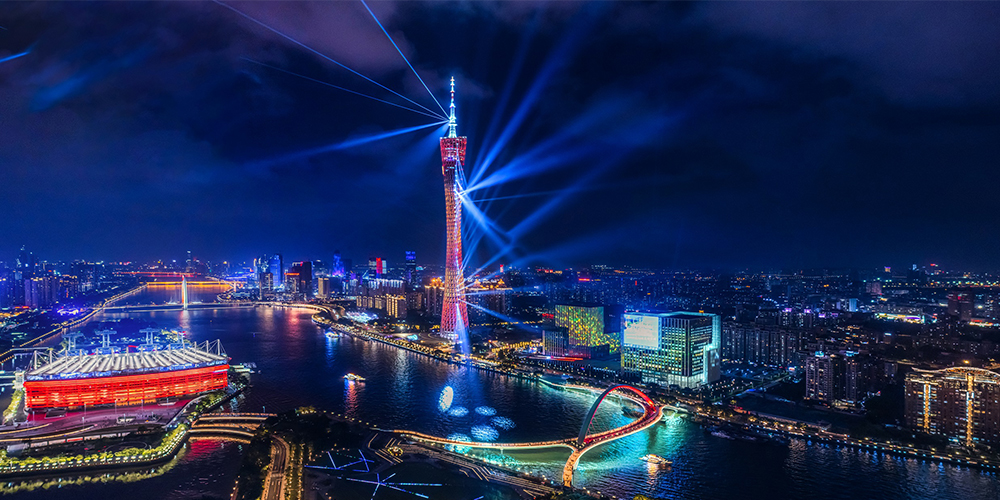
- Installed:2022
- Size:4,500 sqm
- Type:Spiral LED band around tower
- Use:Nightly light shows and public media
- Notable Detail:One of the tallest screens globally, integrated directly into tower structure.
As one of Asia’s most ambitious LED lighting systems, this twisting wrap combines architectural design with real-time content delivery.
Why it matters: The Canton Tower screen attracts tourists year-round and plays a crucial role in broadcasting regional events to millions via social media and TV.
1.6 Times Square 3D Billboard Cluster – New York City, USA
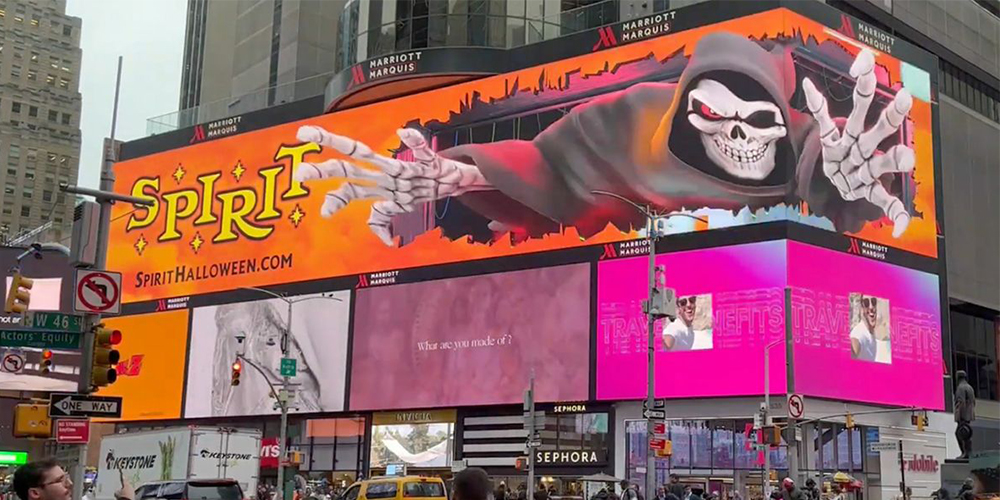
- Installed:2021–ongoing
- Size:~4,000 sqm (clustered)
- Type:3D interactive panels on multiple buildings
- Use:Advertising, pop culture, digital art
- Notable Detail:Some illusions appear to burst out of buildings.
These high-impact LED clusters form one of the largest LED screen networks in the U.S., with groundbreaking 3D illusions that routinely go viral.
Why it matters: Times Square is a branding powerhouse. These billboards provide unmatched exposure for global campaigns and serve as visual storytelling tools in the heart of Manhattan.
1.7 Riyadh Boulevard Sky – Riyadh, Saudi Arabia
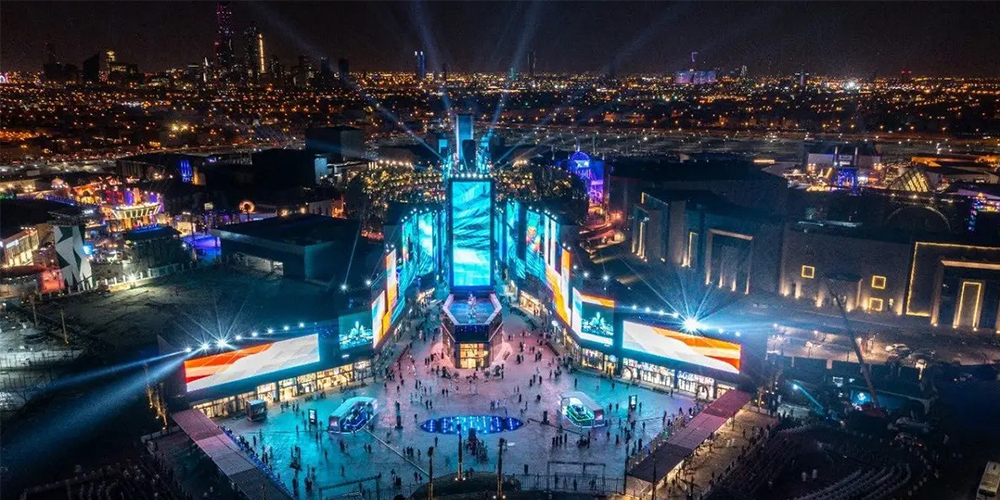
- Installed:2023
- Size:3,800 sqm
- Type:Overhead canopy
- Use:National holidays, events, open-air shows
- Notable Detail:Also functions as a stage light grid.
The Boulevard Sky LED offers one of the region’s largest LED displays, with ultra-wide visibility and real-time content programming.
Why it matters: It reflects Saudi Arabia’s commitment to high-tech urban entertainment zones and draws in both local crowds and international attention during festivals.
1.8 Fremont Street Canopy – Las Vegas, USA
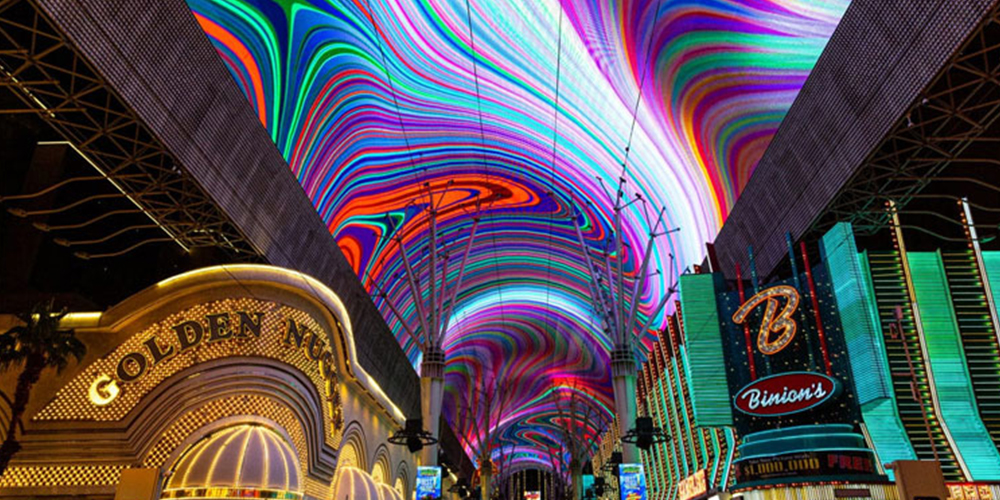
- Installed:1995, revamped in 2019
- Size:3,600 sqm
- Type:Curved overhead canopy
- Use:Music and light shows, public experiences
- Notable Detail:Includes over 49 million LEDs.
It still qualifies as one of the biggest LED displays in the world thanks to its footprint, tech upgrades, and nightly multimedia shows.
Why it matters: This LED canopy helped revitalize downtown Vegas and continues to serve as a walkable digital theater for both locals and tourists.
1.9 Chengdu 3D Panda Billboard – Chengdu, China
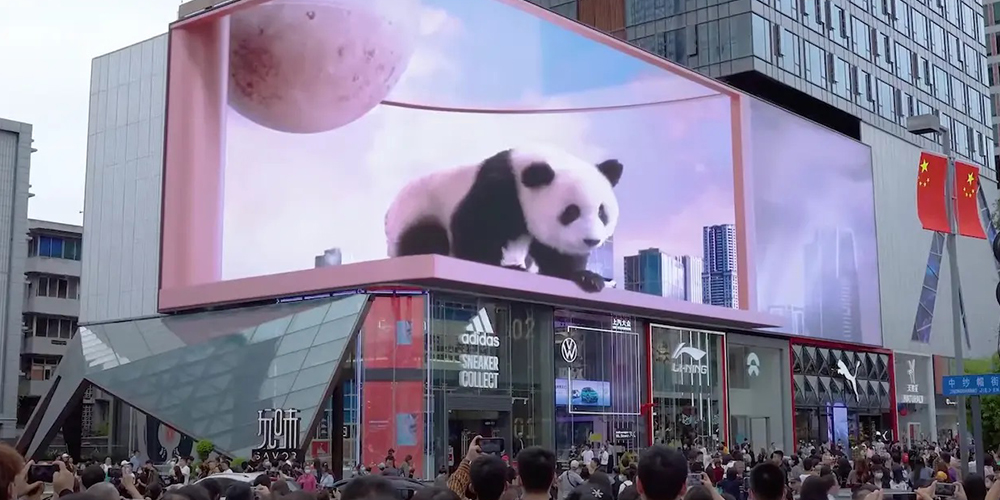
- Installed:2022
- Size:~2,600 sqm
- Type:Corner-wrapped 3D display
- Use:City branding and entertainment
- Notable Detail:Made international headlines with its giant panda illusion.
Its 3D panda animation became one of the most shared digital visuals on Chinese social media.
Why it matters: The display’s virality has made it a symbol of Chengdu’s creative culture and a must-see attraction that combines playful branding with visual innovation.
1.10 Shibuya Crossing LED Cluster – Tokyo, Japan
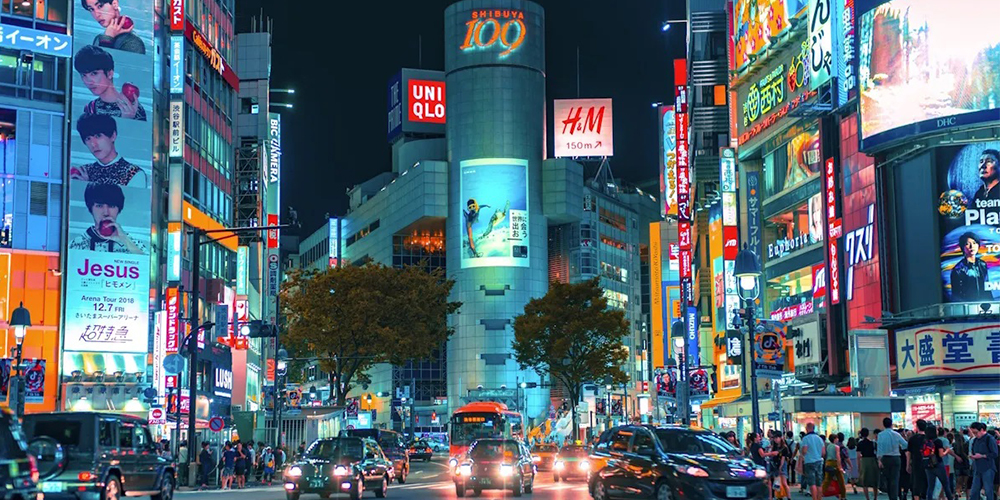
- Installed:2022
- Size:~2,500 sqm (across multiple facades)
- Type:Synchronized multi-building display
- Use:Campaigns, music, global broadcasts
- Notable Detail:Inspired the global trend of 3D “cat billboards.”
Each screen is linked to a central control system that can coordinate real-time animations across buildings.
Why it matters: These displays reflect Tokyo’s futuristic urban identity and are often used for launches of games, music, and anime, merging technology with pop culture.
2.What These Mega Screens Actually Do
The title of “largest LED display” isn’t just about area, it’s about function. These technological marvels don’t just light up skylines, they shape how cities communicate, entertain, and captivate. The largest LED display in any city is more than just a visual centerpiece; it’s a narrative engine and a cultural mirror.
Across the globe, LED technology has evolved beyond static visuals. Today’s largest LED displays serve multiple roles:
Advertising Powerhouses
Times Square and Shibuya are digital billboards turned into brand stages. These zones feature the largest LED screens designed specifically for high-turnover ad content. When a new product drops, it’s these massive canvases that amplify the message to millions in real time.
Cultural Integration
In places like Riyadh and Seoul, LED displays are tightly woven into national identity. When there’s a holiday, election, or major announcement, the city’s largest LED display becomes the message board. Content often features patriotic visuals, cultural motifs, and real-time announcements that unite citizens through shared visual experience.
Art Installations
Chengdu’s panda and Tokyo’s hyper-realistic 3D cat weren’t designed just to sell things. These biggest LED screens are also canvases for creativity, pulling millions of views online. Some serve as digital murals that reflect a city’s personality, humor, or experimental art scene.
Community Engagement
Fremont Street’s LED canopy offers daily shows that blend audio, motion graphics, and street-level audience reactions, showing how even the biggest LED display can feel local and personal. Other cities are now adapting similar setups that sync screen content with live music, seasonal themes, or local sports wins.
Emergency Communication & Public Utility
In regions prone to extreme weather or public events, the largest LED screens also function as emergency information platforms, delivering instructions, updates, and alerts visible from far distances.
Smart City Integration
The rise of smart infrastructure means many largest LED displays now link with traffic sensors, city-wide Wi-Fi, and municipal dashboards to display data in real time. Whether it’s air quality, transport delays, or interactive city guides, these screens are turning into digital town squares.
From New York to Dubai, from Tokyo to Guangzhou, the largest LED display in each metropolis isn’t just big, it’s strategic. These screens help cities stand out globally, and more importantly, speak directly to their own citizens and visitors.
As technology matures, we’re seeing the line blur between public art, commercial messaging, and civil communication, all led by the largest LED displays in key global cities. Whether used for immersion, branding, or real-time updates, these massive installations are increasingly essential to how modern cities function and feel.
3. Who’s Building the Biggest Screens?
There’s no universal race to build the largest LED display, but certain regions are clearly pushing boundaries faster than others.
- Asialeads the charge. China and South Korea, in particular, are building vertically and creatively. Seoul’s Lotte Tower and Guangzhou’s Canton wrap rank among the most advanced and largest LED displays in the world.
- Middle Eastgrowth is driven by spectacle and national branding. Saudi Arabia’s immersive Riyadh Boulevard and Dubai’s LED mall wrap are world-class examples of region-specific investment in the largest LED screen technologies.
- North Americaemphasizes entertainment. The MSG Sphere and Mercedes-Benz halo board don’t just rank among the biggest LED displays ever built, they also redefine the connection between visuals and live experiences.
- Europeis catching up, often focusing on sustainability. Though they may not have the largest LED display by surface area, they often lead in energy efficiency and smart integration.
Geography shapes not just how big the screen is, but what it’s built for. As demand rises, expect the global map of largest LED screens to get even more competitive.
4. The Rise of 3D and Immersive LED Experiences
The future of the largest LED display isn’t just flat, it’s dimensional.
Immersive 3D visuals have shifted the focus from width and height to depth. Displays that can simulate shadow, scale, and movement are redefining what we expect from digital environments. This trend is especially visible in urban centres where brands and artists compete for attention.
- Illusion-Based Mastery: Shibuya’s cat billboard is compact by size but massive in influence. While it may not be the largest LED display by measurement, it’s one of the most emotionally engaging.
- Multi-Panel Integration: New York’s Times Square now boasts several synchronized screens, forming a sort of composite largest LED screen through combined area and content fusion.
- Real-Time Adaptation: 3D displays using sensors can respond to motion, time of day, or even temperature. The latest largest LED displays in Seoul can change brightness or animation speed based on ambient light and weather.
- Immersion as Norm: Increasingly, to qualify as a world’s largest LED display, a project must offer something experiential, not just static scale.
What once felt like science fiction is now standard. And it’s only possible because the biggest LED displays are evolving beyond size into sensory space.
5.How Are the Largest LED Screens Built?
Behind every largest LED display is a framework of serious engineering.
- Pixel Density and Module Types: Large doesn’t mean blurry. Top-tier displays use SMD, MicroLED, or COB configurations that maintain tight pixel pitch, even across stadium-length installations.
- Physical Load and Climate Testing: Building the largest LED screen in a tropical city like Guangzhou requires waterproofing, dust sealing, and heat resistance on an industrial scale.
- Software Control: These screens don’t just run a video loop, they run media networks. The MSG Sphere’s internal system manages real-time, location-based visuals synced with music and crowd energy.
- Integration with Architecture: Many of the largest LED displays in the world are designed in tandem with the buildings they cover. That means planning years in advance and coordinating between digital artists, architects, and civil engineers.
- Reliable Manufacturing Partners: For large-scale LED projects to succeed, the supplier must offer modular flexibility, consistent quality, and support through every project phase.
EagerLED, an experienced global LED display manufacturer, provides tailored large-format display solutions that balance durability, clarity, and smart integration. With production facilities in Shenzhen and projects in over 90 countries, EagerLED supports clients with scalable display builds, whether it’s a city billboard or a full façade wrap.
6.Cost and Commercial Value
There’s no such thing as a cheap largest LED display. But done right, the investment pays off.
- Build Costs: Giant LED projects can exceed $50 million, especially when structural retrofitting and 3D rendering are involved. The Sphere? North of $2 billion total.
- Running Costs: Electricity, software licensing, and team staffing add to the expense. Cooling alone on the world’s largest LED screens can match a small commercial complex.
- Ad ROI: In Times Square, some digital billboards bring in seven figures per month. Visibility = value. Owning the biggest LED screen in a media hub can be more profitable than physical real estate.
- City Image and Tourism: Beyond numbers, these displays become part of the city’s brand. Dubai, Las Vegas, and Seoul are all associated with lights. That kind of presence builds legacy.
The takeaway? The largest LED display isn’t just an asset, it’s an anchor of attention, influence, and investment.
7.Future of Large LED Displays
What does the future hold for the next largest LED display project? Judging by the pace of innovation, we’re only scratching the surface of what’s possible. The coming years will bring not just new records in size, but dramatic shifts in how LED displays are designed, used, and experienced.
- Transparent Displays: Already rolling out in Seoul and Shenzhen, transparent LED panels will soon allow skyscrapers to double as glowing visual facades, without blocking out natural light. These could revolutionize how architects think about integrating the largest LED display technology directly into modern buildings.
- Eco-Conscious Panels: Expect lower-energy modules, solar-powered LEDs, and AI-managed dimming systems. As sustainability becomes a priority, manufacturers will be under pressure to make the biggest LED screens more efficient and environmentally viable.
- Drone-Borne Displays: Fleets of synchronized drones equipped with flexible LEDs are being tested as mobile display units for festivals and emergency response. In the future, the largest LED screen might not be fixed to a building at all.
- AI-Enhanced Targeting: With advances in facial recognition and data analytics, content on large screens could adapt dynamically based on the audience. A truly smart largest LED display will know when to show a product, a weather alert, or a work of art, automatically.
- Zero-Contact Interaction: Gesture-based control and spatial audio cues will allow passersby to interact with a display without ever touching a screen. This is particularly relevant in high-traffic zones, where hygiene and accessibility are key.
As this next generation of LED infrastructure emerges, flexibility becomes just as important as size. And that’s where companies like EagerLED are already playing a pivotal role. While they may not be behind the globe’s most headline-grabbing builds, they specialize in delivering modular, scalable, and tailored LED solutions that reach businesses of all sizes.
EagerLED has become a reliable partner for companies, municipalities, and event organizers looking to make a bold visual impact, without overextending budgets or timelines. Their ability to customize displays for different use cases, from indoor advertising to outdoor stadium facades, makes them one of the more versatile suppliers in the industry. The company also continues to expand its global footprint, supporting projects in over 90 countries.
In a future where digital infrastructure must adapt as quickly as the world around it, the most valuable LED partners won’t just offer size. They’ll offer smart integration, durability, and support. And that’s where firms like EagerLED are likely to stand out.
The evolution is constant. But one thing’s clear: we’re nowhere near done, and companies like EagerLED are helping shape what comes next.
8.Conclusion
The largest LED display projects aren’t just architectural feats. They’re cultural beacons, economic engines, and technological previews of where smart cities and media environments are headed. These installations command attention not just for their scale, but for their ability to merge light, sound, and data into immersive experiences that people remember.
They turn sidewalks into theaters. They merge buildings with branding. They make information feel like entertainment. In 2025 and beyond, the biggest LED screens on the planet will continue to change how we see the world, and how the world sees us.
Importantly, it’s not only the headline-making giants who shape this space. Companies like EagerLED are instrumental in bringing high-quality LED technology to businesses of all sizes, all over the globe. With a reputation for customized engineering and flexible service, EagerLED offers LED display solutions that are just as future-ready as the industry’s biggest players, proving that innovation isn’t limited to size.
Whether you’re planning a curved storefront display or a massive outdoor billboard, the future of LED is accessible, powerful, and already here. And with providers like EagerLED, it’s easier than ever to bring your boldest visual ideas to life.